



19th Century Rosewood Stool
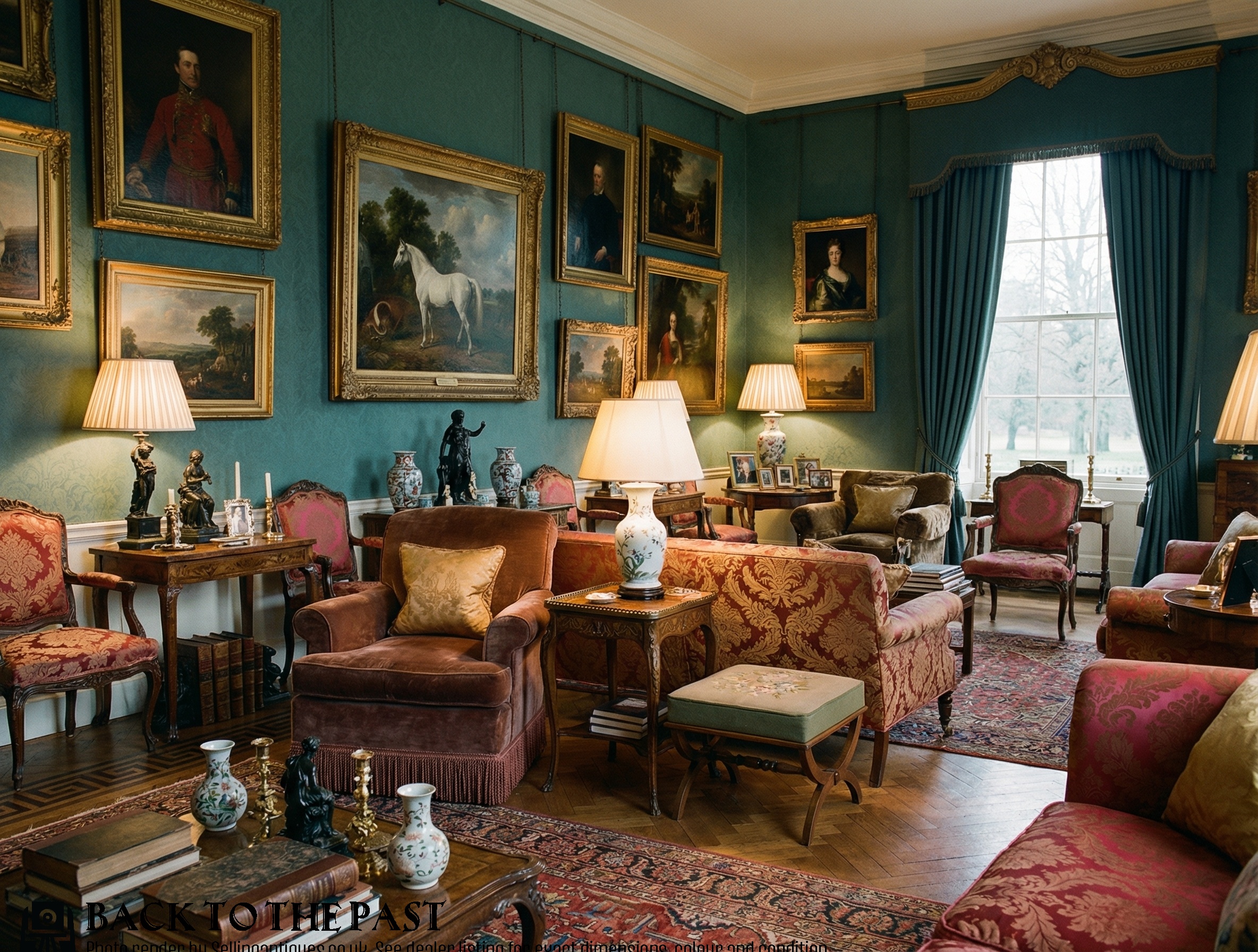
A 19th century rosewood stool brings dense timber and tailored upholstery to a room, offering low seating or a place to rest feet.
19th Century Rosewood Stool
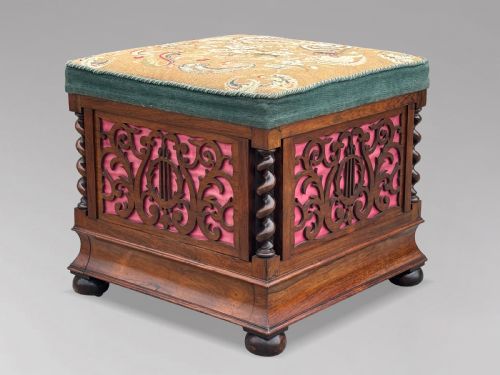
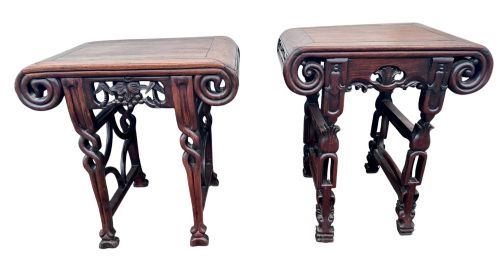
When searching for a 19th century rosewood stool, buyers encounter a variety of forms spanning footstools, piano stools with adjustable screws, and large centre ottomans. These pieces emerge from periods including the Regency, William IV, and Victorian eras, alongside Anglo-Indian and Chinese export workshops.
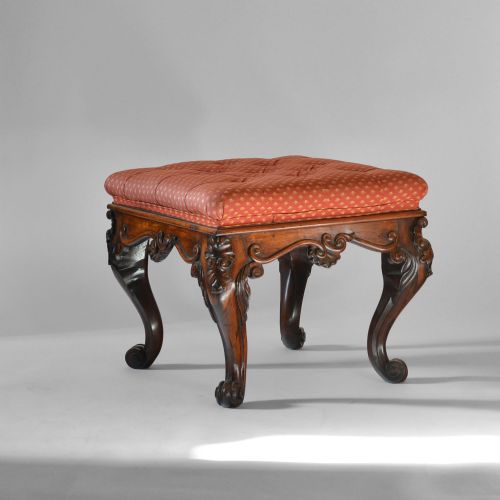
The most common examples on this page are low footstools, dressing stools with carved frames, and music stools designed for the piano. Makers of the time adapted these forms for parlours, bedrooms, and music rooms, utilising the heavy tropical wood for both domestic utility and formal display.
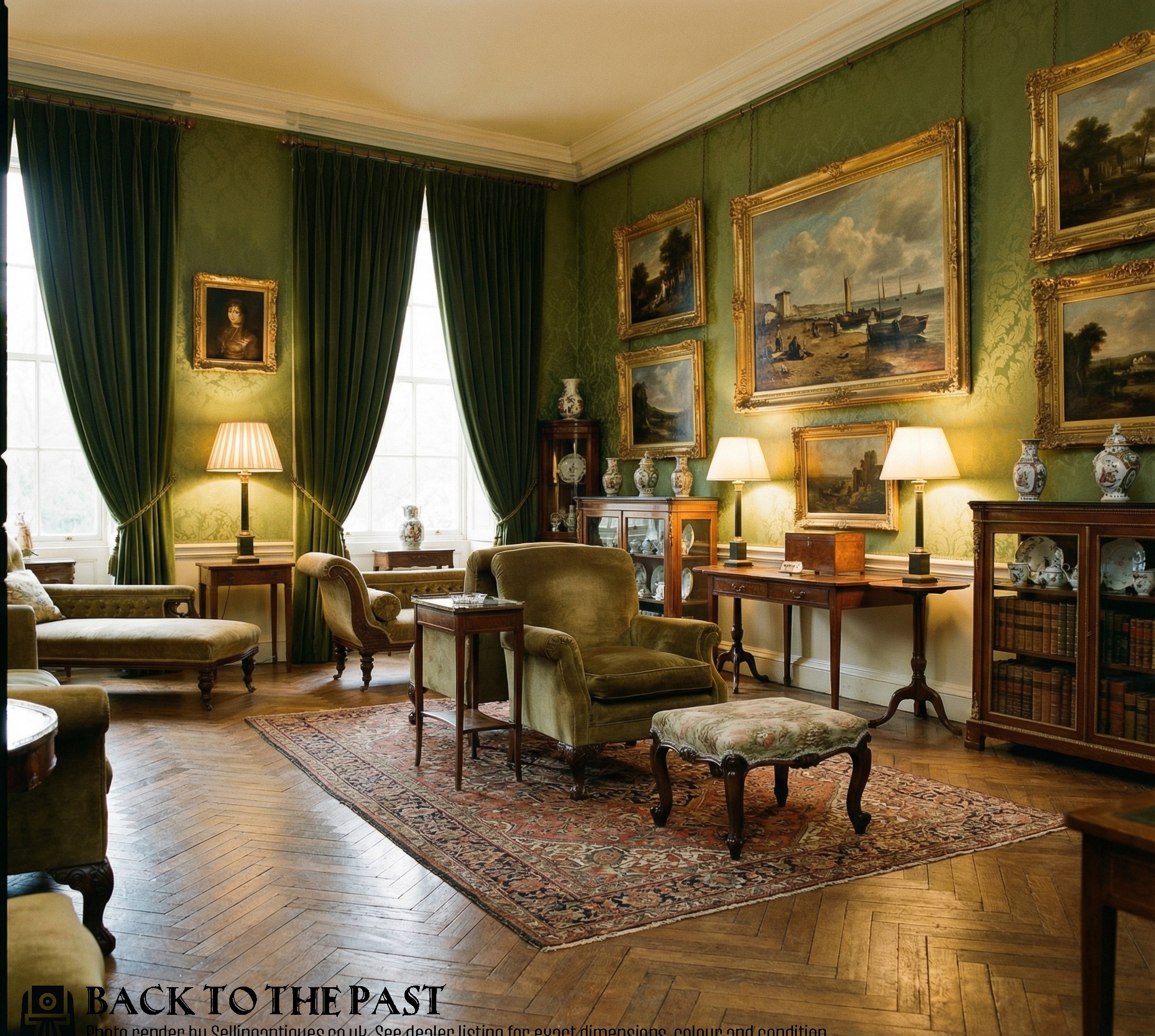
Materials and construction
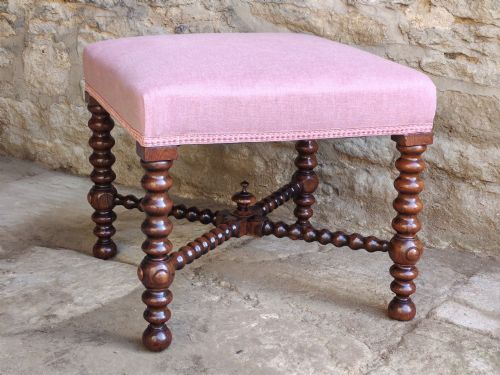
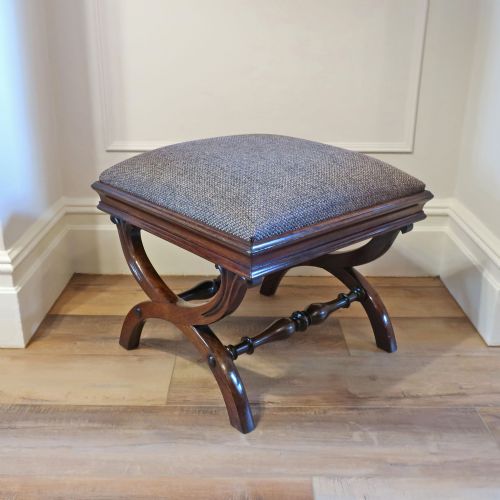
Construction relies heavily upon solid rosewood and hardwood frames, frequently shaped with scroll supports, bobbin legs, or cross-frame X shapes. Joinery was built to bear weight, often incorporating adjustable mechanisms of brass and iron for piano and music seats.
Upholstery forms a primary component of the construction, utilising materials such as velvet, fabric, tapestry, leather, and textile. Certain pieces incorporate detailed bone inlay or marble inserts within the wooden framework.
19th Century Rosewood Stool Retail Price Guide 2026
Typical asking prices for 19th century rosewood stool among the pieces listed under this phrase on Sellingantiques today, from the lower quarter to the upper quarter. They describe what is for sale here now, not the wider market.
Listings feature rosewood alongside exotic hardwoods, marble inserts, and bone inlay across Victorian and Regency periods.
Judging the work
Quality rests on the crispness of the carving in the timber and the structural integrity of the frame joints. Pieces with secondary materials like bone inlay or inset marble panels show higher ambition in design.
The sophistication of the upholstery work and the precision of mechanical rise-and-fall mechanisms separate standard domestic seating from finer parlour pieces.
Charles Nosotti
The 19th Century Rosewood Stool Glossary
- Rosewood
- A dense, dark timber prized for its rich grain patterns and durability in heavy furniture frames. It takes a high polish and was imported extensively during the period.
- X-frame
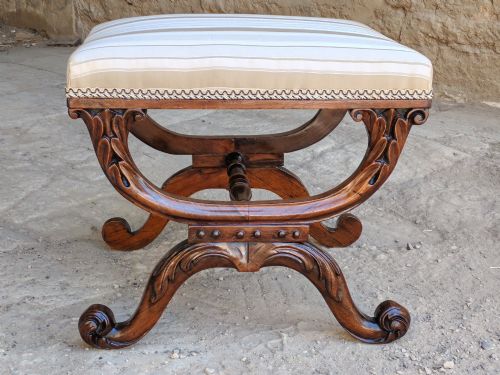
- A structural form where intersecting diagonal legs create a supportive cross shape beneath the seat. This design often appears on formal footstools and dressing seats.
- Ottoman
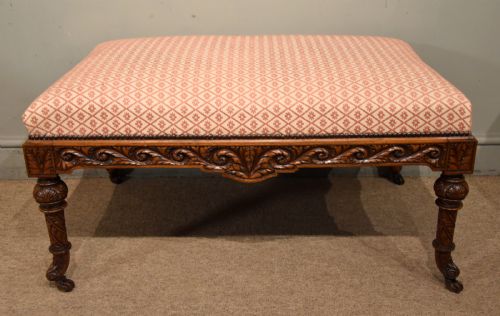
- A large, upholstered seat without a back or arms, designed for central placement in a room. Many examples from this period feature generous proportions.
- Rise and fall
- A mechanical mechanism utilising a central screw to adjust the height of music and piano stools. Users rotate the seat pad to alter the elevation.
- Anglo-Indian
- A style of furniture combining British furniture forms with traditional Indian carving techniques and materials. These pieces often feature intricate floral motifs in dense hardwoods.
19th Century Rosewood Stool: Frequently Asked Questions
How do I identify a Regency period stool?
Regency pieces often display Neoclassical influences, featuring sabre legs, scroll supports, or architectural carved details.
They frequently utilise dark rosewood matched with classical tapestry or leather upholstery.
Were these stools used for seating?
Many served as piano seats, dressing table stools, or low footstools placed before larger chairs.
Larger centre ottomans and benches provided movable seating for multiple occupants in formal rooms.
What is an X-frame stool?
An X-frame stool uses diagonal cross timbers beneath the upholstery to support the weight.
This form provides sturdy construction while maintaining an open silhouette inspired by classical furniture.