
Victorian Upholstered Ottoman
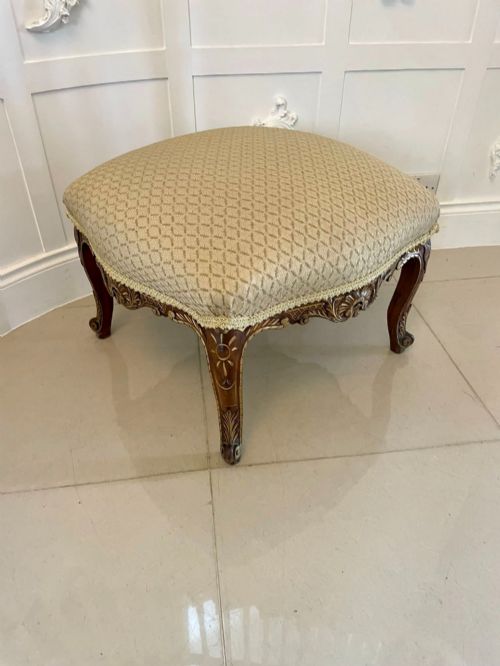
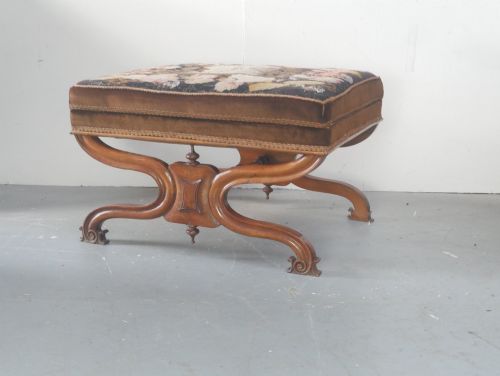
These Victorian upholstered ottoman pieces bring nineteenth-century comfort and concealed storage to a room through solid timber frames and rich textile coverings.
Victorian upholstered ottoman forms and origins
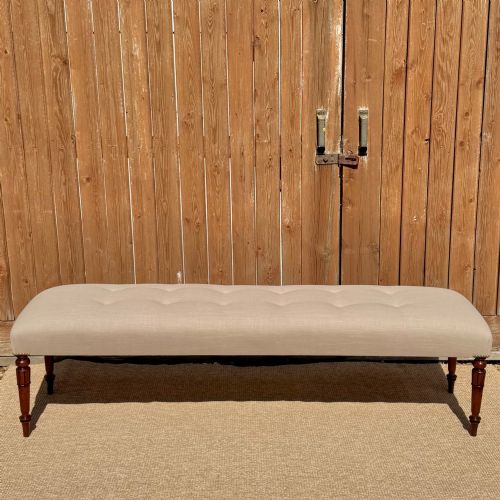
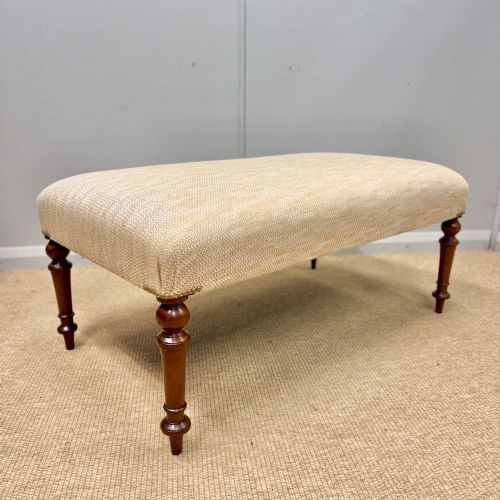
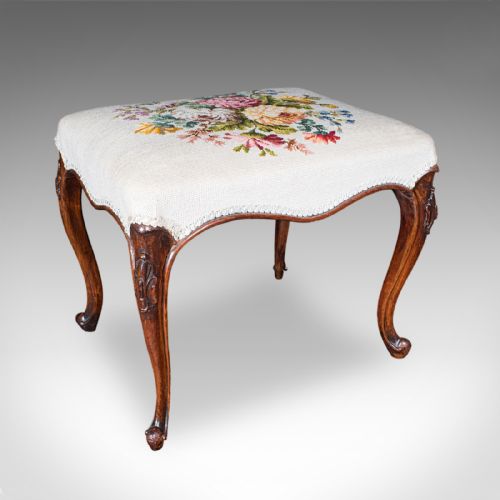
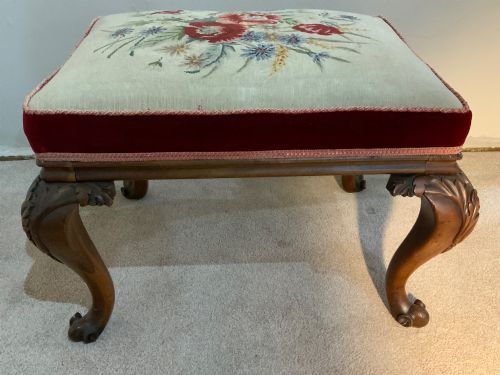
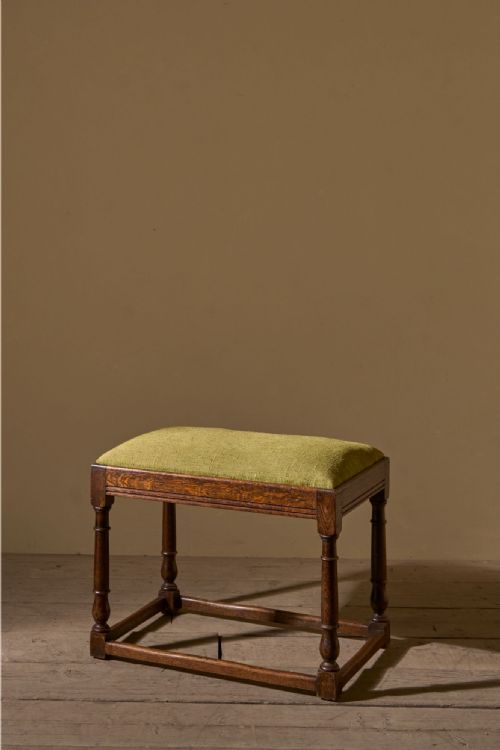
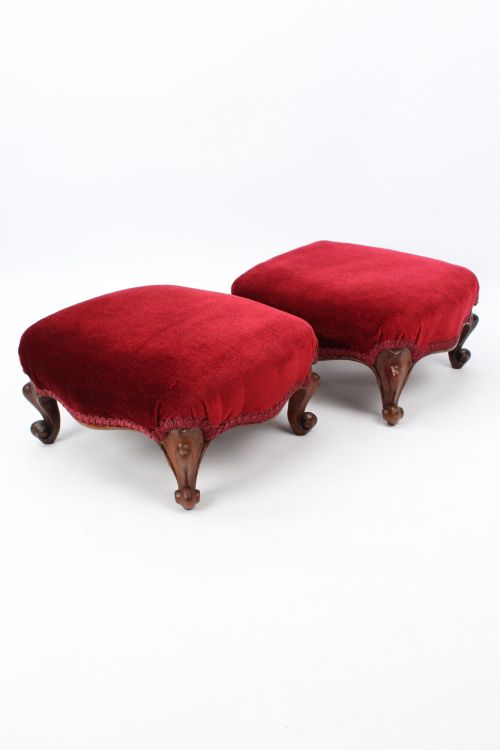
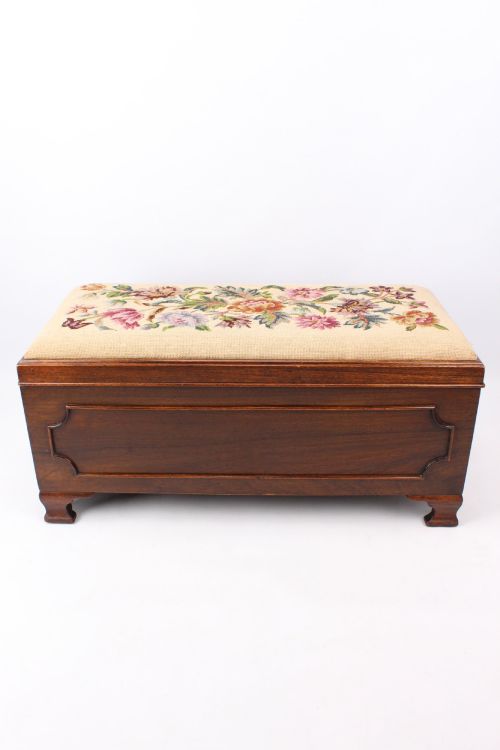
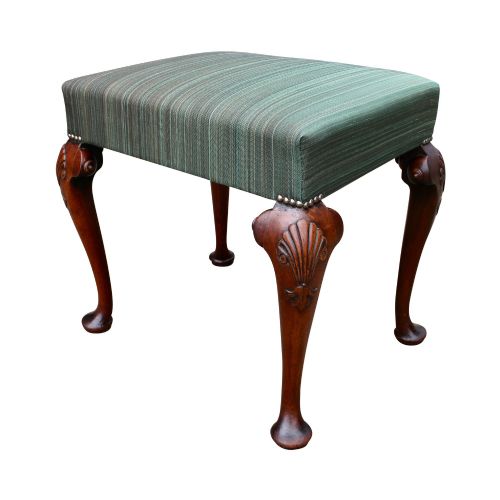
When searching for a victorian upholstered ottoman, a buyer examines nineteenth-century seating that doubles as storage boxes, trunks, and day beds. The forms span compact footstools, piano stools, and large concave boxes designed for domestic parlours and drawing rooms.
The pieces appearing here are predominantly English, dated between roughly eighteen-sixty and nineteen-hundred. They combine seating surfaces with hinged lids or interior compartments, utilising sturdy hardwood structures beneath traditional textile covers.

Materials and construction techniques
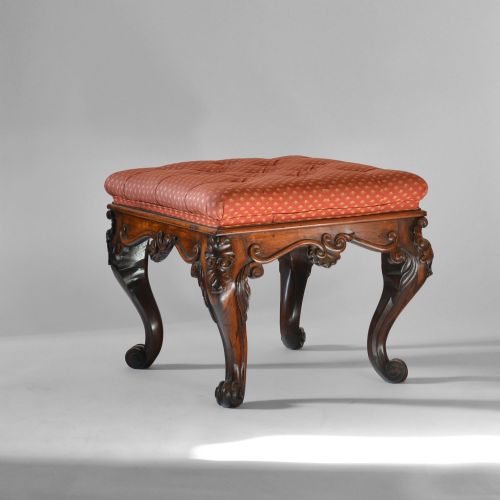
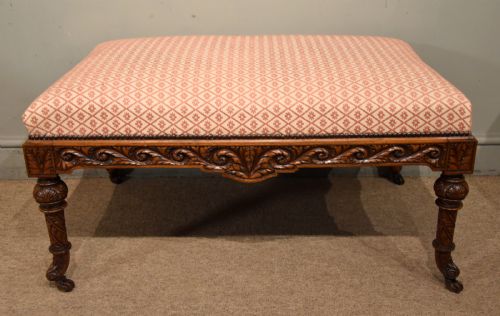
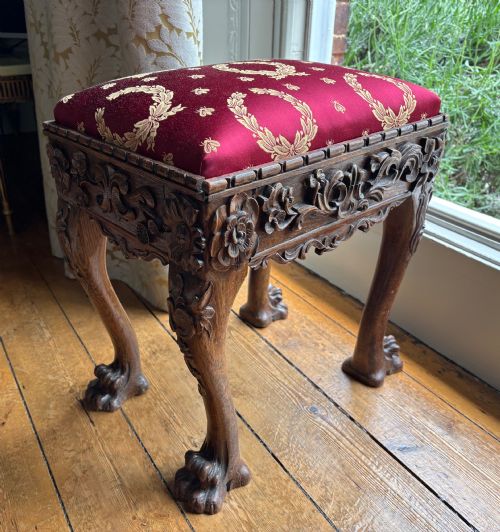
Makers constructed the structural frames from dense hardwoods such as mahogany and rosewood, frequently incorporating carved details, fretwork, or brass elements. Timber frames provide the load-bearing strength necessary for frequent seating and heavy lid mechanisms.
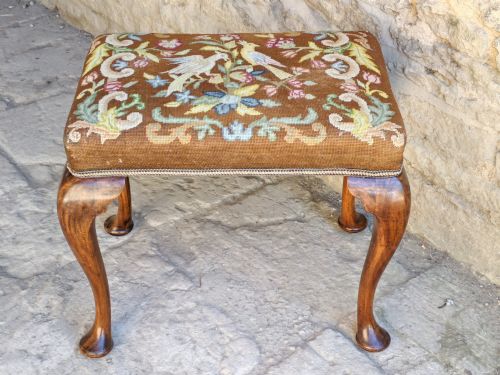
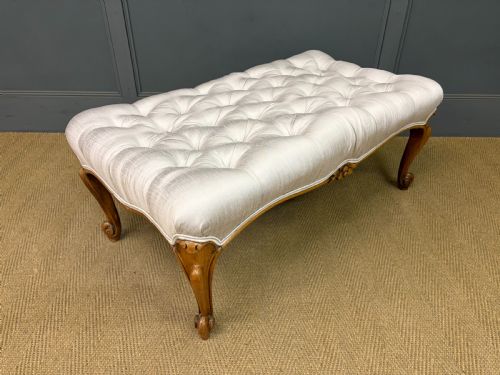
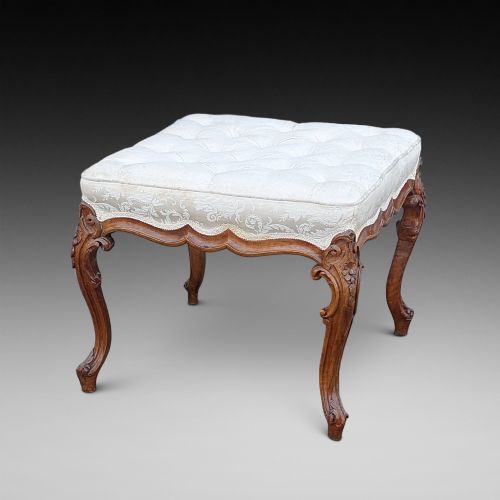
Upholstery methods involve traditional stuffing applied over supportive bases, enclosed in fabrics including velvet, damask, tapestry, crewel work, kilim, and leather. Buttoning and needlepoint finishes secure the textile layers across the top surfaces and hinged box lids.
Retail Price Guide 2026
Typical UK retail prices for victorian upholstered ottoman, calculated from the Sellingantiques database of over a million retail prices indexed since 2003. This retail price guide relies exclusively on Sellingantiques data; no external sources or auction records are used, so the figures do not describe the wider market.
Victorians hid everything inside, proving that even a footstool was expected to pull double duty as a secret trunk.
Distinctions in craftsmanship and material grade
Quality separates through the selection of primary timbers, where heavily figured rosewood or dense mahogany denote superior workshops compared to standard hardwoods. The sophistication of the frame carving and the precision of the joinery mark the distinction between ordinary production and finer examples.
The grade of the upholstery materials, from standard fabric to bespoke crewel work, needlepoint, or quality leather, dictates the original status of the piece. Substantial proportions and well-executed storage box mechanisms further elevate the standing of an item within the range.
Howard and Sons
The Victorian Upholstered Ottoman Glossary
- Ottoman
- A low upholstered seat or box without arms or a back, frequently fitted with a hinged lid for interior storage.
- Concave
- A curved inward shape often seen on the sides of nineteenth-century box stool frames.
- Crewel work
- A type of embroidery using wool yarn on a heavy fabric base, frequently found on period upholstery.
- Needlepoint
- Stitched canvas work creating detailed decorative patterns across seat tops and footstools.
- Rosewood
- A dense, dark timber with distinct grain patterns used for high-status Victorian furniture framing.
Frequently Asked Questions
How were these ottomans used?
These pieces served dual purposes as functional seating and concealed storage trunks for blankets, music sheets, or household linens in nineteenth-century homes. Larger variants also functioned as day beds or window seats.
Their substantial timber frames and hinged lids allowed them to sit comfortably in parlours, bedrooms, and music rooms while keeping domestic clutter out of sight.
What woods appear in these pieces?
The structural elements rely heavily on dense hardwoods, with mahogany and rosewood appearing frequently across both current and archived listings. These timbers provided the weight and rigidity required for heavy box storage and frequent daily seating.
Secondary woods often form the internal trunk compartments, while the primary show-woods feature dark polished finishes and occasional carved details.
How do I identify a Victorian piece?
Nineteenth-century pieces display characteristic timber selections, traditional joinery methods, and period textile choices such as velvet, damask, or crewel work. The proportion and weight of the mahogany or rosewood frames align with mid-to-late Victorian manufacturing standards.
Hardware components, including brass fixings and hinges, further assist in dating the construction to the decades between eighteen-sixty and nineteen-hundred.
How do I care for the upholstery?
Maintenance requires gentle cleaning appropriate to the specific textile covering, whether it is leather, velvet, tapestry, or needlepoint. Protecting the fabric from direct sunlight prevents fading of the historical dyes.
Conditioning the timber frame with suitable polish preserves the rosewood or mahogany surfaces without affecting the surrounding fabric edges.