
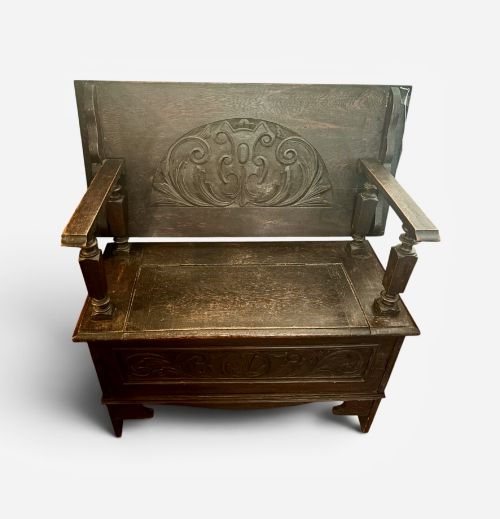
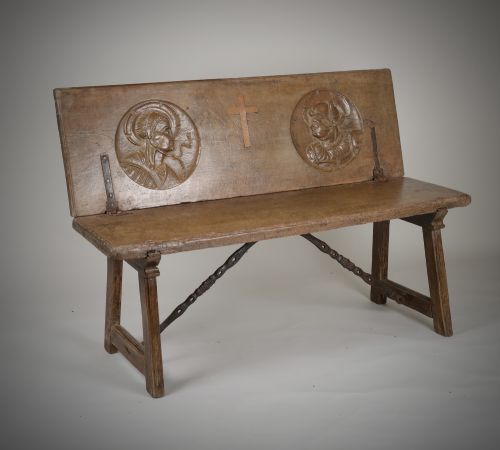
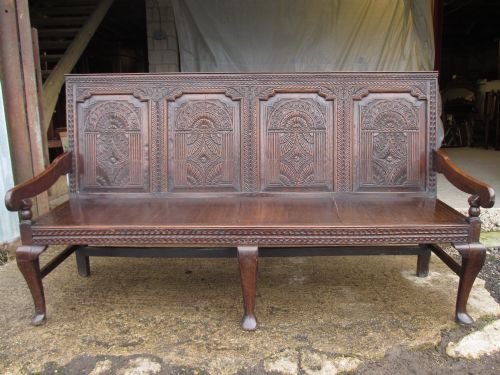
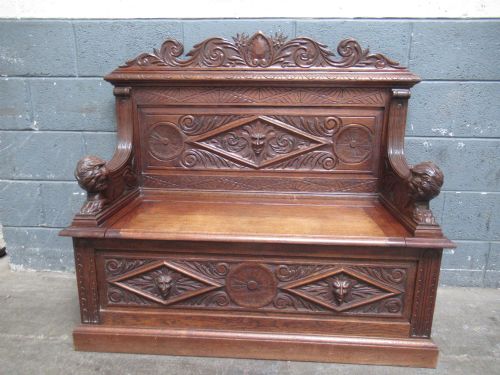
Brown Oak Hall Bench
A brown oak hall bench offers solid timber seating and storage for a traditional entranceway, rooted in centuries of vernacular woodworking.
Brown Oak Hall Bench
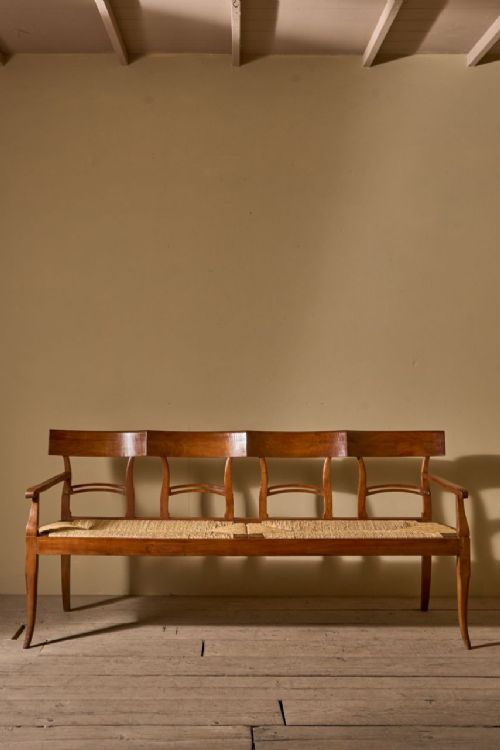
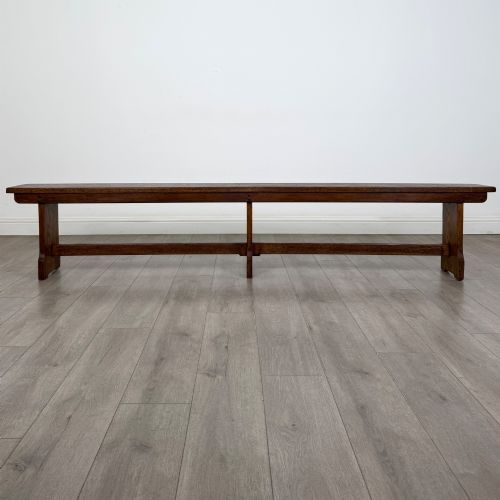
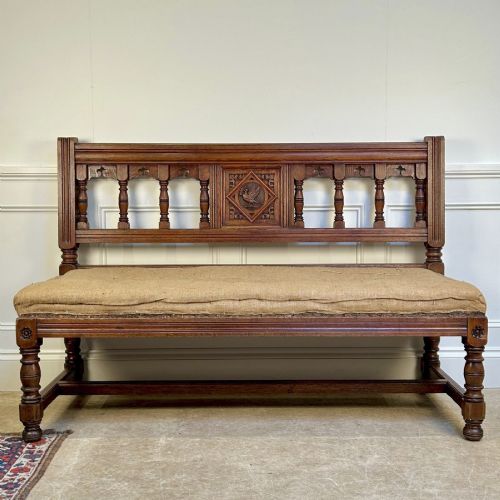
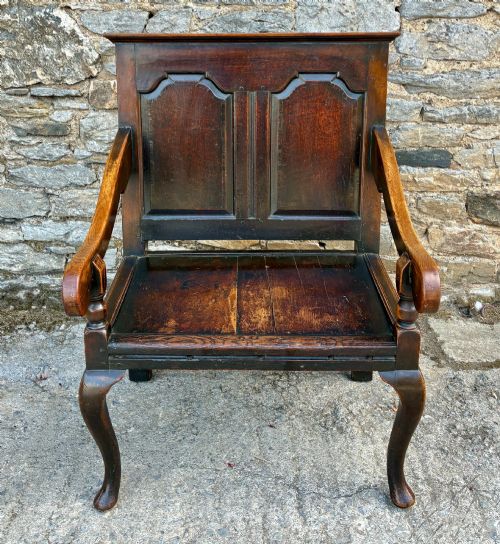
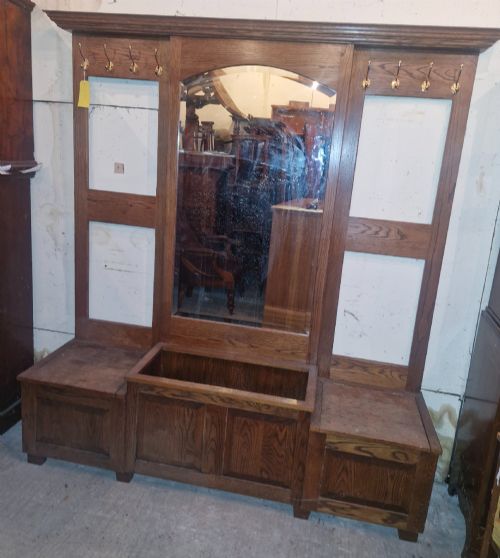
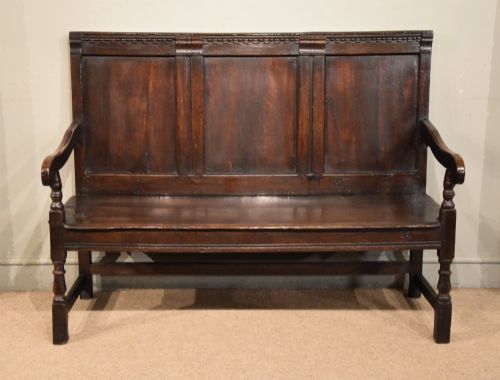
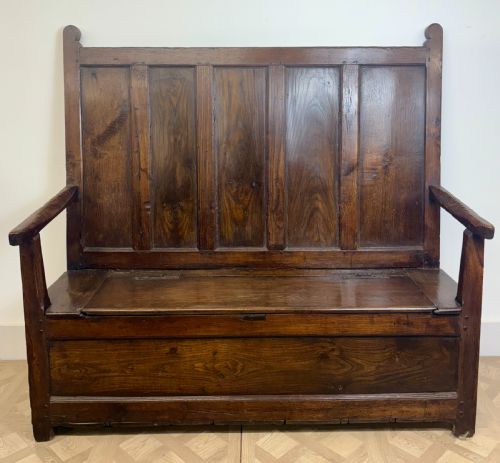
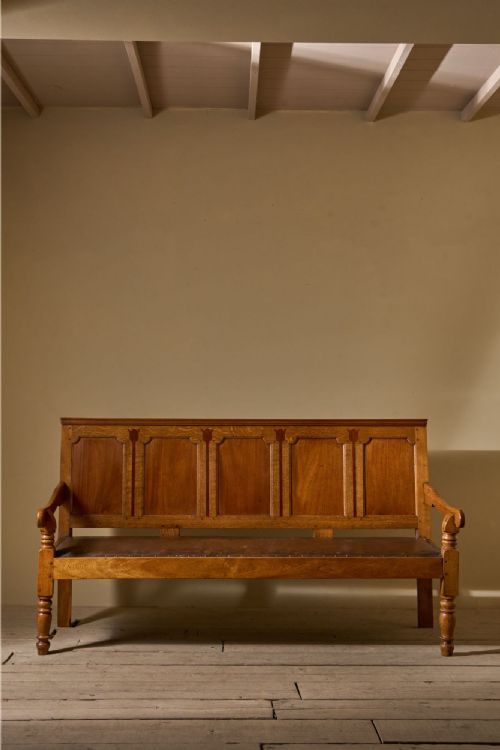
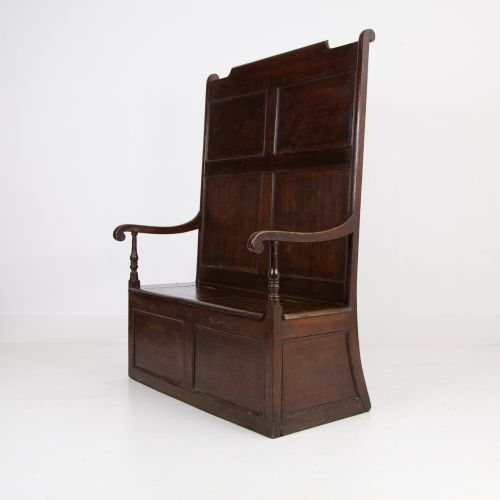
A brown oak hall bench encompasses sturdy seating designed for entranceways, corridors, and hallways, drawing from centuries of British and European woodworking traditions. When searching for a brown oak hall bench, you encounter forms ranging from high-back settles with integrated storage boxes to simpler long tavern benches and Gothic-inspired Arts and Crafts seating.
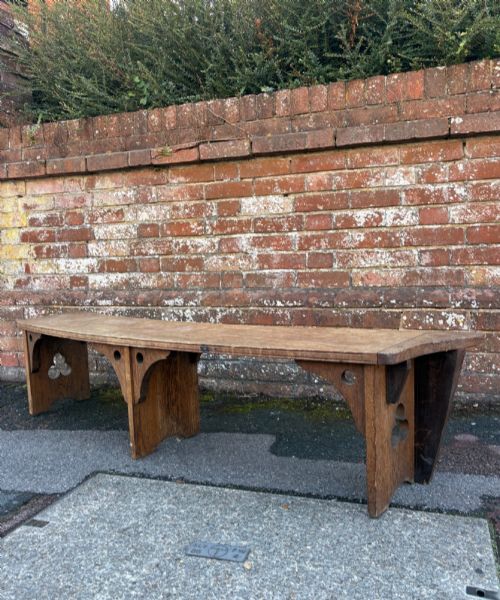
The material itself defines much of the character, utilising rich brown oak timber across periods stretching from the seventeenth century through the Victorian era and into the early twentieth century. Many examples incorporate hinged seats forming box settles, or feature carved panels and trefoil supports reflecting Georgian vernacular, Gothic Revival, and Jacobean styles.
How they were made
Construction relies primarily on solid oak timbers, often joined using traditional pegged mortise and tenon joints to withstand heavy daily use in busy hallways. Secondary materials such as rush for seating, brass for hardware, and occasional leather or fabric elements appear alongside iron fixings.
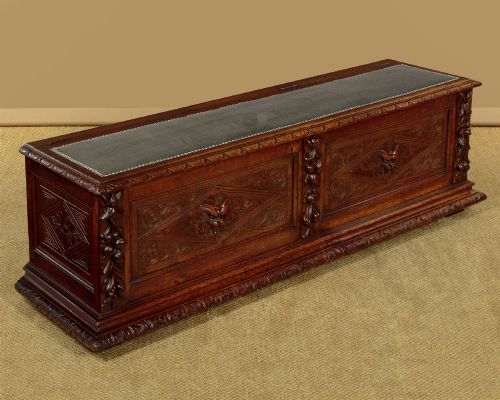
Carving and panel construction dominate the surface decoration, utilising chip carving, linenfold, or geometric panels. Box settles integrate timber lids on butt hinges or snipe hinges to create enclosed storage compartments beneath the seat.
Listings feature oak alongside auxiliary materials including rush, brass, leather, and iron across multiple centuries of production.
What varies in quality
The depth of carving and the crispness of architectural details set finer examples apart from utilitarian workshop pieces, particularly in Gothic Revival and Arts and Crafts iterations. Timber selection also dictates grade, where rich, dense brown oak with pronounced medullary rays indicates superior log selection compared to plain utility boards.
Structural integrity depends on the retention of original framing and timber thickness, particularly around box settle bases and leg joints where wear concentrates over generations. The presence of integrated box storage, original ironwork, and untouched patination distinguishes exceptional vernacular survivals.
GIllows·Liberty·James Shoolbred & Co
The Brown Oak Hall Bench Glossary
- Settle
- A wooden bench with a high back, solid arms, and frequently a box seat compartment underneath. This form kept draughts away from the sitter in older entrance halls.
- Box settle
- A variation featuring a hinged seat opening to a storage chest. These pieces doubled as seating and linen or boot storage.
- Medullary rays
- Flakes or ribbons visible in quartersawn oak timber. This figure is a mark of quality timber preparation.
- Vernacular
- Furniture built by local tradesmen using regional traditions rather than following courtly metropolitan designs. These pieces display practical local adaptations.
Brown Oak Hall Bench: Frequently Asked Questions
How do I care for oak hall benches?
Maintain the timber by applying a neutral beeswax periodically to nourish the grain and protect the surface from dry atmospheric conditions. Avoid placing the bench near direct heat sources or in strong sunlight.
Dust regularly with a soft dry cloth. Clean spills immediately to prevent water marks from forming on the polished wood.
Where should I place a hall bench?
Position your bench in an entrance hall, boot room, or wide corridor where it provides practical seating for putting on shoes. Ensure there is adequate clearance for any hinged box seat lids to open fully.
They also function effectively in large living spaces or dining rooms as alternative seating. Keep them clear of damp exterior walls to protect the antique timber.
How do I identify the period of an oak bench?
Examine the construction methods, tool marks, and hardware used in the frame. Early pieces from the seventeenth century often show hand-riven timber and pegged joinery.
Later Victorian and Arts and Crafts examples display machine-sawn components alongside revivalist decorative motifs like trefoils or carved panels. Compare the overall proportions and style against documented regional furniture types.