


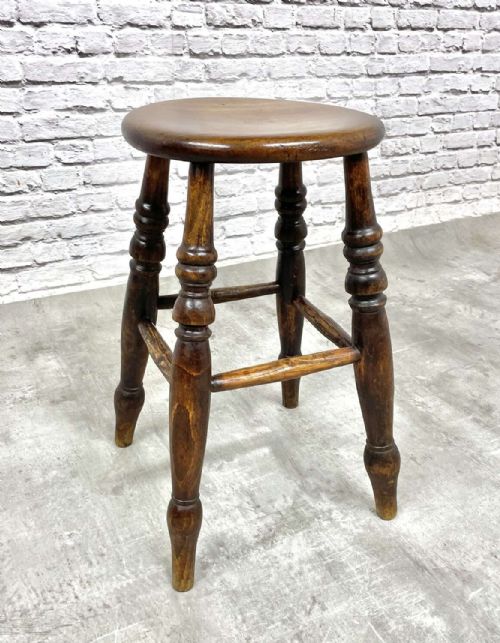

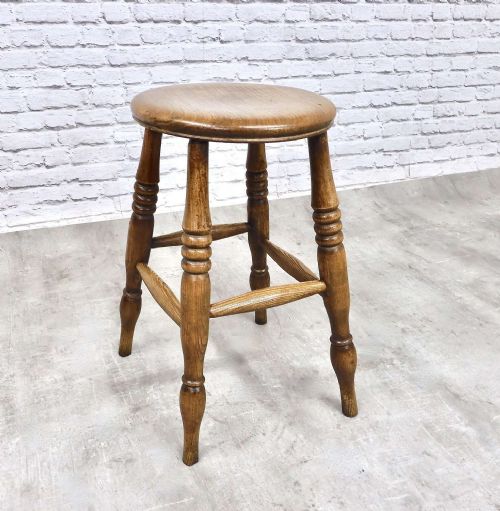

Oak Pub Stool
An oak pub stool brings honest domestic utility and sturdy timber grain straight into a modern interior.
Oak Pub Stool
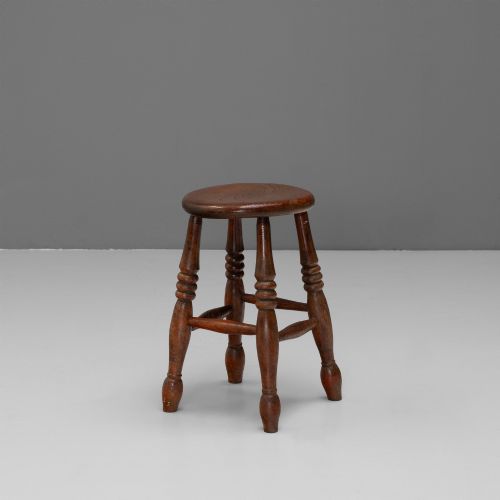
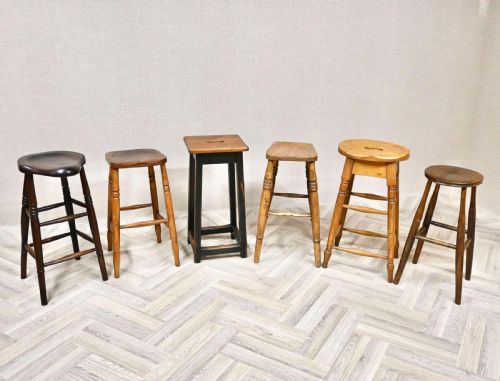
An oak pub stool sits firmly within the tradition of robust tavern and alehouse seating designed for daily public use. When you search for an oak pub stool, you encounter pieces spanning the nineteenth century through the Edwardian period, often featuring simple wooden forms built to endure heavy handling.
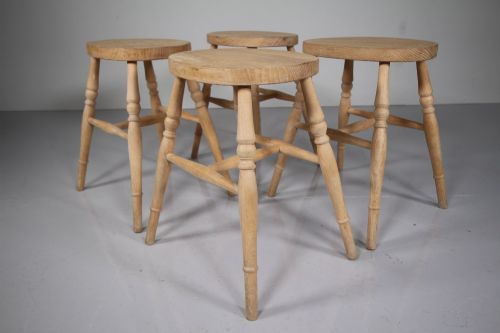
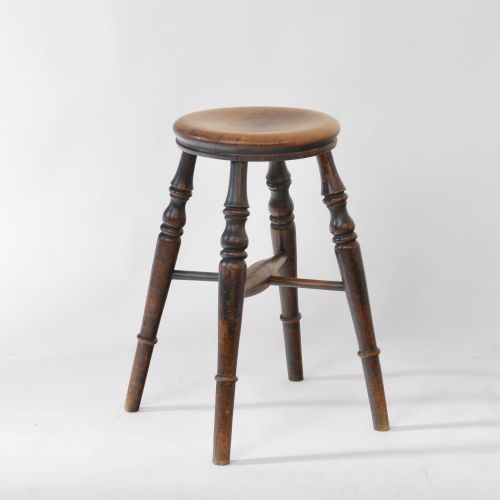
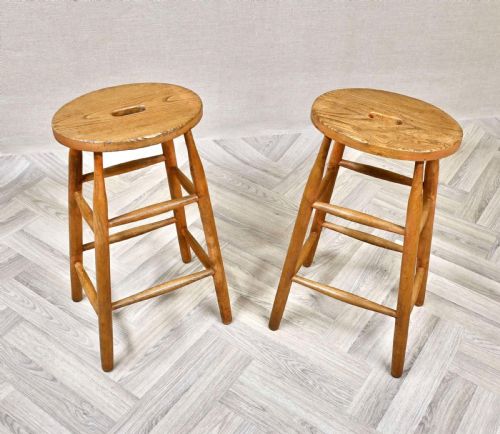
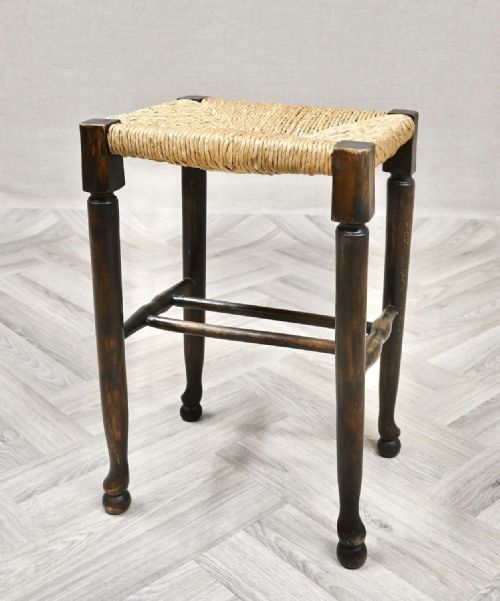
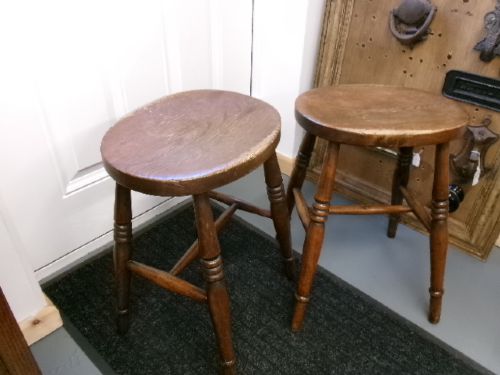
Most examples rely on solid timber construction, employing woods like oak alongside elm, beech, and sycamore for tops and supports. The forms vary from round or oval dished tops to rush seats and Windsor-style bracing, reflecting the practical needs of nineteenth-century establishments.
Materials and construction
Makers built these stools using durable domestic hardwoods, selecting solid oak for frames alongside elm, ash, and sycamore for shaped seats. Carpenters often turned beech for legs and stretchers to provide rigid structural support under constant use.
Techniques relied on traditional joinery, securing turned legs directly into thick wooden tops or incorporating Windsor bracing for added stability. Seats were frequently hollowed into an oval dished form to offer simple comfort without upholstery.
Listings feature pieces spanning the nineteenth century, Victorian period, 1890, Edwardian era, 1900, and 1930.
Assessing quality and character
The distinction between standard utility seating and finer examples lies in the selection of timber and the depth of the dished seat. Pieces with well-figured oak grain and balanced proportions demonstrate superior country craftsmanship.
Original surface patination and honest signs of tavern use elevate a piece above later replacements. The integrity of the joined legs and stretchers determines the overall strength and enduring utility of the stool.
The Oak Pub Stool Glossary
- Dished top
- A wooden seat scooped out into a shallow concave shape to fit the sitter. This traditional technique provides simple ergonomic comfort on hard timber stools.
- Windsor stool
- A seat construction where turned legs and spindles fit directly into a thick solid wooden seat. It offers exceptional structural rigidity through wedged tenon joints.
- Rush seat
- A seating surface woven from dried marsh rushes or sedges over a wooden frame. This tactile method appears on traditional country stools and chairs.
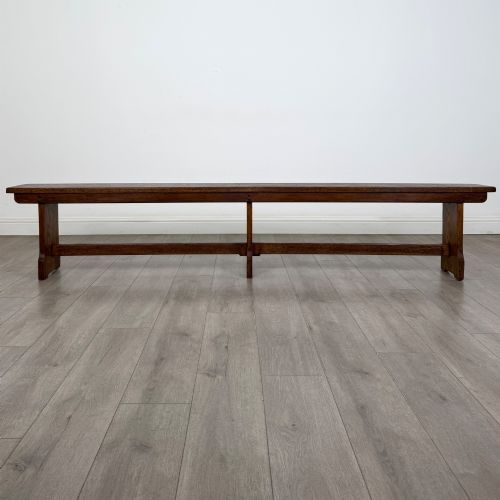
- Tavern bench
- A long timber seating form designed for public houses and alehouses. These pieces share the sturdy construction and utilitarian aesthetic of matching pub stools.
Oak Pub Stool: Frequently Asked Questions
How were these stools used historically?
These pieces served patrons in inns, taverns, and alehouses, as well as workers in mills and offices requiring elevated seating. Their sturdy builds allowed them to withstand heavy daily use in busy public spaces.
Shorter variants functioned around farmhouse tables, while tall bar stools and tavern chairs accommodated drinkers at counters or high work surfaces.
How do I style a pub stool at home?
An antique pub stool works well as an occasional seat, a bedside table, or extra seating around a kitchen island. The rich grain of nineteenth-century oak and elm adds warmth to modern and traditional rooms alike.
Pairing a single tall bar stool or a matched set brings tactile history and functional utility into contemporary living spaces without cluttering the floor plan.
How can I tell nineteenth-century stools apart?
Distinguishing nineteenth-century pieces involves examining the tool marks, timber shrinkage, and wear patterns on the seat and legs. Variations range from simple round tops to oval dished forms and Windsor-braced frames.
Stylistic cues such as Victorian country vernacular or Edwardian proportions help place pieces within their specific manufacturing periods.