


Antique Country Bar Stools
Antique country bar stools bring rustic character to modern interiors, offering sturdy timber seats shaped by decades of traditional use in pubs and farmhouses.
Antique Country Bar Stools
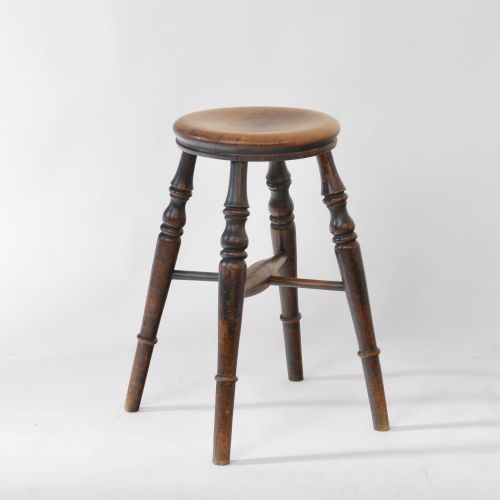
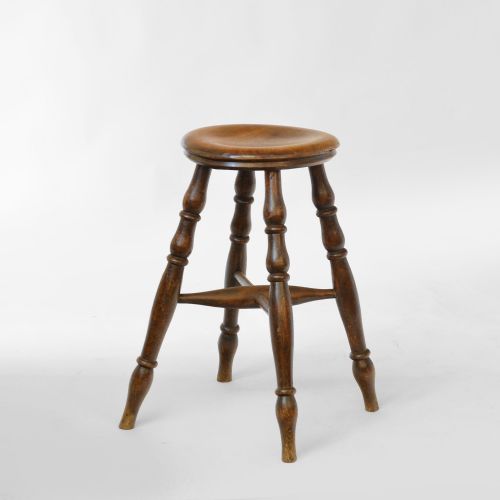
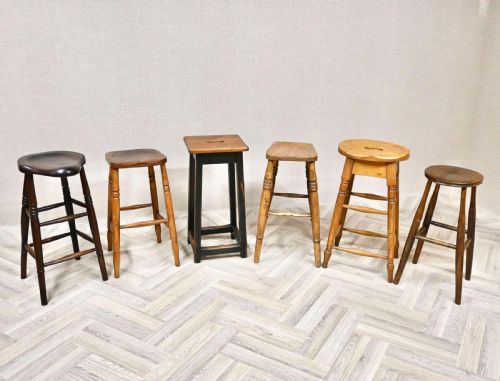
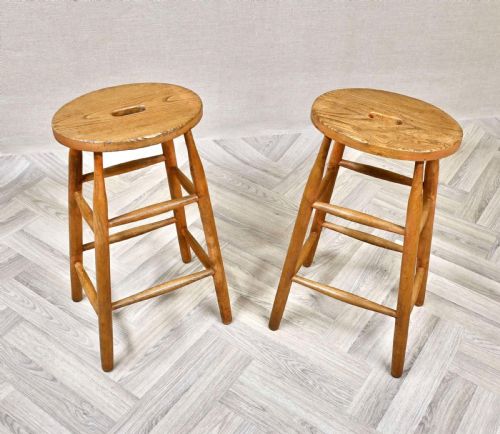
When you search for antique country bar stools, you find tall seating designed for utilitarian settings like taverns, pubs, and farmhouses. These pieces predominantly date from the nineteenth century, reflecting practical domestic and commercial needs of the period.
The style spans Victorian vernacular, rustic farmhouse, and English country traditions. These seating items combine functional height with honest, unpretentious construction methods developed by regional makers.
How they were made
Maker construction relies heavily on solid native hardwoods and softwoods such as elm, oak, beech, pine, and sycamore. Woodworkers selected these timbers for durability and availability in local workshops.
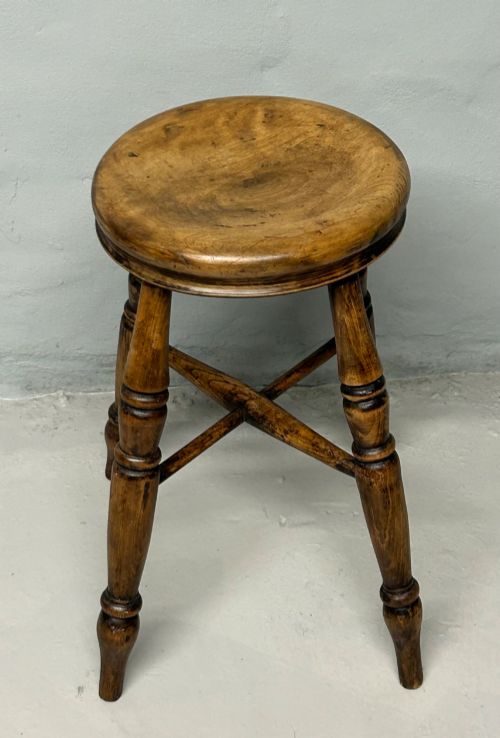
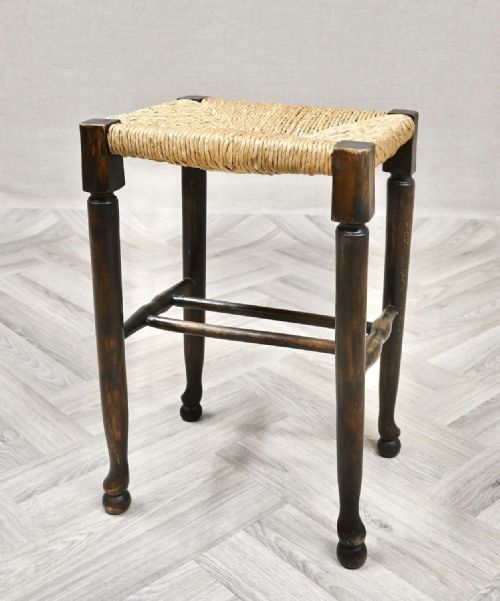
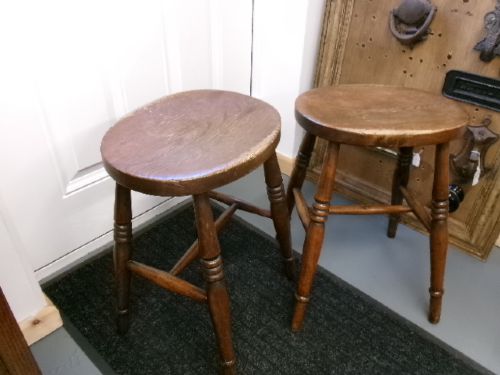
Techniques centre on traditional joinery, including turned legs fitted into solid seats and rush seating methods. Makers shaped timber using drawknives and lathes to create oval dished tops and stable underframes.
Listings feature nineteenth-century pieces alongside items from the 1930s and 1940s, constructed predominantly from elm, beech, and sycamore.
What varies in quality
Quality rests on the selection of timber and the integrity of the original construction. Pieces fashioned from solid wild elm or sycamore with deep dished tops represent the higher end of regional craftsmanship.
The degree of wear and the preservation of original turned supports dictate the character and desirability of each piece. Retaining the authentic surface patina and honest structural joins separates superior examples from lesser utilitarian output.
The Antique Country Bar Stools Glossary
- Vernacular
- Everyday objects made by local tradesmen rather than academic designers. This term describes items shaped by regional tradition and immediate utility.
- Dished top
- A wooden seat hollowed into a shallow concave shape for comfort. This surface shaping involves careful adzing or turning.
- Rush seat
- Seating woven from dried marsh grasses twisted into cords. This technique provides a resilient and pliable surface on wooden frames.
- Turned
- Shaped on a lathe by rotating timber against a cutting tool. This method produces cylindrical legs and stretchers with symmetrical profiles.
Antique Country Bar Stools: Frequently Asked Questions
What are antique country bar stools?
These pieces are tall, utilitarian wooden seats originally built for nineteenth-century taverns, pubs, and farmhouses. They combine practical height with traditional regional joinery.
Craftsmen utilised native timbers like elm, beech, and sycamore to create sturdy seating designed to withstand heavy daily use in commercial and domestic environments.
How were bar stools used historically?
Historical use centred on commercial hospitality and workspace tasks where elevated seating was necessary. Pub patrons and tavern keepers relied on them for seating at counters.
They also served practical functions in farmhouses and workshops, providing stable, tall platforms for workers and residents alike.
How do I live with them?
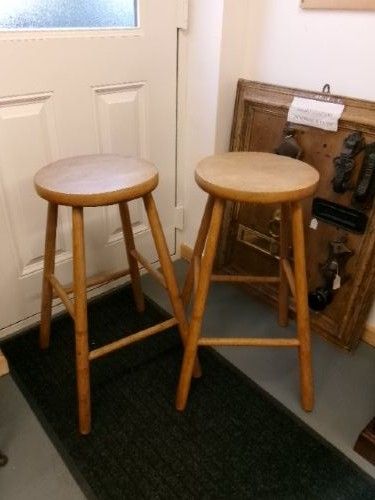
Integrating these pieces into contemporary spaces works well around kitchen islands and breakfast bars. Their compact footprints and rustic presence anchor modern rooms.
Maintenance involves basic timber care and avoiding excessive moisture. Allowing the natural patina to remain preserves their historical character.
How do I tell periods apart?
Dating relies on observing timber selection, tool marks, and construction styles. Nineteenth-century examples often display hand-turned components and heavy elm or sycamore seats.
Later twentieth-century pieces generally show more standardised machining and different finish characteristics while maintaining traditional country forms.