


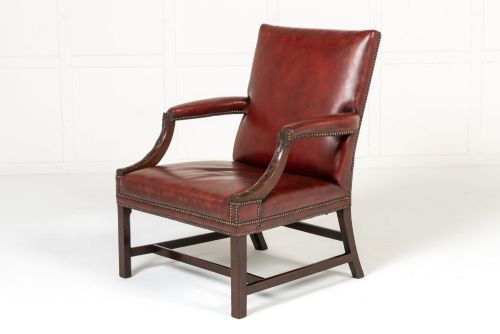
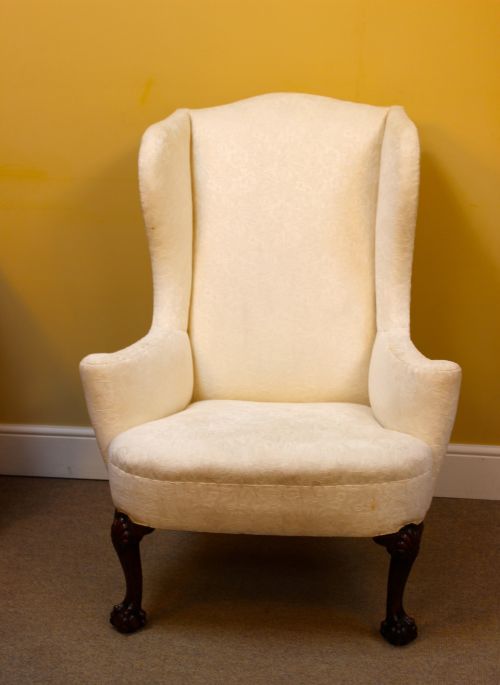
High Seated Armchair
These high seated armchair selections offer elevated proportions and supportive frames spanning centuries of craftsmanship.
High Seated Armchair
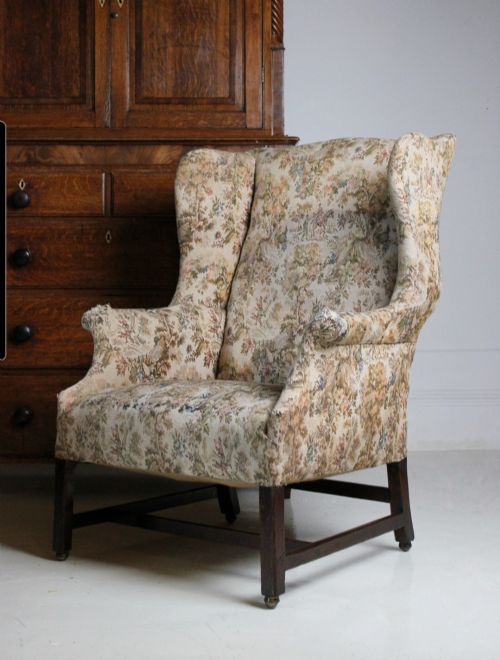
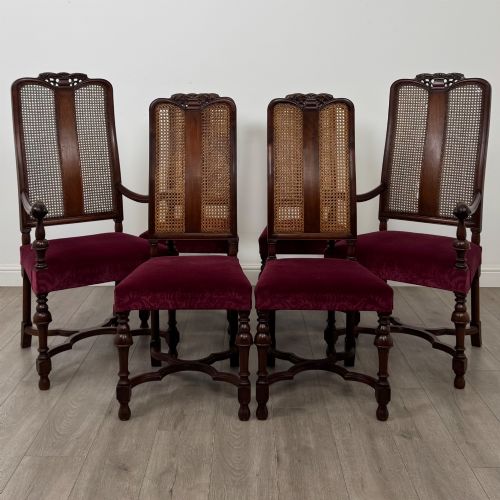
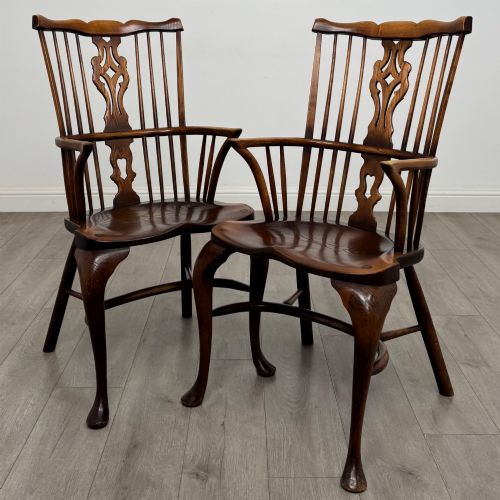
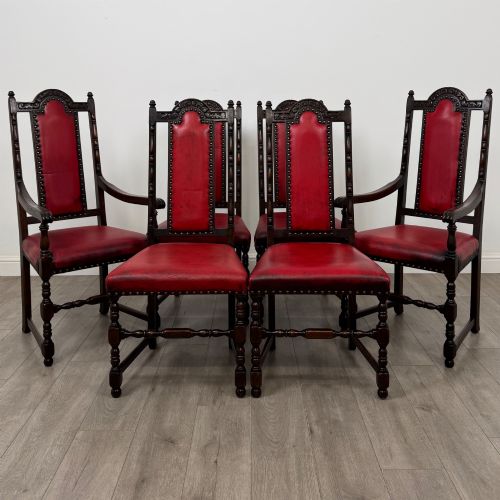
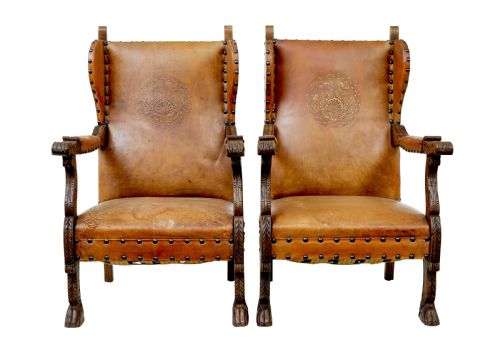
A high seated armchair provides an elevated seating position designed for comfort, reading, or fireside use. When searching for a high seated armchair, you encounter diverse forms ranging from traditional Windsor chairs to substantial wingbacks and library seating.
The selection includes pieces originating from the eighteenth, nineteenth, and early twentieth centuries. You will frequently find vernacular Windsor designs in elm and yew alongside upholstered mahogany and walnut armchairs reflecting formal periods.
Materials and construction
Carpenters and cabinetmakers utilised solid timbers such as mahogany, walnut, oak, elm, and yew to build robust frames. Turned spindles, carved details, and pegged joints give structural integrity to wooden frameworks.
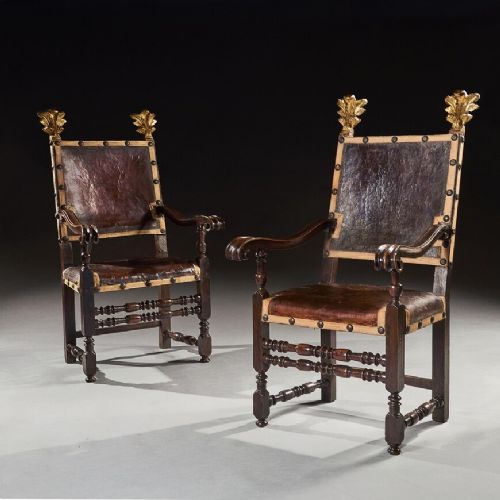
Upholstered variants incorporate leather, velvet, fabric, and horsehair stuffing held by traditional webbing and springs. Leather is frequently embossed or plain, while wooden surfaces display natural grain and polished finishes.
Object types include Windsor chairs, wingbacks, Gainsborough chairs, and metamorphic child high chairs.
Judging the standard of workmanship
Quality rests upon the crispness of hand-carving and the selection of timber. Dense grain in walnut and mahogany indicates superior selection by the maker.
Structural rigidity and the preservation of original timber components distinguish better examples from heavily restored or replaced elements.
Liberty Morris And Co
The High Seated Armchair Glossary
- Windsor chair
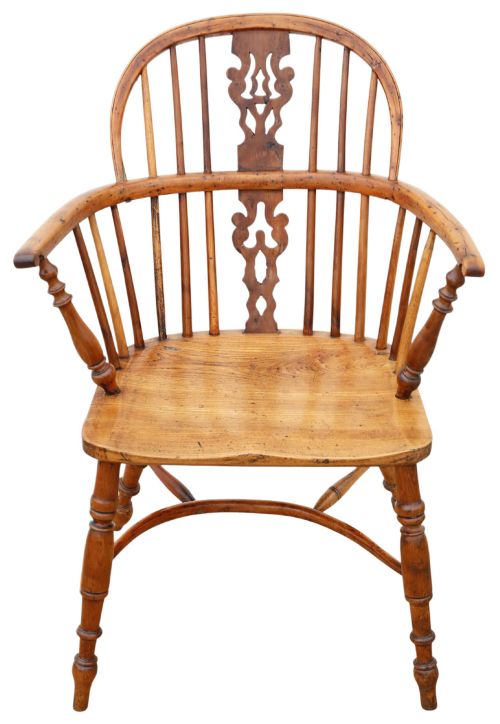
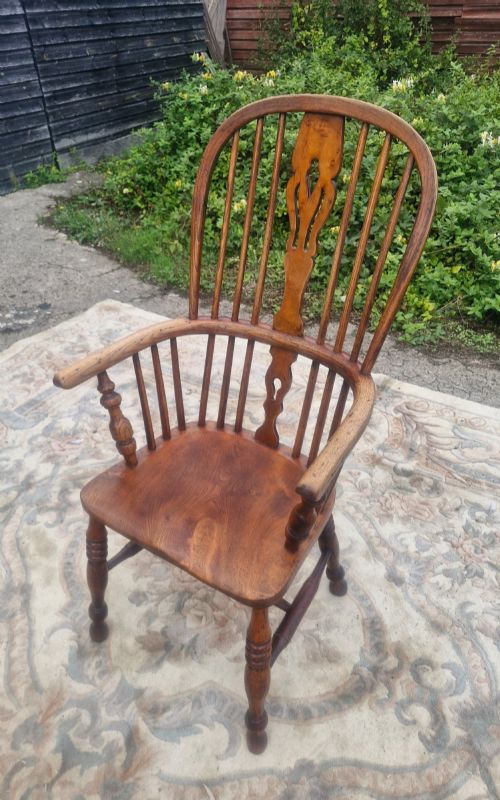
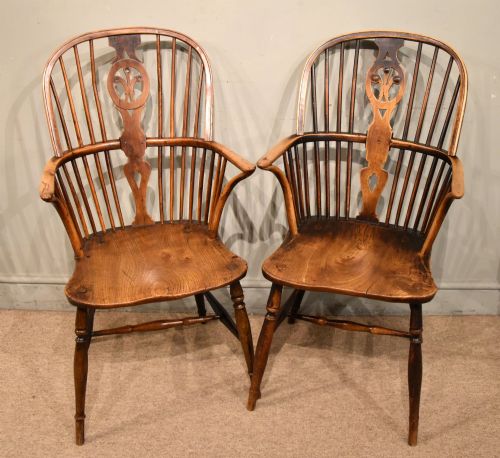
- A wooden chair constructed with a solid elm or hardwood seat into which the legs and back spindles are wedged directly. These regional forms often feature high backs and comb pieces.
- Wingback armchair
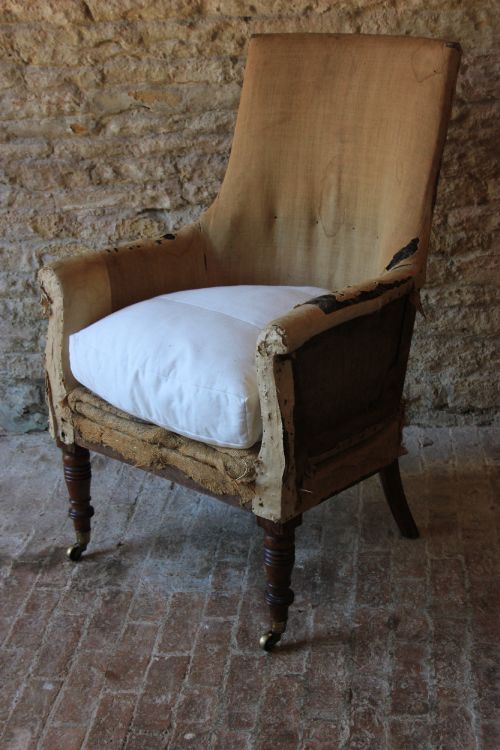
- An upholstered seat featuring projecting side panels designed to shield the occupant from draughts. Eighteenth and nineteenth-century examples often display generous proportions and cabriole legs.
- Carver elbow-chair
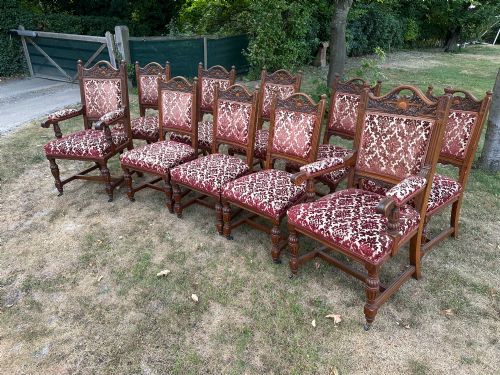
- An armchair designed to match a set of dining chairs, typically positioned at the head of a table. These pieces share stylistic traits with the smaller chairs surrounding them.
- Gainsborough chair
- A type of open-arm desk or parlour chair with upholstered back and seat, emerging during the eighteenth century in mahogany. They stand on square or cabriole legs.
- Parcel-gilt
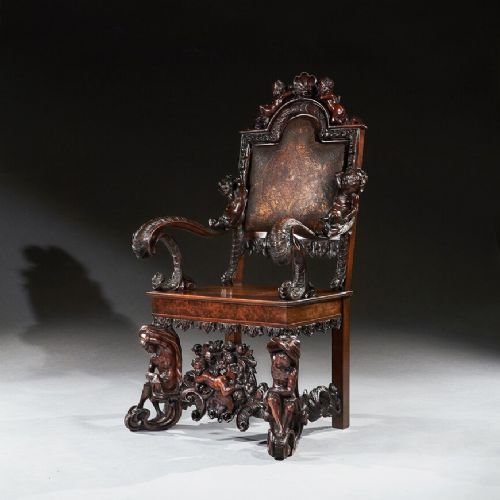
- A decorative technique applying thin gold leaf selectively to specific carved elements on a wooden frame. This finish highlights particular architectural details against a darker wood ground.
High Seated Armchair: Frequently Asked Questions
What is a high seated armchair used for?
These chairs provide an elevated seating position that assists individuals in sitting down and standing up with greater ease. They were traditionally placed beside fireplaces or used at desks and reading tables.
The taller stature also offered protection from cold draughts in older buildings, particularly when combined with wingback designs.
How do I identify a Windsor armchair?
A Windsor chair is characterised by a solid wooden seat where the legs and back spindles are tenoned directly into the slab. They frequently utilise elm for the seat and yew or ash for the bentwood bows and spindles.
Unlike upholstered seating, the wooden construction exposes the natural grain and traditional joining methods.
What woods were used for these chairs?
Cabinetmakers and vernacular chairmakers utilised timbers available locally or imported for luxury commissions. Mahogany and walnut appear on formal nineteenth-century library and wing chairs.
Elm, yew, oak, and blackwood are found on vernacular Windsors and regional seating forms across the periods.
How do I care for antique leather upholstery?
Antique leather requires gentle cleaning with appropriate conditioning products to maintain suppleness and prevent cracking. Avoid placing leather chairs in direct sunlight or near heat sources.
Regular dusting with a soft, dry cloth preserves the finish and natural patina developed over decades.