



Carved Mahogany High Chair
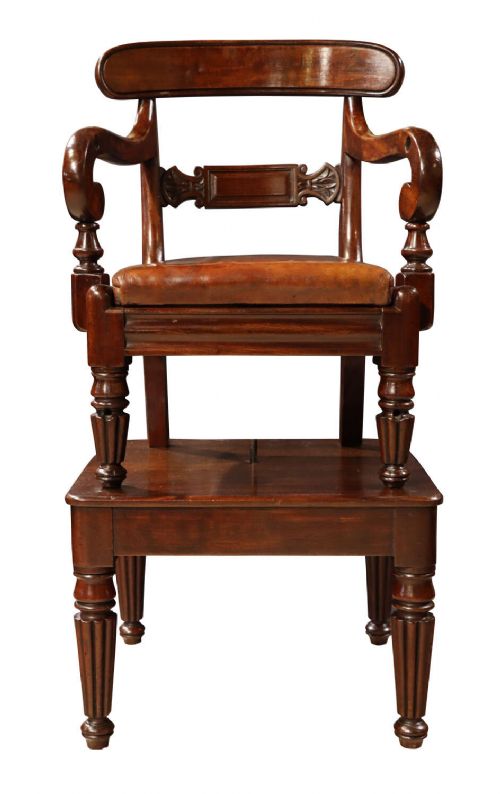
Carved mahogany high chair examples are elevated seating designed for children, combining dense tropical timber with ornamental hand-carved detail across Victorian and 19th century periods.
Carved Mahogany High Chair
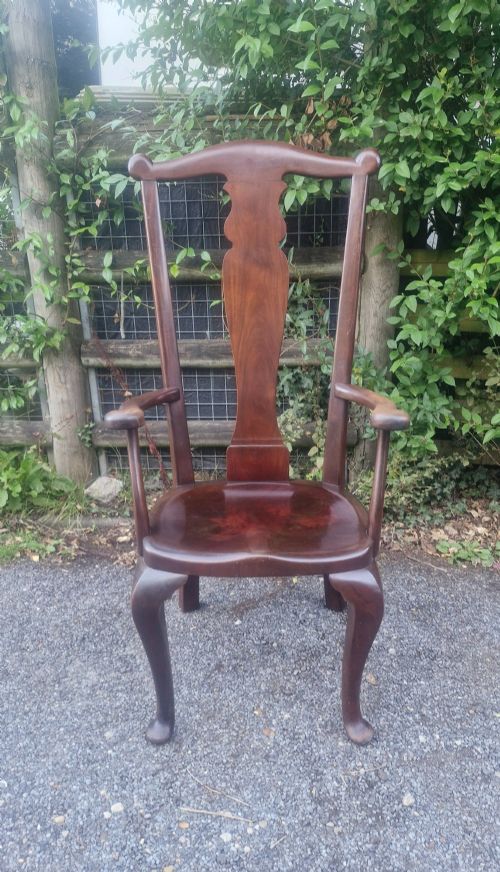
A carved mahogany high chair brings the rich grain and deep colour of solid wood into juvenile seating, drawing on Georgian, Regency, William IV, and Victorian design traditions. Buyers encountering these pieces will find forms ranging from metamorphic nursery furniture that converts into low play chairs to caned tub highchairs and upholstered seating.
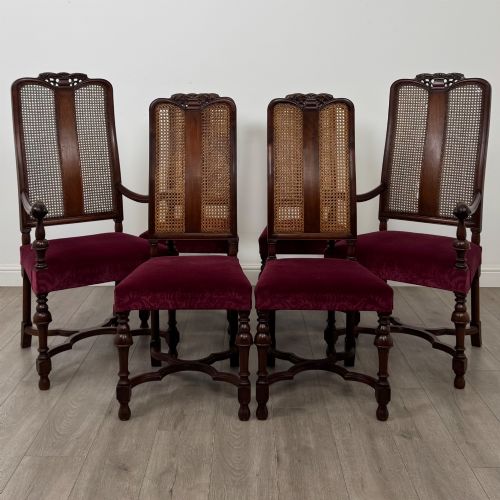
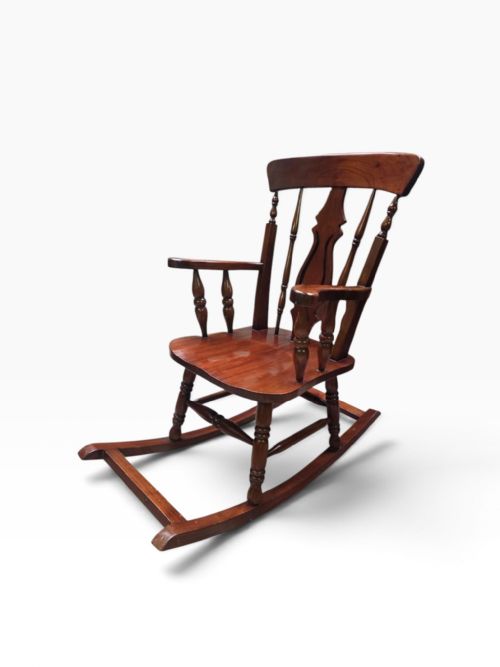
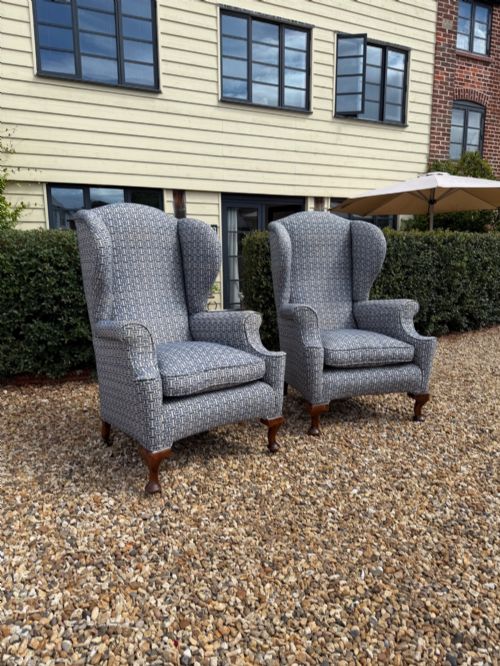
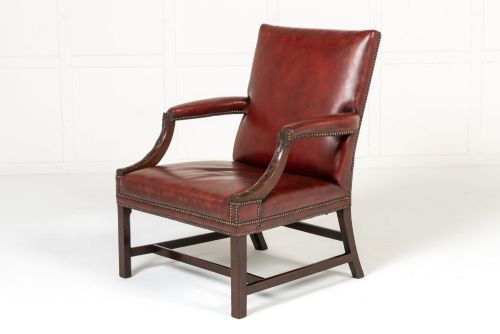
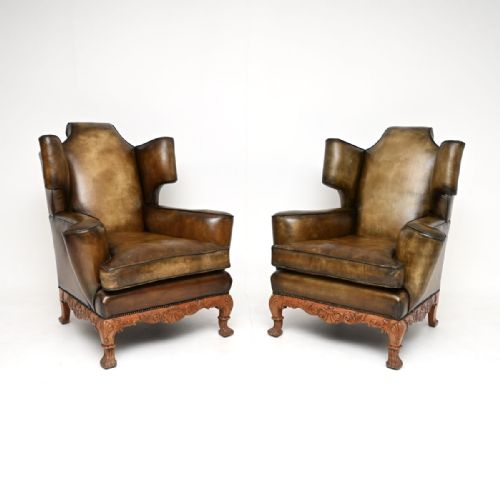
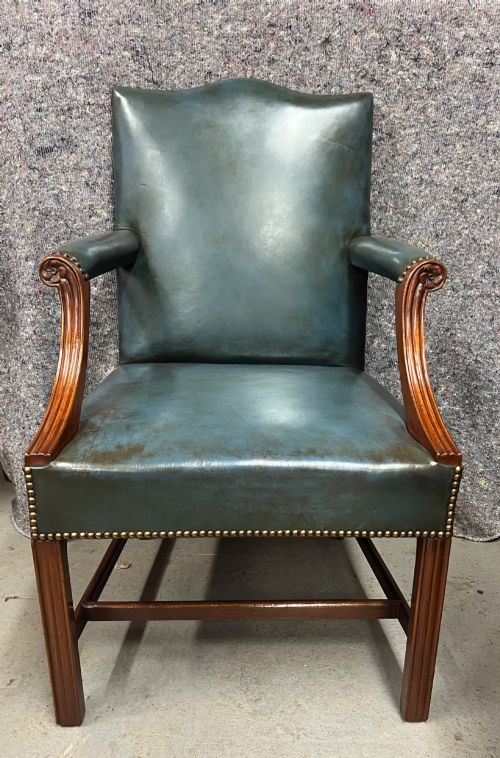
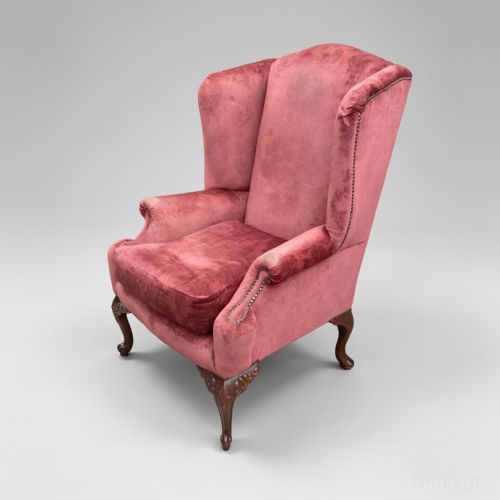
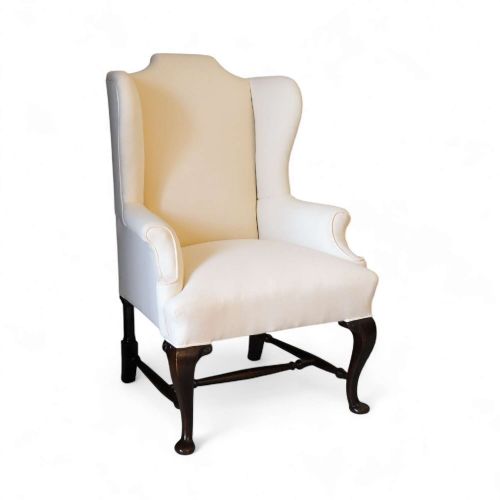
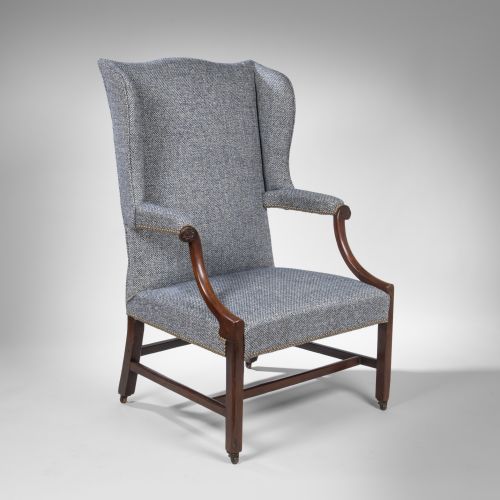
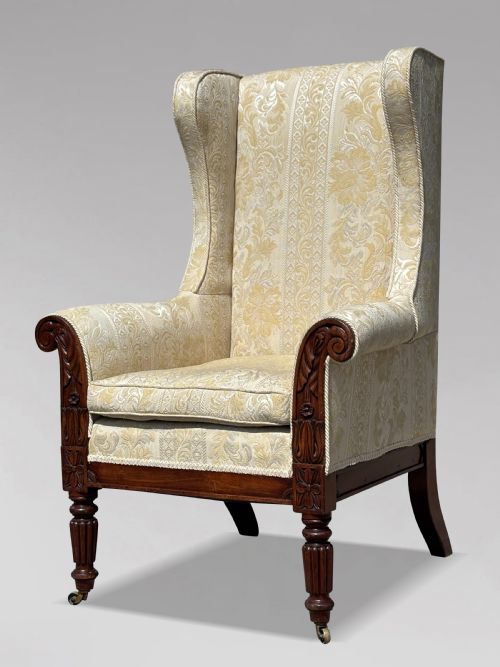
The historical record on this page spans periods from the 18th century through the Georgian and Victorian eras up to Edwardian and 20th century revivals. Alongside dedicated high chairs, the broader seating context includes library chairs, Gainsborough chairs, wing armchairs, and rocking chairs which share similar stylistic motifs.
Materials and construction methods
Constructed primarily from solid mahogany, these chairs rely on the timber's inherent density and stability to support intricate hand-carved details such as scrollwork, armorial motifs, and cabriole legs. Woodworking joints like mortise and tenon ensure structural rigidity for items subjected to juvenile use.
Upholstery elements integrate traditional textiles including leather, velvet, fabric, damask, and calico, often paired with cane panels or brass hardware. Frames frequently feature subtle inlay work or polished finishes that highlight the natural figure of the mahogany.
Listings feature mahogany, cane, leather, and velvet across 19th century, Victorian, and Edwardian periods.
Assessing quality in carved high chairs
Quality rests on the crispness and depth of the hand carving, where sharper chisel work and balanced symmetry distinguish master joinery from routine production. The choice of mahogany stock dictates the visual warmth of the piece, with tightly grained heartwood offering superior ageing compared to lesser timber.
Structural integrity depends on the original joinery remaining tight and unaltered through generations of use. Secondary elements such as period cane work, brass fixings, and traditional upholstery foundations further elevate a piece above standard examples.
Howard And Sons
The Carved Mahogany High Chair Glossary
- Mahogany
- A durable tropical hardwood prized for its reddish-brown colour, fine grain, and ability to hold crisp hand-carved details.
- Metamorphic
- A functional design that allows a piece of furniture to transform from a high chair into a low chair and table combination.
- Caned
- A seating technique utilising woven rattan or cane panels stretched across a wooden frame to create a lightweight, breathable backrest or seat.
- Chippendale Style
- An 18th-century English design aesthetic characterised by ornate carving, cabriole legs, and ball-and-claw feet.
- Wing Back
- An upholstered armchair featuring protective side panels designed to shield the occupant from draughts.
Carved Mahogany High Chair: Frequently Asked Questions
What is a metamorphic high chair?
A metamorphic high chair is a clever piece of nursery furniture engineered to convert into a low play table and chair combination. This dual-purpose design allowed Victorian households to extend the utility of the item as the child grew.
Such pieces rely on hinges, pivots, or sliding mechanisms built directly into the mahogany frame. Examining the hardware helps confirm whether the conversion system is period-correct.
How do I identify a Victorian high chair?
Victorian high chairs typically display heavier proportions, darker polished mahogany, and robust turned or carved supports. Stylistic influences from Gothic Revival, William IV, or Rococo revivals often appear on the backrest.
Makers of this era favoured substantial timber framing combined with cane inserts or leather upholstery. The joinery methods and patination of the wood provide strong clues to this mid-to-late 19th-century origin.
Were these chairs meant for everyday use?
Historical high chairs were produced as practical nursery items for affluent families, built to withstand daily childhood routines. The robust nature of solid mahogany ensured they could endure active use without losing structural stability.
Today, collectors tend to treat them as decorative display items rather than functional seating for young children. Their diminutive scale and intricate carving make them focal points in period interiors.
How should I care for antique mahogany?
Antique mahogany requires a stable indoor environment away from direct sunlight and extreme humidity fluctuations to prevent timber movement. Regular dusting with a soft, dry cloth preserves the polished finish and natural wax patination.
Avoid modern silicone polishes, which can penetrate porous historic finishes and attract dust. Occasional applications of high-grade beeswax help nourish the dry wood grain over time.