





Primitive Country Seating
Primitive country seating offers honest domestic history through unpretentious stools, benches and armchairs shaped by local makers for everyday use.
Primitive Country Seating
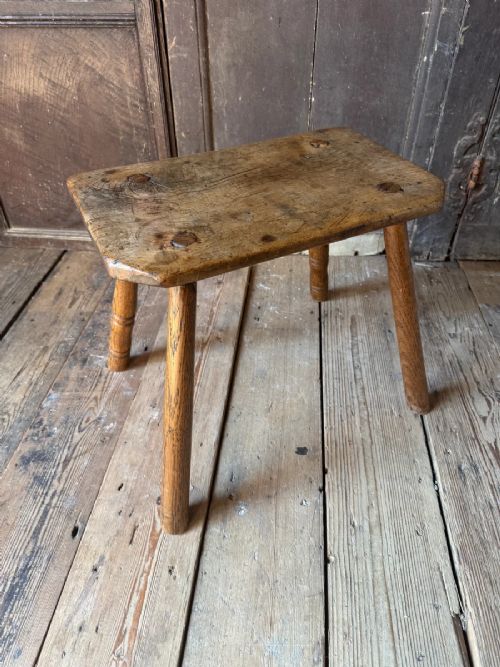
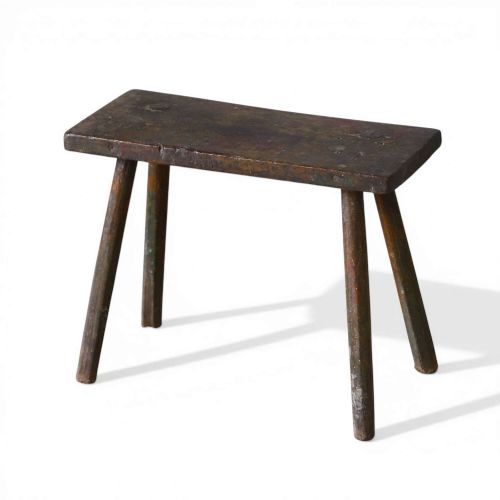
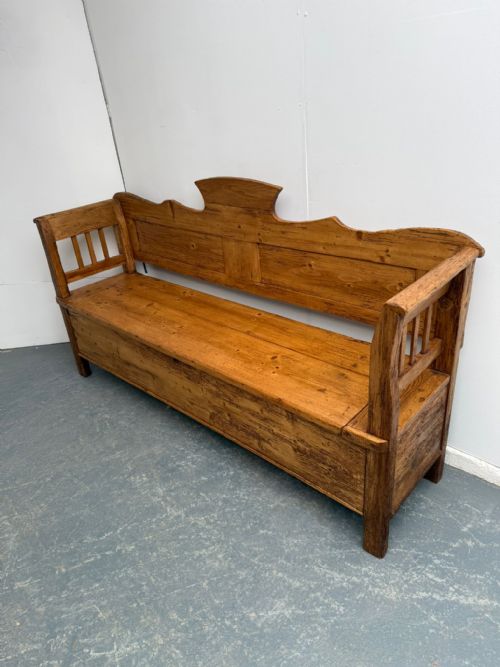
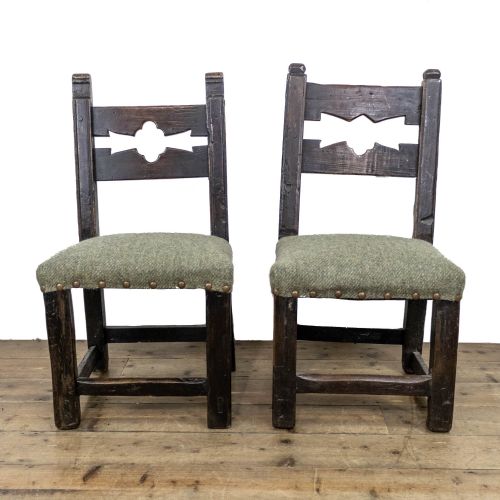
Primitive country seating comprises unpretentious domestic furniture designed for utility rather than formal display. Pieces span centuries from the early eighteenth period through to the Edwardian era, taking the form of stools, benches, settle chairs and armchairs.
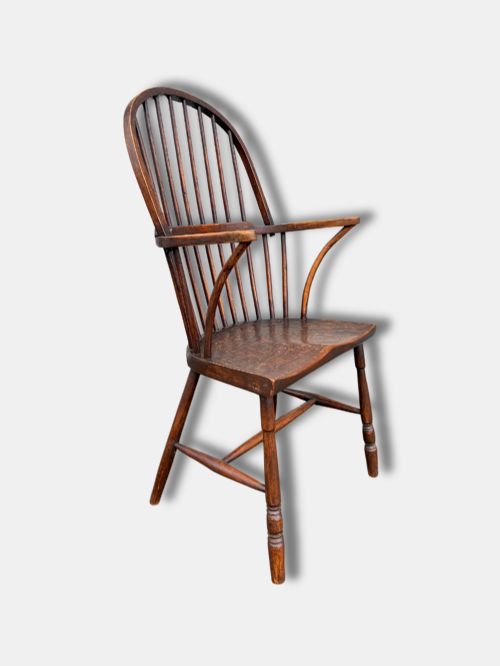
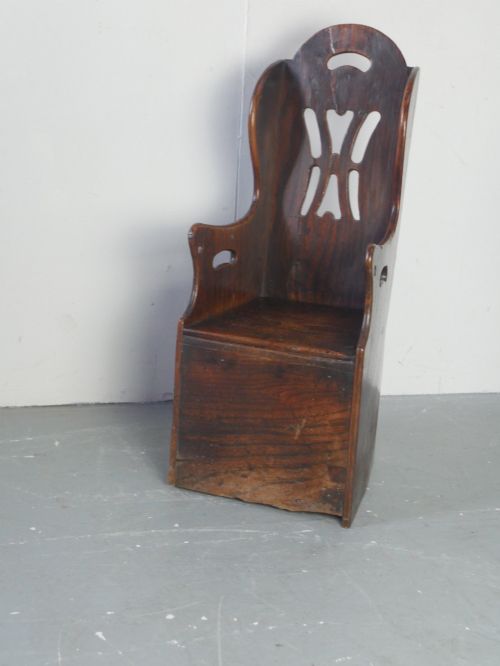
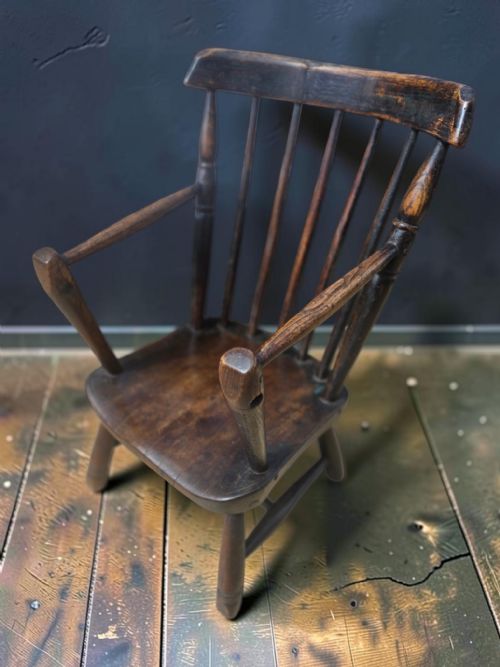
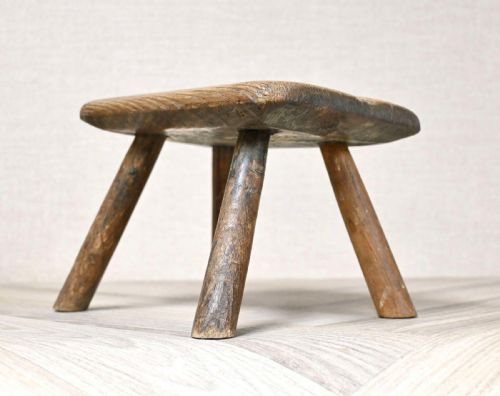
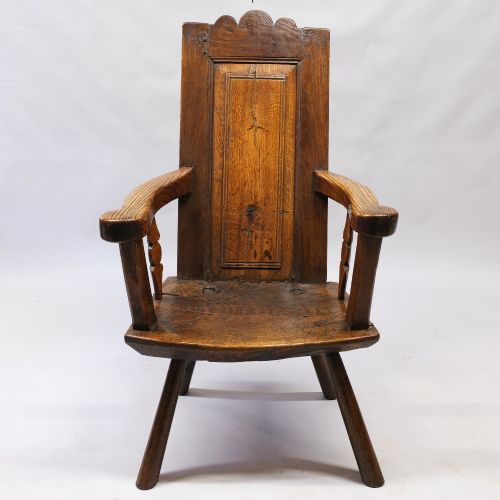
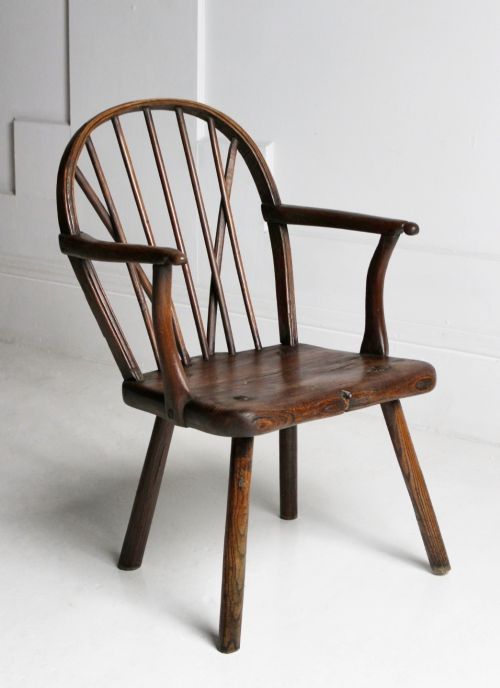
Armchairs and stick-back chairs dominate the selection, often built with low profiles and simple profiles suited to cottage life. Childrens chairs and high chairs also appear frequently, alongside working forms like milking stools and cutlers stools.
Origins stretch across English, Welsh, Scandinavian and Eastern European vernacular traditions. Each regional style reflects the materials and seating needs peculiar to its rural community.
Materials and Construction
Carpenters utilised local hardwoods like oak, elm, ash, yew and fruitwood alongside softwood pine and sycamore. Construction methods relied on straightforward stick-back and Windsor techniques, slotting spindles directly into sculpted solid timber seats.
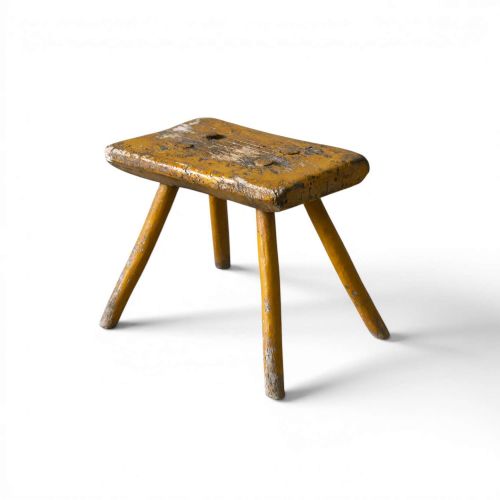
Surfaces frequently show original coatings of paint, ochre, green or wax, preserving the weathering of decades. Natural forms and dug-out construction appear where makers hollowed out single blocks of wood for seats.
Primitive Country Seating Retail Price Guide 2026
Typical asking prices for primitive country seating among the pieces listed under this phrase on Sellingantiques today, from the lower quarter to the upper quarter. They describe what is for sale here now, not the wider market.
A milkmaid sitting on an ochre milking stool probably cared little that a future collector would prize her seat as folk art.
Assessing Quality and Character
Quality rests in the sculptural integrity of the carved seat and the balance of the spindle work. Pieces displaying robust original joinery and retained surface coatings hold greater visual weight.
Unusual proportions and scarce regional forms elevate specific examples above standard utility pieces. Honest wear from generations of use enhances the rustic charm without compromising structural honesty.
The Primitive Country Seating Glossary
- Stick Back
- A chair construction method where turned spindles or plain sticks are tenoned directly into a solid wooden seat.
- Settle
- A high-backed wooden bench with solid arms and a closed base designed to block draughts in domestic interiors.
- Comb Back
- A chair design featuring a low back topped by a horizontal headrest piece resembling the teeth of a comb.
- Windsor
- A chair built with a solid wooden seat into which the legs and back sticks are independently inserted.
- Scumble
- A decorative paint technique used to imitate the grain of more expensive timber on simpler pine surfaces.
Primitive Country Seating: Frequently Asked Questions
How do I date a primitive chair?
Dating relies on observing construction marks, tool usage and the gradual evolution of seat sculpting styles over the centuries. Examination of the timber species and joint wear also clarifies the period of origin.
Earlier eighteenth-century examples often display simpler hand- adzed surfaces and deeper patination compared to later nineteenth-century vernacular pieces.
What is a stick-back armchair?
A stick-back armchair is a seating form where slender turned or cleft wooden rods form the back support. These rods fit straight into holes bored through a thick plank seat.
This method allowed rural carpenters to build sturdy chairs quickly using green wood that tightened as it dried.
Where were these chairs made?
These pieces originate from rural workshops across Britain, Scandinavia and Eastern European regions. Local craftsmen utilised whatever native hardwoods grew nearby.
Welsh vernacular styles differ recognisably from English county designs or Swedish dug-out forms due to local timber availability.
How should I care for original paint?
Original paint finishes require minimal intervention and protection from direct sunlight and excessive humidity. Gentle dusting with a dry cloth preserves the fragile pigment layers.
Avoid chemical cleaning agents or modern polishes that can strip away historic ochre and green surface treatments.