

Traditional Hoop Back Chair
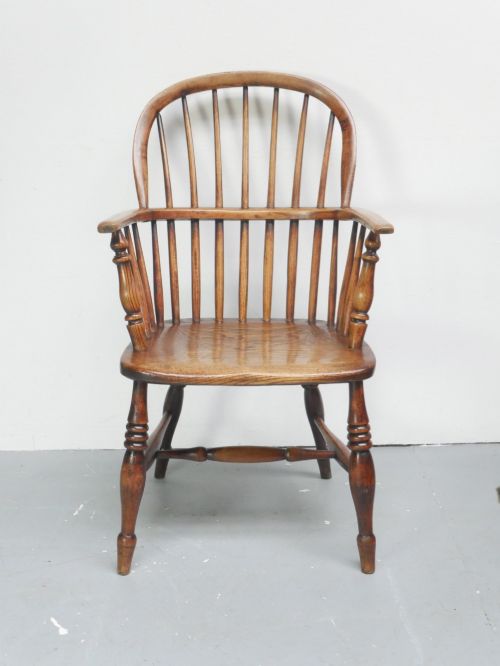
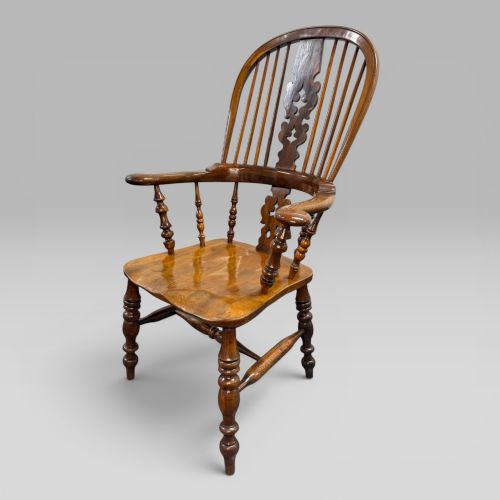
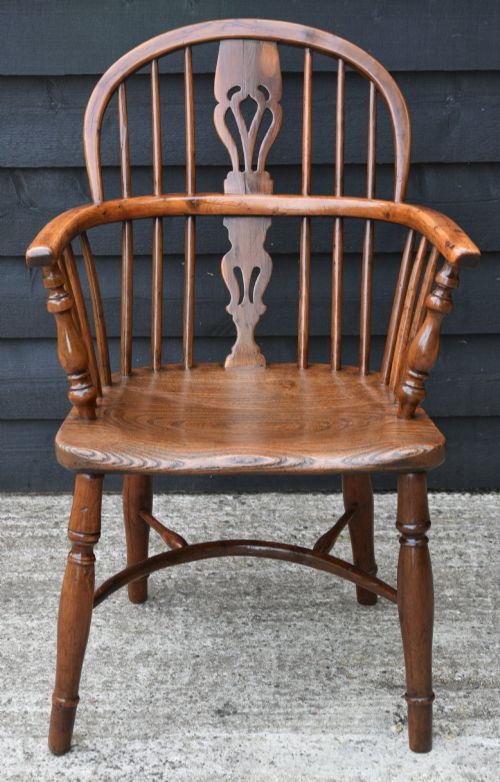
A traditional hoop back chair brings organic timber grain and structural integrity into a room, offering both robust seating and vernacular charm.
Traditional Hoop Back Chair
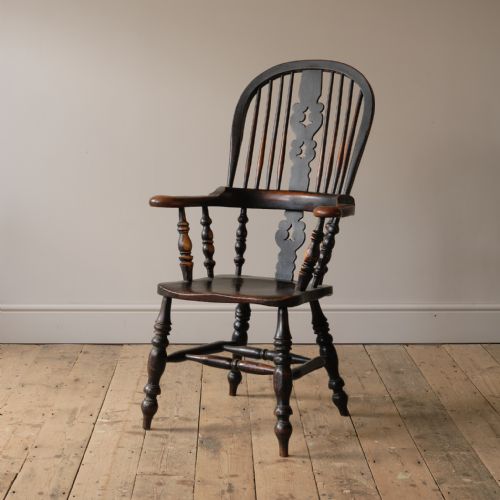
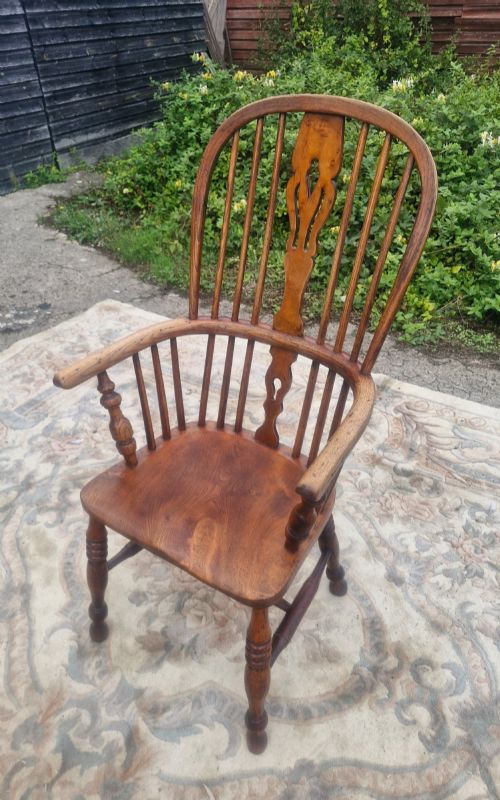
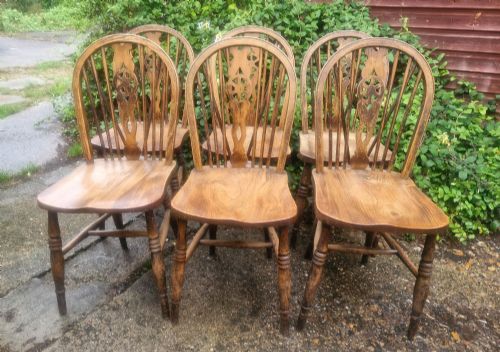
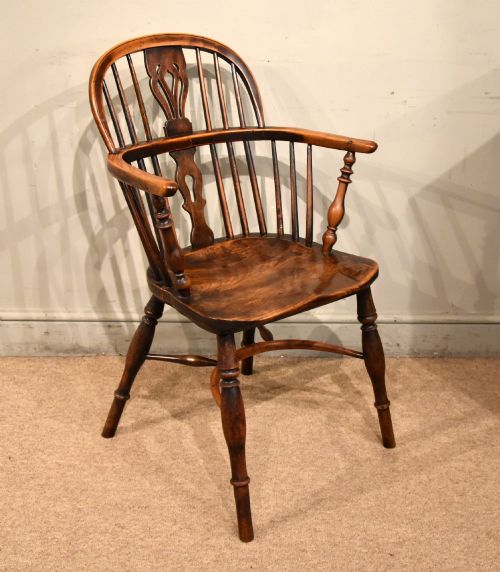
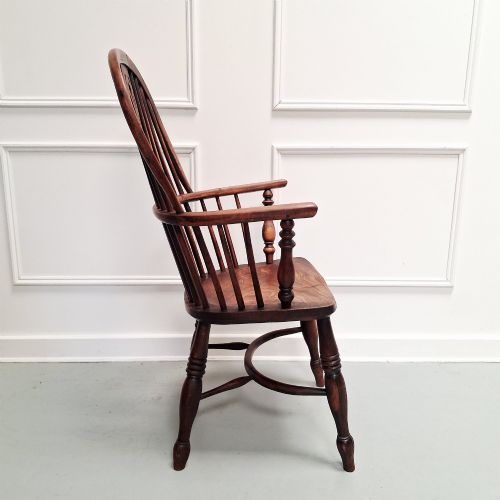
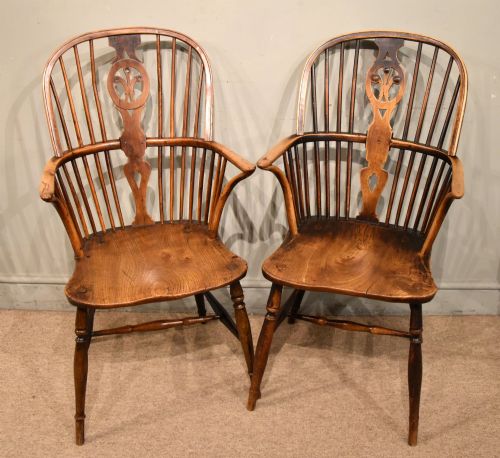
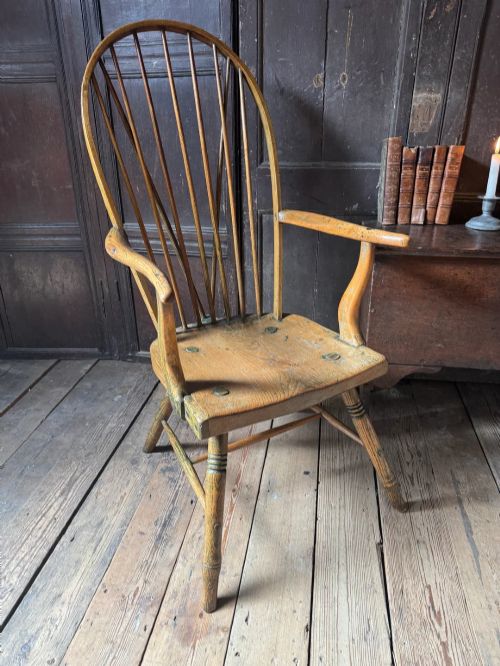
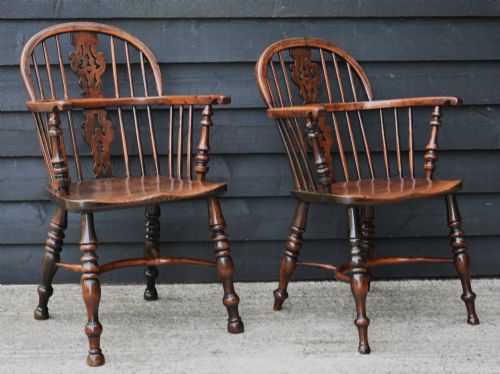
When you search for a traditional hoop back chair, you encounter wooden seating rooted in the English country vernacular and Georgian traditions. The pieces appearing here span from the 18th century through the Victorian era and into the early 20th century, encompassing individual armchairs, carvers, elbow-chairs, rocking chairs, and matched dining sets.
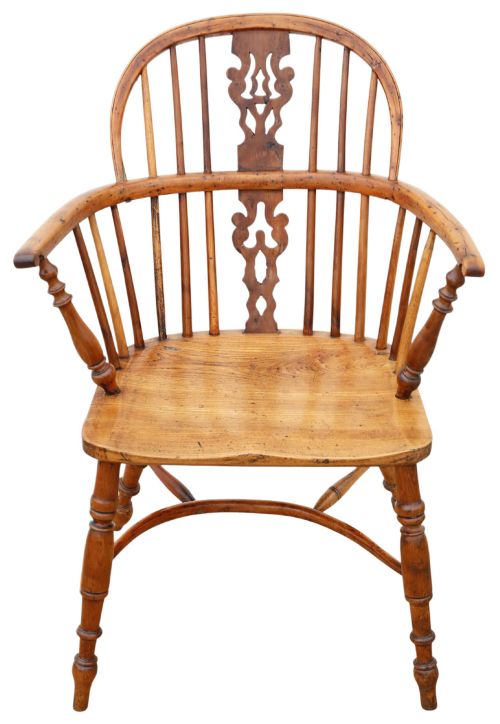
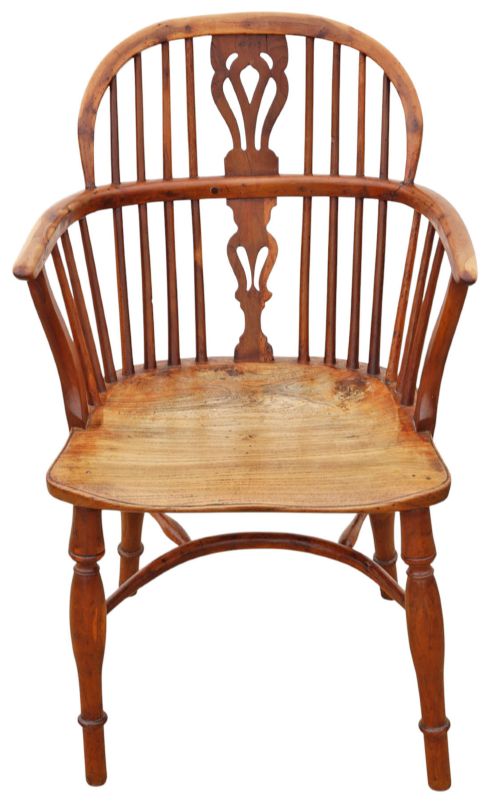
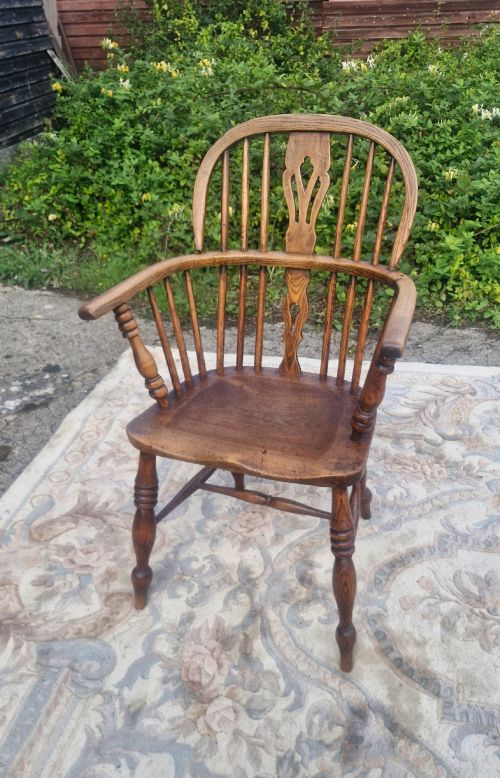
The most common formats on this page are Windsor armchairs featuring continuous bentwood hoops, substantial elm seats, and spindle backs. Regional variations include Welsh, Scottish, and West Country origins, alongside sets intended for farmhouse and kitchen dining.
How they were made
Maker's hands combined multiple native timbers within a single frame, pairing sturdy elm for carved saddle seats with ash or yew for flexible bentwood hoops and spindles. These distinct woods provided the exact mechanical properties needed for steam-bending and weight-bearing joints.
Green woodworking techniques allowed craftsmen to wedge unseasoned spindles and legs directly into drilled sockets within the solid plank seat, creating a rigid structure as the timber dried and tightened.
Current listings feature elm, ash, yew, beech, oak, and rush across Georgian, Victorian, and 19th-century periods.
What varies in quality
The distinction between standard examples and superior pieces rests largely on timber selection and the fluid grace of the bentwood hoop. Yew wood examples with rich grain patterns and matched sets command attention through harmonious proportions and careful turning of the arm supports and legs.
Structural alterations and replaced components influence the integrity of older vernacular seating. Pieces retaining their original surface patination, crinoline stretchers, and deep-dished elm seats demonstrate superior craftsmanship from regional workshops.
J SPENCER
The Traditional Hoop Back Chair Glossary
- Hoop back
- A continuous piece of steam-bent timber forming the upper back and arm support of a Windsor chair. This curved member distributes weight downward into the seat.
- Saddle seat
- A thick wooden plank, typically elm, carved into a concave depression for seating comfort. The shaping process leaves a central pommel.
- Crinoline stretcher
- An arched or bowed underframe connecting the legs of a Windsor chair to provide lateral stability. It often takes a sweeping loop shape.
- Carver
- An armchair designed to match a set of dining chairs, usually placed at the head of a table. These pieces feature lower backs or open arms.
- Vernacular
- Objects made by regional craftsmen following local traditions rather than strict academic pattern books. These pieces prioritise utility and local materials.
Traditional Hoop Back Chair: Frequently Asked Questions
What is a traditional hoop back chair?
A traditional hoop back chair is a wooden Windsor seating form featuring a steam-bent upper bow that frames a series of vertical spindles. These seats combine a solid carved plank with turned legs and structural stretchers.
Originating in rural workshops across Britain, they developed regional characteristics in regions like Wales, Scotland, and the West Country.
How were these chairs used?
These chairs served multiple domestic functions in kitchens, farmhouses, and country houses as primary seating around dining tables and hearths. Armchairs and carvers provided sturdy comfort for daily tasks.
Matched sets allowed larger households to gather for meals, while smaller child-sized versions accommodated younger family members.
How do I live with one?
Living with these wooden pieces involves placing them away from direct heat sources and sudden humidity shifts to protect the timber and glue joints. Regular dusting and occasional waxing help preserve the historic surface patination.
Their sturdy construction makes them suitable for daily use around a dining table or as an accent piece in a study.
How do I tell periods apart?
Differentiating periods relies on observing timber choices, turning profiles, and construction methods used by regional makers over time. 18th-century examples often display deep-dished elm seats and vernacular profiles.
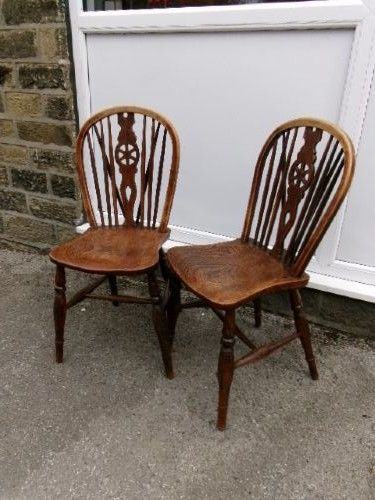
Victorian and later 19th-century pieces frequently incorporate polished yew wood and standardised wheel-back splats intended for kitchen dining sets.