
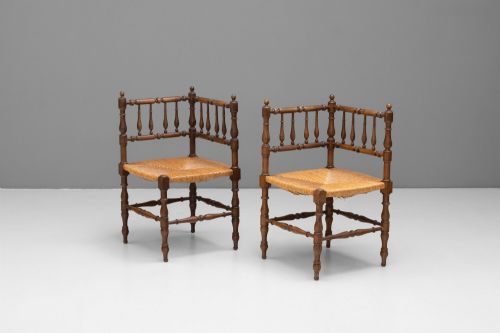
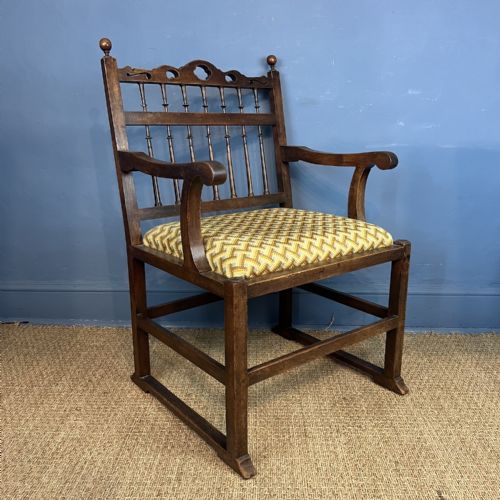
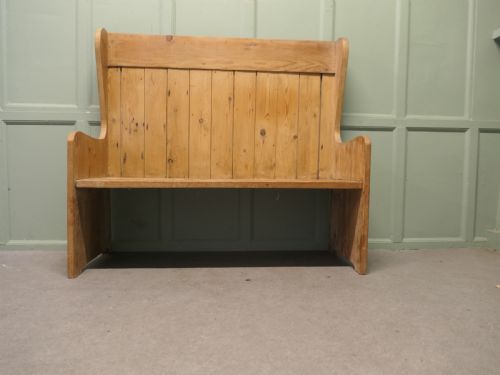
Antique Wooden Fireside Chair
An antique wooden fireside chair brings honest English country craft and sturdy timber to the hearth, offering solid seating built for warmth and daily use.
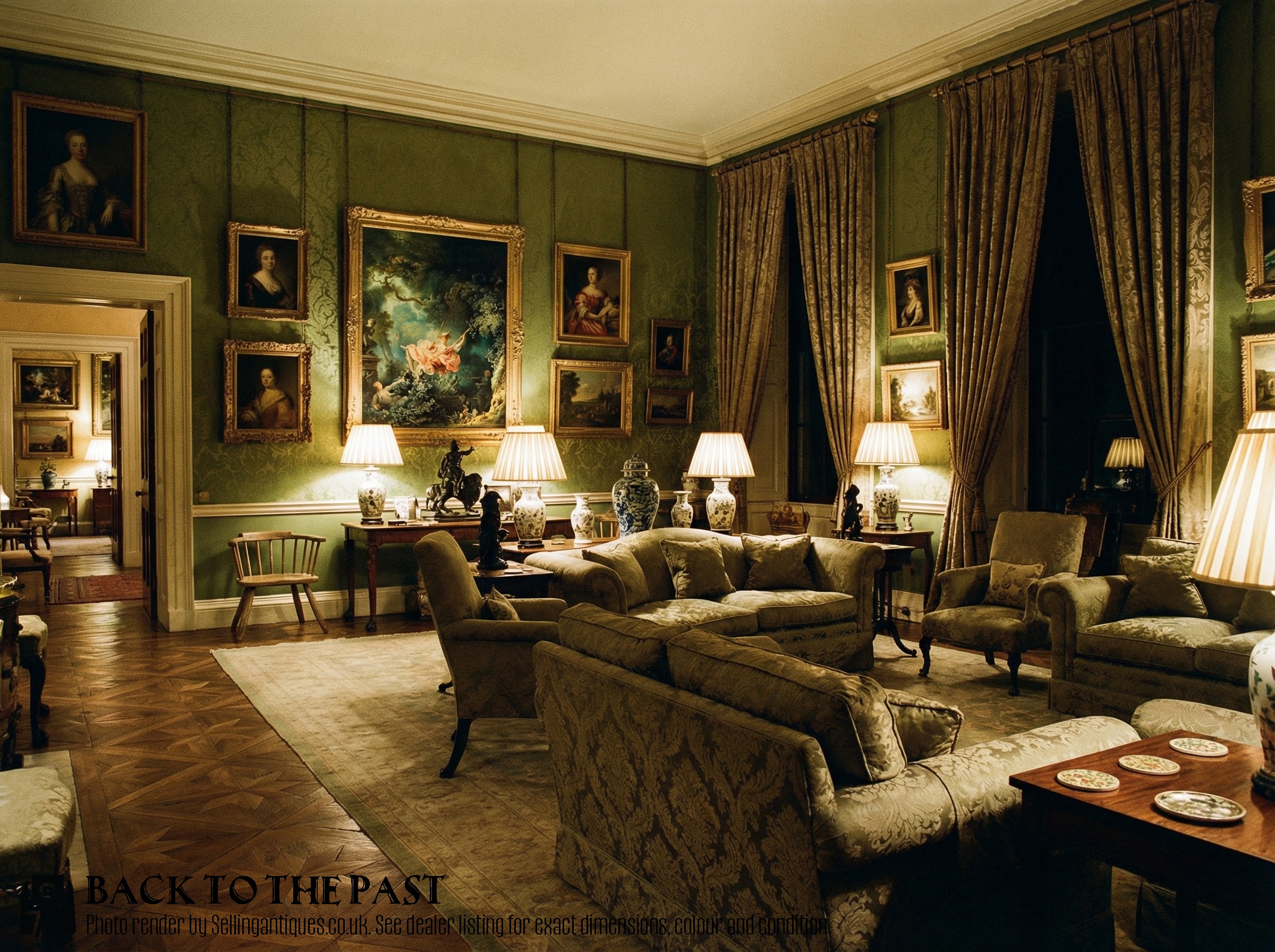
Identifying your antique wooden fireside chair
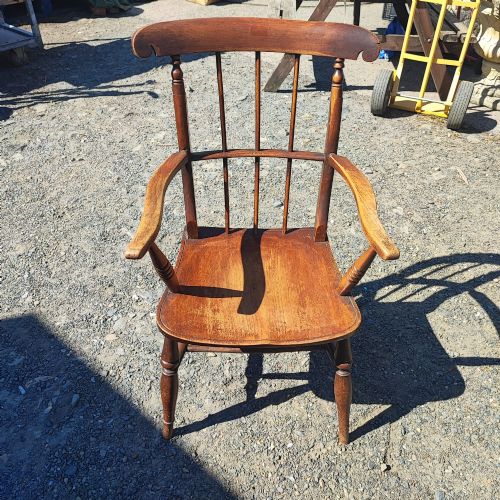
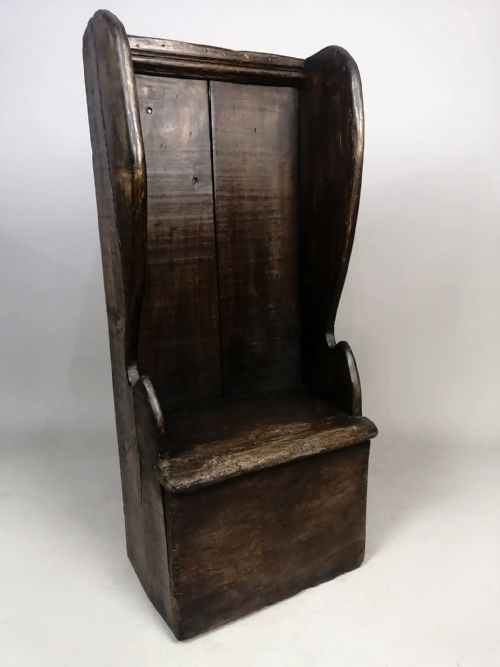
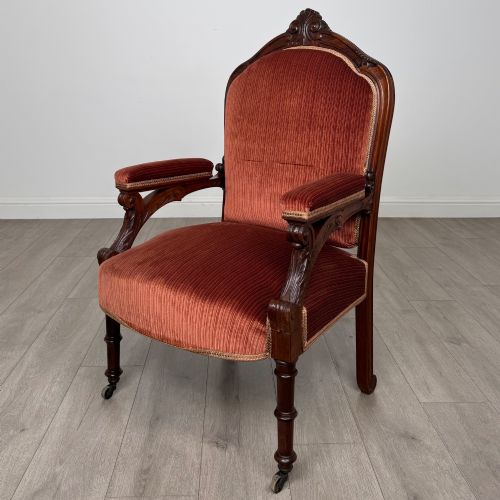
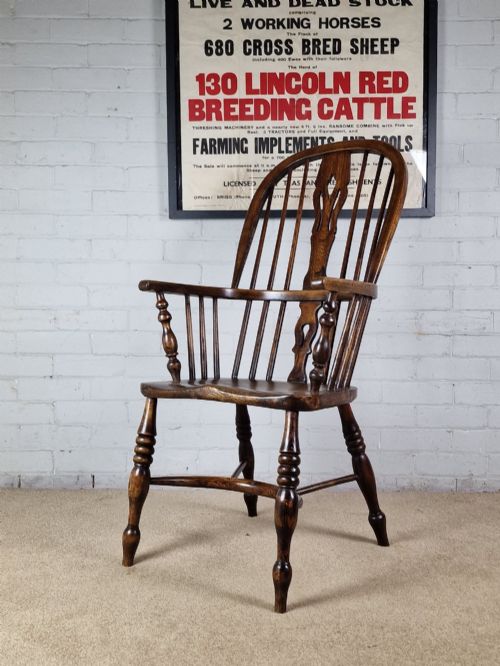
An antique wooden fireside chair is typically a vernacular British armchair designed for domestic warmth and comfort near the hearth. The examples on this page span from the mid eighteenth century through the Victorian era, encompassing styles such as English Country, Georgian Vernacular, and Victorian Country.
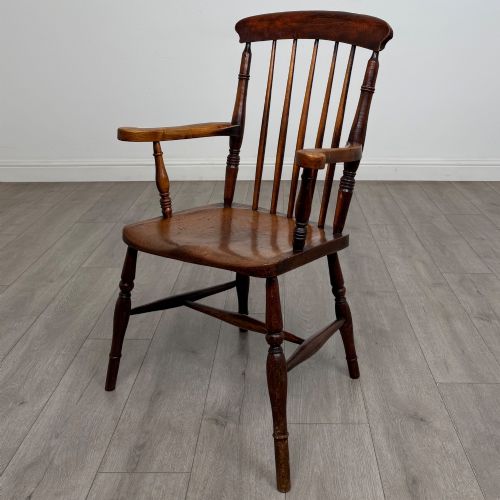
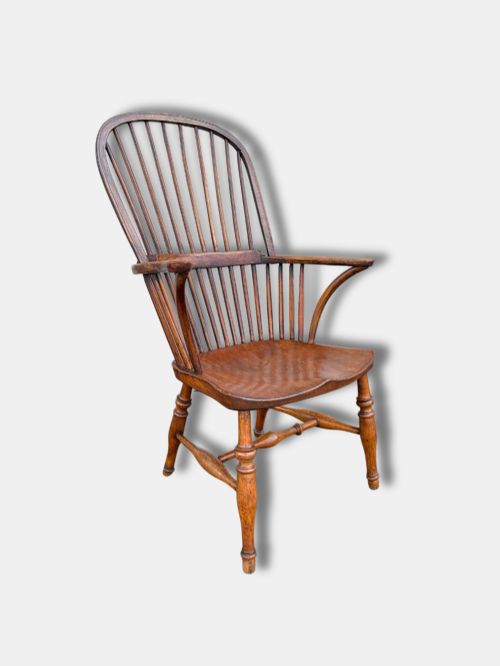
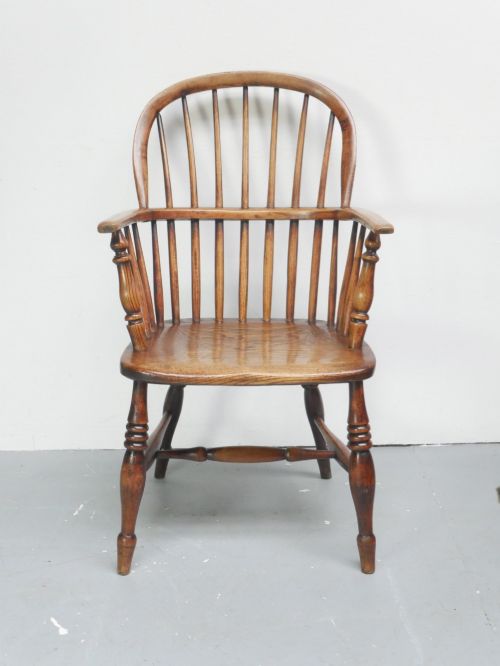
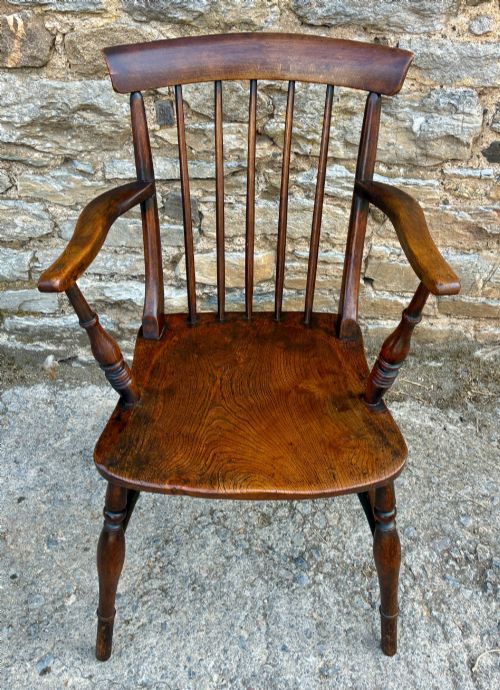
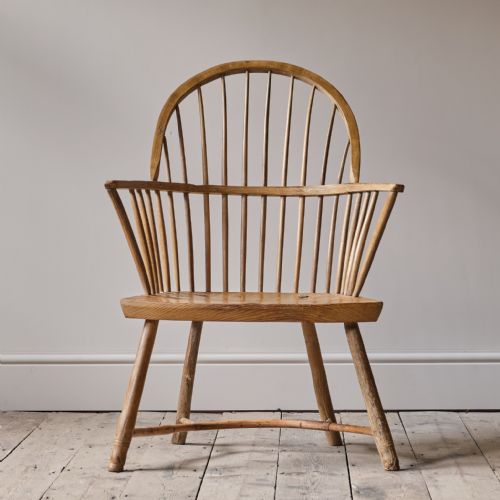
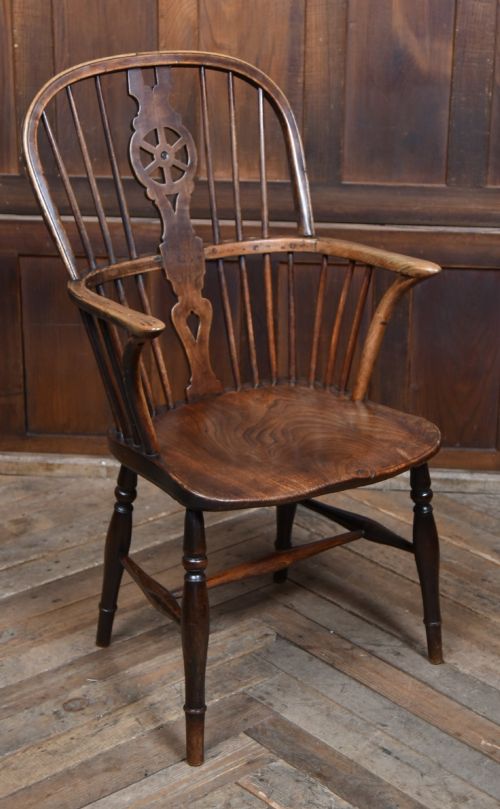
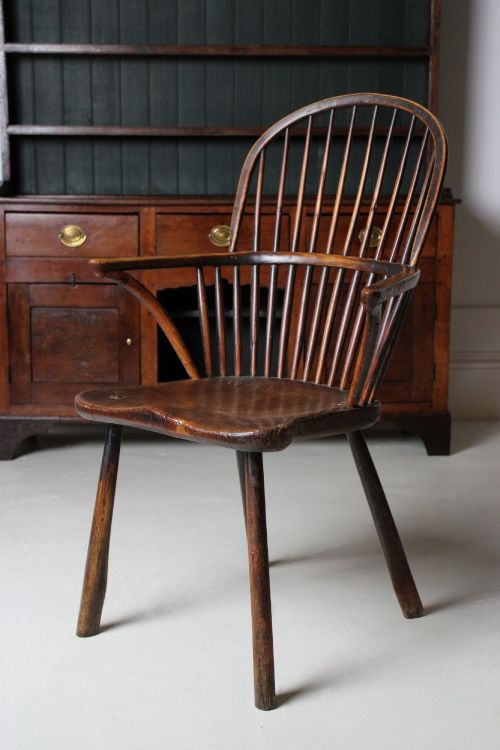
The dominant forms you will encounter are Windsor armchairs, featuring stickbacks, wheel-backs, comb-backs, and lathe-backs. These sturdy seats combine high or low backs with generous wooden arms, shaped specifically for fireside repose.
Construction and materials
Maker-joiners utilised native timbers, pairing robust elm for comfortable, saddle-shaped seats with ash, beech, or yew for spindles, legs, and steam-bent bows. This mixed-wood construction harnessed the specific mechanical properties of each tree, ensuring rigidity in the frame and resilience in the seat.
Traditional bodging and Windsor techniques dominated production, employing turned legs wedged directly into thick wooden seats alongside pegged joints and bentwood arms. Surfaces reveal the marks of hand tools, adzes, and drawknives, leaving natural grain and figure exposed without heavy modern veneers.
Retail Price Guide 2026
Typical UK retail prices for wooden fireside chair, calculated from the Sellingantiques database of over a million retail prices indexed since 2003. This retail price guide relies exclusively on Sellingantiques data; no external sources or auction records are used, so the figures do not describe the wider market.
Listings feature eighteenth-century and Victorian periods, utilising native timbers including elm, ash, yew, and beech.
Assessing quality and character
Quality rests in the harmony of the timber selection and the elegance of the spindle turnings, where crisp detailing on ash or yew separates standard workshop output from finer country pieces. The depth and sculpting of the solid elm seat also dictate comfort and visual balance.
Patina and structural integrity define the upper tier, distinguishing chairs that retain their original wedges, wedged arm supports, and surface wear accumulated over centuries. Untouched timber surfaces with deep wax polish command greater appreciation than heavily stripped or over-restored examples.
The Antique Wooden Fireside Chair Glossary
- Windsor chair
- A chair built with a heavy wooden saddle seat into which the legs, back spindles, and bow are separately bored and wedged. This technique creates a remarkably strong yet visually light frame.
- Stickback
- A vernacular chair back formed of simple turned vertical spindles fitted directly into the seat and top rail. It represents one of the most common regional variations.
- Comb-back
- A Windsor variant where a low, continuous back rail is topped by an extended headrest resembling a hair comb. This profile provides additional height and head support.
- Wheel-back
- A nineteenth-century vernacular design incorporating a pierced wooden splat shaped like a cartwheel into the centre of the backrest. It adds decorative refinement to an otherwise utilitarian form.
Frequently Asked Questions
How do I date a wooden Windsor chair?
Dating relies on observing construction methods, turning styles, and wood combinations across eighteenth-century and Victorian examples.
Early pieces often feature comb-backs and heavier ash framing, while later Victorian versions introduce wheel-backs and different spindle arrangements.
Are these chairs comfortable to sit in?
Yes, because makers sculpted the solid elm seats into ergonomic saddle shapes that distribute weight naturally without upholstery.
The high backs and supportive wooden arms also encourage relaxed seating near a fireplace.
Why are different woods used together?
Country makers selected specific timbers for their individual physical strengths, such as tough elm for seats and flexible ash or yew for bent components.
This mixed-wood approach ensured the chair could withstand the rigours of daily household use.