


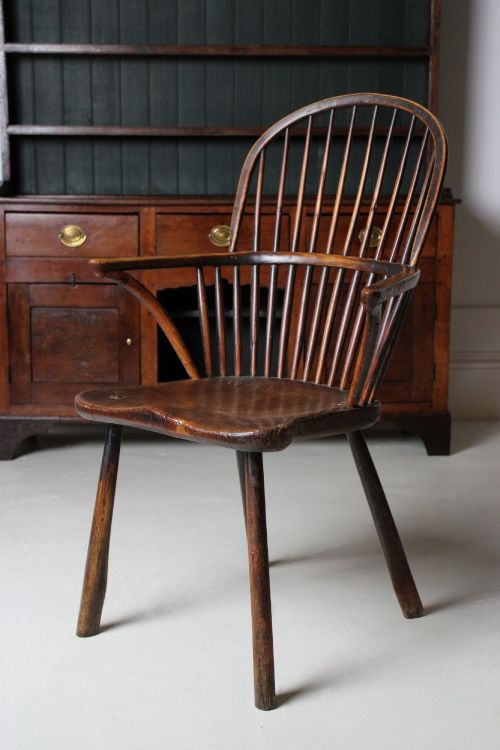
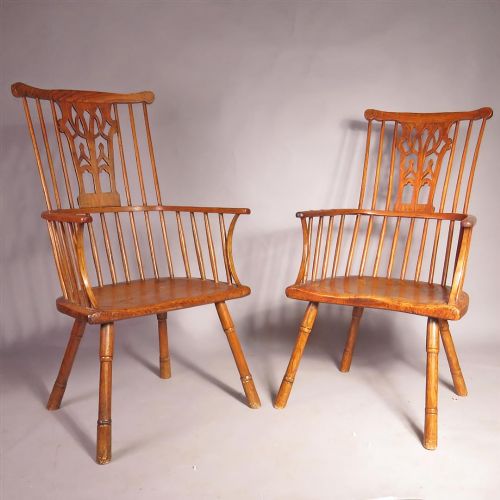
Vernacular Wooden Armchair
A vernacular wooden armchair brings honest domestic history into a room, shaped by local hands from native timber rather than urban workshops.
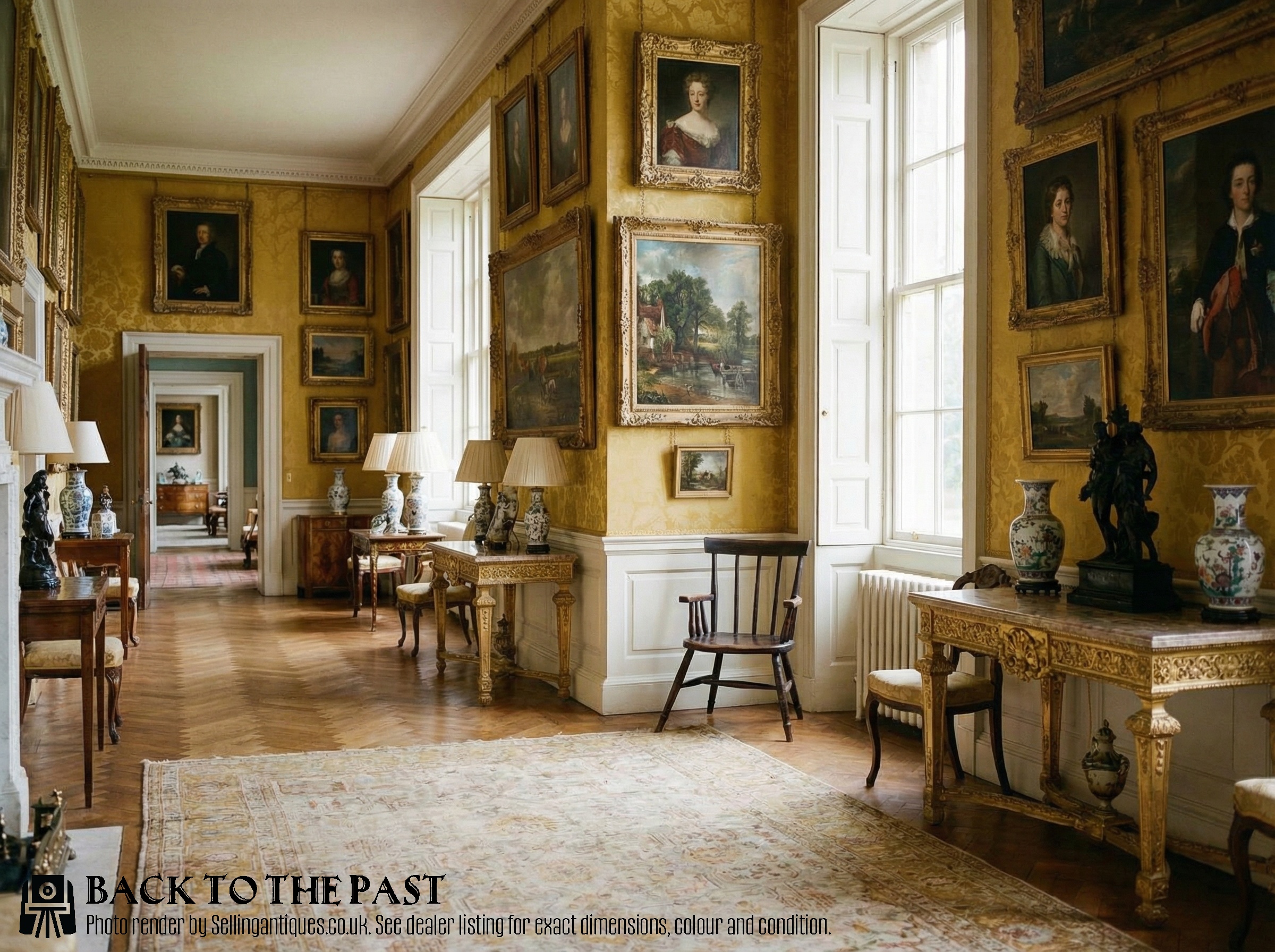
Vernacular Wooden Armchair
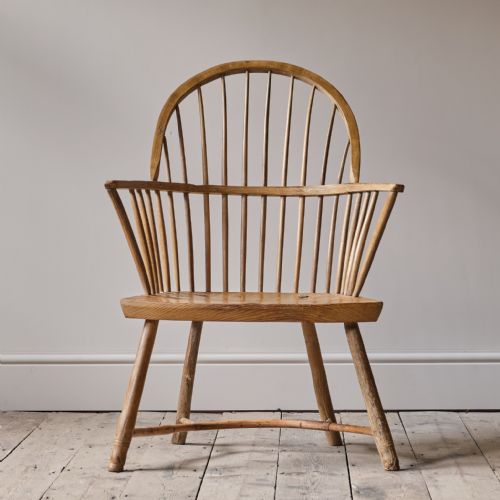
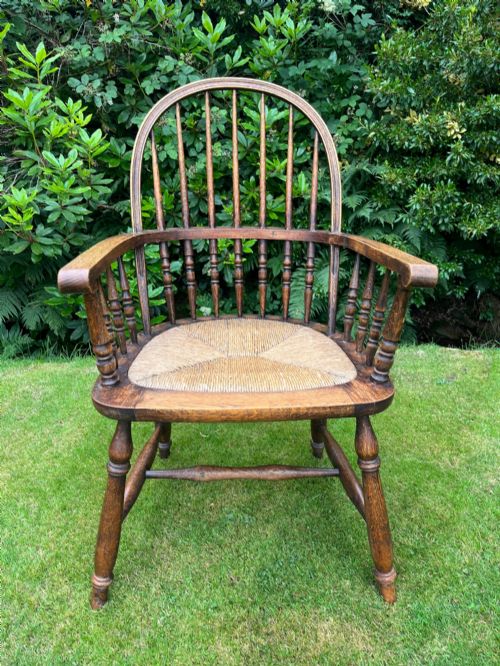
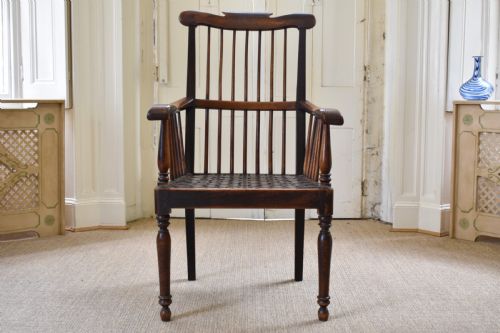
A vernacular wooden armchair is a practical seat built by regional craftsmen using traditional methods, appearing across English, Scottish, and Irish country traditions.
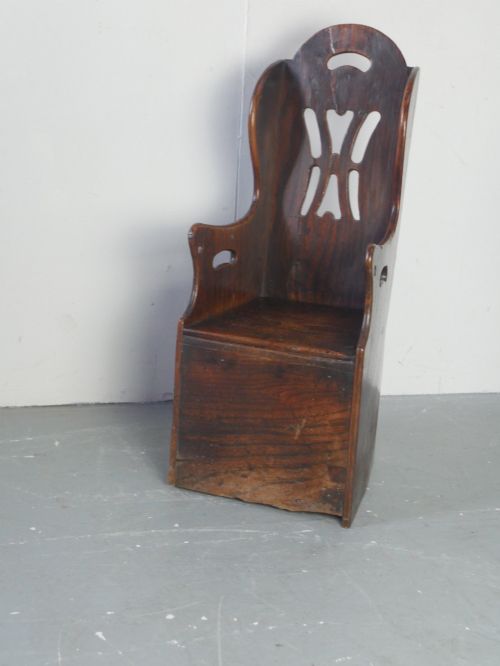
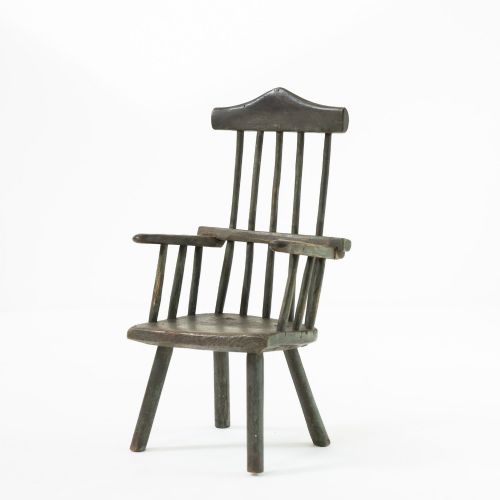
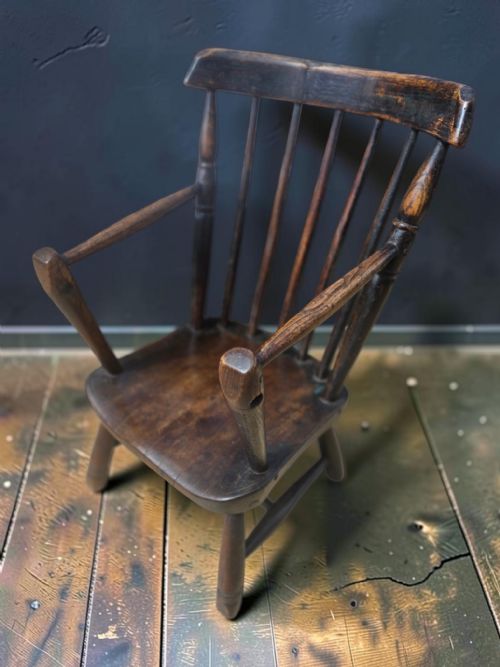
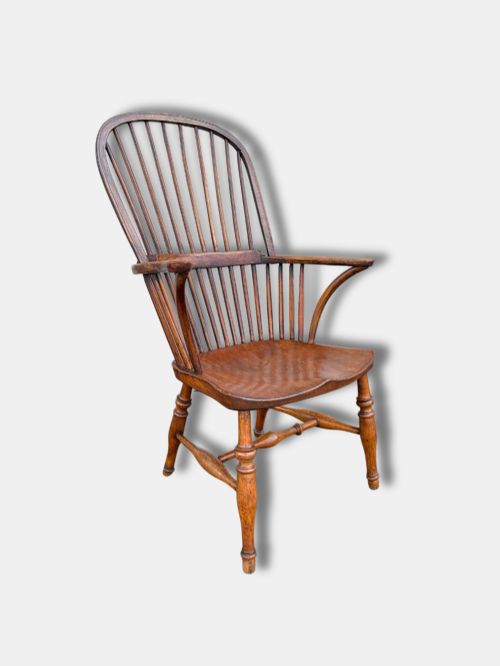
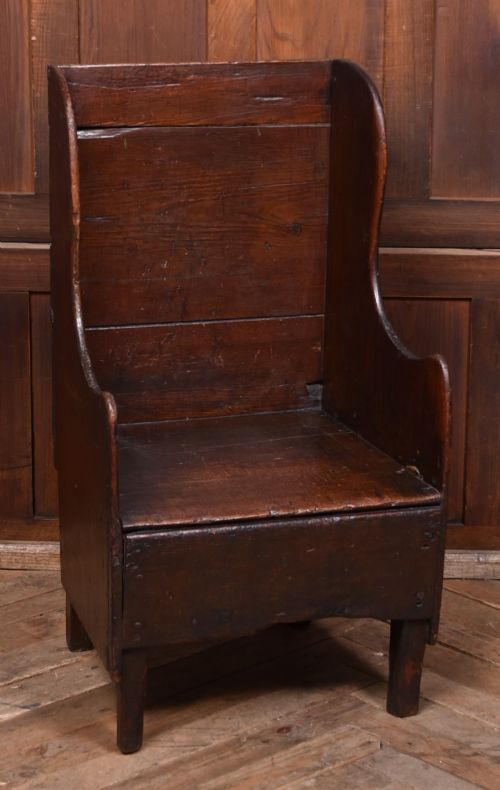
Most examples found here date from the eighteenth and nineteenth centuries, spanning Georgian and Victorian periods, including Windsor forms, stick backs, and lambing chairs.
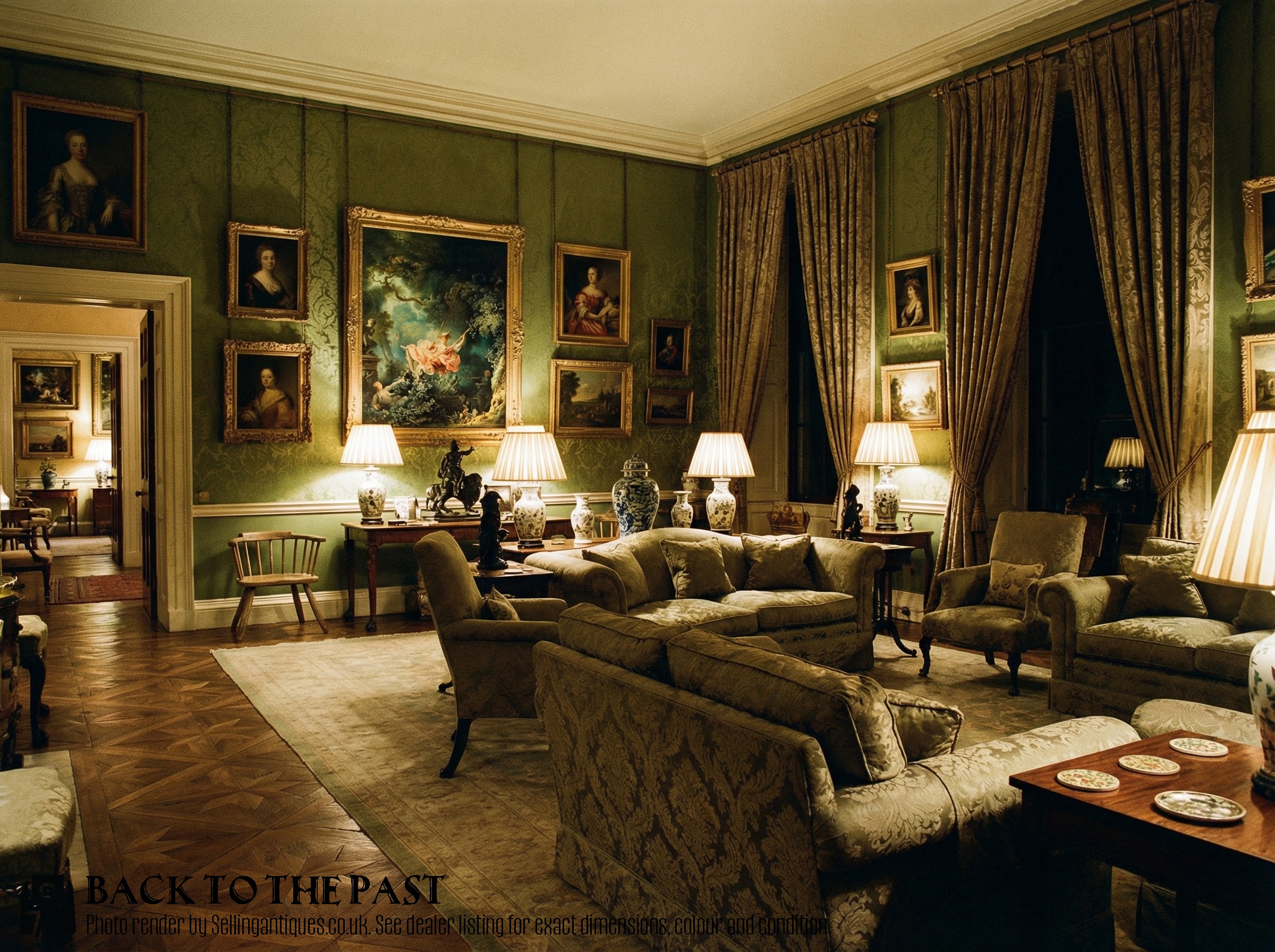
Materials and Construction
Maker-craftsmen built these chairs using native hardwoods such as elm for solid seats, ash for bent parts and spindles, and yew or fruitwood for decorative contrast.
Construction relied on green woodworking techniques, steam-bending timbers for hoops and arms, and locking components together with wedged tenons and peg joints.
Vernacular Wooden Armchair Retail Price Guide 2026
Typical asking prices for vernacular wooden armchair among the pieces listed under this phrase on Sellingantiques today, from the lower quarter to the upper quarter. They describe what is for sale here now, not the wider market.
Listings feature regional variations from the Thames Valley, Scotland, Ireland, and the West Country, employing ash, elm, yew, and laburnum.
Assessing Quality and Character
Quality rests in the harmony of proportion and the integrity of the timber, where generous saddle seats and well-sculpted arm bows demonstrate superior maker skill.
Surface finish defines much of the distinction between pieces, with untouched patinas, original paint, or deep wax accumulation elevating an ordinary utility chair into a sculptural object.
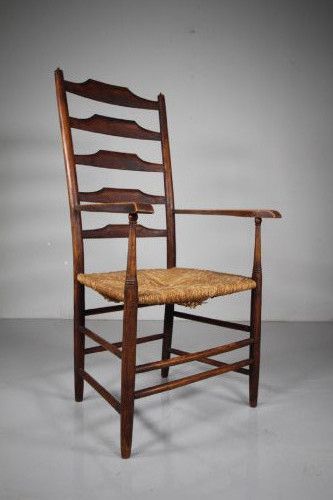
Philip Clissett·Gabbitass Worksop·Duncan McKellar
The Vernacular Wooden Armchair Glossary
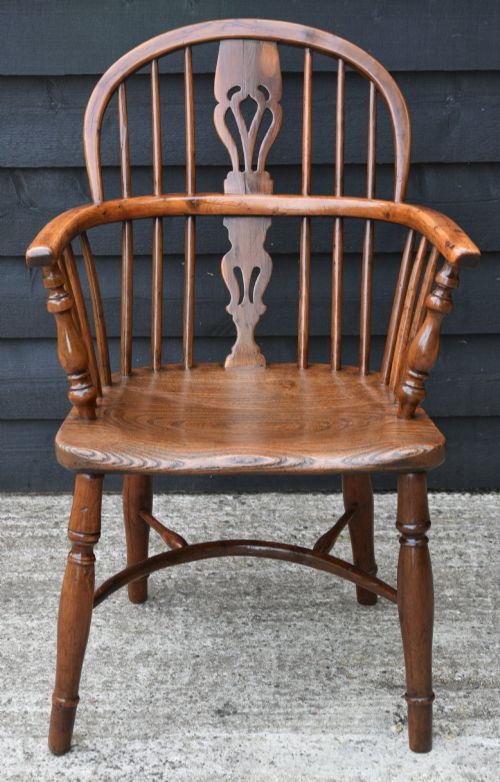
- Windsor chair
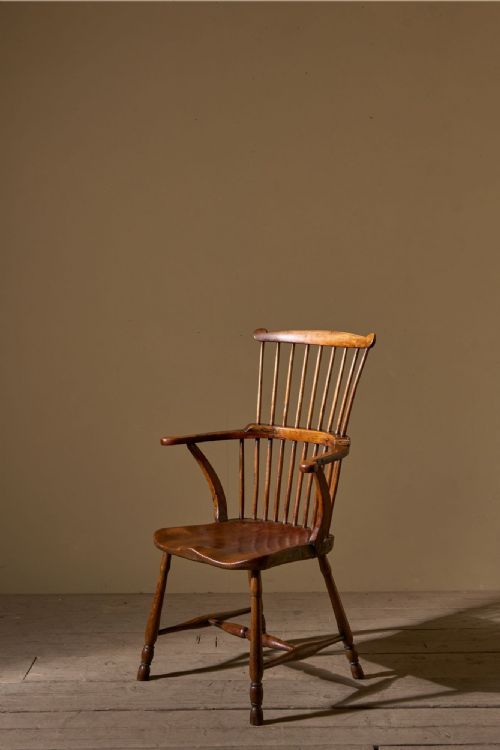
- A timber seat constructed with a solid wooden saddle into which legs and back spindles are independently inserted. This design creates a sturdy structure without traditional frame joinery.
- Comb back
- A chair back style featuring a low hoop crossed by a top rail that resembles an upright hair comb. It is frequently seen on eighteenth-century country examples.
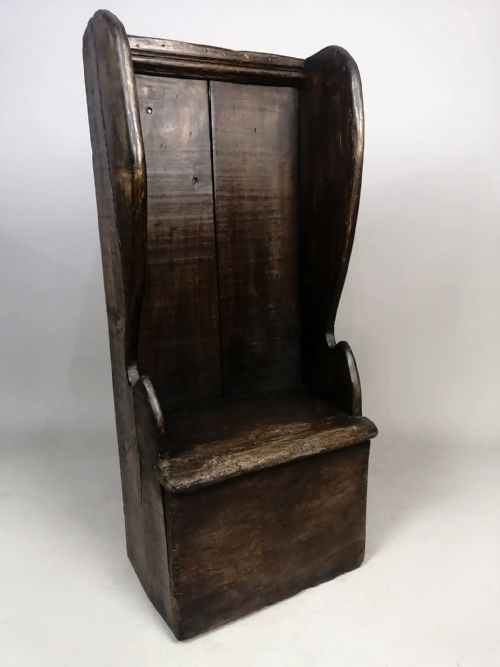
- Lambing chair
- A high-backed hooded armchair originally designed to shield occupants from drafts in domestic settings. They often incorporate solid side panels and under-seat storage boxes.
- Vernacular
- Objects made by local artisans for regional use, prioritizing practical function and available materials over academic architectural styles.
- Spindle back
- A chair back formed from multiple thin turned or cleft wooden rods connecting the seat to the top rail.
Vernacular Wooden Armchair: Frequently Asked Questions
What defines a vernacular armchair?
A vernacular armchair is an unpretentious seat made by regional joiners or bodgers using local timber. These pieces reflect the specific traditions and material availability of their geographic origin rather than following metropolitan design manuals.
They were built for domestic utility in farmhouses and cottages, resulting in sturdy, honest forms that prioritized comfort and function above fashion.
Which woods were used most often?
Elm is the primary timber found in the solid, carved seats because its interlocking grain resists splitting under pressure. Ash provides the strength required for turned legs, bows, and spindles.
Secondary woods like yew, fruitwood, laburnum, and oak appear frequently in regional variations, chosen for their attractive grain patterns or bending qualities.
How do I date an antique wooden chair?
Dating relies on observing tool marks, construction methods, and the wear patterns accumulated on the wood over generations. Eighteenth-century examples often display broader adze marks on the underside of the seat and simpler hand-turned undercarriages.
Nineteenth-century variants frequently incorporate steam-bent components and machine-lathed turnings, while retaining regional design traits specific to areas like the Thames Valley or West Country.
Were these chairs painted originally?
Many country chairs received coats of paint or dark stains to protect the softwood or to unify timbers of different species used in a single piece. Traces of original green, black, or red paint frequently survive beneath later layers.
Surviving early paint adds significant historical value, revealing how these everyday domestic objects appeared in their original settings.