
Traditional Stick Back Chair
A traditional stick back chair offers sturdy domestic comfort, combining vernacular timber construction with classic regional seating design.
What they are
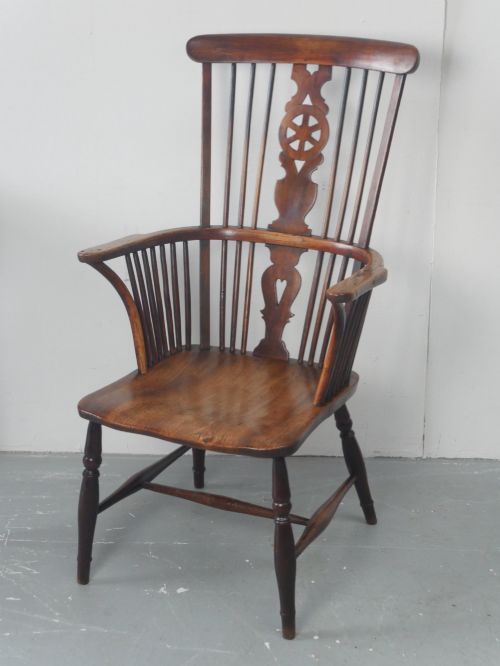
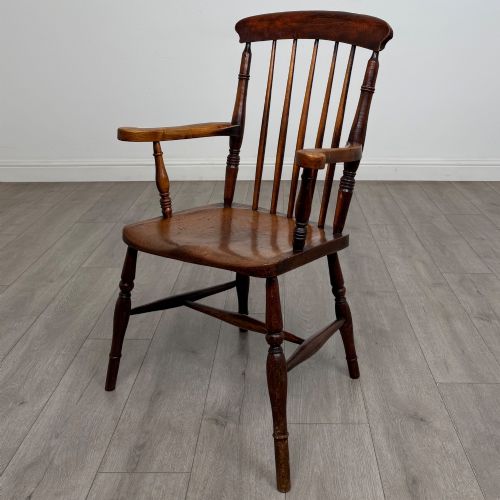
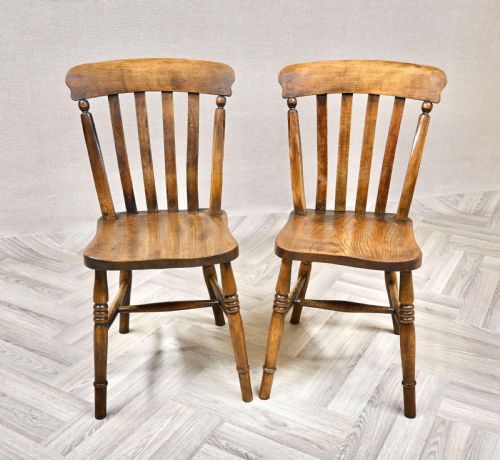
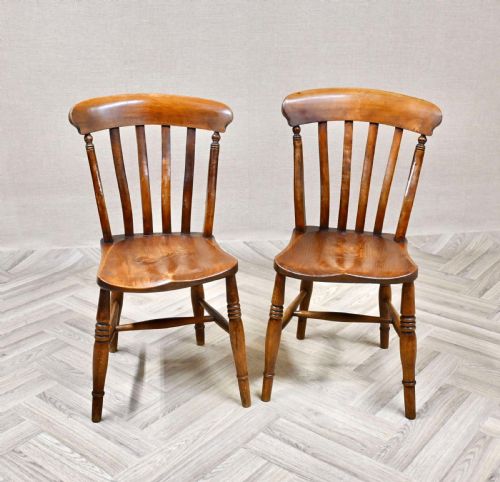
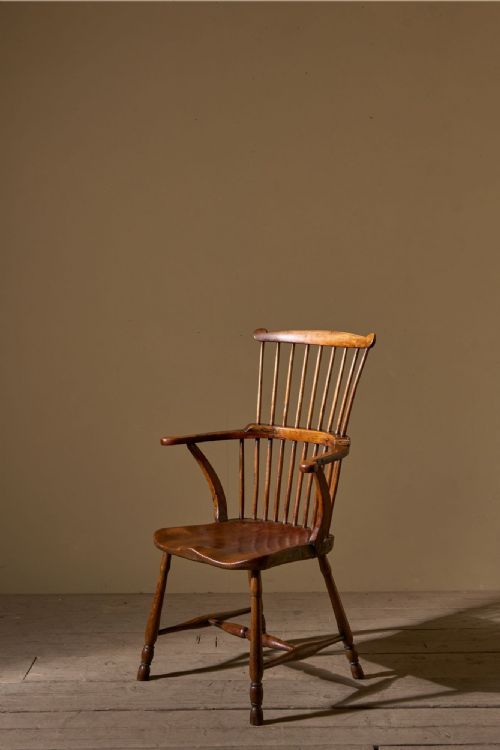
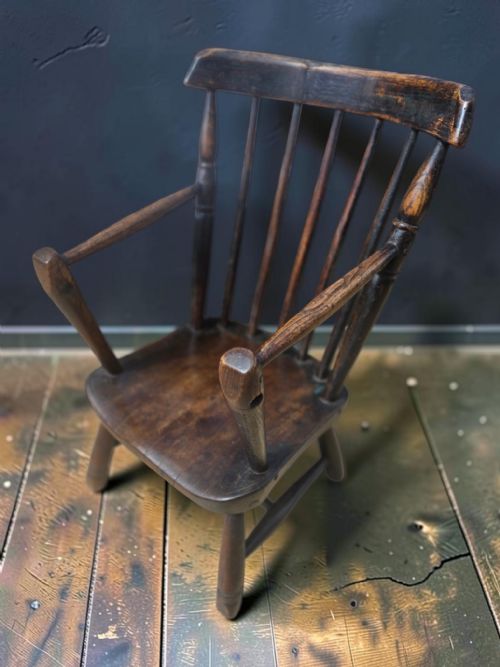
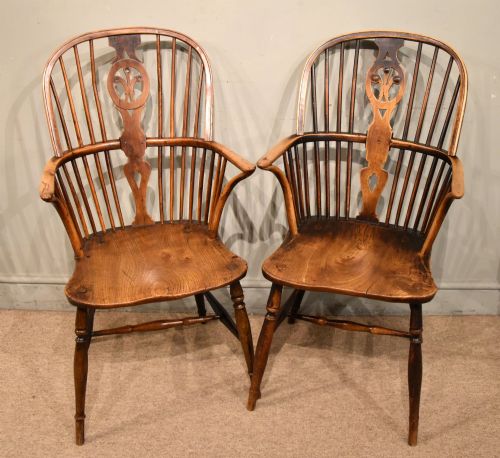
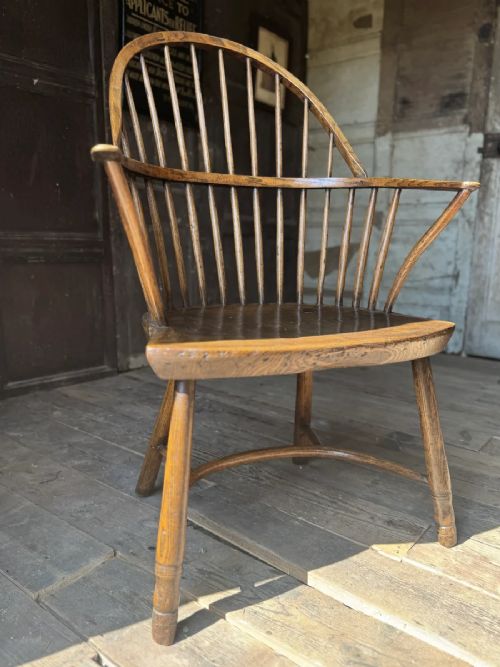
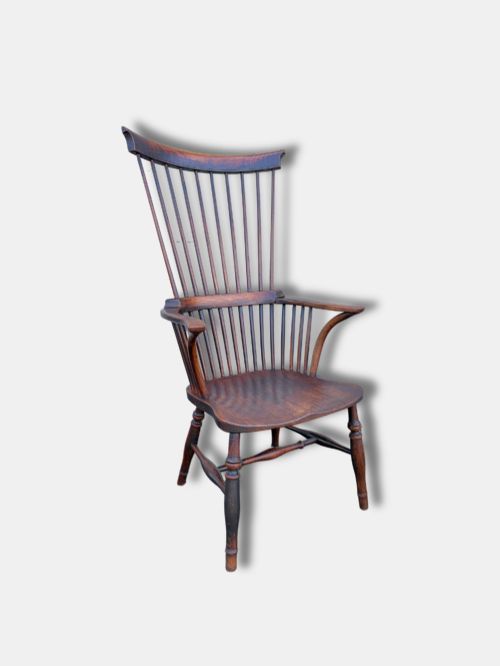
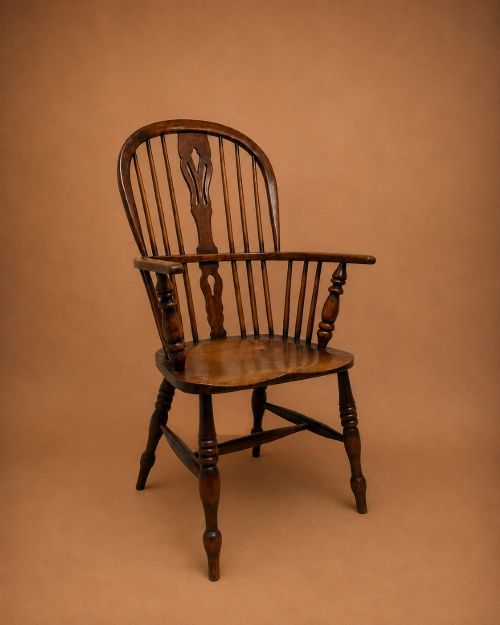
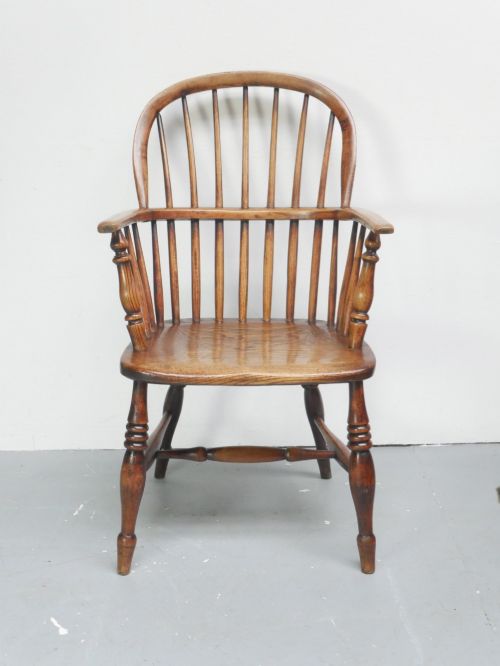
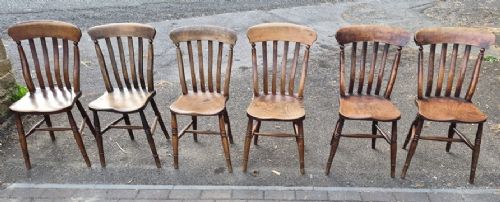
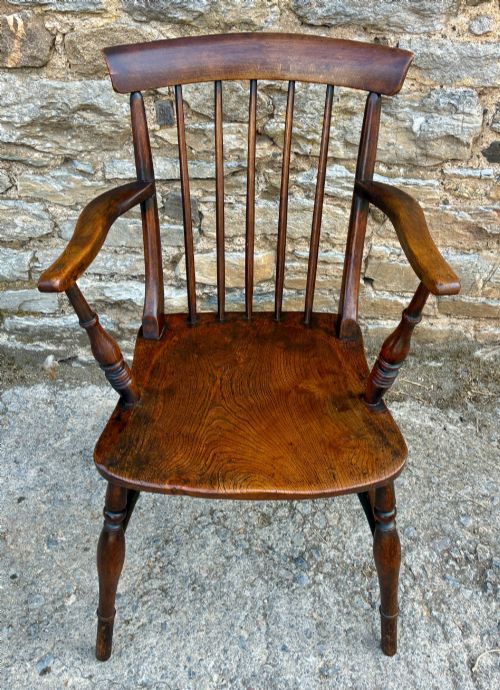
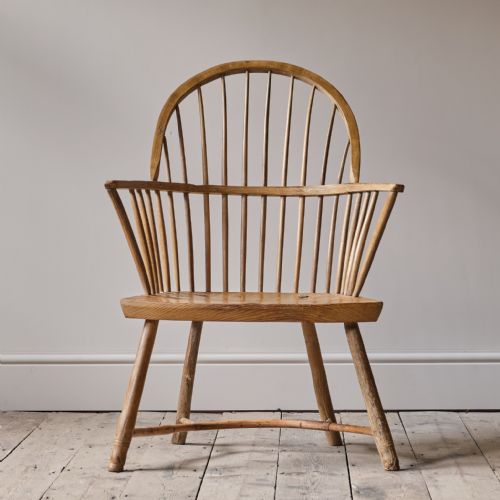
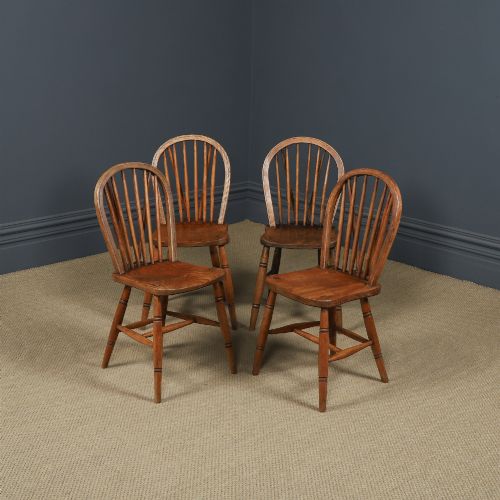
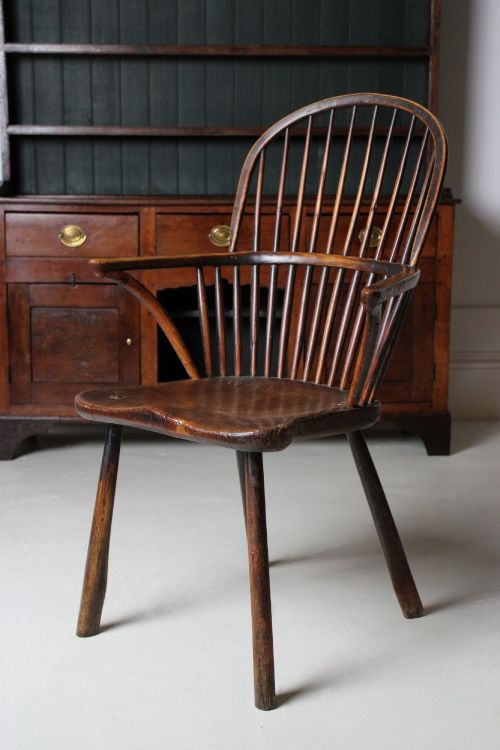
Traditional stick back chair examples include various forms of Windsor armchairs originating from the eighteenth and nineteenth centuries. These pieces display distinct regional styles, ranging from Georgian vernacular armchairs to English country designs.
A buyer examining this selection encounters high back and low back formats, including panel backed, comb back, and hoop back variants. Most pieces function as robust armchairs intended for everyday domestic utility.
Origins span Georgian and nineteenth century periods, with specific construction methods characteristic of English vernacular workshop traditions. Pieces frequently incorporate broad arms designed for practical comfort.
How they were made
Maker construction relies on traditional British timbers, with elm, ash, yew, and oak utilised for seats, spindles, and legs. Beech also appears in the physical framework of these vernacular armchairs.
Surfaces occasionally retain original brown paint over the exposed wood grain. Traditional joinery techniques secure the vertical sticks directly into shaped wooden seats.
Retail Price Guide 2026
Typical UK retail prices for traditional stick back chair, calculated from the Sellingantiques database of over a million retail prices indexed since 2003. This retail price guide relies exclusively on Sellingantiques data; no external sources or auction records are used, so the figures do not describe the wider market.
Current listings feature eighteenth and nineteenth century examples constructed from elm, ash, yew, oak, and beech.
What varies in quality
Distinctions in quality rest upon the selection of timber used for the seat and spindles, with figured yew or substantial elm commanding greater appreciation than standard mixed woods. The visual harmony of the turned undercarriage and the graceful sweep of the arm bow further separate standard utility examples from finer workshop output.
The integrity of the original joints and the retention of early painted surfaces dictate the historical intactness of each piece. Subtle variations in the proportion of the comb back or hoop back define the aesthetic success of individual vernacular chairs.
The Traditional Stick Back Chair Glossary
- Windsor chair
- A chair built with a solid wooden seat into which the legs and back spindles are directly fitted. This construction method creates a sturdy, lightweight seating form.
- Comb back
- A Windsor chair variation where the top rail resembles the teeth of a comb. Vertical spindles rise through a horizontal headboard.
- Hoop back
- A continuous curved wooden bow forming the armrests and back support. This element is steam bent from a single piece of timber.
- Vernacular
- Objects made by local craftsmen following regional traditions rather than high style academic designs. These pieces prioritise practical function and available local materials.
Frequently Asked Questions
What is a stick back chair?
A stick back chair is a wooden seating form featuring slender turned spindles fitted into a solid contoured seat.
These pieces belong to the broader family of Windsor seating developed across English rural workshops.
How do I date an old chair?
Dating relies on examining the timber species, tool marks, and overall construction wear visible across the framework.
Eighteenth century examples often display deep elm seats and early ash turnings compared to later nineteenth century production.
Where were these chairs made?
They were produced by regional carpenters and local makers operating in English country workshops.
Specific areas utilised locally felled timbers such as yew, ash, and elm for domestic furniture.
Are painted finishes original?
Some early examples retain original brown painted surfaces applied to protect and finish the timber grain.
Surviving early paint layers contribute significantly to the historical character of vernacular seating.