


Antique Vernacular Chair
An antique vernacular chair brings honest, regional craftsmanship into a room, offering sturdy utility shaped by local timber and tradition.
Antique Vernacular Chair
An antique vernacular chair is a utilitarian seat produced outside major urban centres, relying on regional traditions rather than strict academic design. When searching this phrase, buyers encounter pieces intended for everyday domestic use in farmhouses, cottages and kitchens.
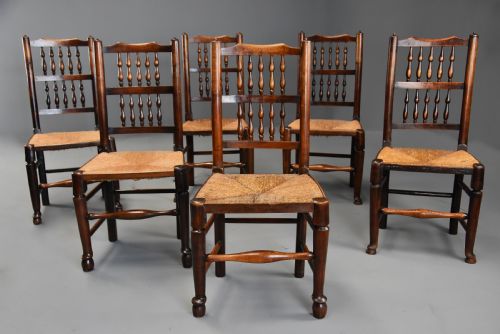
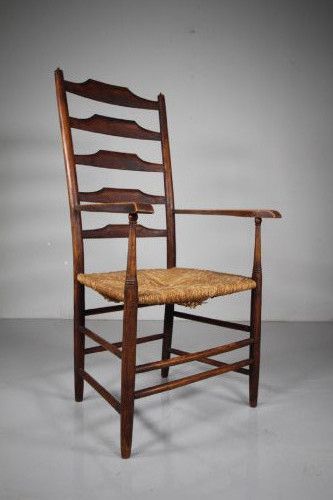
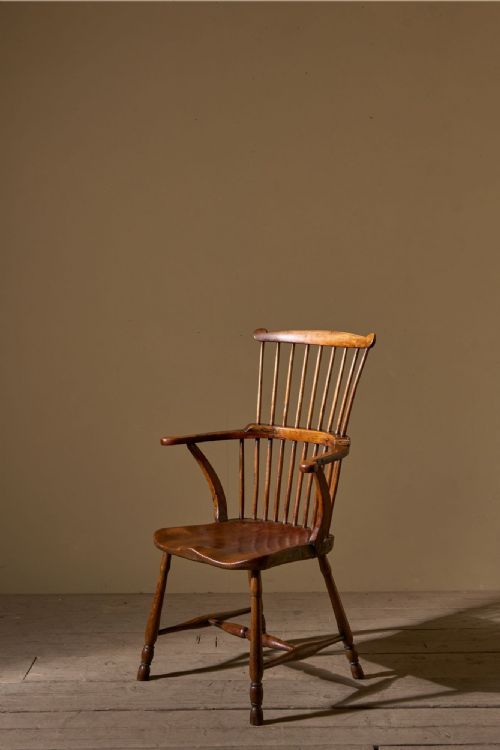
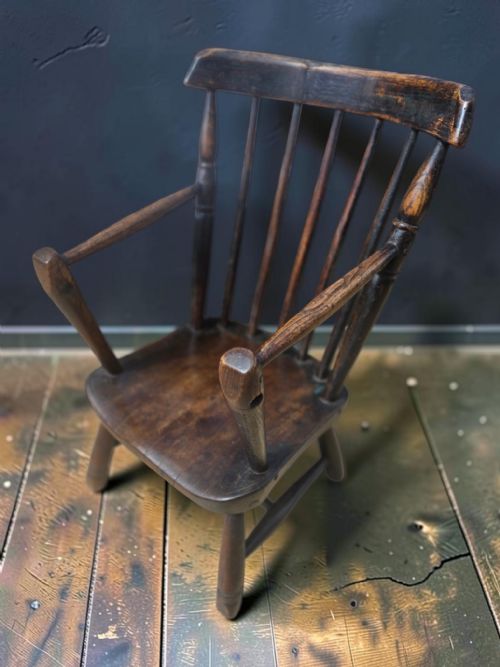
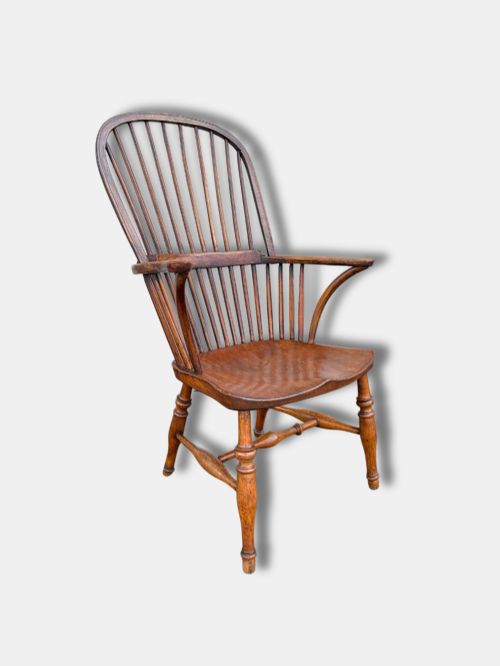
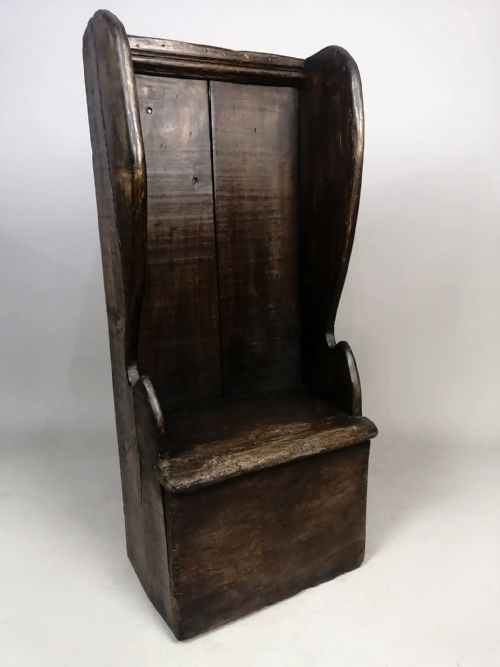
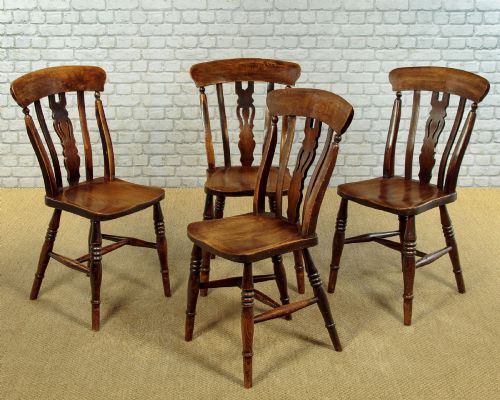
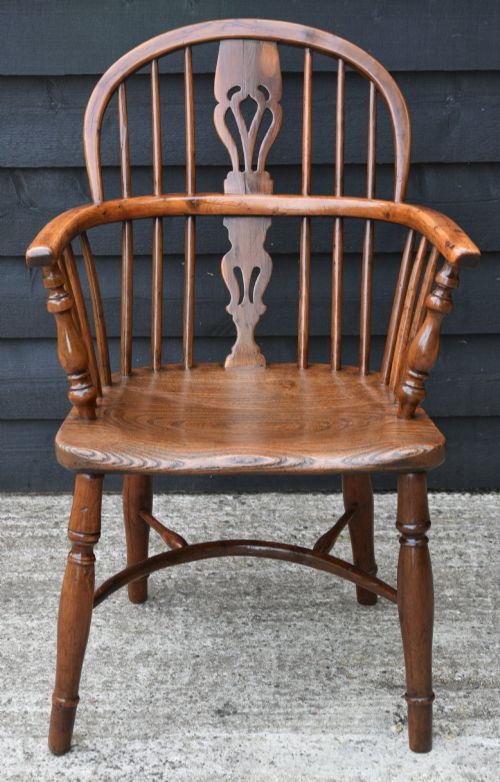
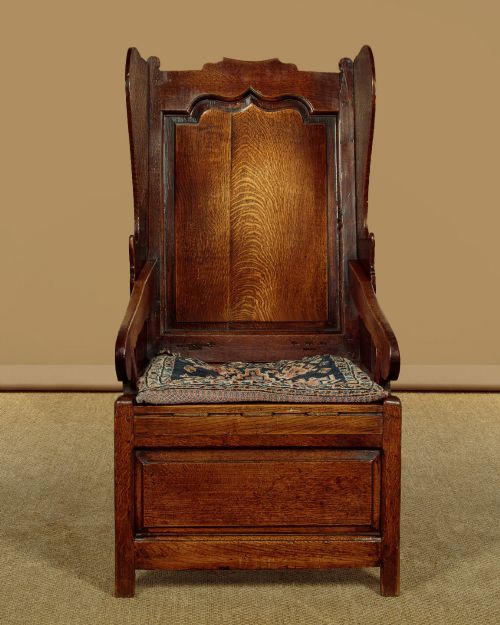
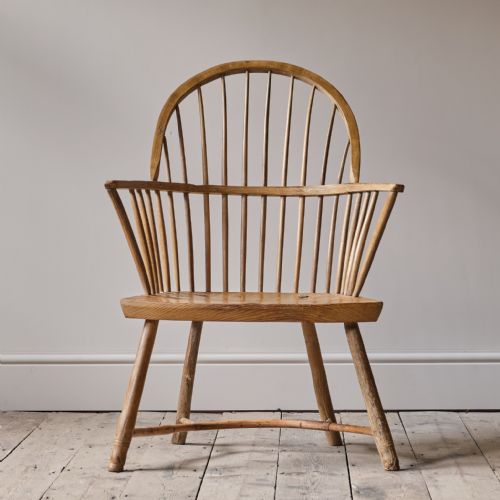
The most common forms on this page include Windsor armchairs, ladderbacks and lambing chairs, alongside children's variants and dining sets. These items range from eighteenth-century comb-backs to nineteenth-century stick-back and spindle-back designs.
Geographic and stylistic variations appear across English, Welsh, Scottish and regional traditions, including West Country, Lakeland and Thames Valley pieces. Materials and construction methods directly reflect the local timber available to the maker.
How they were made
Makers utilised native hardwoods such as ash, elm, oak, beech, yew and fruitwood, often combining two or three timbers within a single frame. Elm frequently provided a resilient, unyielding seat board, while ash or spindle-shaped hardwoods formed the turned legs and slender uprights.
Construction relied on traditional green woodworking techniques, steam bending and wedged mortise and tenon joints to build robust, enduring forms. Surfaces were left plain, finished with early paint, stained or simply developed through decades of handling.
Antique Vernacular Chair Retail Price Guide 2026
Typical asking prices for vernacular chair among the pieces listed under this phrase on Sellingantiques today, from the lower quarter to the upper quarter. They describe what is for sale here now, not the wider market.
Listings feature eighteenth-century and nineteenth-century pieces alongside Edwardian examples, built from elm, ash, oak, beech and yew.
What varies in quality
Quality in an antique vernacular chair rests on the harmony of its proportions, the integrity of its timber combination and the retention of its original surface. A well-balanced frame with clear tool marks and honest wear shows superior character compared to a compromised or heavily altered structure.
The sophistication of the turning on the legs and stretchers, alongside the comfort and ergonomic curve of a comb or hoop back, distinguishes standard utility work from finer regional craftsmanship.
Philip Clissett·Gabbitass Worksop maker
The Antique Vernacular Chair Glossary
- Windsor chair
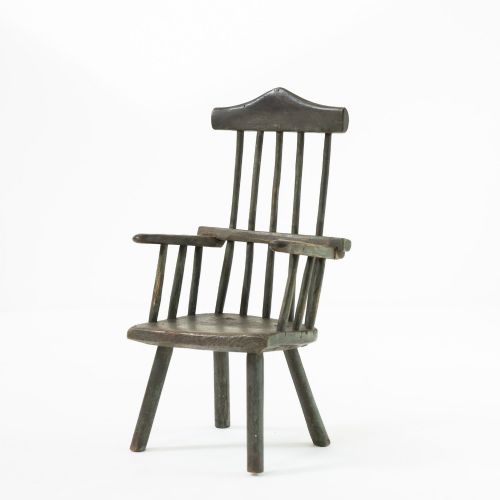
- A wooden chair with a solid sculpted seat into which the legs and back sticks are independently inserted. This form typically employs bentwood for the bow or comb.
- Comb-back
- A Windsor variant where the back sticks rise to support a top rail resembling the teeth of a comb. This style frequently appears in eighteenth-century vernacular seating.
- Lambing chair
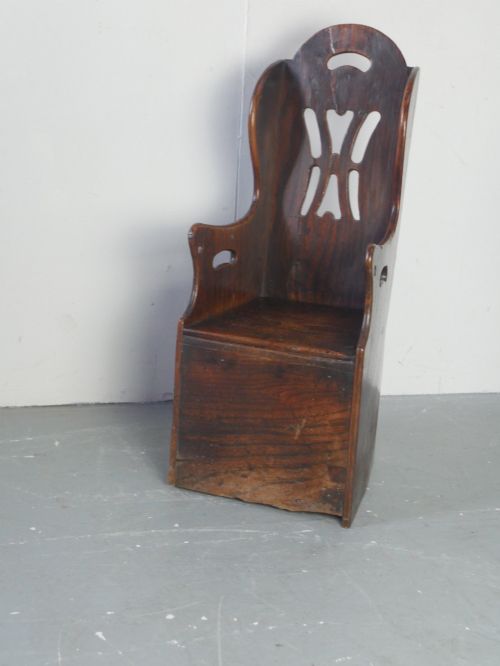
- An enclosed high-backed armchair, often fitted with solid wooden wings to shield the sitter from draughts. These pieces frequently incorporate storage compartments beneath the seat.
- Ladderback
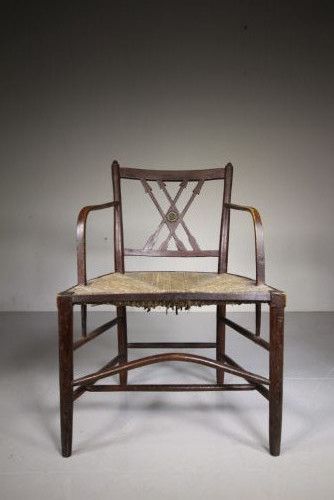
- A chair featuring horizontal slats or rails between the vertical rear posts. These frames commonly support rush or woven seating.
- Carver
- An armchair designed in the style of a larger dining or side chair set. These pieces were traditionally intended for the head of the table.
- Stick-back
- A chair constructed with plain turned or cleft spindles forming the backrest. This method provides robust support without elaborate carving.
Antique Vernacular Chair: Frequently Asked Questions
What is an antique vernacular chair?
An antique vernacular chair is a regionally made piece of domestic seating shaped by local traditions rather than formal academic design. These items prioritised utility and durability for daily use in rural homes.
They encompass various forms such as Windsors, ladderbacks and lambing chairs, constructed from native timbers by rural woodworkers.
How do I identify periods?
Periods are identified through structural characteristics, joinery techniques and stylistic markers associated with eighteenth-century, Georgian, Victorian or later eras. Eighteenth-century examples often display deep comb-backs and heavier proportions.
Nineteenth-century pieces frequently show greater standardisation in turning and steam-bent components, while specific regional traits help narrow down the origin.
Where were these chairs used?
These chairs were used primarily in farmhouses, country cottages, kitchens and crofts across Britain. Their robust construction suited the demanding conditions of rural domestic life.
Specific designs like lambing chairs served near hearths to block draughts, while children's versions accommodated younger household members.
How do I live with them?
Living with these chairs involves integrating robust, characterful wooden seating into everyday modern interiors. Their understated forms complement both traditional and contemporary dining spaces.
Placing them away from direct heat sources helps preserve the original timbers and historic surface patination over time.