


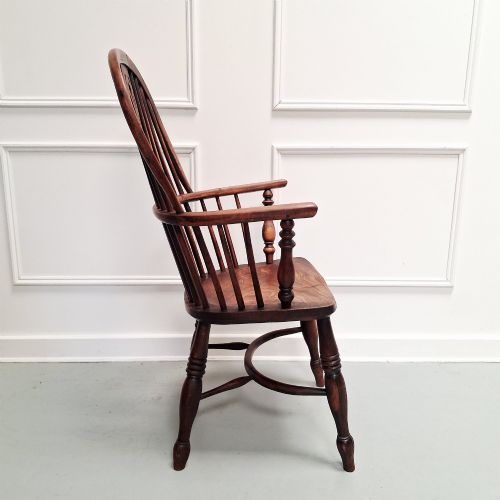
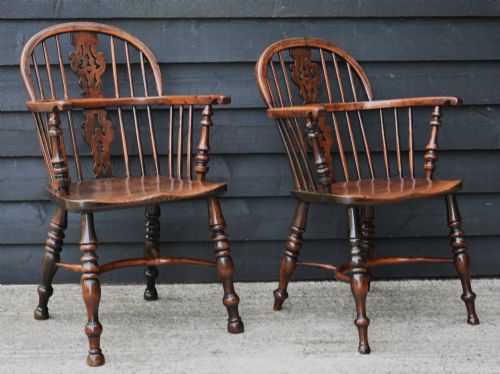
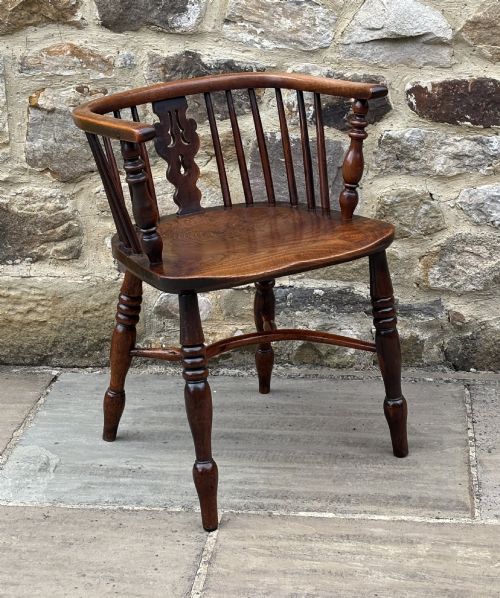
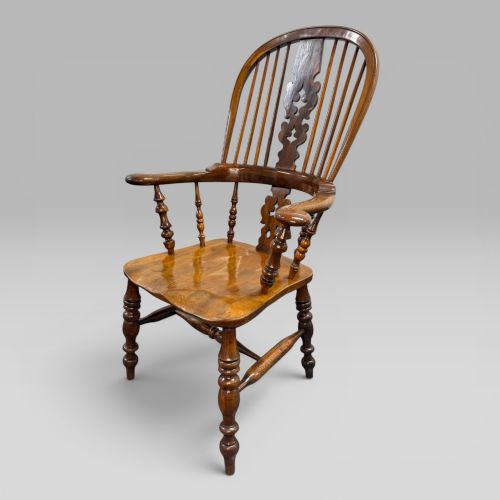
Yew Wood Windsor Armchair
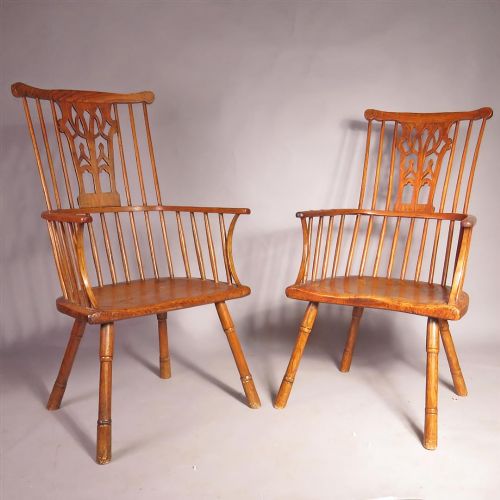
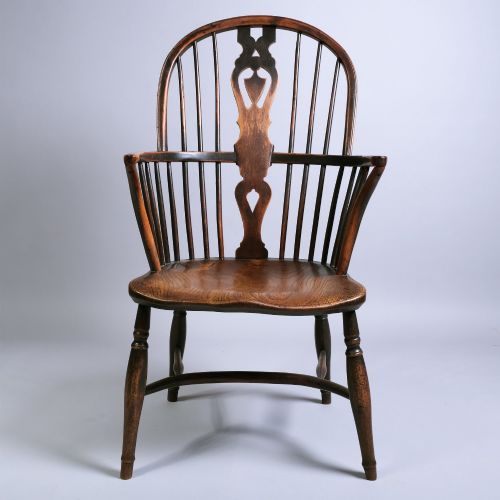
A yew wood windsor armchair brings distinctive grain and vernacular warmth into a room, joining traditional timber construction with deep seating comfort.
Yew Wood Windsor Armchair
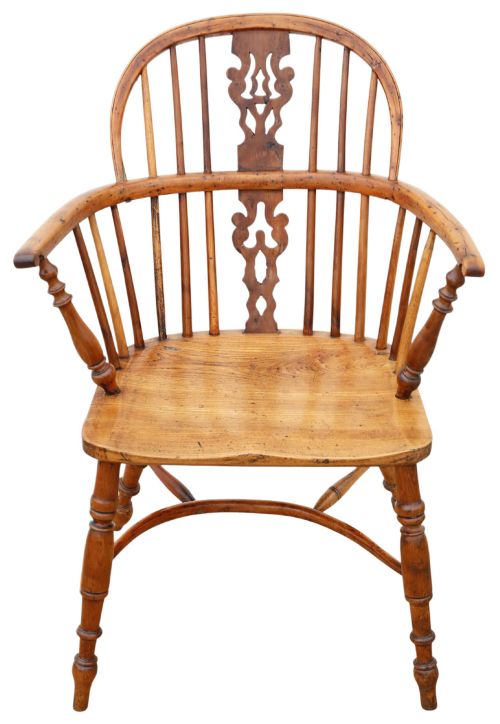
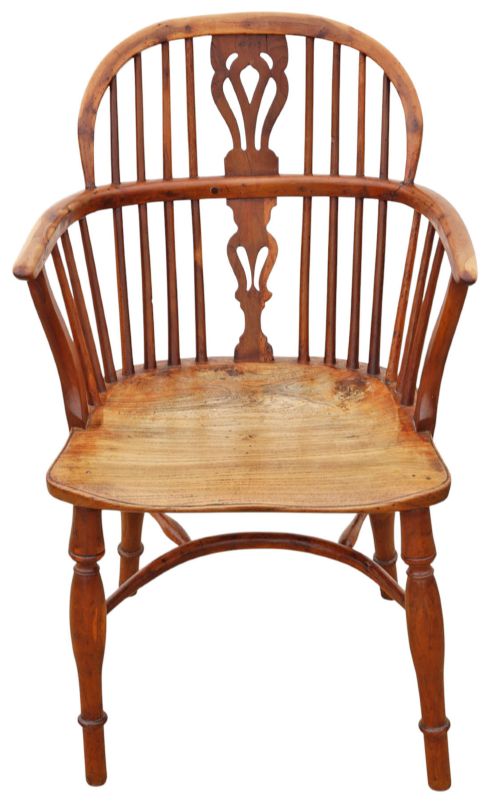
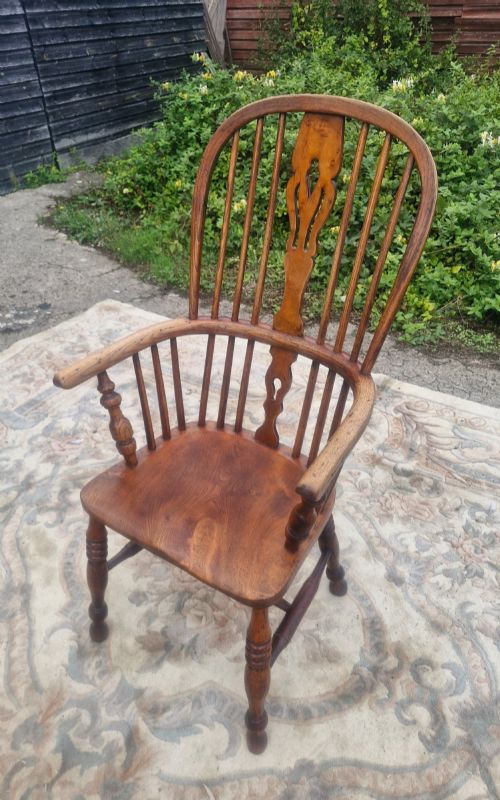
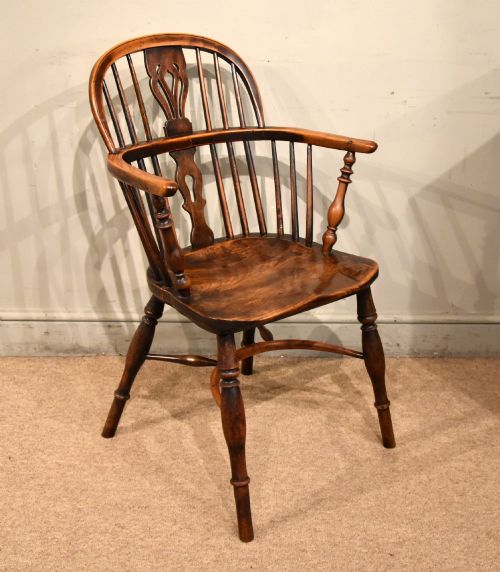
A yew wood windsor armchair is a traditional form of seating rooted in English country vernacular furniture making. These chairs feature a characteristic wooden seat into which the legs, back spindles and bow are independently fitted. Buyers searching this phrase meet variations spanning the Georgian, Victorian and nineteenth century periods.
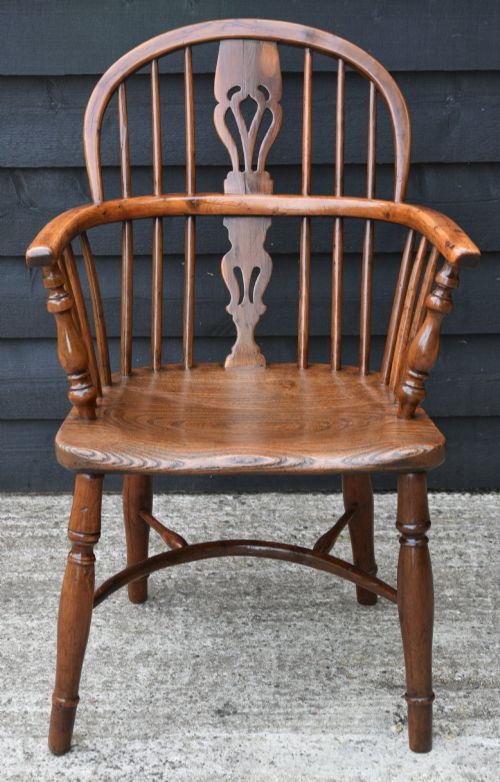
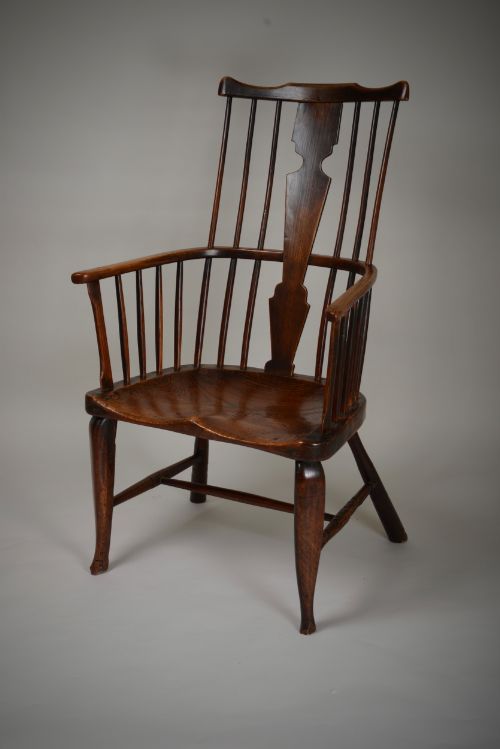
The most common examples on this page pair rich yew wood elements with elm seats, often displaying hoop backs, comb backs or low back splats. Makers shaped these regional forms using local timbers, producing robust carver chairs and dining armchairs designed for domestic utility.
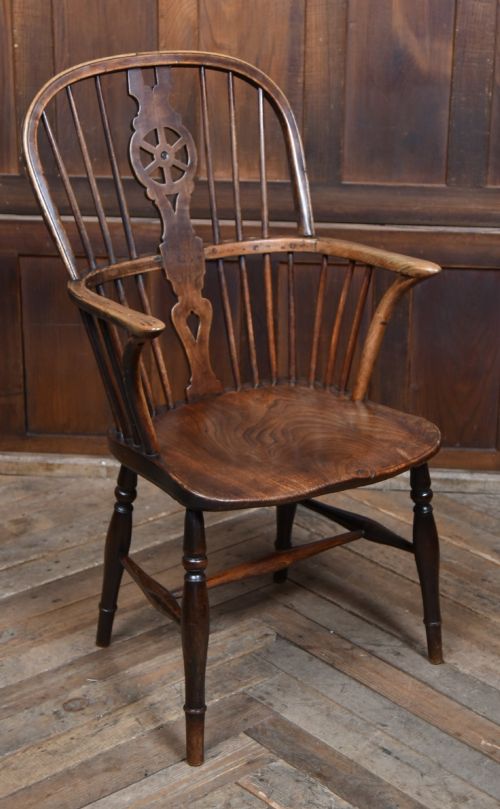
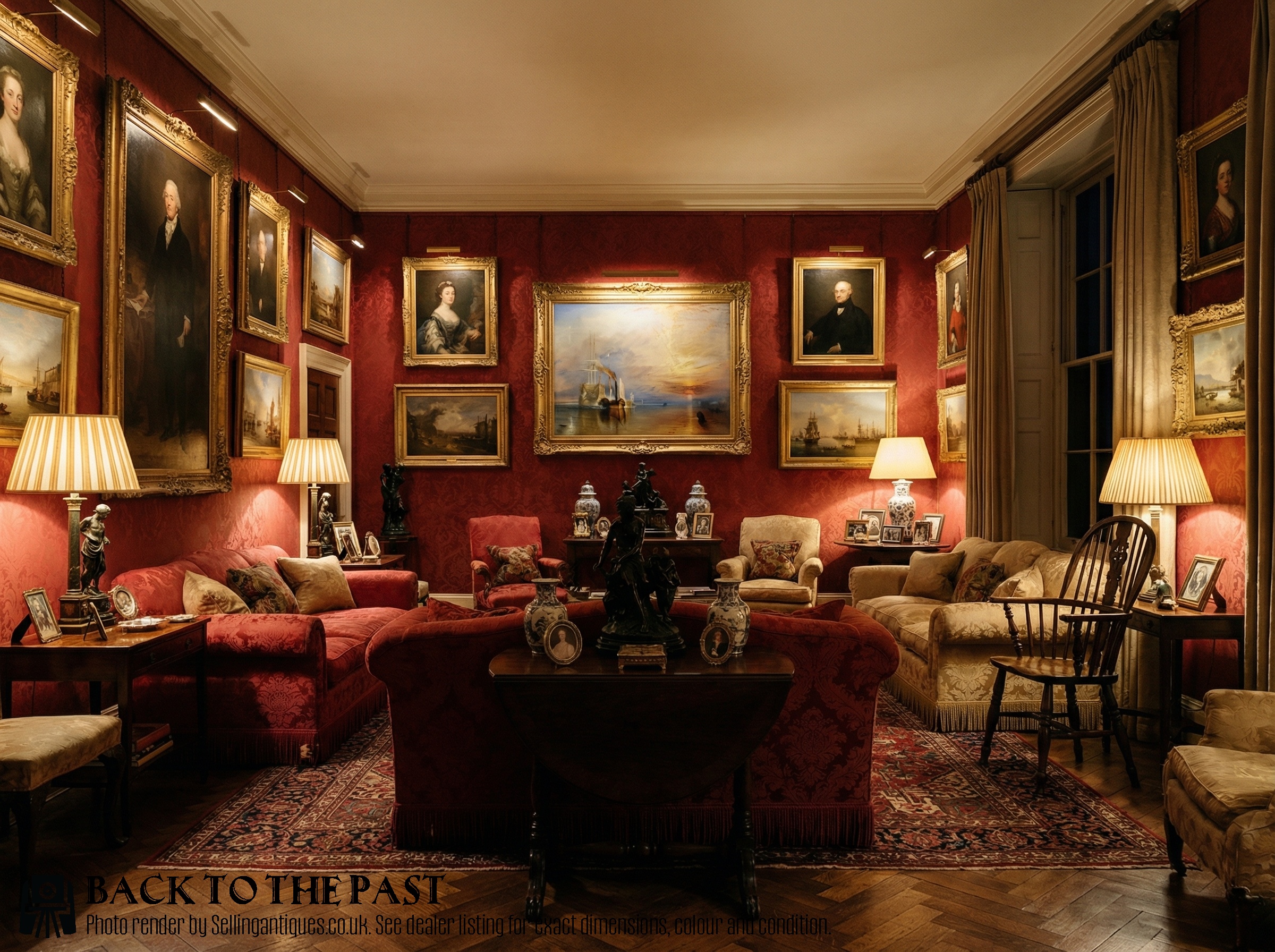
Regional subtypes include Thames Valley pieces and Nottinghamshire designs, alongside wheel-back and crinoline stretcher variations. They function as both practical seating and focal points in historic or contemporary interiors.
How They Were Made
Makers constructed these chairs by boring holes directly into a solid sculpted wood seat, usually elm, and wedging the legs and back spindles into place. The distinctive bentwood bows, steam-formed from flexible timbers like ash, were pegged into the seat to create a sturdy structural frame.
Craftsmen selected yew wood for its striking figure and density, frequently utilising burr yew for prominent splats or arms. Secondary timbers such as beech, oak and fruitwood supported structural components like stretchers and legs.
Yew Wood Windsor Armchair Retail Price Guide 2026
Typical asking prices for yew wood windsor armchair among the pieces listed under this phrase on Sellingantiques today, from the lower quarter to the upper quarter. They describe what is for sale here now, not the wider market.
Several miniature child-sized versions survive, built with the exact same joinery as full-scale armchairs for young household members.
What Varies In Quality
Quality rests upon the selection of timber figures, particularly the intensity and grain distribution found within the yew wood and burr elements. Superior examples display carefully chosen burr wood splats and deeply figured grain patterns across the main structure.
Construction subtleties further separate examples, including the delicacy of the spindle turning, the elegance of the comb or hoop sweep, and the proportion of the sculpted saddle seat. The presence of original makers' stamps or regional bracing structures like crinoline stretchers elevates the standing of an individual piece.
J Spencer·Gabbitass Worksop·John Brand of Sleaford·Robert Prior
The Yew Wood Windsor Armchair Glossary
- Comb back
- A Windsor chair back design featuring vertical spindles topped by a horizontal crest rail that resembles the teeth of a comb. This regional style appeared frequently in eighteenth-century vernacular seating.
- Hoop back
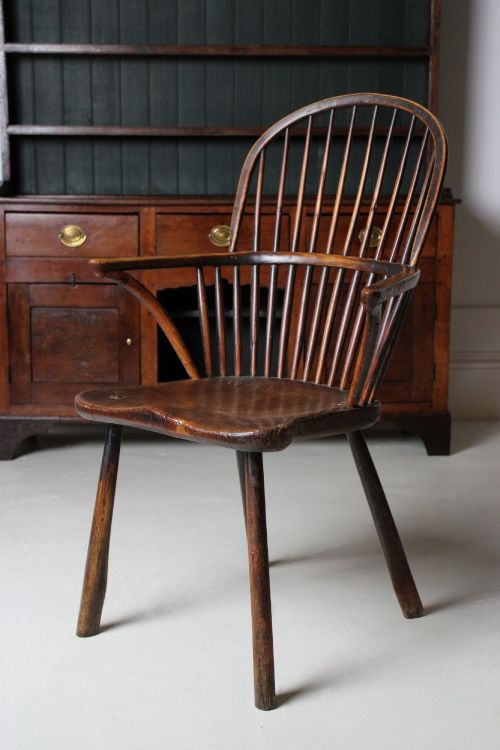
- A continuous bentwood rail forming the main arch of the chair back and arms. Steam-bent timber created this single-piece loop secured directly into the seat.
- Crinoline stretcher
- An arched or curved wooden brace connecting the legs of a Windsor chair to provide structural rigidity. The design resembles the shape of a crinoline hooped petticoat.
- Saddle seat
- A wooden chair seat hollowed out into a shallow concavity for ergonomic comfort. Makers shaped elm blocks to mirror human contours.
- Wheel back
- A Windsor chair back incorporating an openwork wooden splat carved in the shape of a cartwheel. This decorative motif gained popularity during the nineteenth century.
Yew Wood Windsor Armchair: Frequently Asked Questions
What is a yew wood windsor armchair?
A yew wood windsor armchair is a traditional wooden seat where the legs and back are tenoned directly into a solid slab seat. They combine vernacular craftsmanship with distinctive timber grain.
These chairs developed across English regional workshops, particularly during the eighteenth and nineteenth centuries. Their construction relies on stick-back and bentwood techniques rather than traditional cabinetmaking frames.
Where were windsor chairs made?
Windsor chairs originated in various English rural districts, with distinct regional styles emerging from the Thames Valley, Nottinghamshire, and Yorkshire. Local makers utilised accessible regional timbers.
Different areas developed specific back types and stretcher arrangements, allowing historians to trace the origins of unmarked pieces through structural characteristics.
How do I care for a yew wood chair?
Maintain yew wood furniture by keeping it away from direct heat sources and sudden humidity changes to prevent timber splitting. Regular dusting with a dry cloth preserves the finish.
Applying occasional appropriate wax polish helps maintain the natural sheen of the wood without building up heavy residues over time.
How do I date a windsor armchair?
Dating relies on examining construction methods, tool marks on the seat underside, and the evolution of the back design from eighteenth-century comb backs to Victorian hoop and wheel backs. Wood patination also provides clues.
Earlier pieces often exhibit hand-carved details and specific regional turning patterns, while later nineteenth-century examples may show standardised machine production traces.