


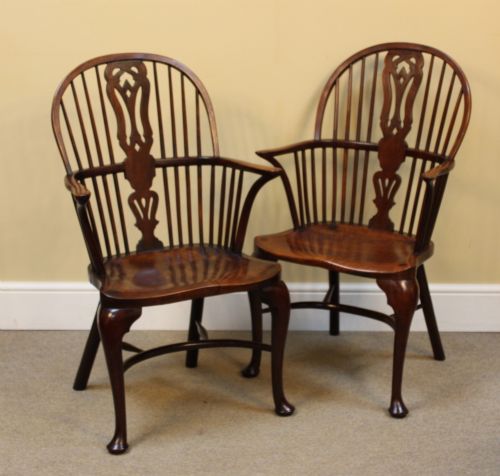
Georgian Yew Windsor Chair
A georgian yew windsor chair brings tactile warmth and regional craftsmanship into a room through figured timber and traditional turning.
Georgian Yew Windsor Chair
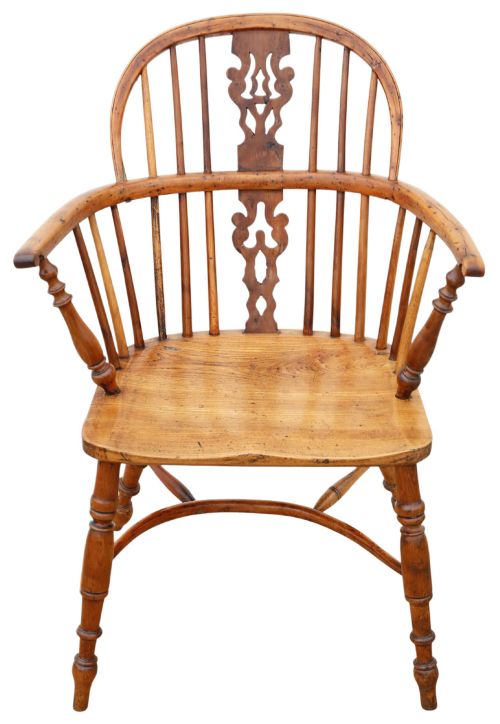
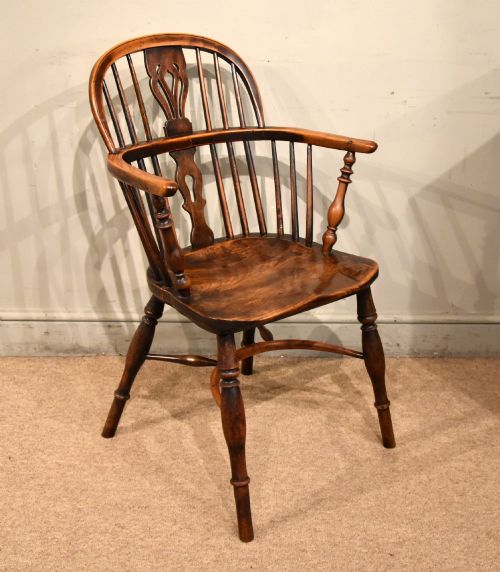
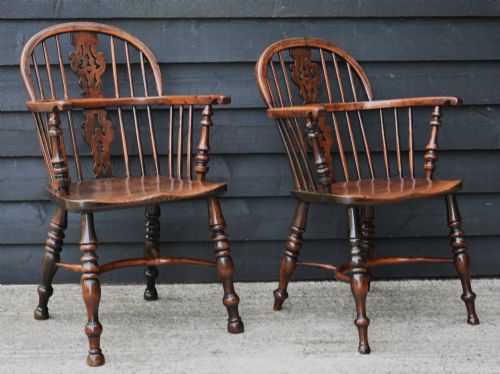
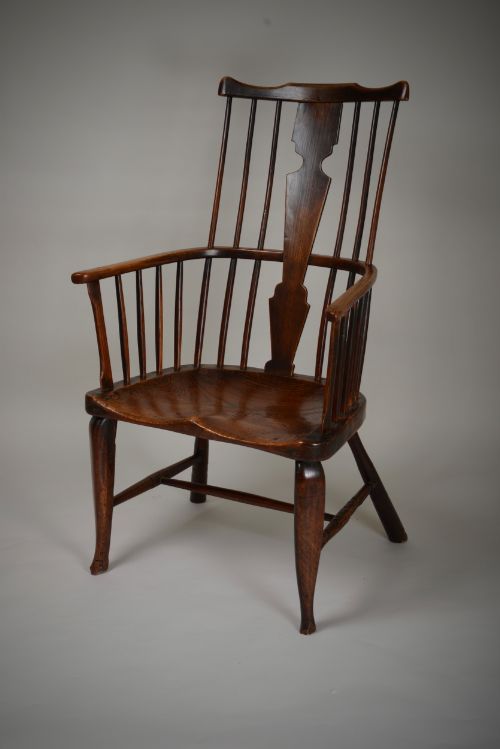
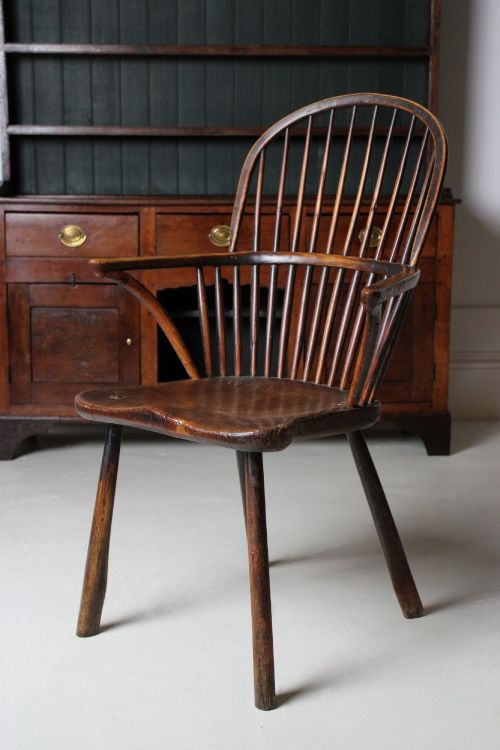
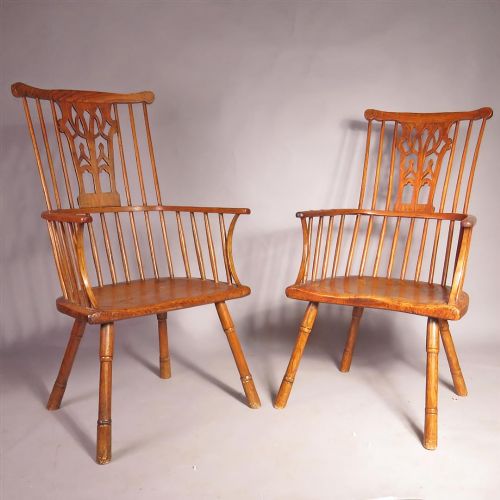
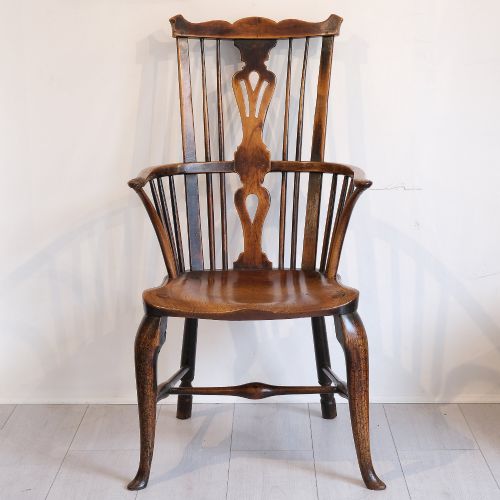
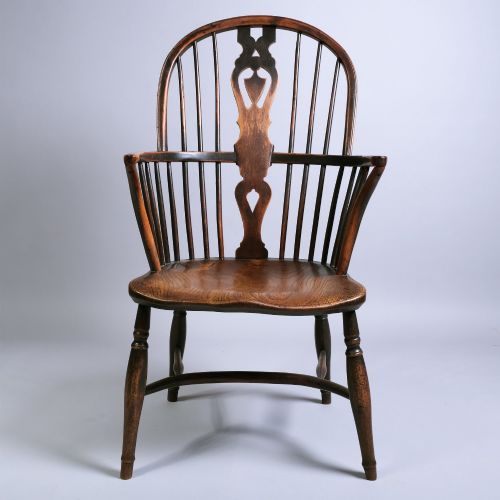
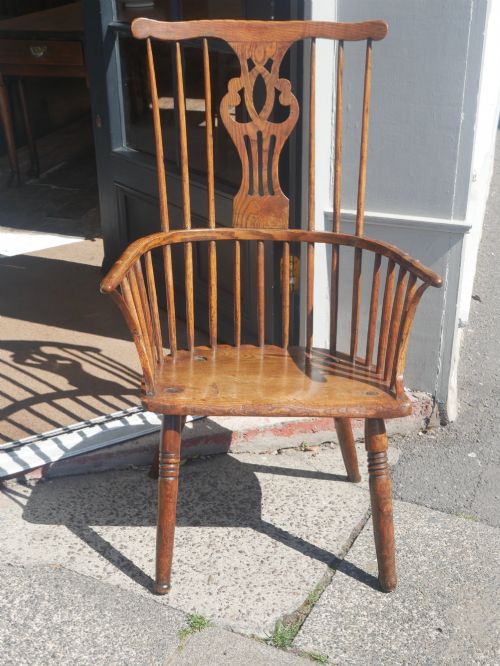
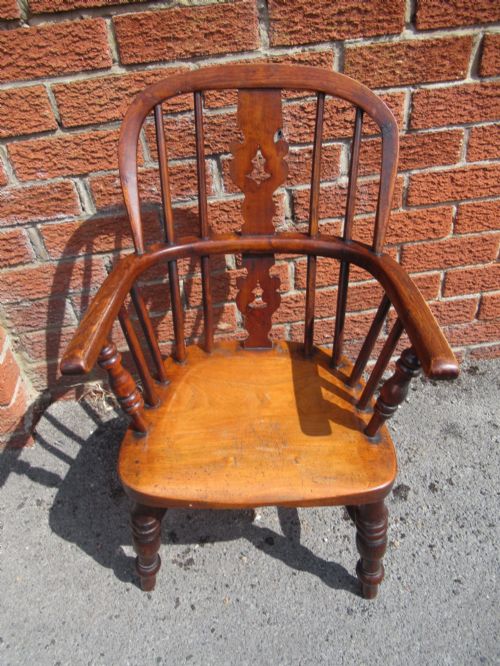
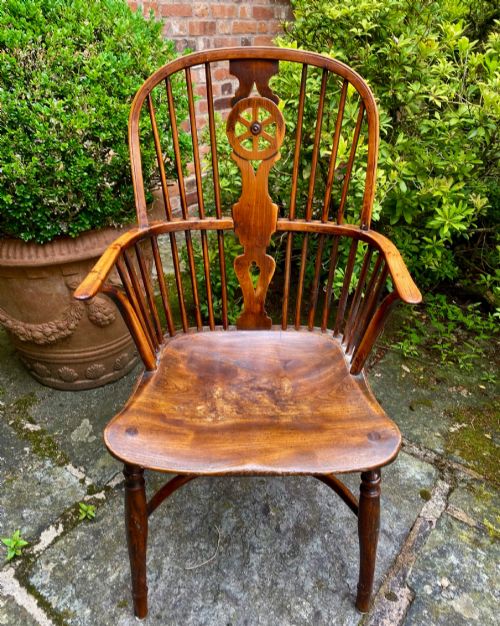
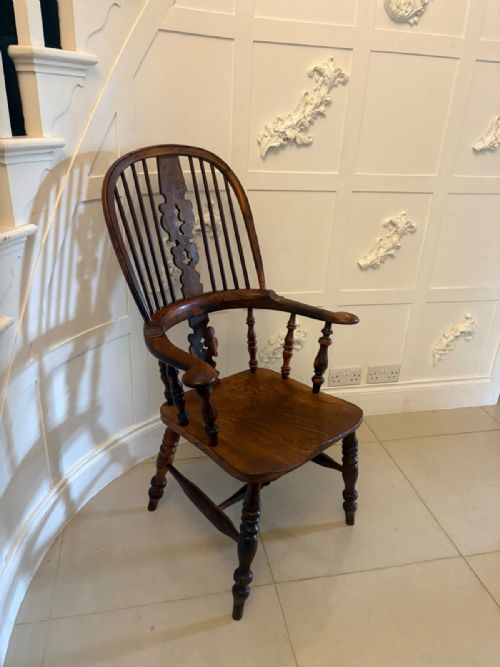
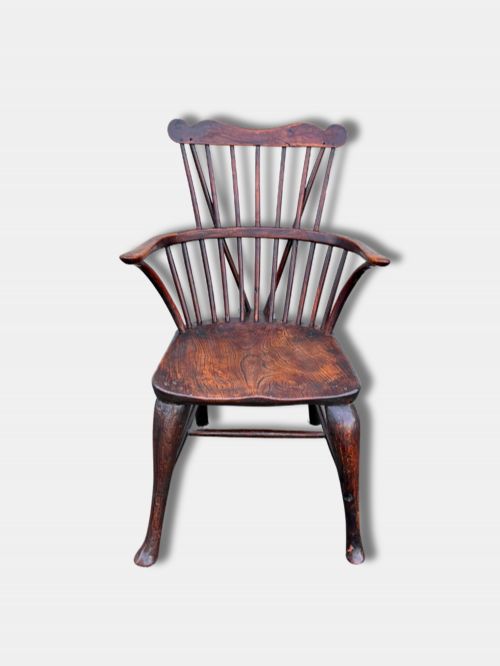
When you search for a georgian yew windsor chair, you encounter regional English seating forms that combine turned wooden spindles with sculpted seats. These chairs emerge from 18th-century and 19th-century vernacular traditions, spanning armchairs, carvers, and low-back or high-back variants.
The pieces on this page showcase distinct regional identities, including Thames Valley, Yorkshire, and Mendlesham examples. Makers frequently paired yew with elm, ash, or beech to create sturdy domestic seating intended for everyday utility in country houses and parlours.
Timbers and Construction
Constructors relied on a combination of dense yew wood for its rich figuring, paired with elm for resilient, split-resistant solid seats. Spindles and legs utilised ash, beech, or fruitwood, turned on pole lathes to achieve tapered profiles.
Makers locked the components together through wedged tenon joints, where legs and back bows pass directly through the thick wooden seat slab. Stretcher systems, such as crinoline stretchers, provided structural rigidity to the underframe.
Georgian Yew Windsor Chair Retail Price Guide 2026
Typical asking prices for georgian yew windsor chair among the pieces listed under this phrase on Sellingantiques today, from the lower quarter to the upper quarter. They describe what is for sale here now, not the wider market.
Listings feature 18th-century and 19th-century examples constructed from yew, elm, ash, and beech.
The Measure of Distinction
Quality rests in the intensity of the yew wood figuring and the sculptural confidence of the pierced splat or bentwood hoop. Chairs with well-defined arm scrolls and generous proportions demonstrate superior regional craftsmanship.
The integrity of the original joints and the presence of a timeworn, untouched surface patina elevate an example above standard utility seating. Matched sets and stamped maker attributions further distinguish exceptional survivals.
John Brand of Sleaford·Rockley Maker
The Georgian Yew Windsor Chair Glossary
- Comb back
- A Windsor chair design where the vertical spindles extend upward to support a horizontal top rail, resembling the teeth of a comb.
- Crinoline stretcher
- A curved underframe brace joining the legs of a chair, named after the 19th-century fashion accessory for its hoop-like profile.
- Broad arm
- A chair arm featuring an expanded, flat paddle surface designed for writing or resting objects.
- Pierced splat
- A shaped central wooden upright fitted into the back of a chair, pierced with decorative cut-outs.
Georgian Yew Windsor Chair: Frequently Asked Questions
What is a windsor chair?
A Windsor chair is a form of seating where individual turned spindles and back bows are fitted directly into a solid wooden seat. This construction method creates a resilient, light structure derived from vernacular English traditions.
Craftsmen utilised regional timbers such as yew, elm, and ash to build these domestic seats. Their robust framework made them staples of both country houses and provincial parlours.
How do you date an old windsor chair?
Dating relies on observing structural transitions, tool marks, and timber combinations across the frame. Earlier examples from the 18th century often display subtle vernacular asymmetry and peg construction methods.
As production moved into the 19th century, turning techniques became more standardised and timber selection shifted. Comparing back styles, such as wheel backs or comb backs, helps place an example within its period.
Why is yew wood used?
Yew wood was selected for its exceptional decorative grain pattern, natural warmth, and dense cellular structure. Cabinetmakers prized figured yew for creating striking visual contrast within chair backs and arms.
Because large yew trees grew irregularly, craftsmen frequently combined the timber with durable elm seats. This pairing maximised both aesthetic impact and everyday structural strength.
Where were these chairs made?
These chairs originated across various English rural workshops and regional centres of vernacular furniture production. Specific locales, such as the Thames Valley and Yorkshire, developed distinct local characteristics in their chair design.
Makers worked with locally sourced woods, leading to regional variations in stretcher placement and arm shapes. Surviving examples carry the stylistic fingerprints of their specific geographic origins.