



Curved Back Wooden Chair
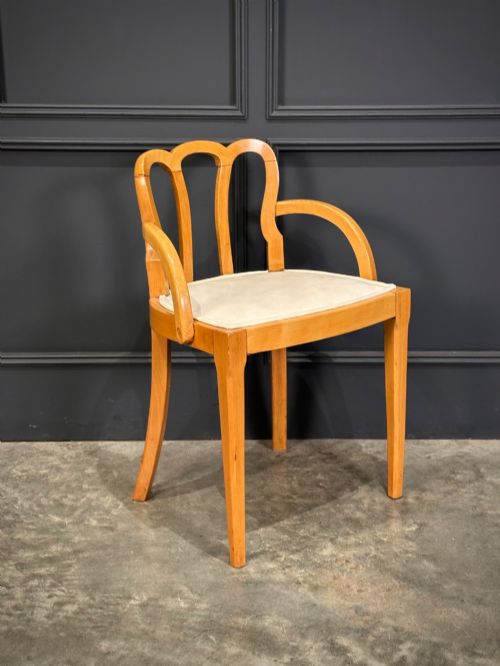
These curved back wooden chair examples offer sturdy seating spanning the nineteenth and twentieth centuries, shaped by regional English, European, and Chinese traditions.
Curved Back Wooden Chair
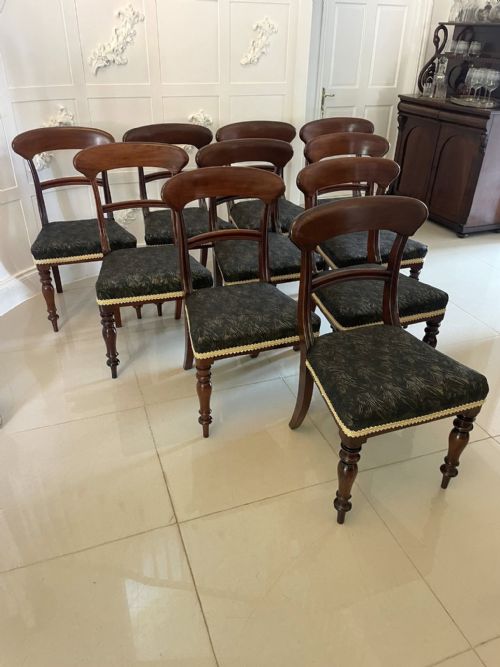
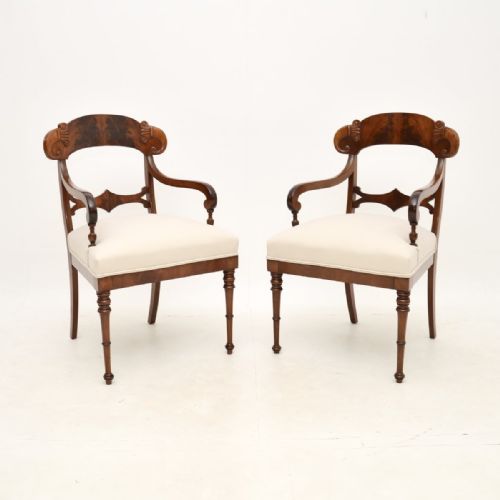
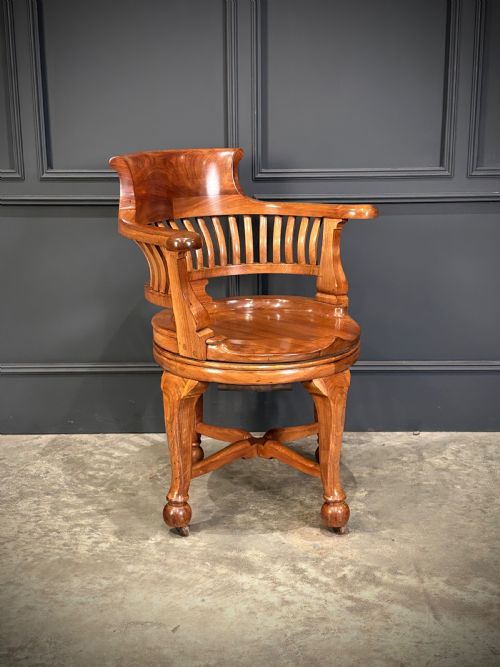
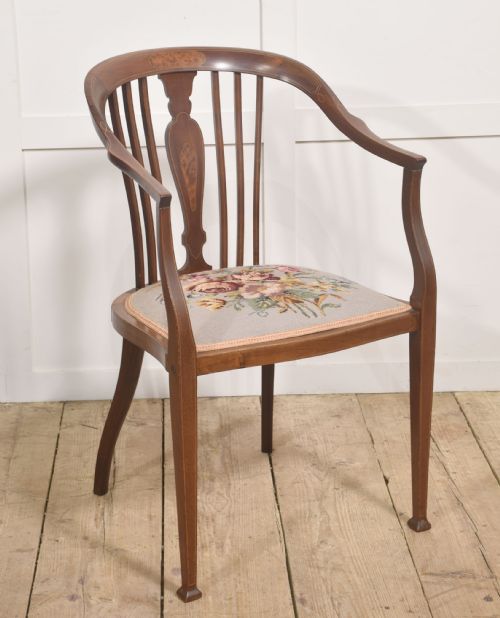
A curved back wooden chair serves various practical roles across domestic and public spaces, ranging from dining seats to office swivel chairs and low lounge settings. The selection includes sturdy elm and beech captain's chairs alongside refined mahogany dining sets from Victorian and Edwardian periods.
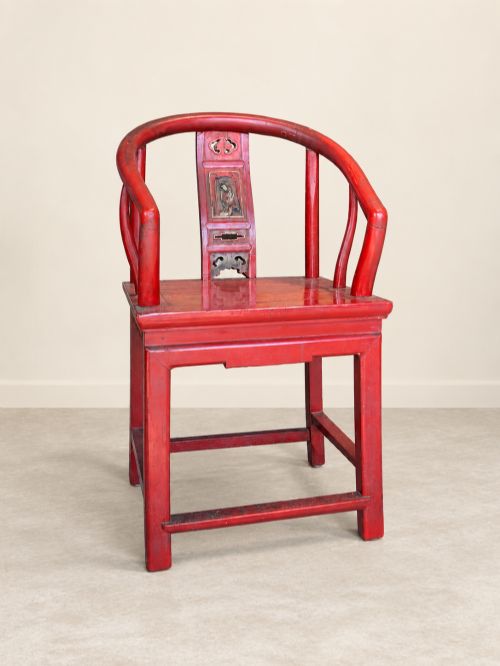
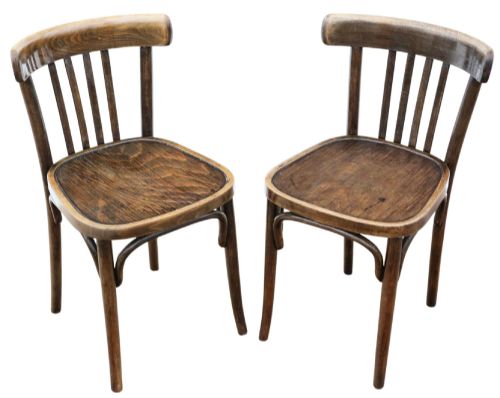
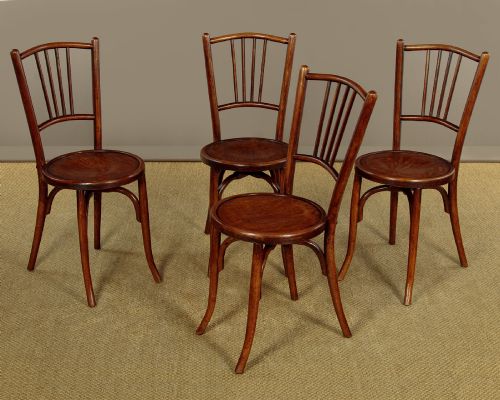
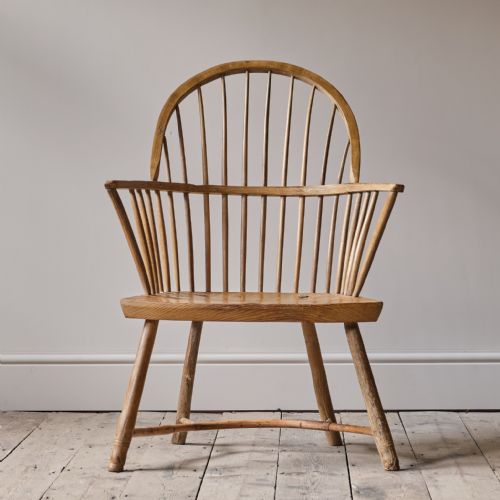
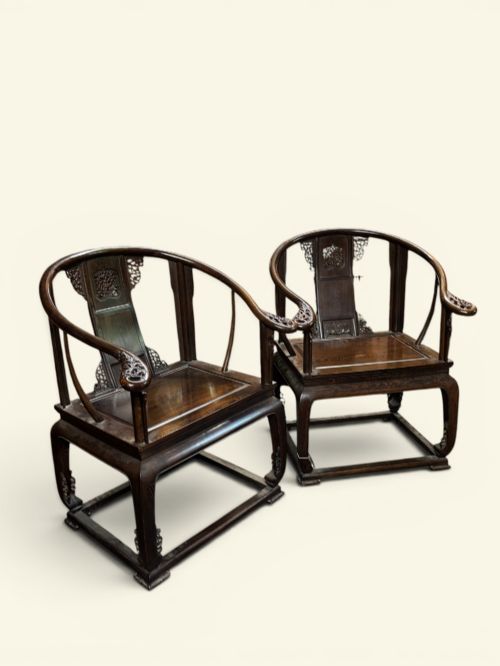
Makers shaped these forms for specific tasks, producing hoop back Windsor chairs for domestic comfort alongside horseshoe-back armchairs originating from Chinese workshops. Buyers also encounter bentwood bistro chairs and solid oak desk seating designed for everyday utility.
The materials reflect regional preferences, pairing domestic hardwoods like oak and yew with exotic timbers such as satinwood and mahogany. These forms trace back through the nineteenth century into early twentieth-century design.
How they were made
Carpenters constructed these seats using solid timbers such as elm, beech, mahogany, and oak, often combining bending techniques for continuous backrests. Steam bending allowed makers to shape flexible woods like beech into smooth curves for bistro and office seating.
Joinery methods relied on traditional mortise and tenon joints to secure the wooden framework, while bentwood designs utilised metal fixings and internal bracing. Surface finishes range from polished mahogany to pickled elm and painted Chinese woodwork.
One sturdy beech bentwood set bears the lively history of daily patrons at the bustling Cafe Royal in London.
What varies in quality
The distinction between standard utility seating and superior examples lies in the selection of timber and the complexity of the timber bending. Figured mahogany, burr elm, and select yew wood mark out finer specimens from simpler beech or pine variants.
Detailing such as inlaid satinwood, carved supports, and original swivel mechanisms elevate certain desk chairs and armchairs above plain production models. The integrity of the original wooden frame and curved components dictates the overall standard.
Thonet·Codina·Edward William Godwin·Benjamin Gilling
The Curved Back Wooden Chair Glossary
- Windsor chair
- A wooden chair built with a solid saddle-shaped seat into which the legs and back spindles are direct-inserted. This form frequently employs yew or elm for its curved back bow.
- Bentwood
- Wood softened by steam and bent into curved structural forms under pressure. This technique defined European bistro chairs and office seating.
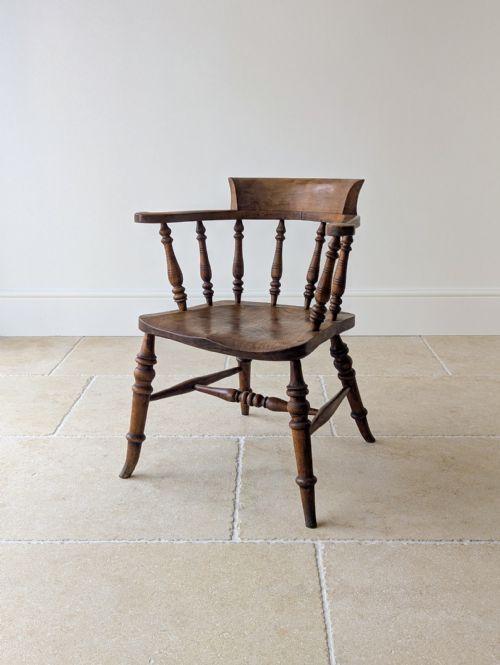
- Captain's chair
- A low, rounded wooden armchair designed for office or library use. These typically feature curved armrests supported by numerous vertical spindles.
- Horseshoe-back armchair
- A traditional Chinese seating form featuring a continuous curved rail that sweeps from the arms around to form the backrest. These are commonly rendered in elm or hardwood.
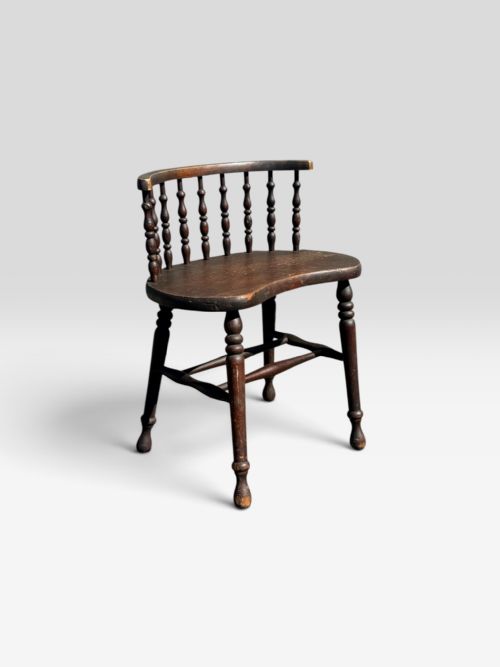
- Smokers bow
- A low-backed Windsor-style armchair with a continuous curved arm rail. This regional English form utilises sturdy elm and beech construction.
Curved Back Wooden Chair: Frequently Asked Questions
How do I identify a Windsor chair?
A Windsor chair is distinguished by its thick solid wooden seat into which the legs and back spindles are wedged directly. The curved back typically uses steam-bent wood to form a hoop or comb.
These pieces rely on pegged joinery rather than modern adhesives. The timber is often native yew, elm, or beech.
Where were bentwood chairs used?
Bentwood chairs served primarily in European cafés, bistros, and public dining rooms during the late nineteenth and early twentieth centuries. Their lightweight construction made them practical for commercial spaces.
Pubs and domestic interiors also adopted these steam-bent designs for daily dining. The curved beech frames offered durability alongside minimal weight.
How do I care for antique wooden chairs?
Maintain antique wooden chairs by keeping them away from direct heat sources and sudden humidity changes to prevent the timber from splitting. Regular dusting with a dry cloth preserves the polished finish.
Avoid commercial silicone sprays and instead apply appropriate furniture wax sparingly when the wood appears dry. Check joints periodically for stability without applying excessive pressure.
What is a captain's chair?
A captain's chair is a sturdy wooden armchair featuring a low, rounded back rail supported by small spindles. These were designed for office, desk, or library use.
Many examples incorporate swiveling mechanisms or heavy wooden bases for stability. Elm and oak were standard materials for these utilitarian seats.