


English Country Carver Chair
An english country carver chair brings sturdy vernacular character to a room, built by regional makers who valued honest construction above all.
Identifying an english country carver chair
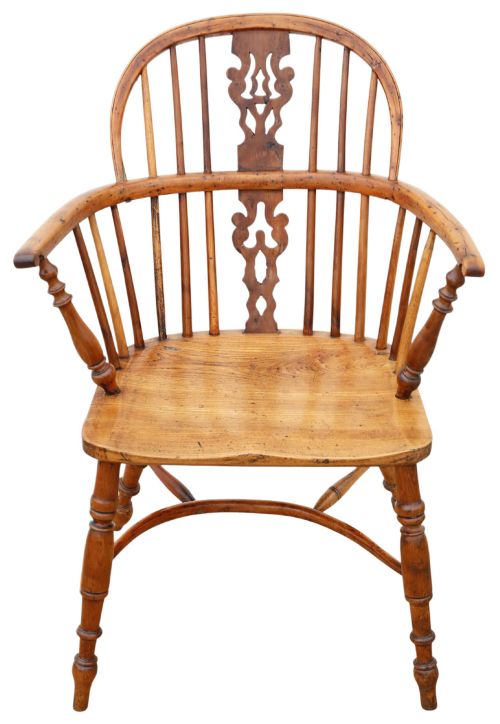
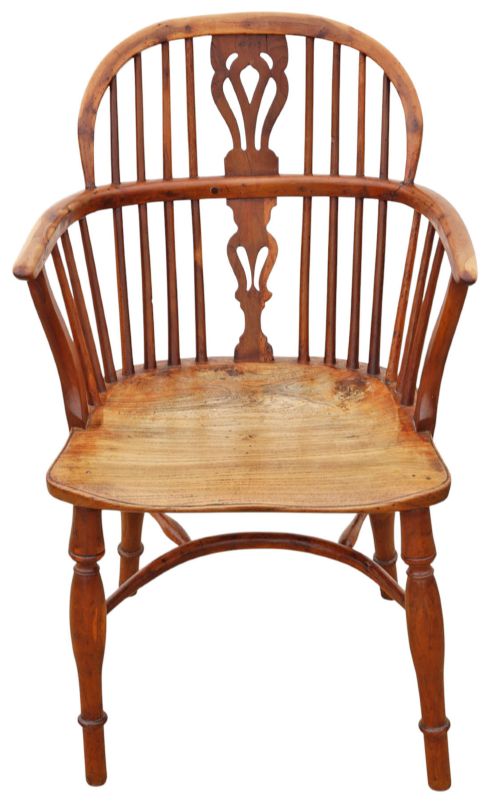
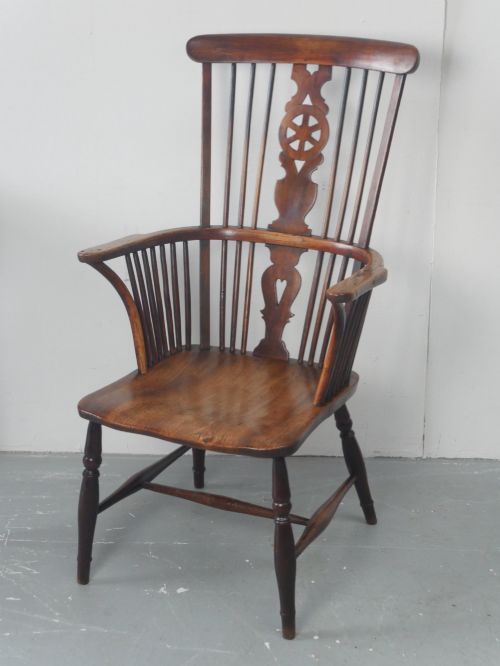
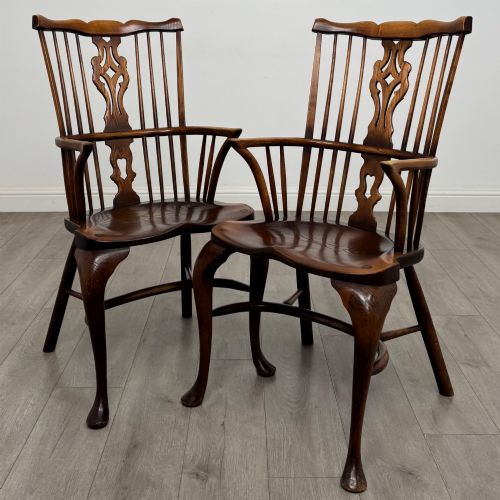
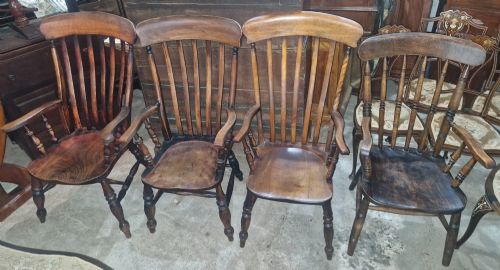
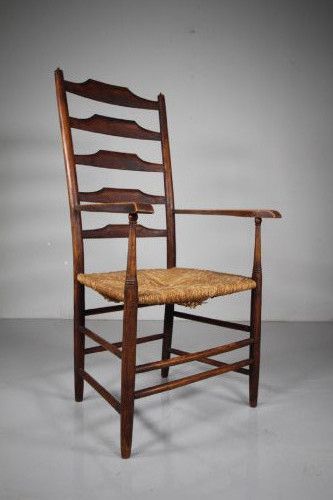
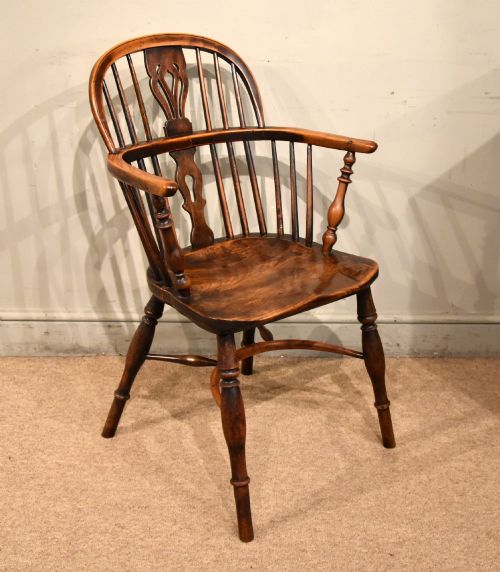
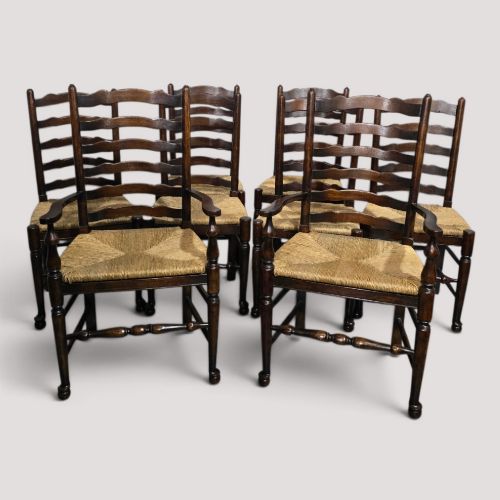
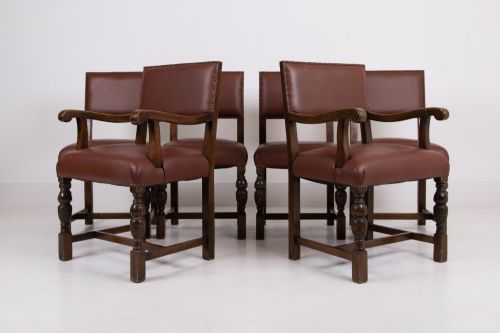
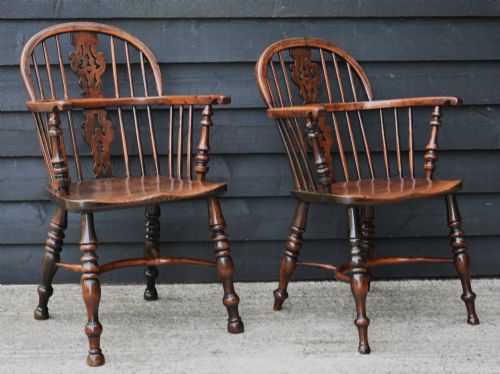
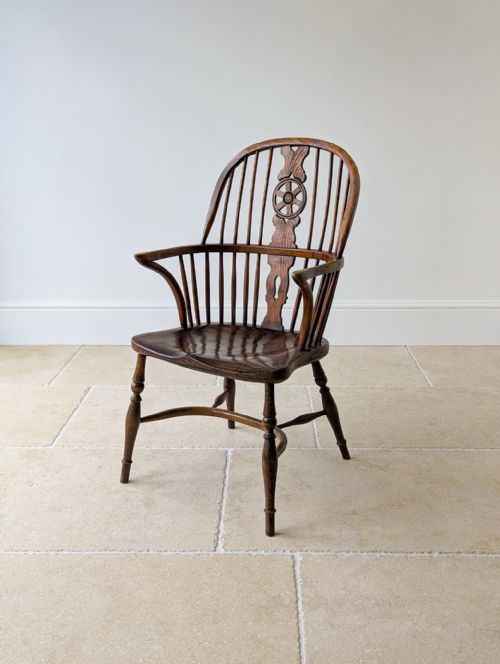
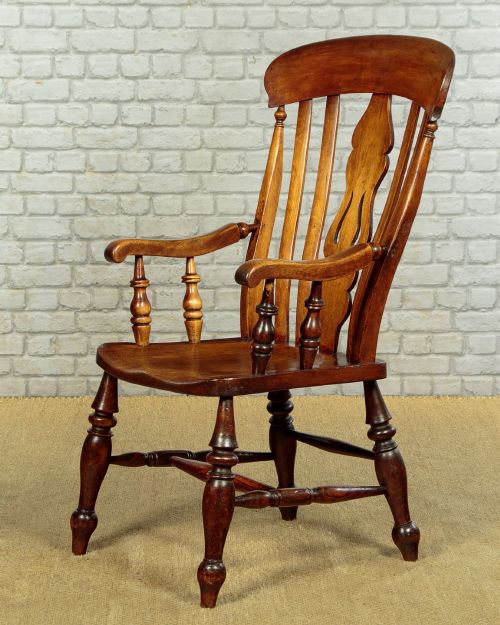
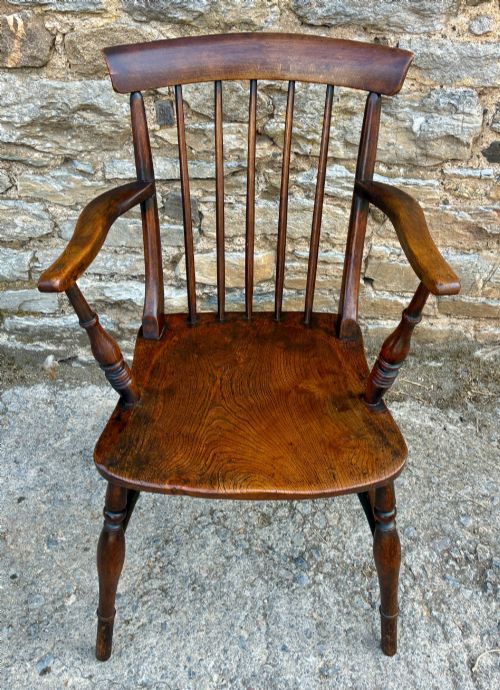
An english country carver chair is a substantial seating form designed with armrests, emerging from regional workshops during the nineteenth century. These pieces encompass ladderback designs, high back Windsor variations, and vernacular armchairs intended for everyday domestic use.
The examples most commonly encountered on this page date from the Victorian era and the broader nineteenth century. They display the practical forms developed across English provinces, often featuring generous proportions and sturdy wooden frames.
Makers utilised local hardwoods to build seating that suited rural homes, kitchens, and dining spaces. The survival of these carvers demonstrates the enduring utility of provincial cabinet making and chair bodging traditions.
Construction and materials
The materials recorded in these listings rely heavily on native timbers such as elm, ash, laburnum, and yew. Craftsmen selected these woods for their contrasting grains, toughness, and ability to be turned or bent into structural components.
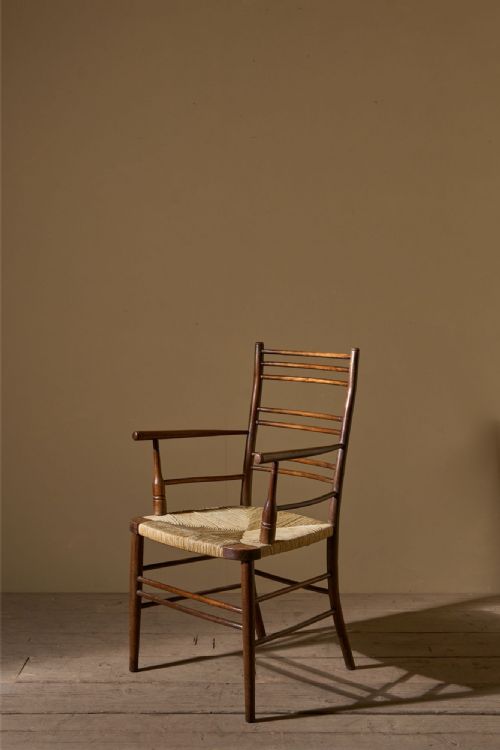
Seats were frequently formed from solid carved elm planks, paired with turned ash spindles or ladder backs. Natural rush also appears as a traditional seating material, woven tightly to provide a resilient surface within the wooden frame.
Retail Price Guide 2026
Typical UK retail prices for english country carver chair, calculated from the Sellingantiques database of over a million retail prices indexed since 2003. This retail price guide relies exclusively on Sellingantiques data; no external sources or auction records are used, so the figures do not describe the wider market.
Current listings feature nineteenth century pieces constructed from elm, ash, laburnum, and yew.
Assessing quality and character
Quality in an english country carver chair rests upon the harmony of its timbers and the integrity of its joinery. Superior examples display thoughtful selection of contrasting woods, such as laburnum and elm combined within a single frame.
The distinction between standard workshop production and finer vernacular pieces lies in the subtlety of the turnings and the ergonomic shaping of the arms and backrests. Patina accumulated through decades of use adds depth to the surface, separating honest historic wear from later alterations.
Philip Clissett
The English Country Carver Chair Glossary
- Carver chair
- An armchair, typically heavier and more substantial than the side chairs of a dining set, designed with integrated armrests.
- Ladderback
- A chair back constructed with multiple horizontal wooden rails stacked between two vertical upright posts.
- Windsor
- A traditional chair type featuring a solid carved wooden seat into which the legs and back spindles are separately dowelled.
- Vernacular
- Objects built by regional craftsmen following local traditions rather than metropolitan academic styles.
- Bodger
- A nineteenth-century woodland woodturner who produced chair legs and spindles on a pole lathe directly in the forest.
Frequently Asked Questions
How do I date these chairs?
Dating relies on stylistic markers, construction methods, and the visible ageing of native woods like elm and ash.
Most surviving examples date from the nineteenth century, including the Regency and Victorian periods, identified through turning details and joint types.
Where were these chairs used?
These carvers were primarily made for domestic spaces in rural English homes, including kitchens and dining rooms.
Their sturdy construction made them suitable for daily heavy use by the hearth or at the dining table.
Are rush seats original?
Natural rush was frequently utilised by regional makers to create woven seating surfaces within wooden frames.
Many surviving pieces retain or have been sympathetically restored with traditional rush to maintain their original aesthetic.