

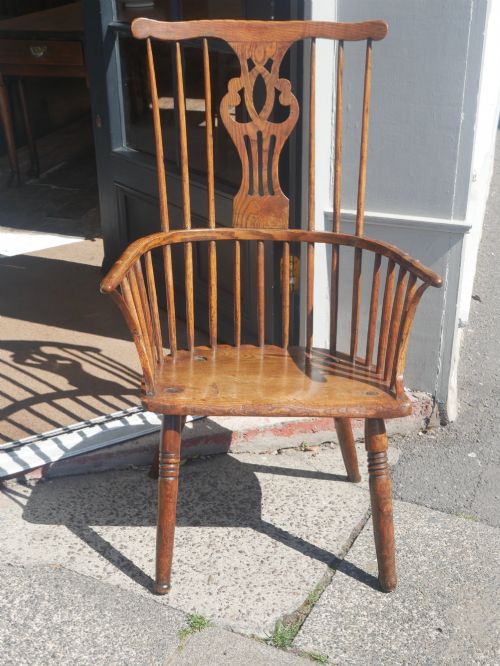
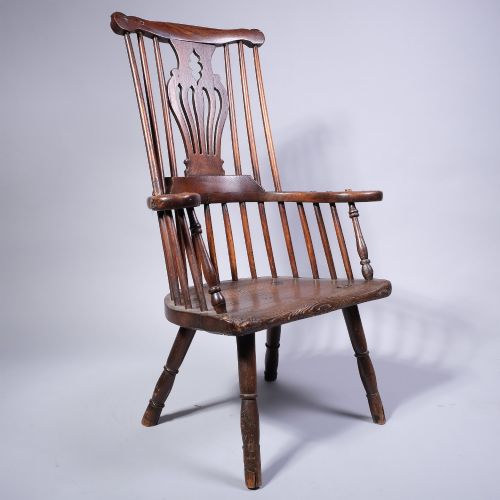
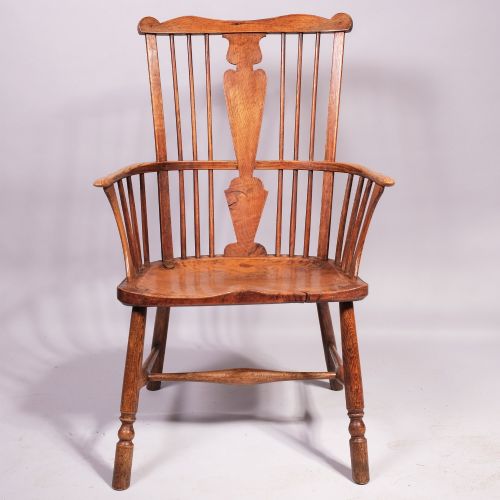
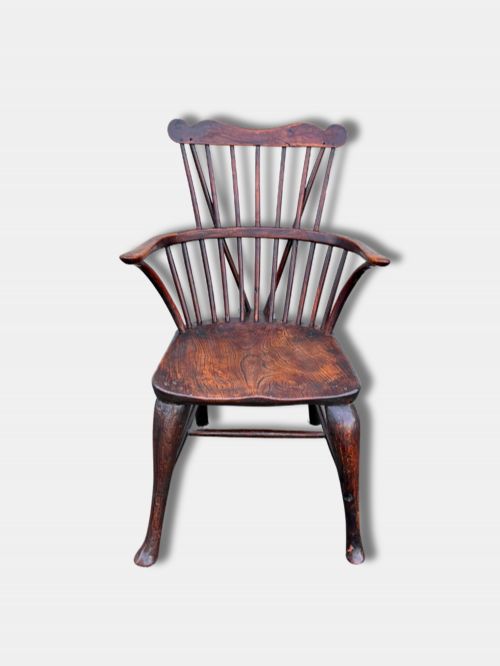


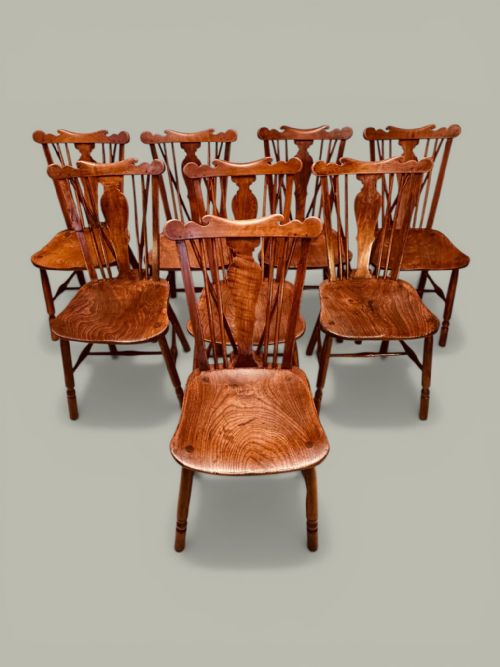
Georgian Comb Back Chair
A georgian comb back chair offers robust country seating, combining a tall spindle crest with sturdy vernacular construction to anchor any room.
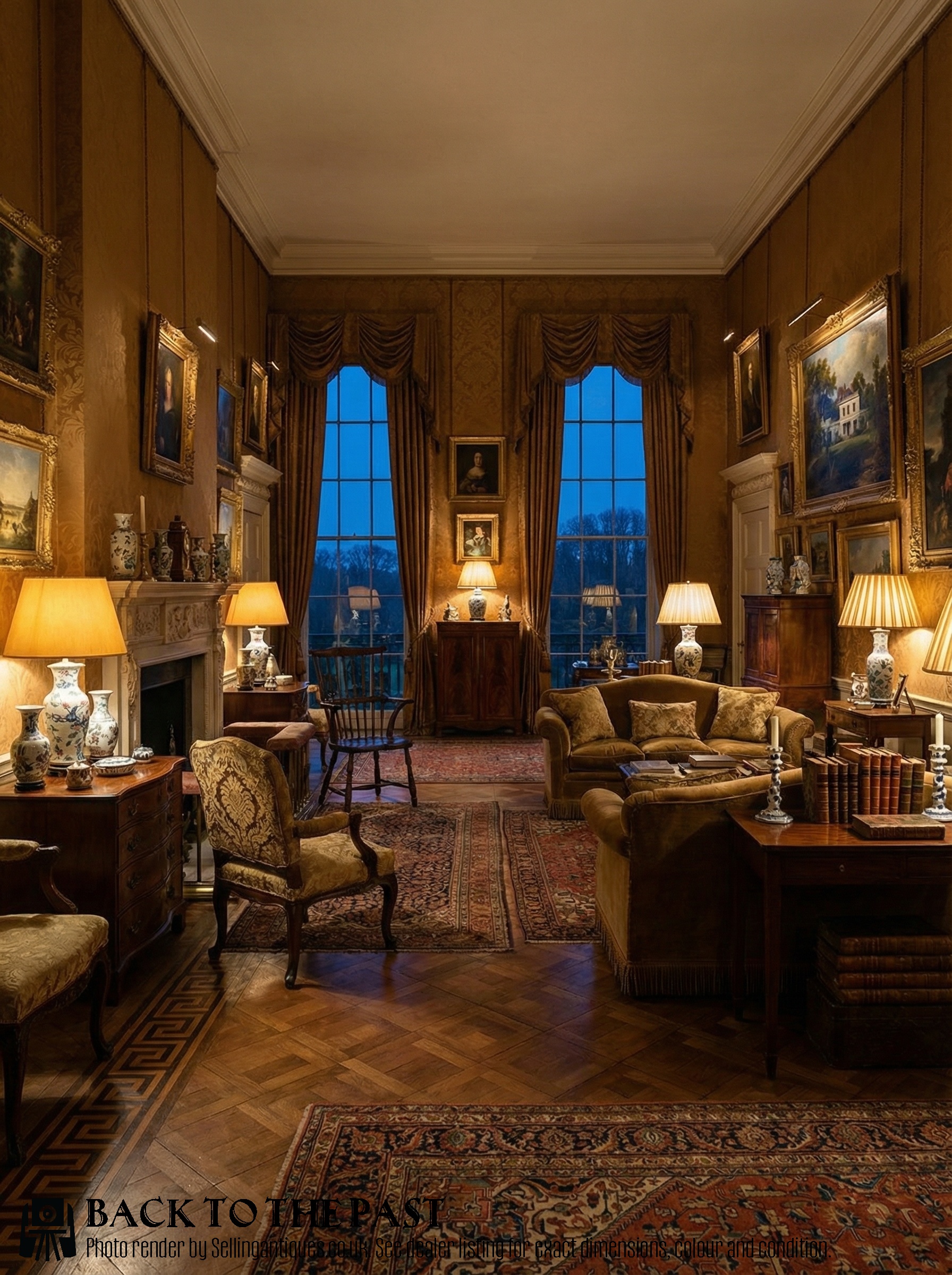
Georgian Comb Back Chair
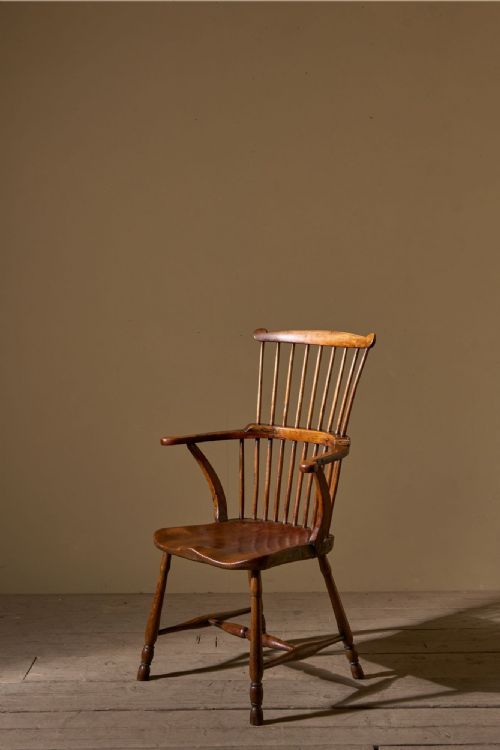
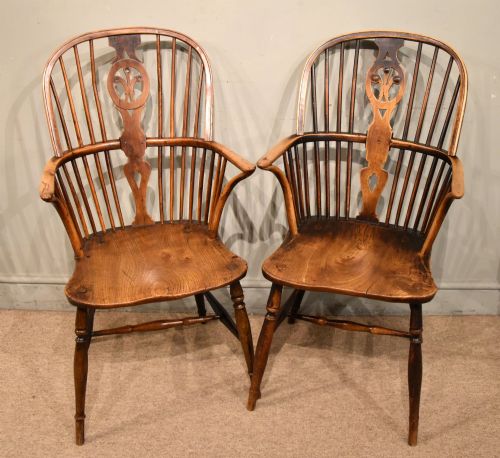
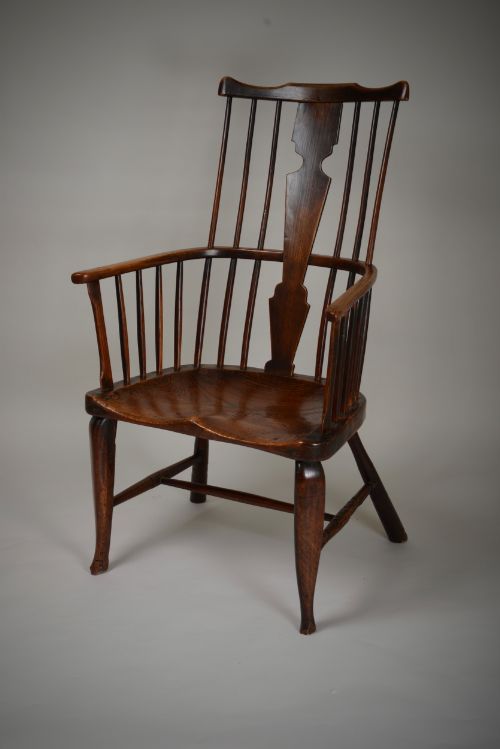
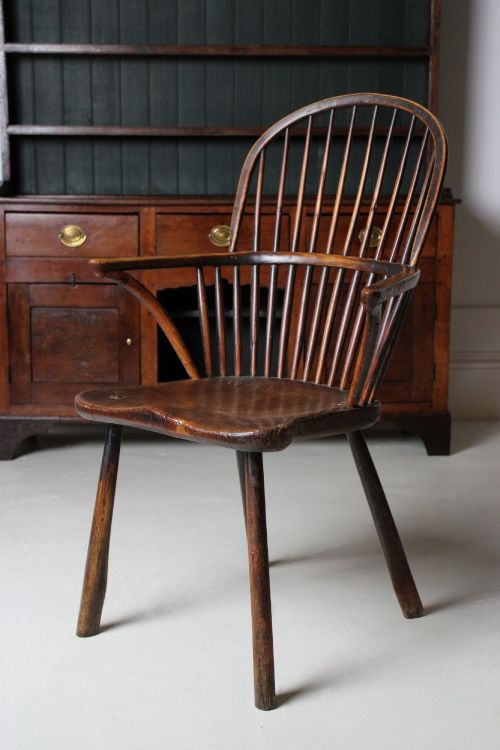
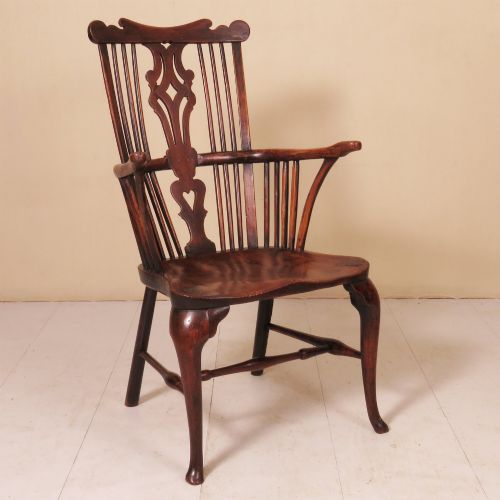
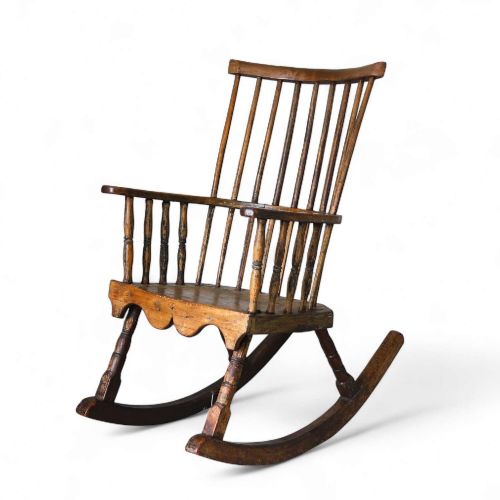
A georgian comb back chair represents the traditional Windsor form developed through the eighteenth and nineteenth centuries. These pieces typically function as armchairs, rocking chairs, or side chairs created in regional British workshops.
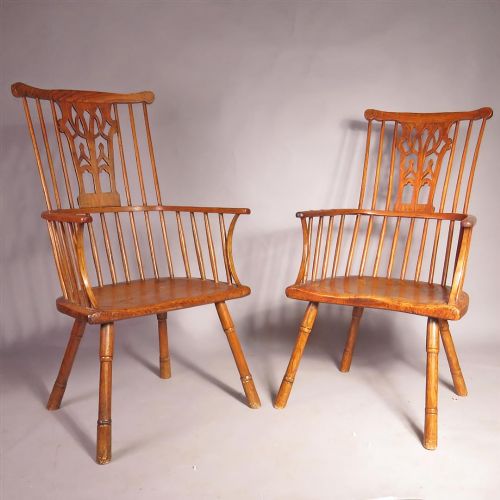
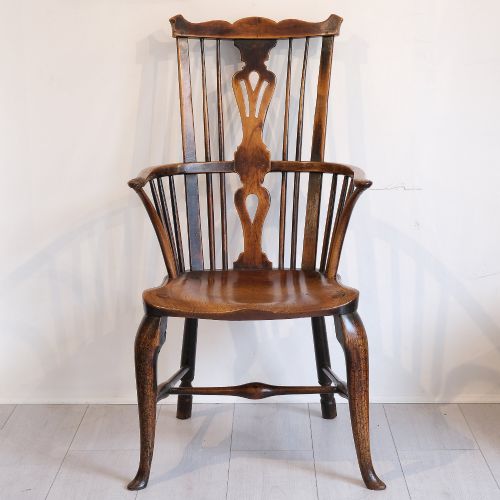
The most common examples on this page are constructed from ash and elm, often featuring high stick backs with distinct comb pieces at the top. They range from formal Thames Valley designs to primitive Welsh vernacular seating.
Makers built these chairs for everyday domestic use, resulting in surviving examples that display diverse local traits such as lobster pot bases or snake head carvings. Buyers encounter both single chairs and matched sets across these listings.
How they were made
Craftsmen shaped these chairs using a combination of turned spindles and solid timber seats. They typically used ash for the structural frames, stems, and bentwood comb pieces due to its strength and flexibility.
Elm provided a stable, durable material for the heavily scooped seats, resisting splitting under constant use. Workshops also incorporated yew wood, sycamore, oak, fruitwood, and walnut depending on regional availability and the desired finish.
Georgian Comb Back Chair Retail Price Guide 2026
Typical asking prices for georgian comb back chair among the pieces listed under this phrase on Sellingantiques today, from the lower quarter to the upper quarter. They describe what is for sale here now, not the wider market.
Listings feature periods spanning the eighteenth and nineteenth centuries, alongside regional styles from English and Welsh vernacular traditions.
What varies in quality
The sophistication of the turning and the elegance of the comb crest distinguish finer examples from simpler provincial work. Well-balanced proportions in the spindle arrangement and arms create a more harmonious silhouette.
The choice and figuring of the timber affect the visual depth of the piece, particularly where contrasting woods like ash and burr elm are paired. Original surface treatments, such as early paint or patinated bare timber, heavily influence the desirability of a chair.
The Georgian Comb Back Chair Glossary
- Comb back
- A Windsor chair design where the vertical spindles of the back extend up into a horizontal headboard resembling a hair comb.
- Vernacular
- Objects made by local craftsmen following regional traditions rather than metropolitan stylistic rules.
- Windsor chair
- A chair built with a solid wooden seat into which the legs and back spindles are directly fitted.
- Lobster pot
- A regional chair design featuring converging spindles that slope inward toward the top, reminiscent of a traditional fish trap.
- Stick chair
- A form of primitive seating where components are tenoned directly into a thick wooden slab seat.
Georgian Comb Back Chair: Frequently Asked Questions
What is a comb back chair?
A comb back chair is a distinct type of Windsor seating featuring an extended back where the vertical spindles pass through a horizontal headboard. This top rail resembles the shape of a traditional dressing comb.
These chairs date primarily from the eighteenth and nineteenth centuries, originating in various regional workshops across Britain. They combine structural rigidity with ergonomic comfort through their steam-bent components.
Where were these chairs made?
Makers produced these chairs in regional English and Welsh vernacular workshops rather than large London factories. Specific styles often trace back to districts such as the Thames Valley, Swansea, or Carmarthenshire.
Local timber availability heavily influenced regional manufacturing habits. Carpenters utilised whatever native woods grew nearby, resulting in distinct geographical variations in form.
How do I identify the wood?
Examination of the grain and colour helps distinguish the timbers used in these chairs. Ash typically shows a pale, straight grain utilised for flexible spindles and bentwood crests.
Elm displays an interlocking grain suited to the heavy, carved seats. Other woods like yew, fruitwood, and walnut appear less frequently, offering richer colour variations.
How do I care for antique timber?
Maintaining these chairs requires stable indoor humidity levels to prevent the timbers from drying out and cracking. Keep them away from direct heat sources and strong sunlight.
Occasional application of appropriate wax polish helps preserve the historic surface and natural patina. Avoid harsh chemical cleaners that strip the aged finish from the wood.