
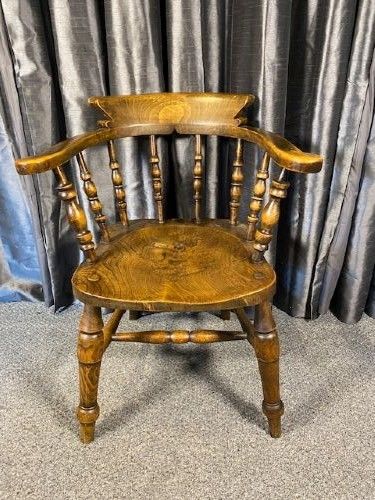
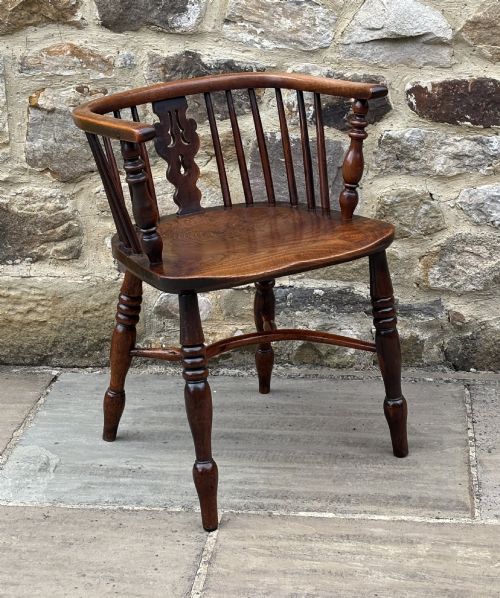
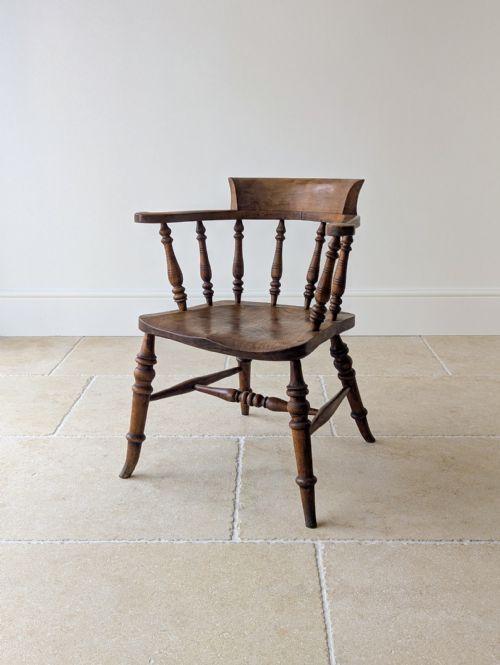
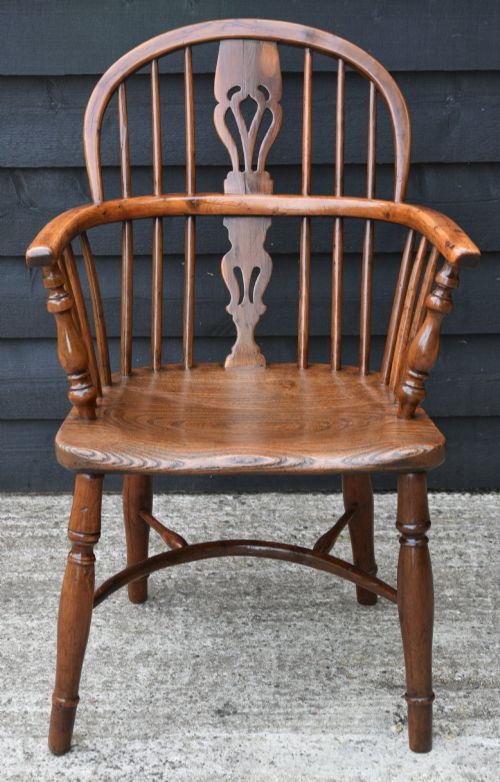
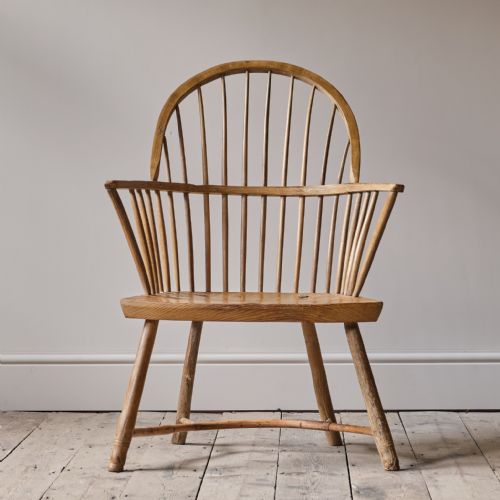
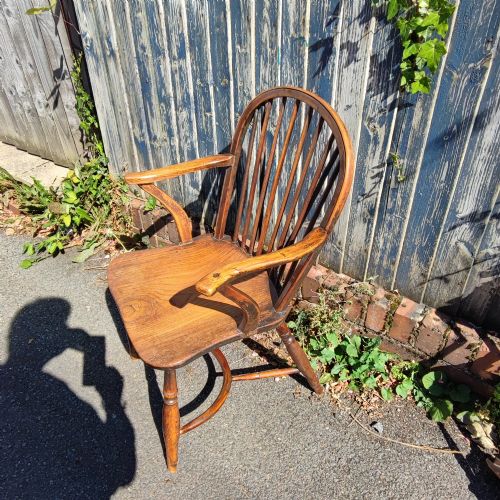
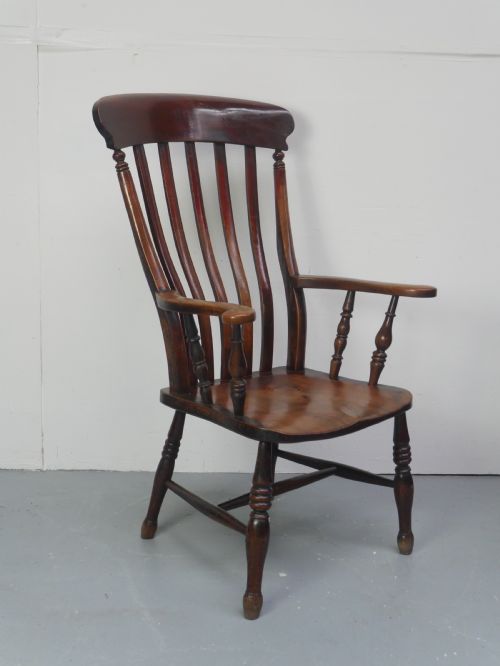
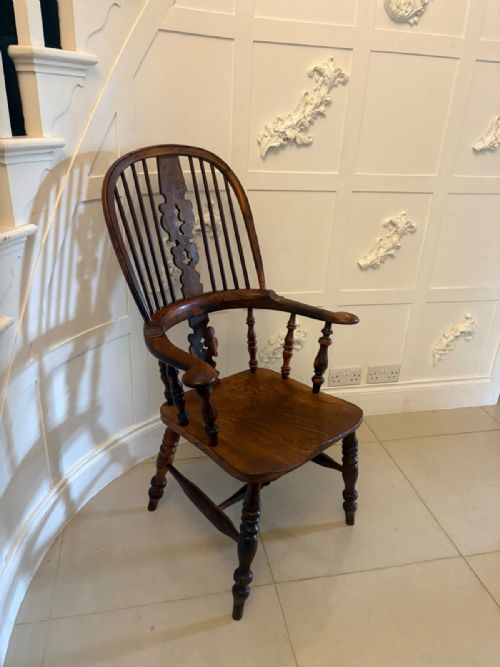
Bow Back Armchair
A bow back armchair brings sturdy English country craftsmanship and enduring structural comfort into any room.
What a Bow Back Armchair Is
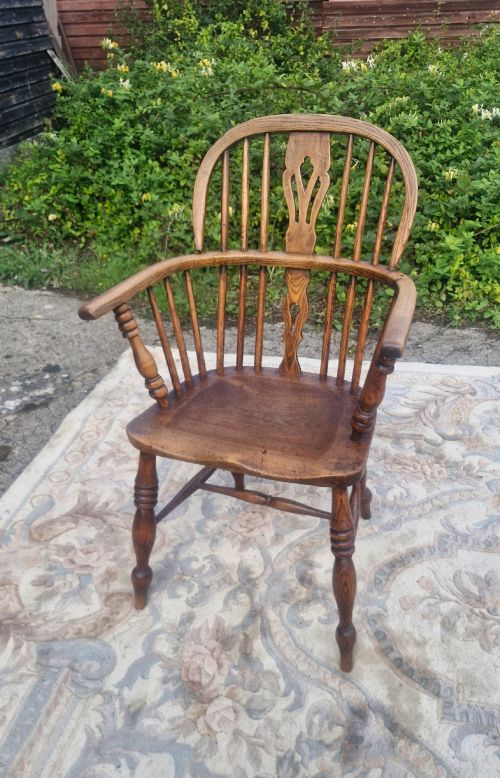
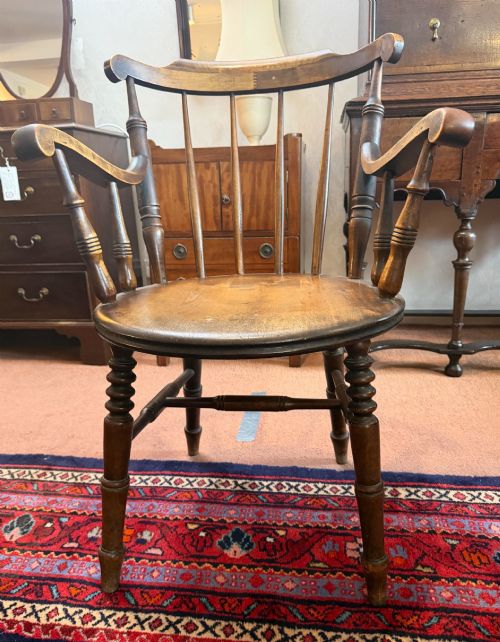
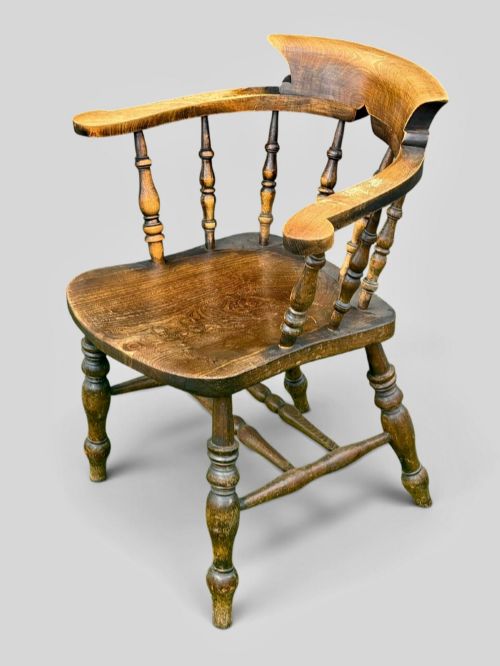
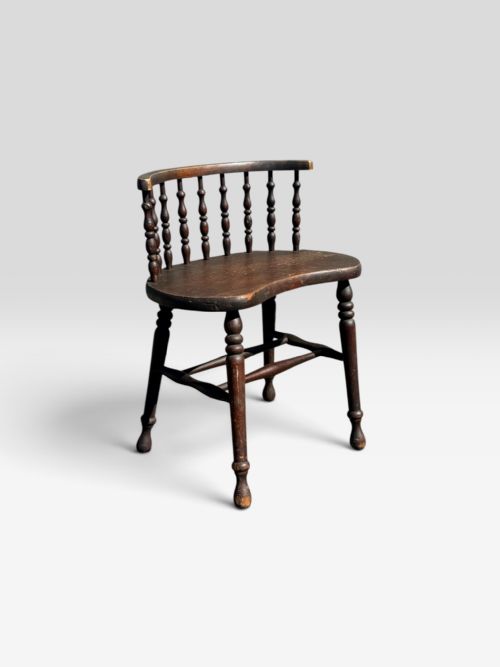
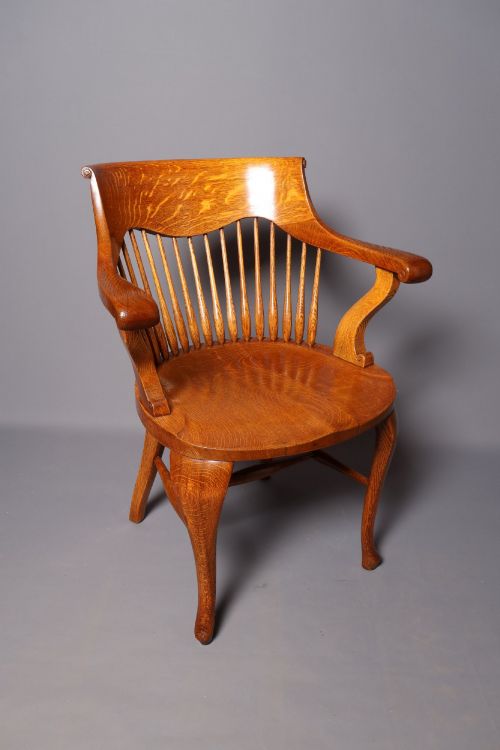
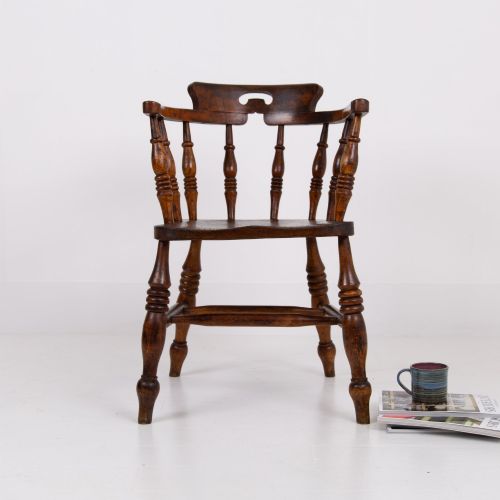
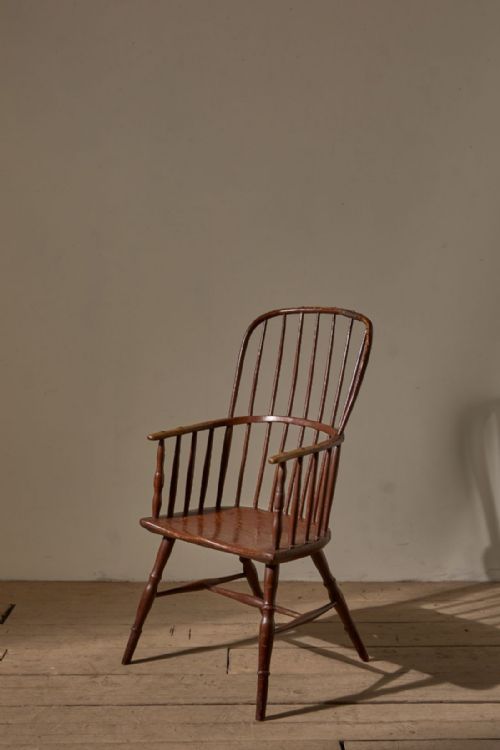
A bow back armchair is a traditional seating form rooted in English country vernacular and Georgian design traditions. These chairs frequently appear as Windsor variants, low backs, and smoker's bows originating from regional hubs such as High Wycombe and Yorkshire.
Makers designed these armchairs for practical domestic and desk use, utilising robust timbers to create supportive seating. The selection includes child's versions alongside standard proportions suitable for daily seating at a desk or in a kitchen.
Materials and Construction
Craftsmen built bow back armchairs using a combination of native timbers including elm, yew, ash, oak, and beech. These woods provided the necessary tensile strength for bentwood components and turned spindles.
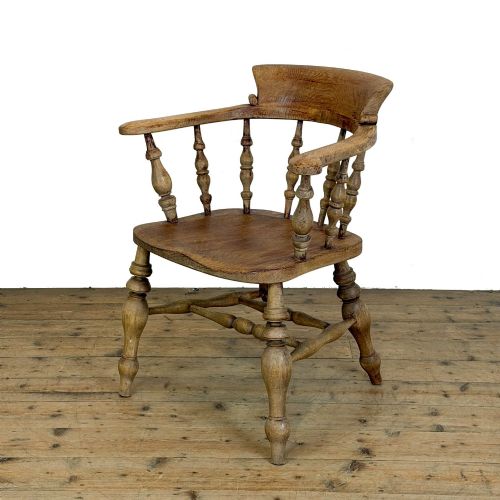
Makers shaped solid seats from single slabs of timber, into which they wedged turned legs and back stems. Steam-bending techniques allowed the creation of the continuous curved rail that defines the bow back form.
Retail Price Guide 2026
Typical UK retail prices for bow back armchair, calculated from the Sellingantiques database of over a million retail prices indexed since 2003. This retail price guide relies exclusively on Sellingantiques data; no external sources or auction records are used, so the figures do not describe the wider market.
Some nineteenth-century makers thoughtfully scaled these sturdy bow backs down into miniature child's armchairs.
Distinctions in Quality
Quality rests upon the choice of timber figure, particularly in yew and elm examples displaying rich grain patterns. Well-proportioned turnings and tight joinery separate standard vernacular pieces from finer workshops.
The degree of wear on the seat and the retention of original surface patination dictate the standing of an example. Chairs retaining balanced proportions and minimal structural alterations command greater interest.
John Brand of Sleaford·R. Tyzack
The Bow Back Armchair Glossary
- Windsor
- A wooden chair featuring a saddle-shaped seat into which the legs and back spindles are directly fitted. This form developed deep regional variations across the English countryside.
- Smoker's bow
- A low-backed Windsor armchair with a continuous curved arm rail, frequently utilised in nineteenth-century smoking rooms and public houses. The low profile allowed for relaxed seating.
- Vernacular
- Objects built by regional craftsmen following local traditions rather than strict academic architectural designs. These pieces prioritise functional utility and available local materials.
- Elbow chair
- A seating form fitted with armrests, often used as a desk chair or carver. These pieces offer broader proportions than standard dining chairs.
- Spindle
- A slender, turned wooden rod used vertically to support the back rail of a chair. Turners shaped these elements on a lathe for uniformity and strength.
Frequently Asked Questions
What is a bow back armchair?
A bow back armchair is a traditional wooden seat featuring a curved upper rail that forms both the backrest and the arms. These chairs belong to regional English traditions, often built as Windsor or smoker's bow variants.
Craftsmen shaped these seats from solid timber, incorporating turned spindles and sturdy legs designed for daily utility. Their robust construction has allowed them to survive across centuries of domestic use.
How do I use a bow back armchair at a desk?
Many historical examples, such as captain's chairs and low-backed designs, function well as desk seating. Their supportive arm rails and sturdy proportions provide a comfortable posture for writing.
Ensure you check the seat height against your desk surface before placing the chair into a workspace. Adding a simple pad can also increase comfort during extended periods of sitting.
How do I tell different regional styles apart?
Regional styles reveal themselves through timber choices and turning details characteristic of specific English workshops. Pieces originating from High Wycombe often utilise elm and beech, while Yorkshire and rural makers employed local ash and yew.
Examining the saddle seat shaping and the thickness of the bentwood rail helps identify the geographic origin of a piece. Distinctive leg profiles also point towards particular county traditions.
How do I care for antique elm and yew?
Maintain antique timbers by keeping them away from direct heat sources and rapid humidity fluctuations. Apply natural beeswax periodically to nourish the wood and preserve the surface finish.
Avoid using modern chemical sprays or excessive moisture during cleaning. Gentle dusting with a soft cloth protects the patinated surface built up over generations.