





Antique Nursery Armchair
An antique nursery armchair brings domestic history into a room through smaller versions of adult seating built for children.
Antique Nursery Armchair
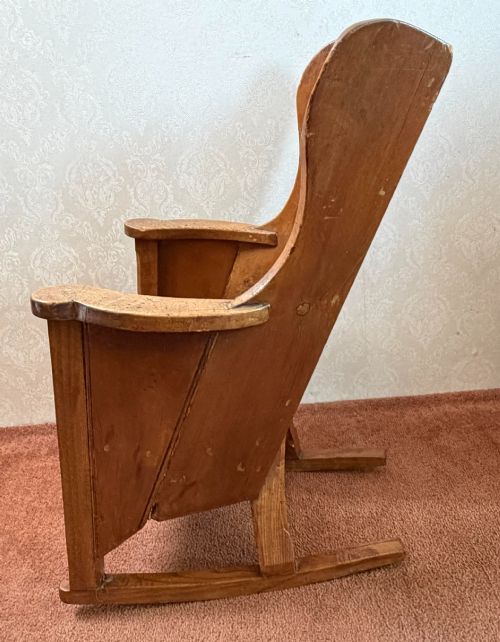
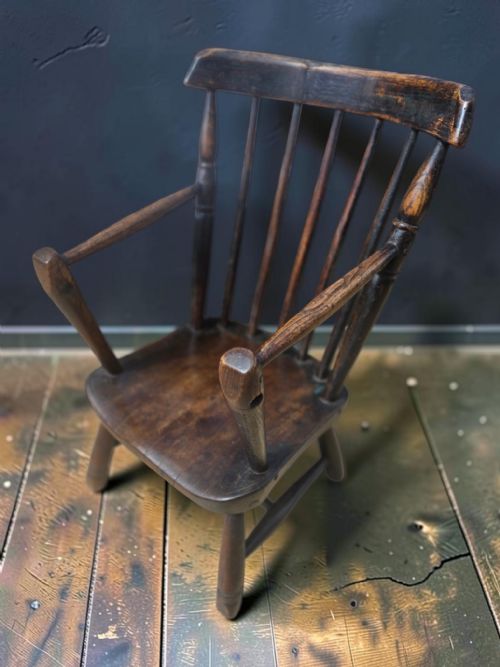
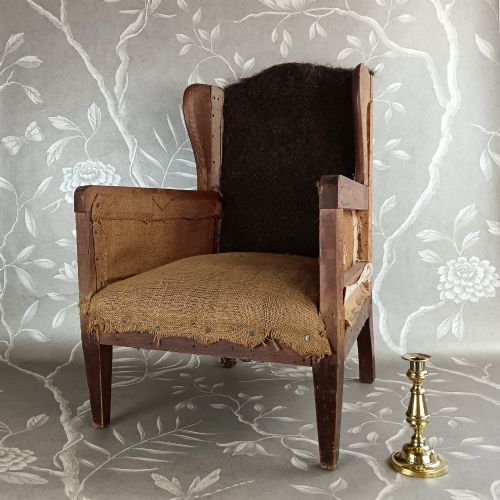
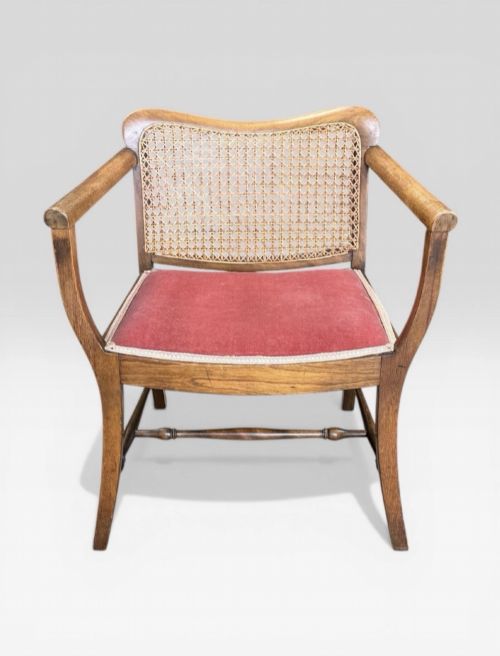
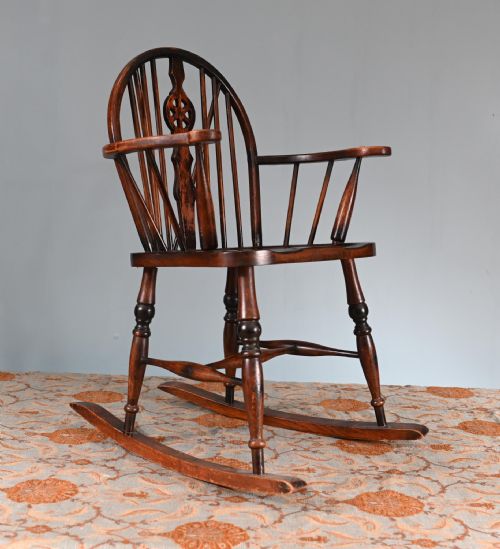
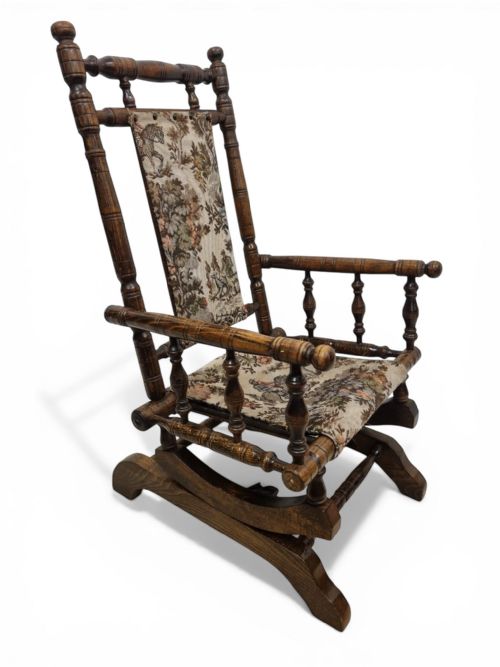
An antique nursery armchair is a scaled-down seat intended for children, taking the form of a Windsor, rocking chair, wingback, or bergere. The most frequent examples appearing here belong to the nineteenth century and the Georgian period, often constructed from native timbers like elm, ash, and yew.
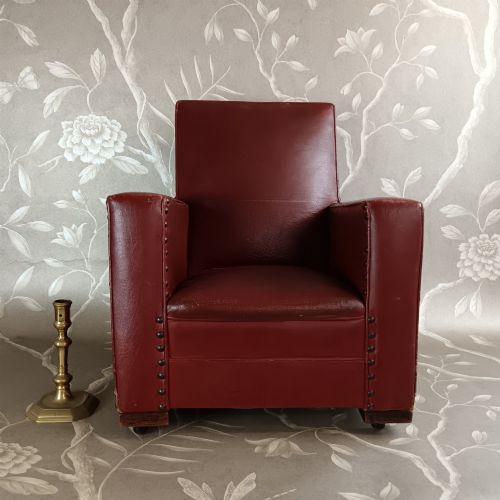
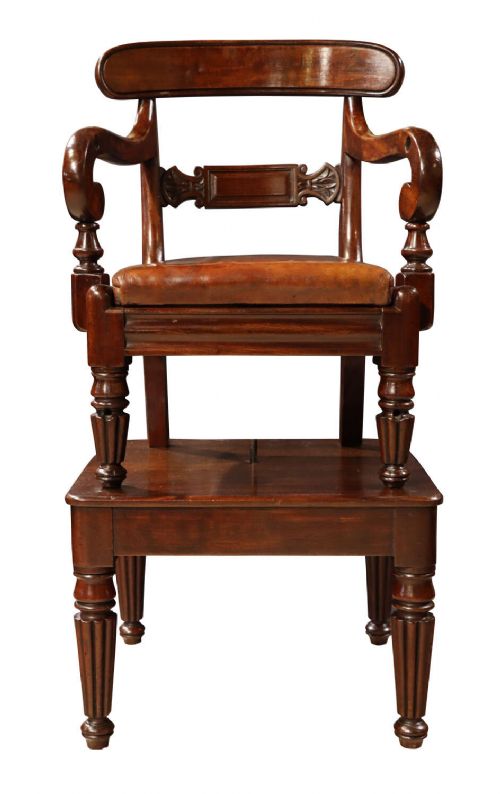
Makers adapted full-sized furniture designs for younger occupants, resulting in miniature club chairs, high chairs with stands, and reclining or commode variations. These seating forms served nurseries and parlours, reflecting the domestic routines of past centuries.
How they were made
Traditional joinery governed the construction of wooden frames, utilising timbers such as oak, walnut, and mahogany alongside regional country woods like elm and ash. Turnery shaped spindles and legs, while Windsor designs incorporated bentwood hoops and solid saddles.
Upholstered versions relied on materials like leather, fabric, and tapestry, sometimes featuring cane work for seats and backs. Brass fittings and components occasionally supported metamorphic designs that transformed from high chairs into low seating.
Antique Nursery Armchair Retail Price Guide 2026
Typical asking prices for nursery armchair among the pieces listed under this phrase on Sellingantiques today, from the lower quarter to the upper quarter. They describe what is for sale here now, not the wider market.
Meticulous miniature club chairs allowed toddlers to mimic adult lounging habits during the jazz age.
What varies in quality
The choice of timber defines a piece's standing, with figured yew wood, burr walnut, and rich mahogany representing finer work than standard utility woods. Selected grain patterns and the crispness of turned spindles separate ordinary functional items from superior cabinetmaker output.
Construction integrity and surviving original elements, such as cane panels, upholstery webbing, or maker stamps, elevate specific examples. Refined proportions that successfully mimic adult furniture styles without losing structural balance demonstrate superior design.
James Shoolbred
The Antique Nursery Armchair Glossary
- Windsor chair
- A wooden chair built with a solid saddle seat into which legs and back spindles are wedged directly. These country pieces often use mixed timbers like ash and elm.
- Bergere
- An enclosed upholstered armchair with wooden framing and woven cane panels forming the back and sides. This French-inspired seating appeared in refined domestic interiors.
- Metamorphic
- Furniture designed to transform from one functional object into another, such as a high chair converting into a low chair and table combination. Mechanical ingenuity distinguished these pieces.
- Crinoline stretcher
- A curved hoop stretcher connecting the legs of a Windsor chair to provide rigidity and strength. It forms a distinctive loop beneath the seat.
- Wingback
- An armchair featuring protective side panels attached to the armrests to deflect draughts. Early examples offered cosy seating for children near the hearth.
Antique Nursery Armchair: Frequently Asked Questions
How were these children's chairs used?
These chairs provided designated seating for children at tables, by the fireside, or within the nursery during daily routines. Metamorphic versions allowed high chairs to convert into low play tables as children grew.
Rocking chairs and reclining models offered resting places for infants and toddlers in domestic rooms. Their smaller scale kept children at a comfortable height for meals and parlour activities.
What woods were used for antique nursery armchairs?
Cabinetmakers and country joiners utilised native hardwoods such as elm, ash, oak, yew, and mahogany. Windsor styles frequently combined ash for bent components with elm for solid seats.
More formal examples employed mahogany, walnut, and burr walnut veneer. Regional workshops selected local timber supplies based on availability and strength.
How do I date an antique child's chair?
Dating relies on stylistic shifts, construction methods, and material choices matching known periods from Georgian times through the Edwardian era. Turned leg profiles, stretcher arrangements, and upholstery styles offer clear chronological indicators.
Makers' marks or stamps, when present, help narrow the production date. Comparing the joinery to adult furniture of the same decade confirms the era of manufacture.
Can children sit in antique nursery armchairs?
Many sturdy wooden and Windsor examples remain structurally sound for gentle daily use by young children. However, delicate frames with historic cane work or fragile upholstery require careful supervision.
Collectors often balance practical seating use with the preservation of antique materials. Lighter children can safely enjoy robust elm and ash country chairs.