


Rosewood Armchair
A rosewood armchair brings dense timber and nineteenth-century craftsmanship into a room.
The rosewood armchair
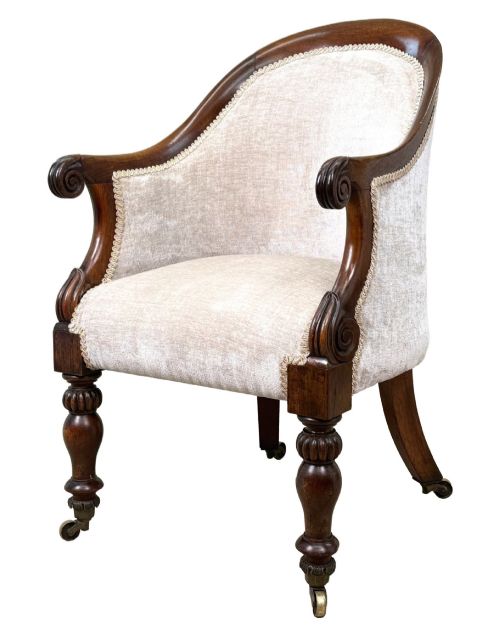
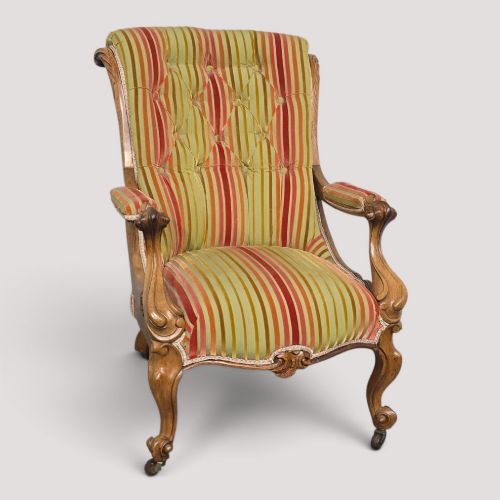
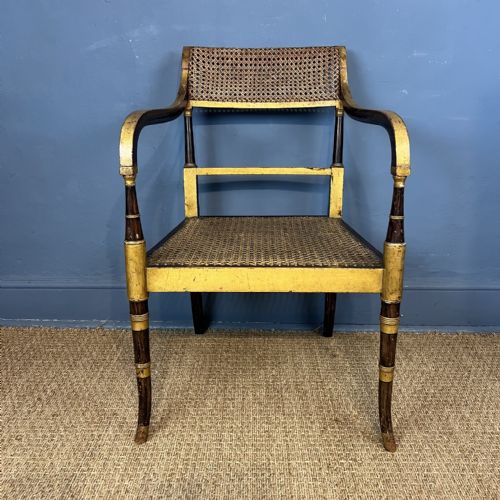
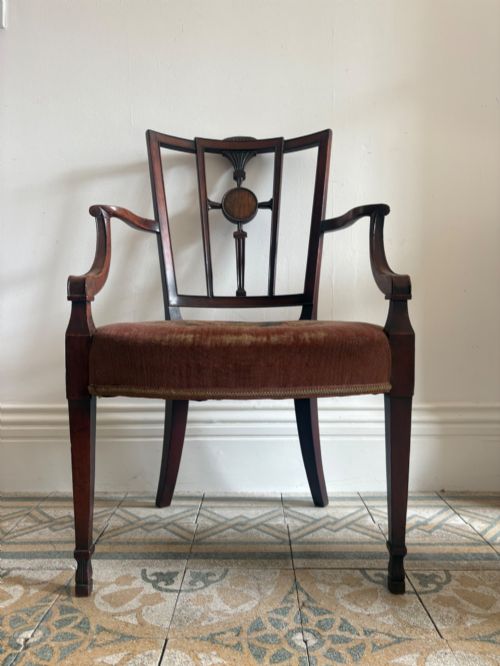
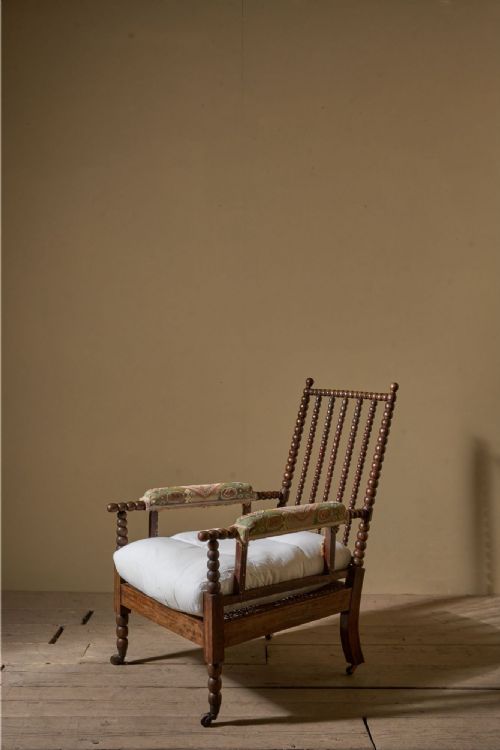
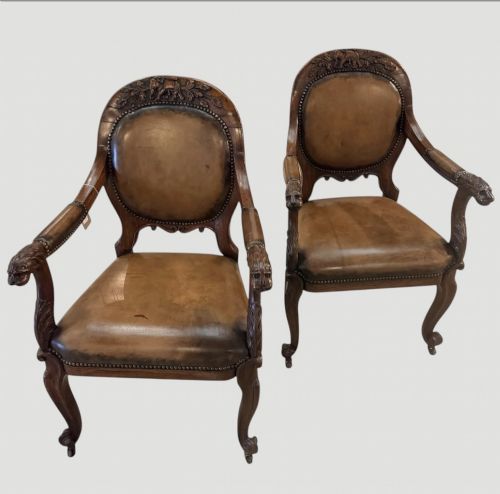
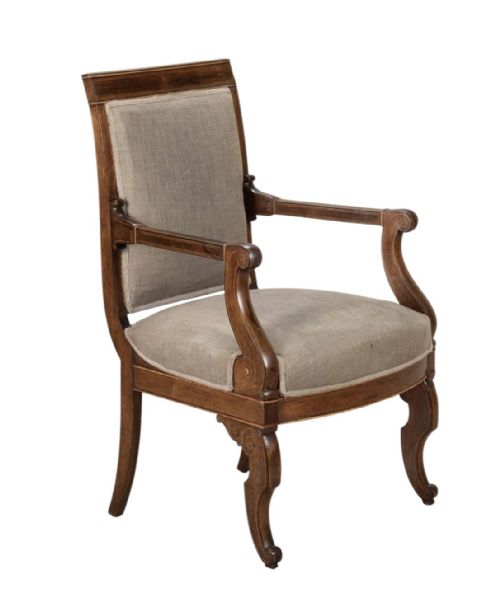
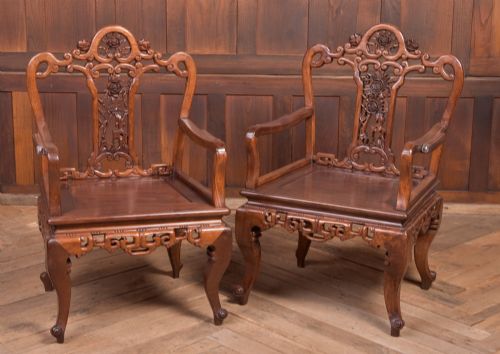
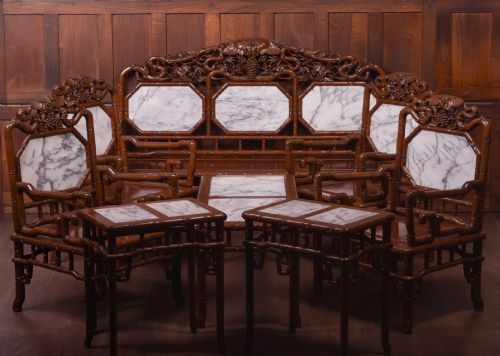
A rosewood armchair combines dense tropical hardwood with nineteenth-century seating forms, spanning the Regency, William IV, and Victorian periods. These pieces range from library armchairs and deep upholstered seats to desk chairs and caned bergeres.
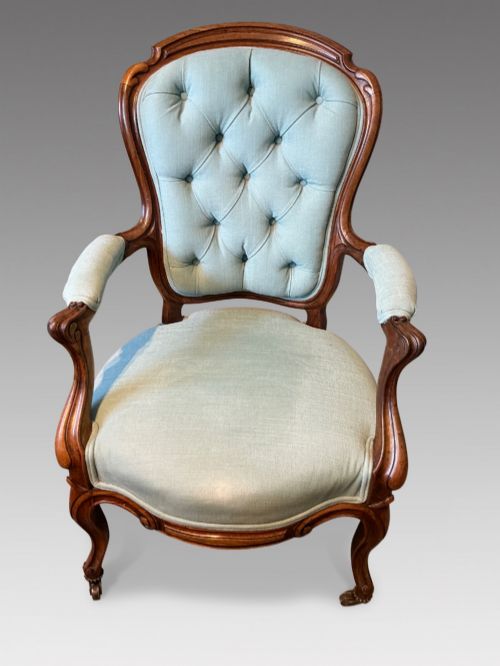
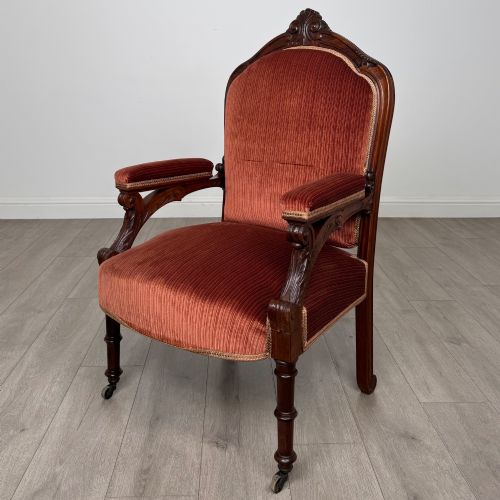
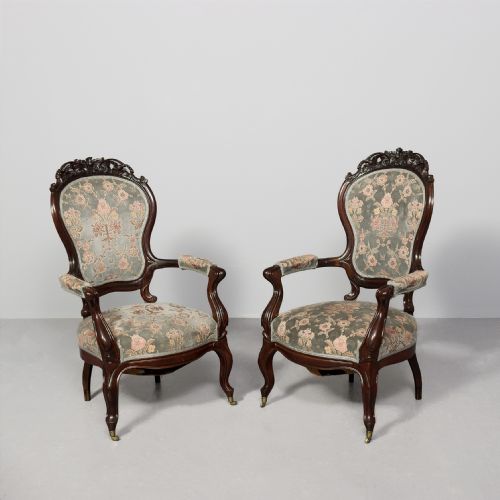
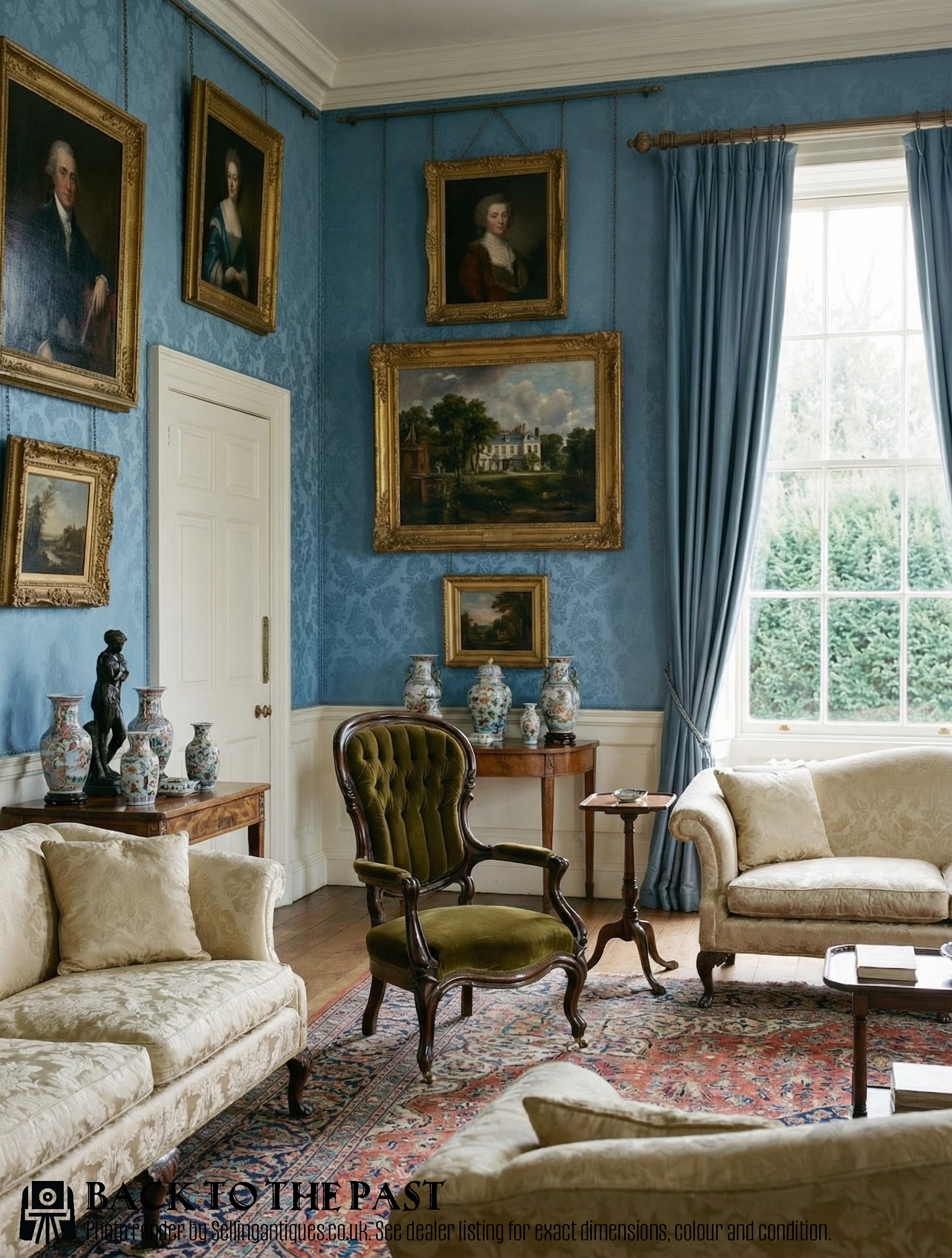
The version most commonly met on this page is the Victorian or nineteenth-century rosewood armchair, often featuring carved showwood frames, cabriole legs, or brass castors. Examples also appear in French Charles X and early Victorian styles.
Makers occasionally associated with these forms include Gillows, reflecting the high standard of British cabinet making during the period. Buyers choose these chairs for their rich grain, robust frames, and historical presence.
Evaluating quality
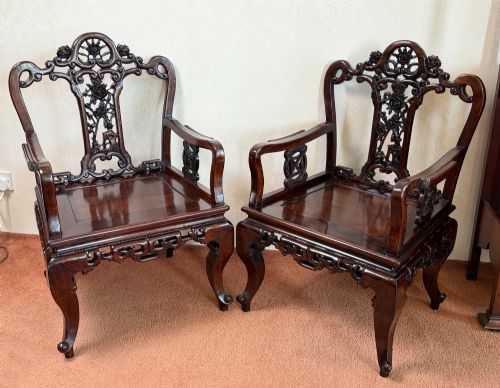
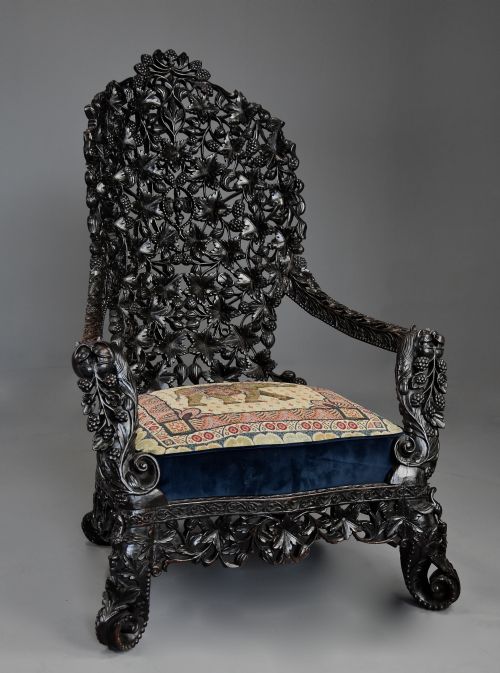
Quality rests on the depth of the timber grain, the crispness of the wood carving, and the integrity of the frame construction. Superior examples display refined proportions and substantial showwood framing rather than plain or simulated surfaces.
The refinement of details such as brass castors, turned elements, and the execution of upholstery work distinguish finer library and desk chairs from standard domestic seating.
Retail Price Guide 2026
Typical UK retail prices for rosewood armchair, calculated from the Sellingantiques database of over a million retail prices indexed since 2003. This retail price guide relies exclusively on Sellingantiques data; no external sources or auction records are used, so the figures do not describe the wider market.
Listings feature nineteenth-century pieces alongside Victorian, William IV, and French Charles X styles.
Gillows
The Rosewood Armchair Glossary
- Showwood
- Timber framing left exposed around the upholstered portions of a chair. This allows the grain and carving of the rosewood to remain visible.
- Cabriole leg
- A furniture leg that curves outward and then tapers inward, ending in a graceful foot. This style appears frequently on Victorian rosewood armchairs.
- Bergere
- An enclosed upholstered armchair with wooden framing and a cane or upholstered back and sides. Regency examples in rosewood often feature caned panels.
- Simulated rosewood
- Wood painted or stained to mimic the distinctive dark grain of true rosewood. This technique was used during the Regency and Victorian periods.
- Library armchair
- A substantial, comfortable armchair designed for reading rooms and studies. These often feature leather upholstery and sturdy rosewood frames.
Frequently Asked Questions
What periods do rosewood armchairs come from?
These chairs date primarily from the nineteenth century, encompassing the Regency, William IV, and Victorian eras.
Specific styles include French Charles X and mid-Victorian designs, reflecting shifting aesthetic preferences across the decades.
How do I identify a library armchair?
Library armchairs are built for deep comfort and sustained reading, typically featuring robust rosewood frames and upholstered seats.
Many examples incorporate leather panels or heavy timber construction suited to studies and formal rooms.
What is simulated rosewood?
Simulated rosewood is an alternative finish where common timber is painted or grained to replicate the appearance of genuine rosewood.
This technique appeared on Regency and nineteenth-century seating as a decorative choice.
Are castors original to these chairs?
Brass castors frequently accompany nineteenth-century rosewood armchairs to allow smooth movement across carpets and flooring.
They are commonly integrated into the legs of library and desk chairs from this era.