
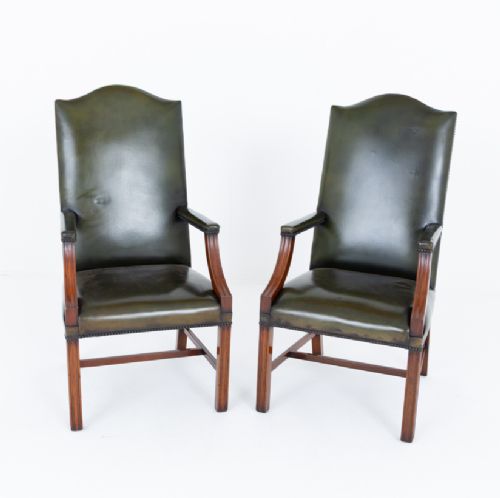
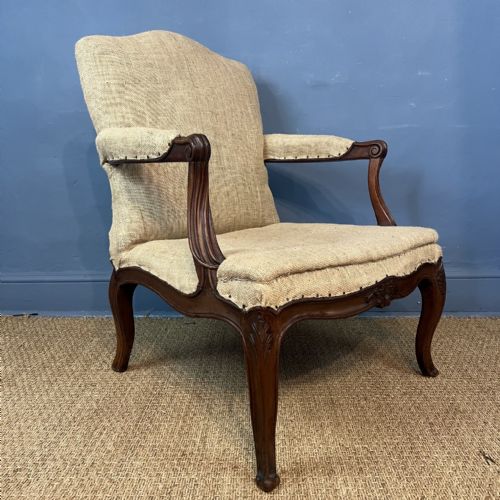
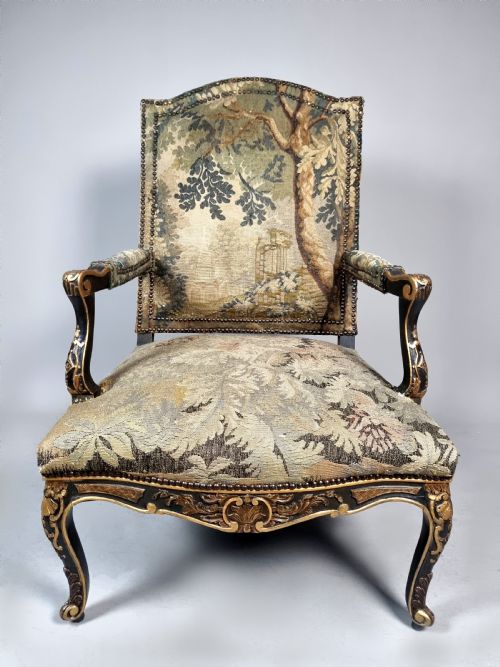


Georgian Gainsborough Chair
A georgian gainsborough chair offers generous proportions and upholstered comfort, making it a distinguished choice for any library or desk.
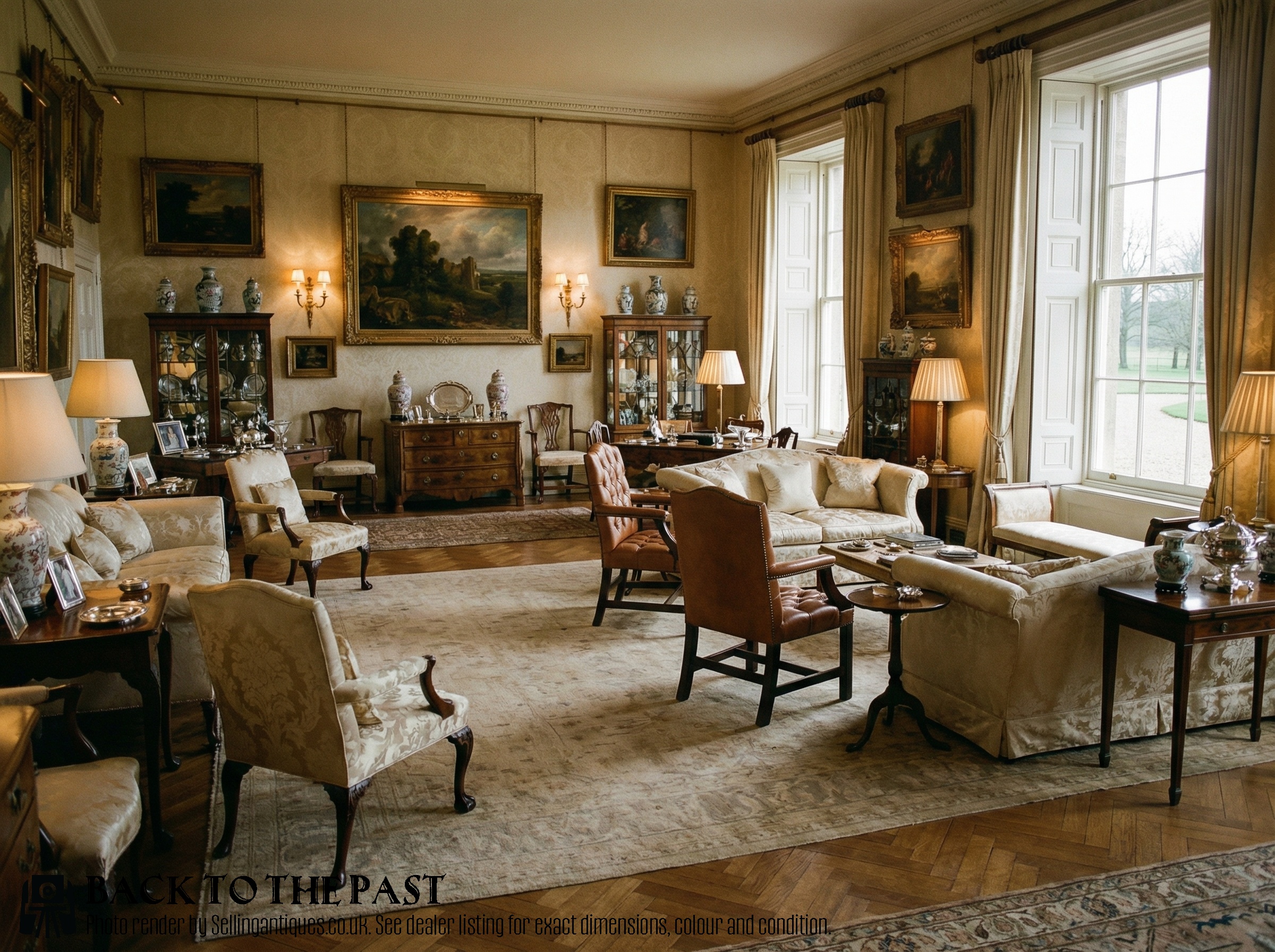
The Form and Character of a Georgian Gainsborough Chair
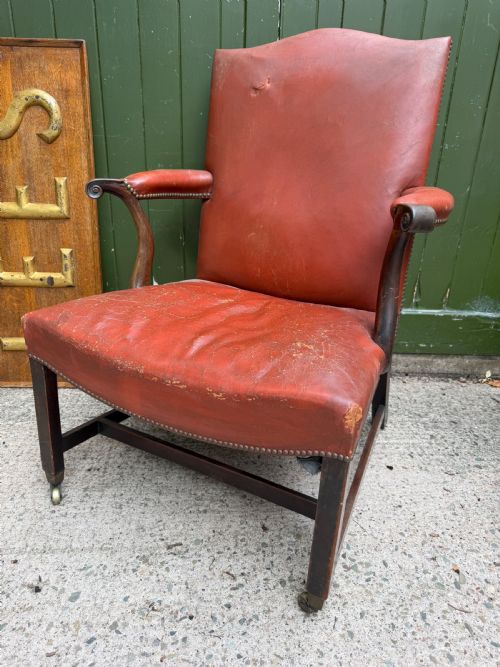
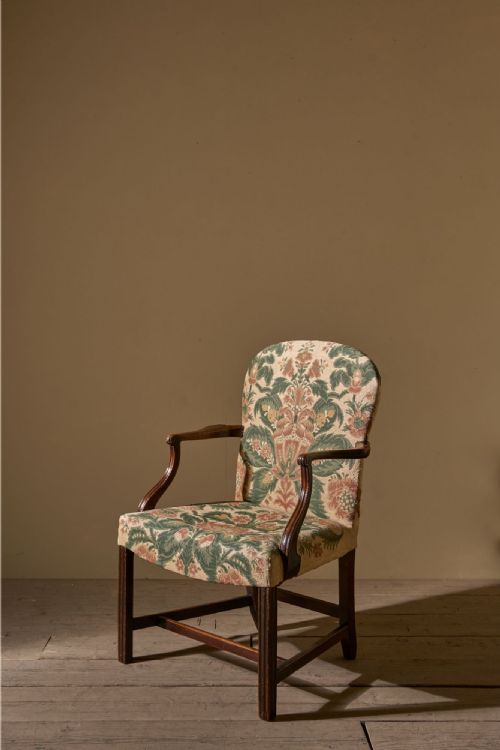
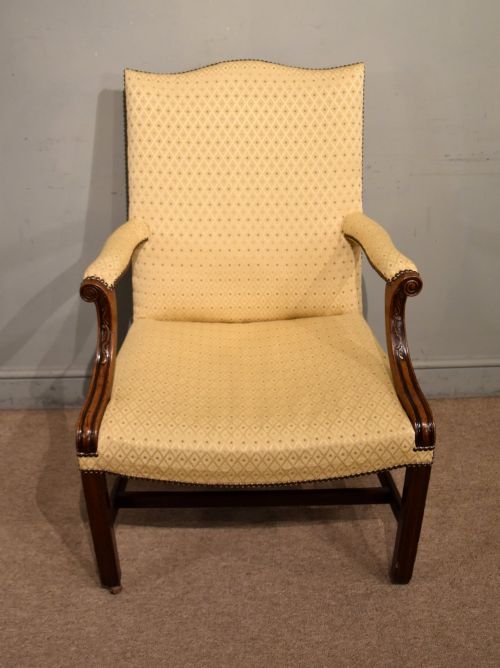
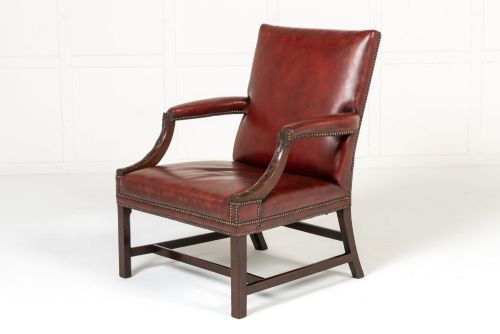
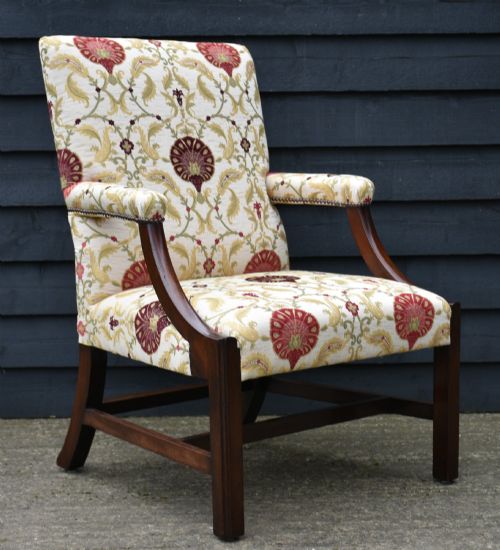
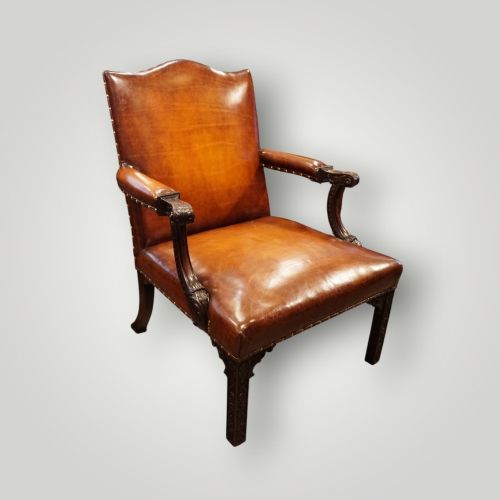
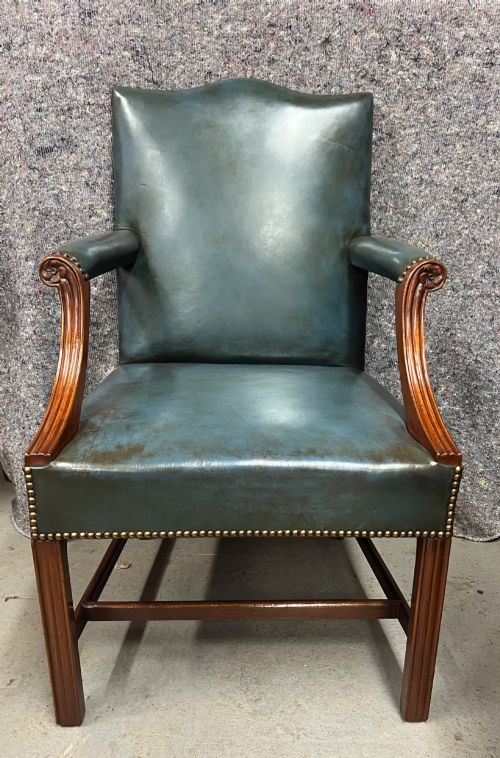
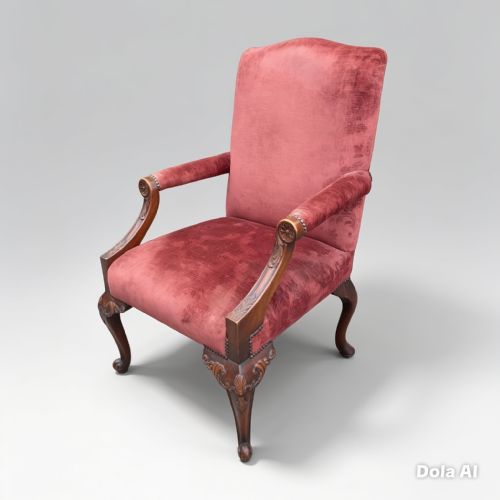
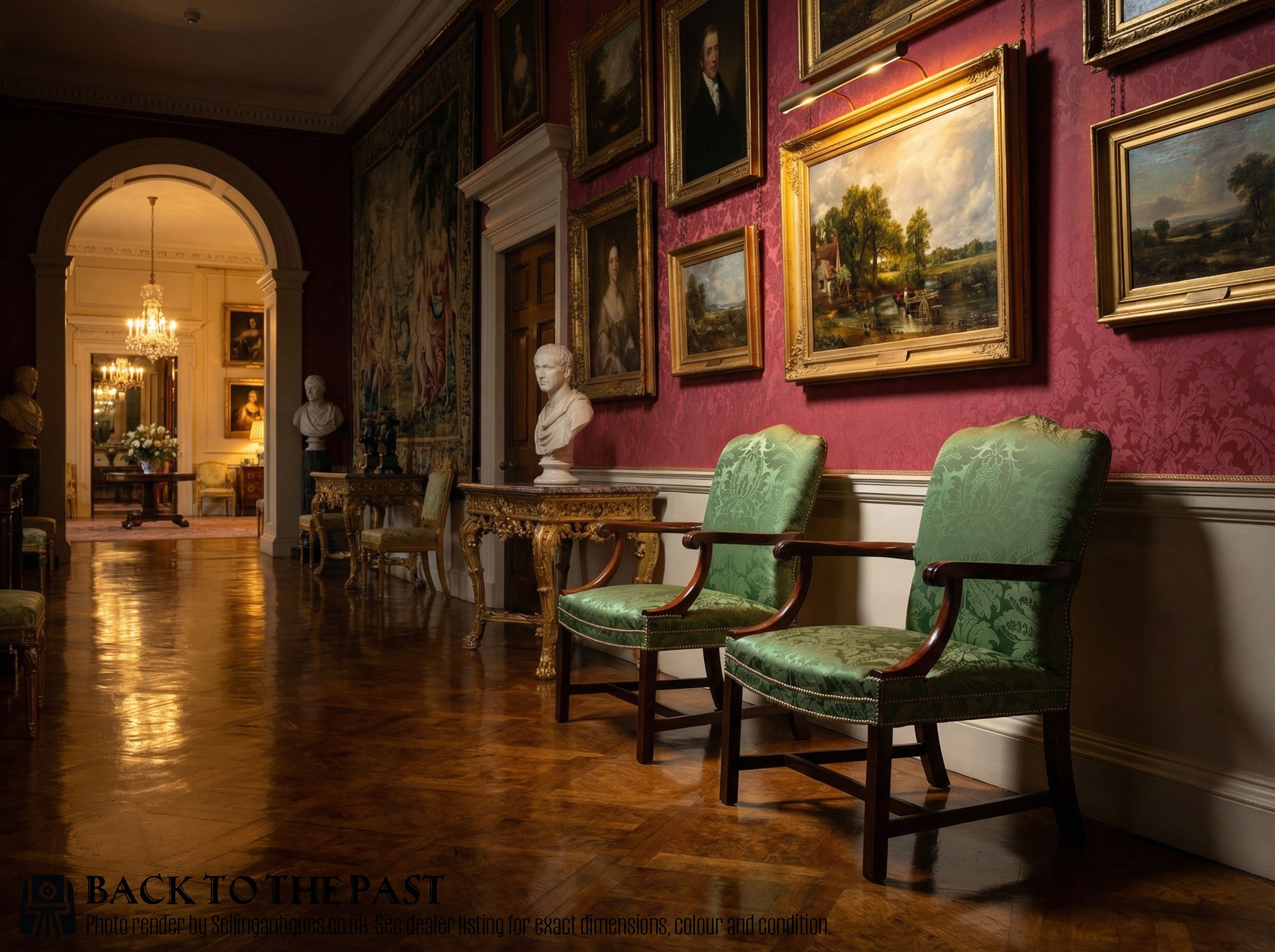
A georgian gainsborough chair is a wide, open armchair designed with upholstered arms, typically intended for a library, desk, or reading room. The form emerges during the eighteenth century and remains a central reference for traditional seating.
Most examples found here span the eighteenth century and the georgian period, alongside later revivals from the nineteenth and twentieth centuries. These pieces appear variously as desk chairs, library chairs, and occasional armchairs.
Materials and Construction
Carpenters and cabinet makers built the frames primarily from mahogany, walnut, and yew wood, often employing skilled carving on the arms and legs. Brass fittings and gilding occasionally accent the timber framework.
Upholstery forms an essential part of the construction, utilising leather, tapestry fabric, and needlepoint. These materials are fixed directly to the wooden frame, sometimes finished with deep buttoning or textile borders.
Retail Price Guide 2026
Typical UK retail prices for georgian gainsborough chair, calculated from the Sellingantiques database of over a million retail prices indexed since 2003. This retail price guide relies exclusively on Sellingantiques data; no external sources or auction records are used, so the figures do not describe the wider market.
These chairs gained their common name because painters portrayed wealthy sitters resting in them, long before furniture makers adopted the label.
Assessing Quality and Execution
The refinement of the carved details on the mahogany or walnut frame distinguishes superior examples from standard production. Crisp lines and balanced proportions indicate higher skill in the workshop.
The choice and execution of the upholstery, whether supple leather or intricate tapestry fabric, significantly impact the overall character. Original timber surfaces and well-preserved structural joins elevate the standing of an individual piece.
The Georgian Gainsborough Chair Glossary
- Gainsborough chair
- A wide, open armchair with upholstered arms and back, dating from the eighteenth century and later revived. This seating form derives its modern name from the painter Thomas Gainsborough.
- Mahogany
- A durable, reddish-brown tropical hardwood favoured by eighteenth-century cabinet makers for its stability and fine grain. It takes a high polish and accepts detailed carving.
- Needlepoint
- A form of canvas work embroidery used for upholstery on seat furniture. It provides textured, colourful patterns across the back and seat.
- Chippendale
- A style of eighteenth-century furniture design associated with the London cabinet maker Thomas Chippendale. It frequently incorporates carved mahogany and sophisticated classical motifs.
- Library chair
- A comfortable armchair designed for reading rooms, typically featuring upholstered arms and enclosed sides. These pieces often serve at a desk or reading table.
Frequently Asked Questions
What is a georgian gainsborough chair?
A georgian gainsborough chair is a wide, upholstered armchair with open padded arms, originating in the eighteenth century. It was designed for comfort in libraries and studies.
The form combines a sturdy wooden frame, often mahogany or walnut, with texturised coverings like leather or tapestry fabric. Its generous proportions distinguish it from standard dining seating.
How were these chairs used originally?
These armchairs served primarily in libraries, private studies, and formal reception rooms for reading, writing, and conversation. Their wide seats accommodated the voluminous clothing of the period.
They functioned both as freestanding reading chairs and as desk chairs for correspondence. Their mobility allowed them to be placed near fire pits or writing tables as needed.
How do I distinguish eighteenth century from later revival pieces?
Eighteenth-century pieces display construction methods, tool marks, and timber ageing consistent with the period of manufacture. Carpenters used specific joinery techniques that evolved over time.
Revival examples, produced around nineteen-ten or eighteen-ninety, often replicate earlier styles using machine assistance or standardised hardware. Examining the underside and interior frame helps reveal the actual age of the timber.
What upholstery materials are authentic?
Authentic and period-appropriate coverings include smooth leather, tapestry fabric, and hand-worked needlepoint. These materials were chosen for durability and tactile comfort.
Many pieces have been re-upholstered over the centuries to maintain their condition. Surviving original textiles are uncommon, so modern coverings often match historical precedents.
How do I care for a leather or tapestry chair?
Leather upholstery requires regular conditioning to prevent drying and cracking, while avoiding direct sunlight and excessive heat. Gentle dusting preserves the surface finish.
Tapestry and fabric coverings benefit from careful vacuuming with a soft brush attachment. Professional textile cleaning is recommended for deeper maintenance without damaging the underlying stuffing.