


George III Library Chair
A george iii library chair brings substance and proportion to a room, offering sturdy construction and enduring comfort.
What george iii library chair pieces are
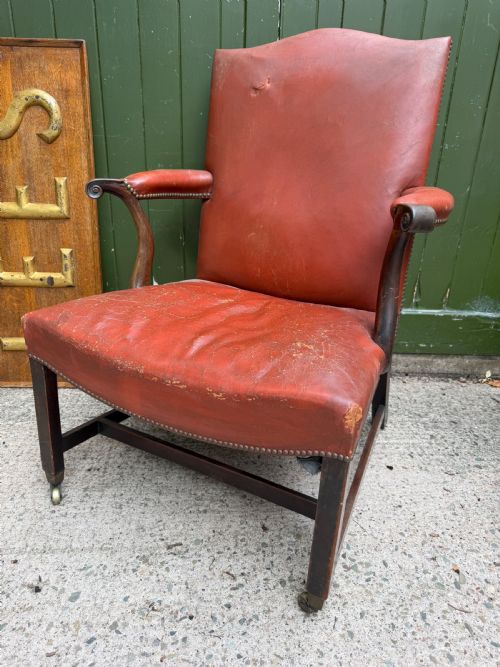
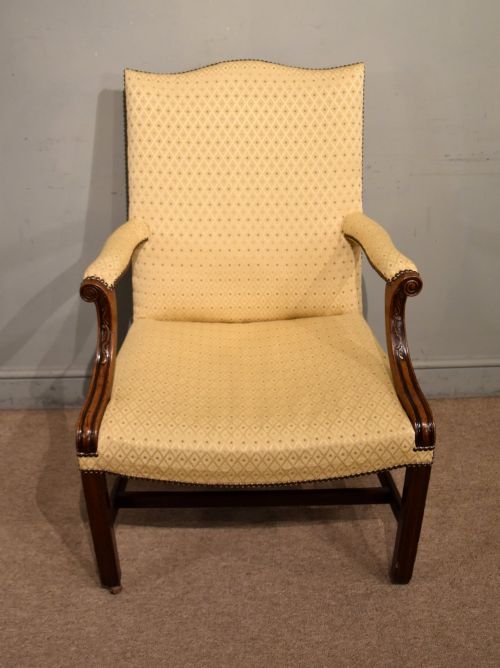
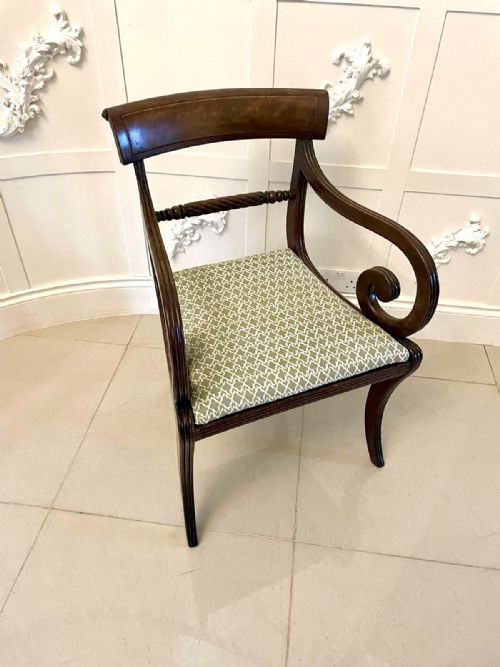
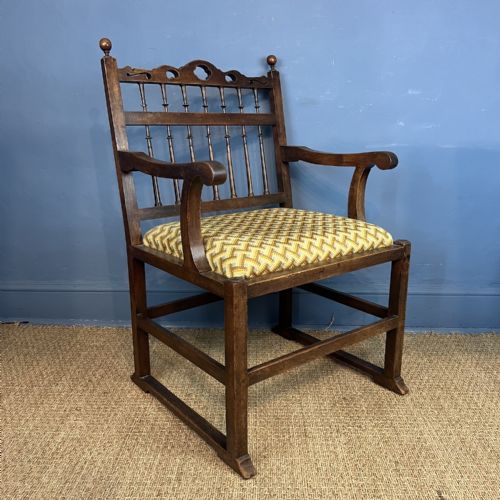
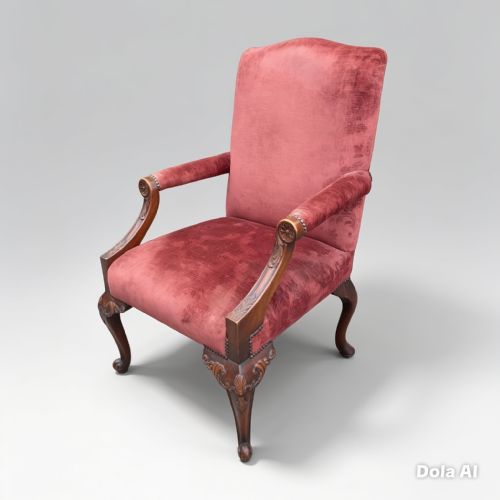
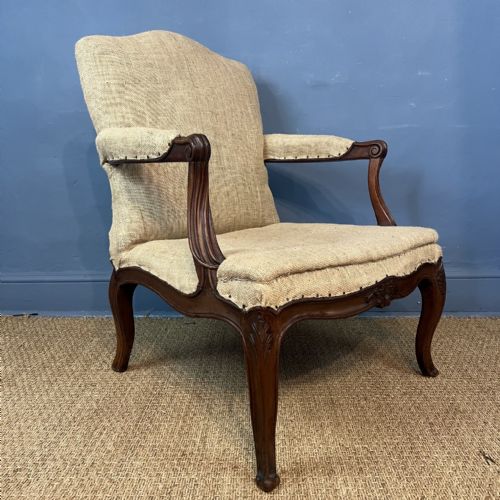
When you search for a george iii library chair, you are looking at substantial seating from the Georgian period, often constructed in mahogany, oak, or yew wood. The forms span generous wing chairs designed for draught reduction, open armchairs, and Gainsborough types built for desk or reading use.
The versions you are most likely to meet on this page include mahogany Gainsborough armchairs upholstered in leather or fabric, alongside larger wing chairs of generous proportions. These pieces date from the eighteenth century up to around eighteen hundred, reflecting the refined domestic requirements of the period.
How george iii library chairs were made
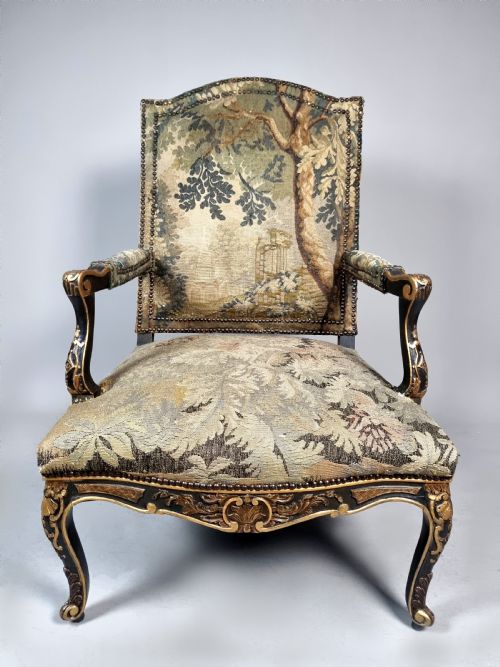
Makers constructed these frames predominantly from solid mahogany, oak, and yew wood, utilising traditional joinery methods to ensure structural stability. Carved details appear on frames, whilst gilding and paint highlight specific decorative examples.
Upholstery techniques involved traditional stuffing supported by hessian and webbing beneath outer coverings of leather, fabric, tapestry, or black hide. Brass tack work frequently secures the edges of the leather and hide upholstery to the wooden frames.
Retail Price Guide 2026
Typical UK retail prices for george iii library chair, calculated from the Sellingantiques database of over a million retail prices indexed since 2003. This retail price guide relies exclusively on Sellingantiques data; no external sources or auction records are used, so the figures do not describe the wider market.
Drunkards chairs feature unusually shaped seats designed to accommodate eighteenth-century gentlemen leaning comfortably after dinner.
What varies in quality
The standard of carving and the selection of timber dictate the upper tiers of quality, where dense mahogany and crisp, hand-carved detail elevate the frame. Generous proportions and balanced architectural lines distinguish superior seating from more utilitarian examples.
Originality of the frame construction and the integrity of the timber influence the standing of each piece. Finer examples retain their structural honesty, while the choice between simple wood frames and carved, painted, or gilded surfaces marks distinct levels of ambition in the original workshop.
Gillows·William Barrow
The George III Library Chair Glossary
- Wing chair
- A high-backed armchair with flanking side panels intended to shield the sitter from draughts. These pieces often display generous proportions and deep upholstery.
- Hessian
- A coarse woven fabric utilised as a foundational layer in traditional upholstery work beneath the leather or outer textile. It provides a stable base for internal stuffing materials.
- Hide
- Untanned or tanned heavy animal skin employed as a durable upholstery covering for seating. Black hide and red leather frequently appear on desk and library chairs.
- Stretcher
- A horizontal wooden brace connecting the legs of a chair to provide structural rigidity. These supports are characteristic of sturdy eighteenth-century seating frames.
Frequently Asked Questions
What is a Gainsborough chair?
A Gainsborough chair is an open armchair with upholstered arms and seat, designed specifically for libraries and writing desks during the eighteenth century.
These pieces feature wooden frames, frequently in mahogany, combined with leather or fabric upholstery.
How do wing chairs differ from open armchairs?
Wing chairs include high protective panels beside the head to deflect draughts, offering a more enclosed seating experience than open armchairs.
Open armchairs provide unhindered lateral movement and typically sit lower at a desk or reading table.
What woods were used for these chairs?
Cabinet makers utilised dense timbers such as mahogany, oak, and yew wood to build durable frames that withstand daily use.
Mahogany remains the most common material seen across these listings, valued for its strength and finish.
How do you identify this period?
Identification relies on structural proportions, timber choices, and traditional joinery methods characteristic of eighteenth-century craftsmanship.
Details such as carved mahogany frames and brass tack upholstery finishes point directly to Georgian workshop practices.
Were these chairs used at desks?
Many open armchairs and compact forms served primarily as desk seating for reading and correspondence.
Generous proportions allowed sitters to remain comfortable during extended periods of study or administrative work.