


Gainsborough Armchair
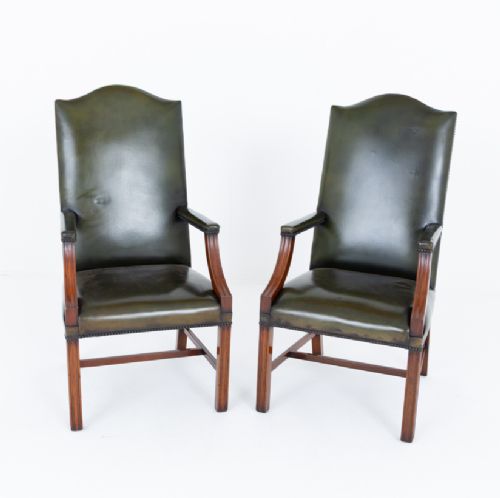
These Gainsborough armchair pieces combine generous upholstered comfort with open sides, offering a supportive seat for libraries and desks.

What a Gainsborough Armchair Is
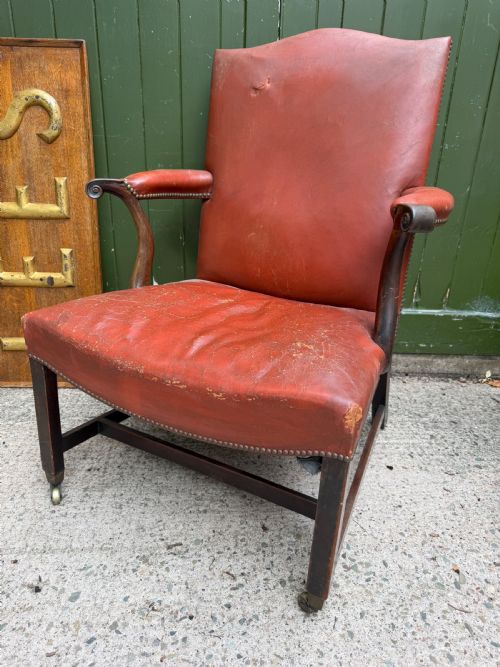
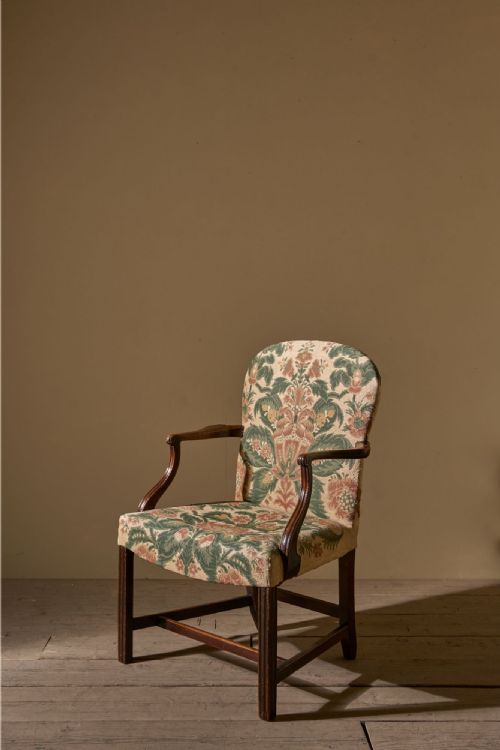
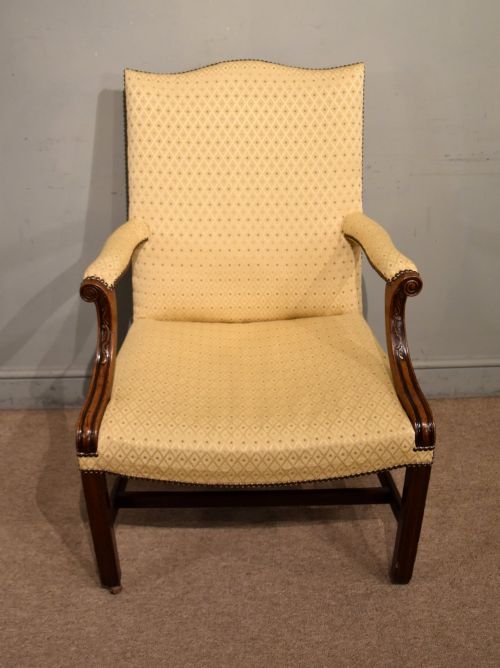
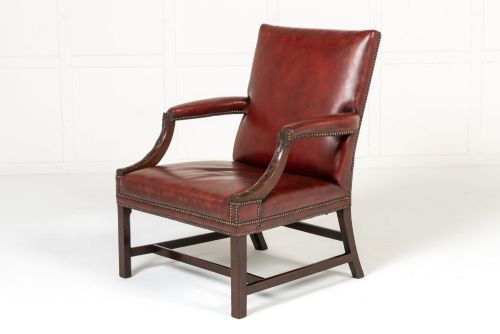
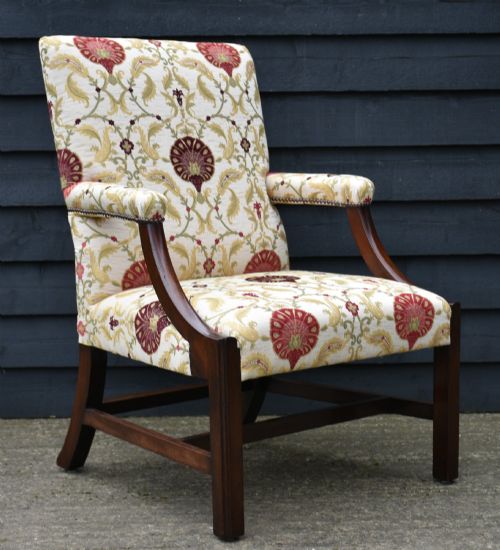
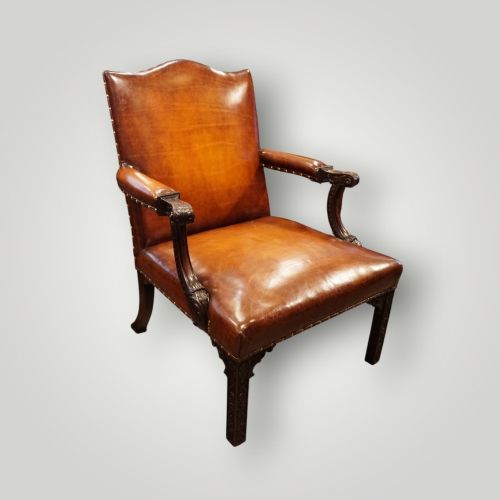
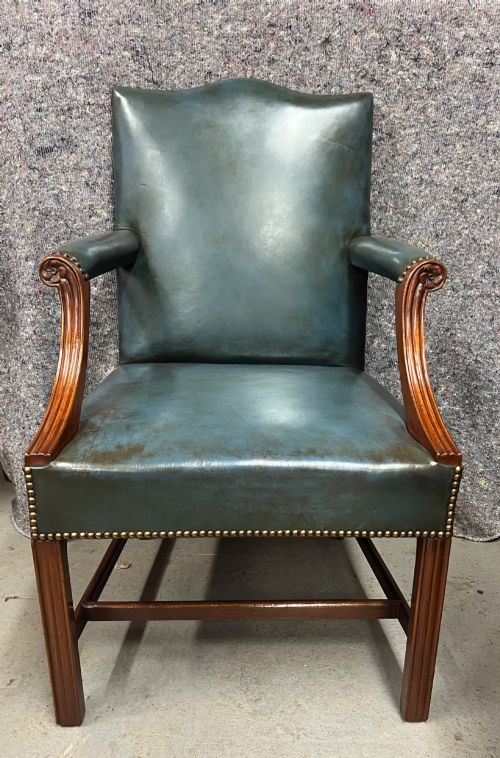
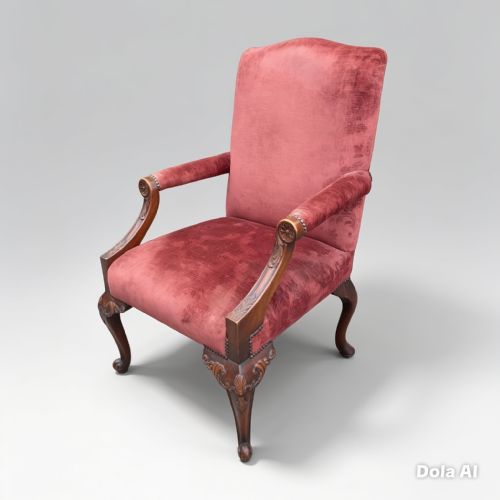
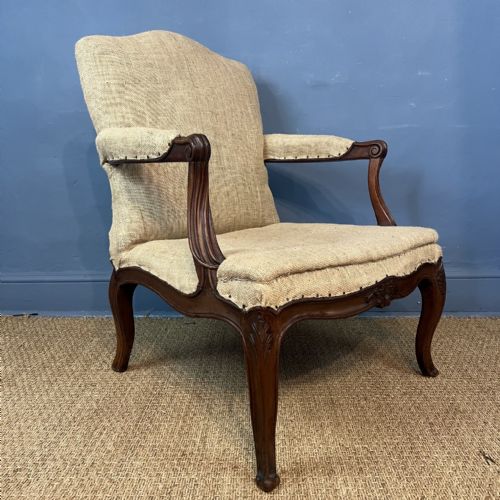
A gainsborough armchair is a wide, upholstered seat with open padded arms designed for reading, writing, and library use.
The pieces appearing here span the 18th century, the 19th century, and the early 20th century, encompassing original Georgian examples and later revivals.
Mahogany frames dominate the selection, accompanied by variations in walnut, yew wood, and painted finishes.
Materials and Construction
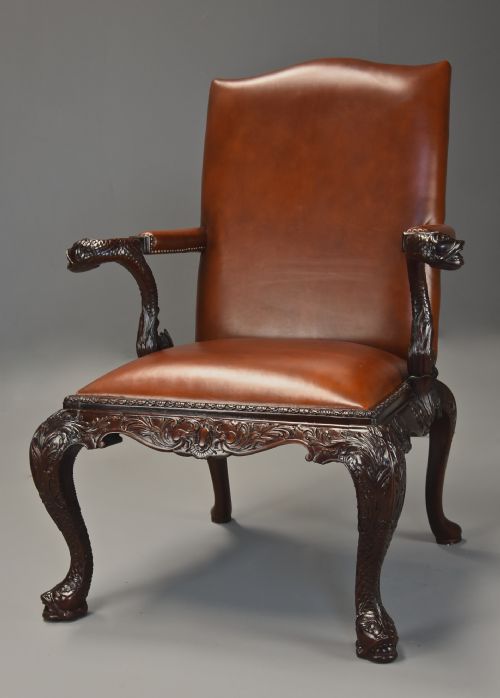
Frames rely principally on solid mahogany, walnut, and yew wood, shaped into straight or carved uprights and legs.
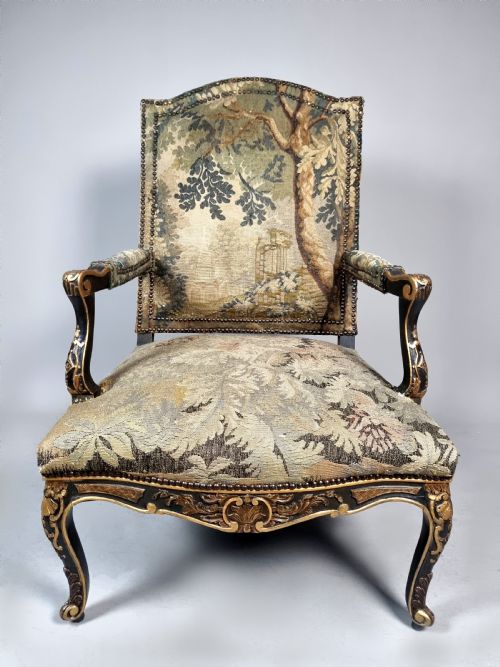
Upholstery incorporates traditional materials including leather, tapestry, fabric, and vintage needlepoint, secured with brass detailing.
Gilding and carving appear on select frames, adding decorative enrichment to the structural wood.
Retail Price Guide 2026
Typical UK retail prices for gainsborough armchair, calculated from the Sellingantiques database of over a million retail prices indexed since 2003. This retail price guide relies exclusively on Sellingantiques data; no external sources or auction records are used, so the figures do not describe the wider market.
Originally built wide enough for voluminous 18th-century skirts, these chairs remain exceptionally accommodating for modern readers.
Distinctions in Quality
The upper tier of the range displays crisp hand-carving on the wood frames and timber selection of high density and grain depth.
Period authenticity separates 18th-century originals from later 19th-century and 20th-century George II style interpretations.
The choice of covering material, from patinated leather to period tapestry and needlepoint, defines the character of each individual chair.
The Gainsborough Armchair Glossary
- Gainsborough armchair
- A wide, open-armed upholstered seat originating in the mid-18th century. It provides comfortable seating for writing desks and libraries.
- George III
- A British design period spanning the second half of the 18th century. Furniture from this era often utilises solid mahogany and refined carving.
- George II style
- A revival aesthetic drawing on earlier 18th-century proportions and motifs. These pieces are frequently built during the 19th and early 20th centuries.
- Needlepoint
- A form of counted thread embroidery used historically for upholstery. It provides a textured, decorative surface on period seat covers.
Frequently Asked Questions
What is a Gainsborough armchair?
A Gainsborough armchair is an upholstered seat featuring open padded arms designed for libraries and writing desks during the 18th century.
The form prioritises user comfort while maintaining a formal silhouette suited to domestic studies.
How do I identify a Georgian original?
Georgian originals date from the 18th century and exhibit period timber construction alongside traditional joinery techniques.
Later revival pieces from the 19th and 20th centuries often replicate these stylistic markers.
Where were these chairs used?
These chairs served primarily in libraries, studies, and reading rooms alongside large desks and bookshelves.
Their open sides allowed individuals wearing voluminous historical garments to sit down without restriction.
What materials cover the frames?
Original and revival examples utilise leather, tapestry, fabric, and vintage needlepoint for the seat and back upholstery.
Brass elements frequently secure the edges of the upholstered panels to the wooden frames.