

High Back Library Chair
A high back library chair brings commanding presence and deep comfort to a room, built for long hours of reading by the hearth.
High Back Library Chair
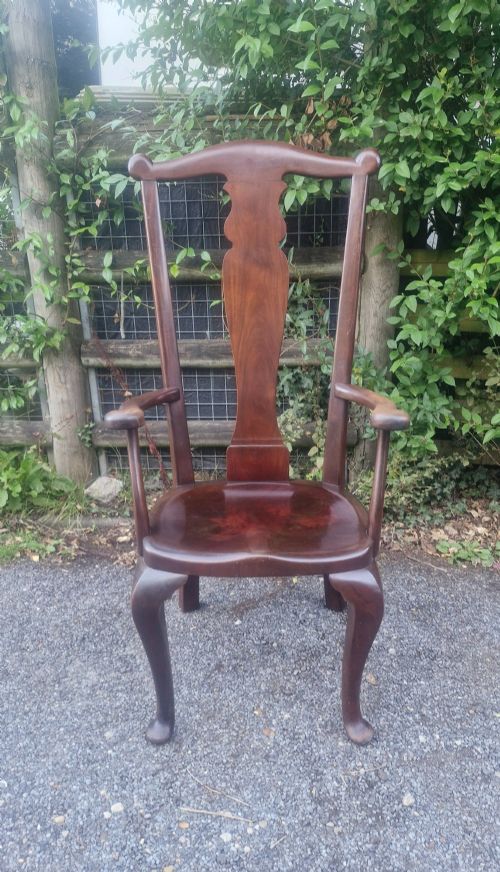
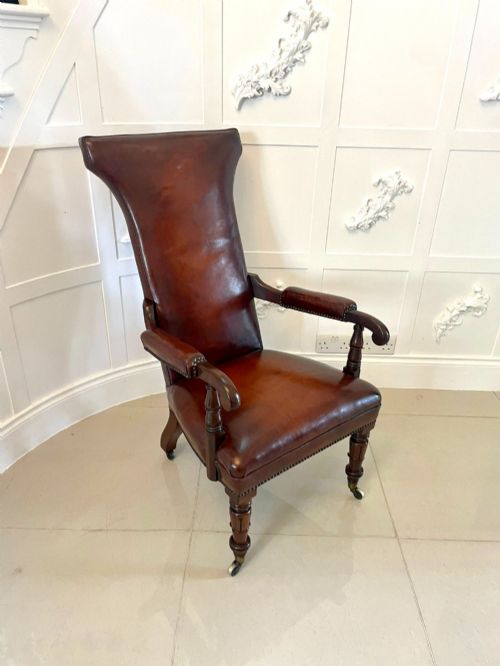
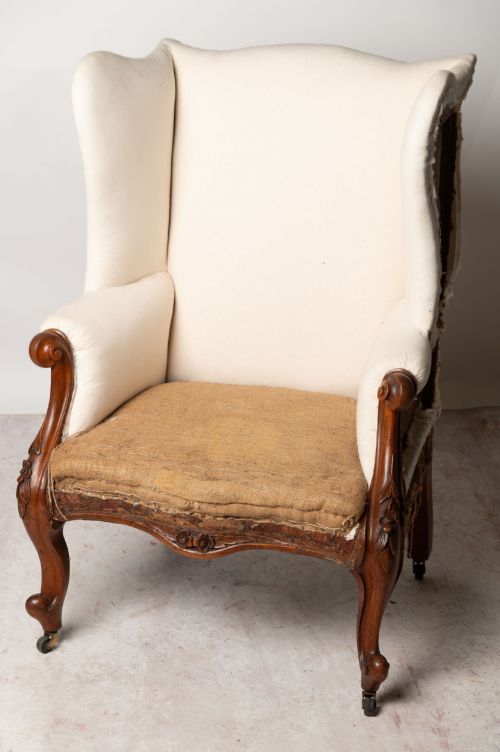
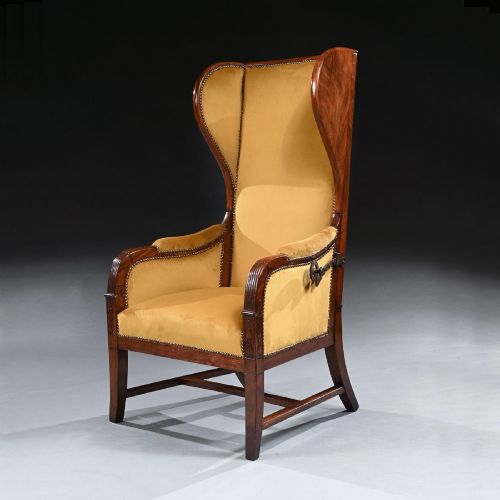
A high back library chair is an imposing seating form designed to shield the reader from draughts while offering upright support. These seating pieces span several centuries, with particular emphasis on nineteenth-century examples and earlier styles.
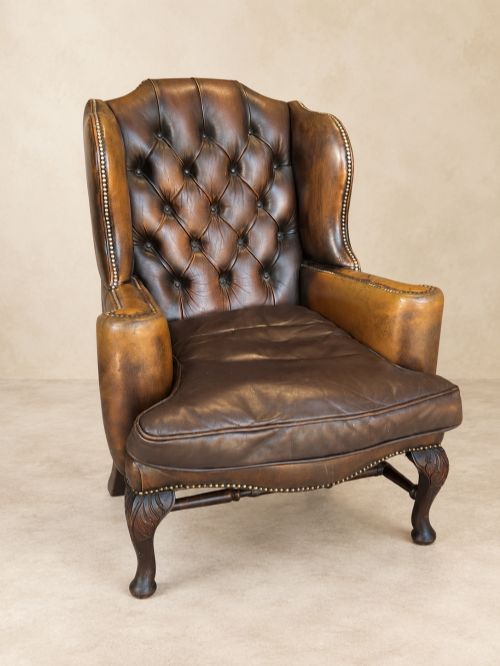
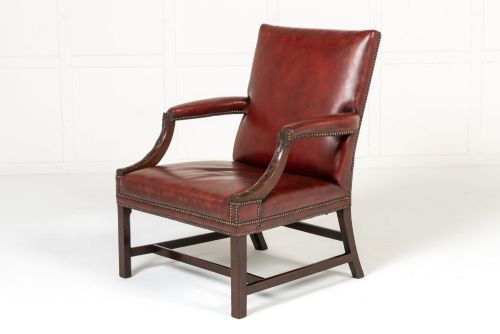
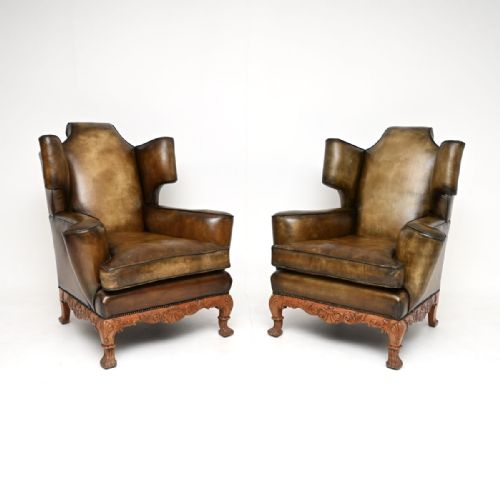
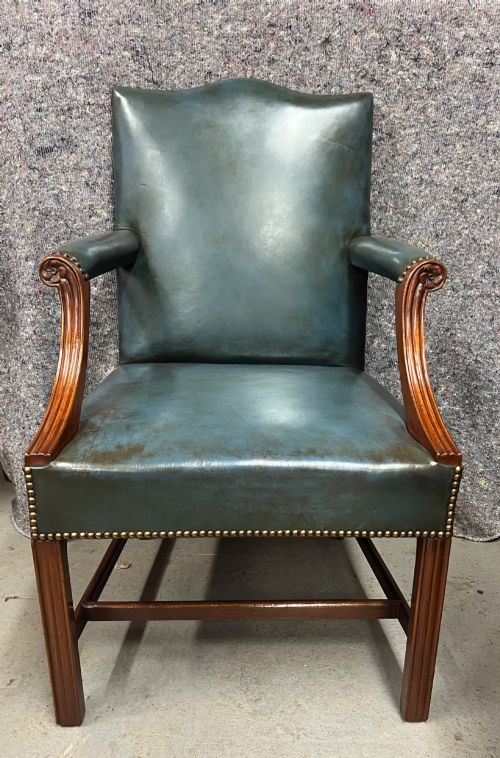
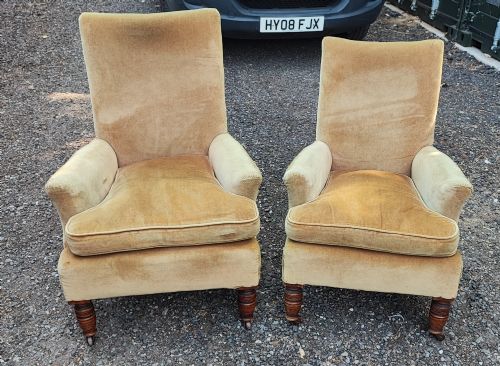
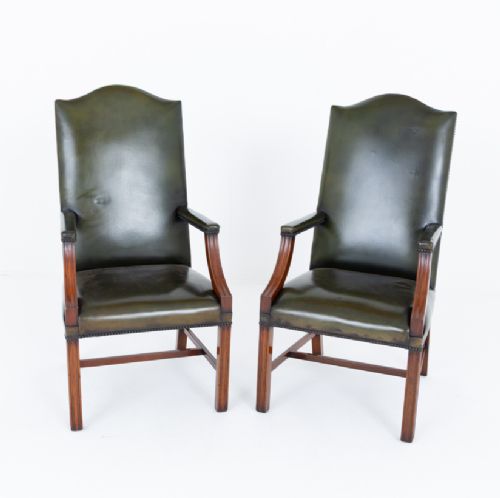
The materials encountered on this page encompass rich timbers like mahogany, walnut and oak, paired with tactile coverings such as leather, velvet and fabric. Formats range from Gainsborough desks chairs to substantial wingbacks and throne chairs.
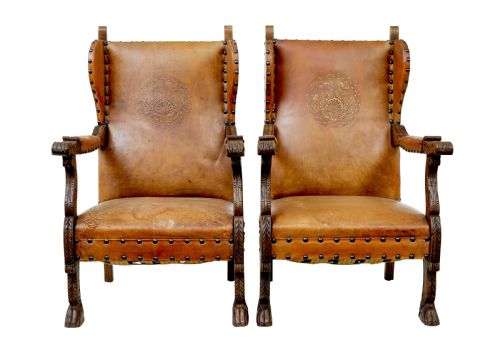
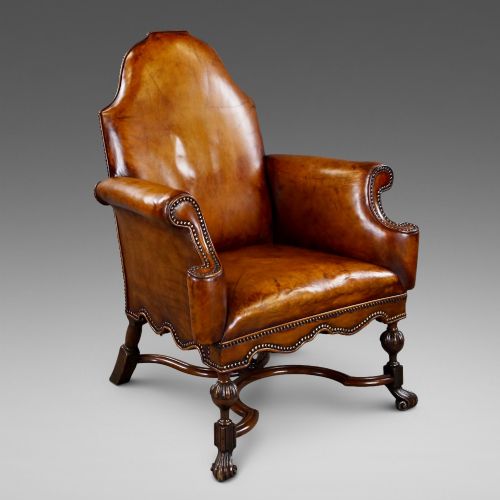
Victorian and Edwardian iterations sit alongside revival pieces reflecting Georgian, Regency and William and Mary aesthetics. Buyers will frequently encounter mahogany and oak frames upholstered in tan or embossed leather.
Materials and Construction
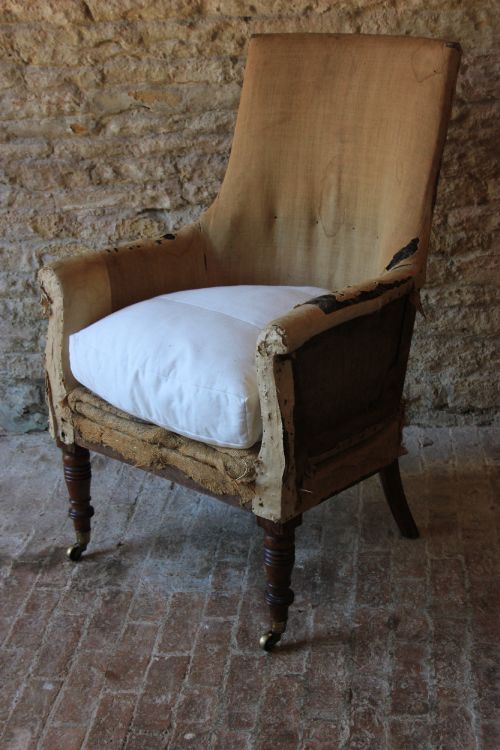
Cabinet makers constructed the foundational frames using dense hardwoods like mahogany, walnut and oak, often incorporating intricate carving or simpler polished surfaces. Brass details occasionally appear as castors or decorative hardware on the legs.
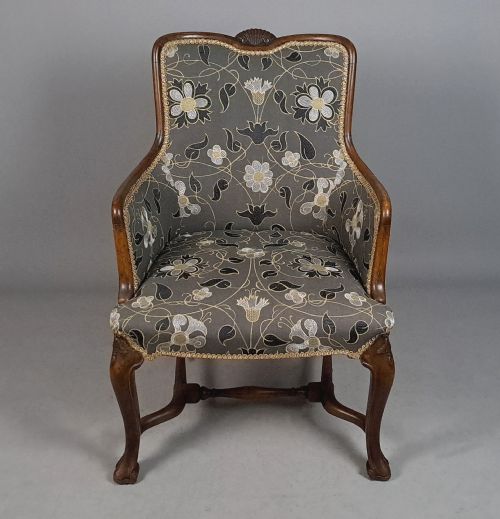
Upholstery techniques relied on durable textiles, woven fabrics and embossed or hand-dyed leather secured to the high frames. Interior padding utilised traditional stuffing materials to maintain the supportive, upright contours characteristic of the type.
High Back Library Chair Retail Price Guide 2026
Typical asking prices for high back library chair among the pieces listed under this phrase on Sellingantiques today, from the lower quarter to the upper quarter. They describe what is for sale here now, not the wider market.
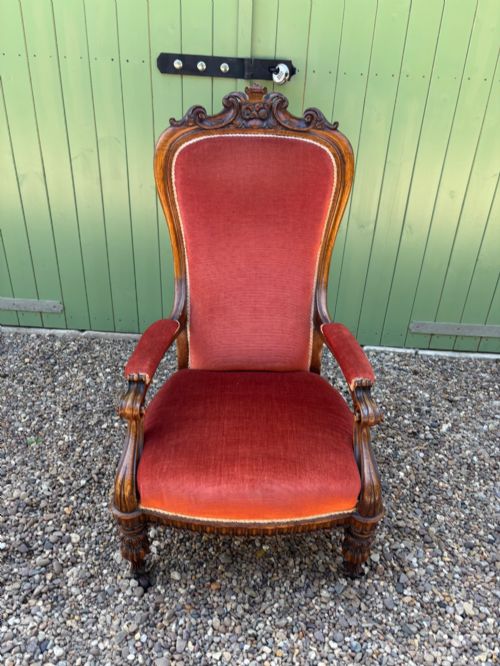
Some imposing Victorian specimens feature fierce green man carvings staring intently across the room from the crest of the tall back.
Judging the Workmanship
Quality rests in the sculptural integrity of the timber frame, where crisp carving and substantial proportions separate robust examples from simpler workshop output. Heavier timbers and thoughtful joinery ensure longevity in daily use.
The treatment of the upholstery, whether smooth hand-dyed leather or detailed fabric work, dictates the visual refinement of the seating. Superior pieces retain harmonious proportions between the towering backrest and the supporting arms.
The High Back Library Chair Glossary
- Wingback
- A seating form featuring protective side panels designed to trap heat from a fireplace and block draughts.
- Gainsborough chair
- A wide, open-armed armchair with a low seat and high back, typically executed in mahogany during the eighteenth century and later revived.
- Fauteuil
- An open-armed upholstered armchair of French origin, featuring exposed wooden framing around the back and arms.
- Throne chair
- An exceptionally tall and imposing armchair, often heavily carved to project authority and status.
- Lyre arm
- An armrest curved in the graceful shape of an ancient stringed instrument, frequently seen on Regency examples.
High Back Library Chair: Frequently Asked Questions
What defines a high back library chair?
These seats feature an elevated backrest designed to provide solid spinal support and protection from cold draughts in large rooms.
They combine robust wooden frames of mahogany, walnut or oak with substantial upholstered surfaces suited for prolonged reading.
How were these chairs originally used?
Owners positioned them beside fireplaces, at writing desks or within quiet reading rooms to offer comfort and privacy.
The tall proportions served both a practical thermal function and an aesthetic role as significant room furniture.
How do I spot a revival piece?
Revival items mimic earlier aesthetic movements like Queen Anne or William and Mary while utilising nineteenth- or twentieth-century construction methods.
Examining the timber ageing, tool marks and internal webbing helps distinguish original period pieces from later interpretations.
Are these chairs suitable for daily seating?
Their sturdy hardwood frames and supportive high backs make them durable options for regular domestic use.
Many examples accept modern reupholstery well, allowing them to adapt comfortably to contemporary living spaces.