

Antique Parlour Furniture
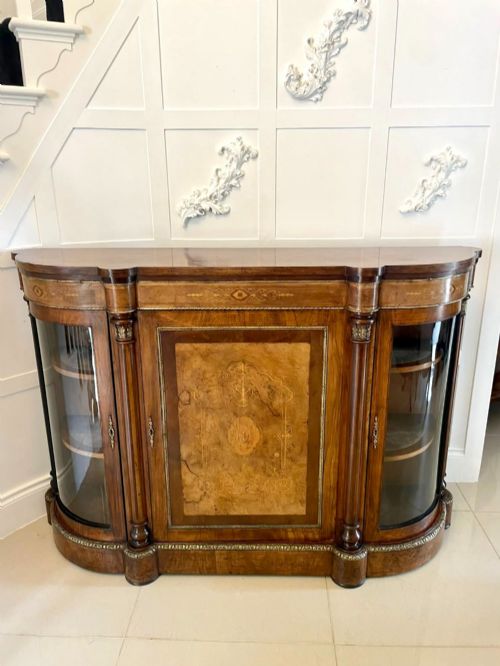
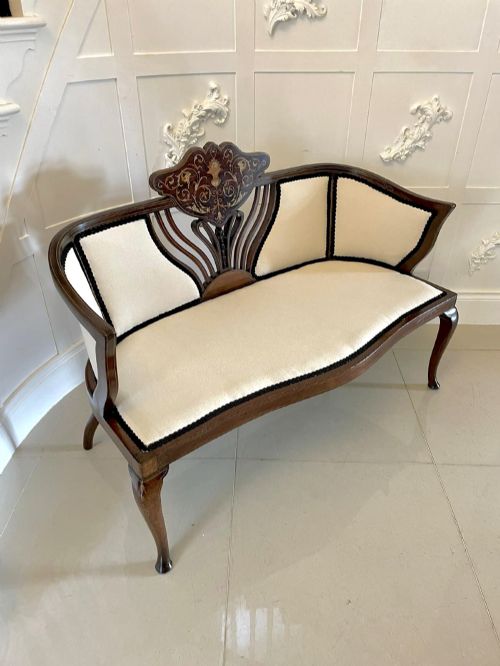
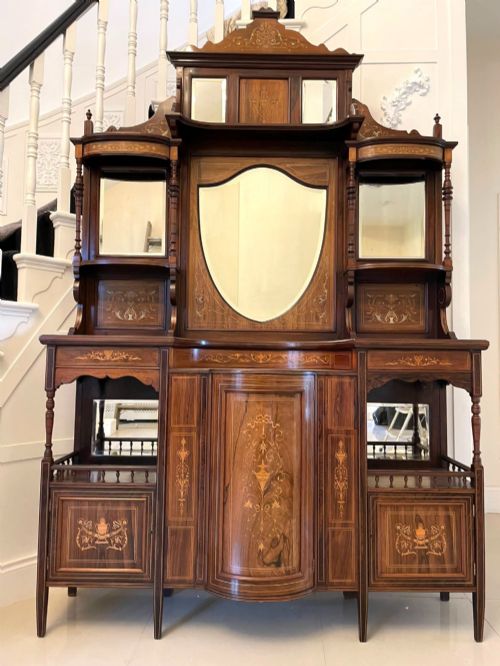
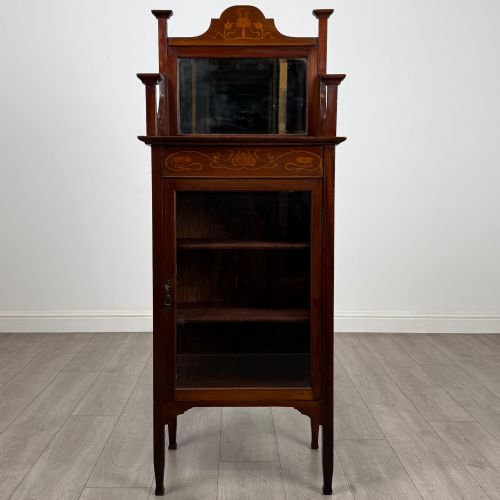
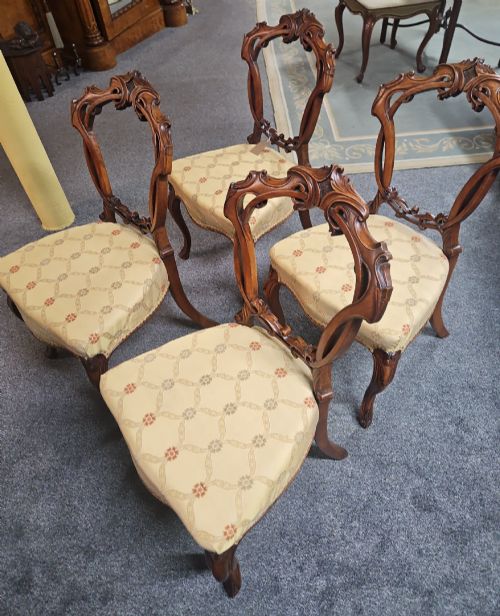
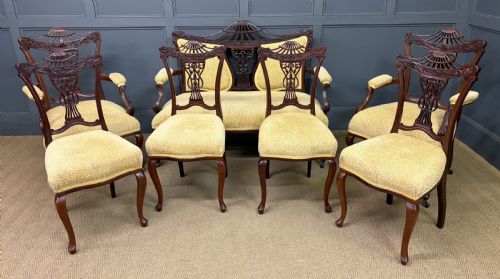
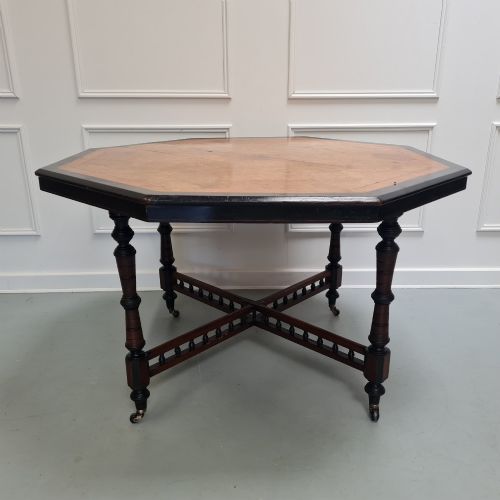
These pieces of antique parlour furniture bring nineteenth-century reception rooms to life with rich timbers, upholstered seating, and occasional tables designed for display.
Antique Parlour Furniture
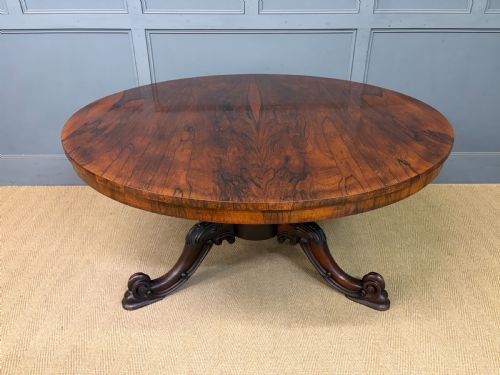
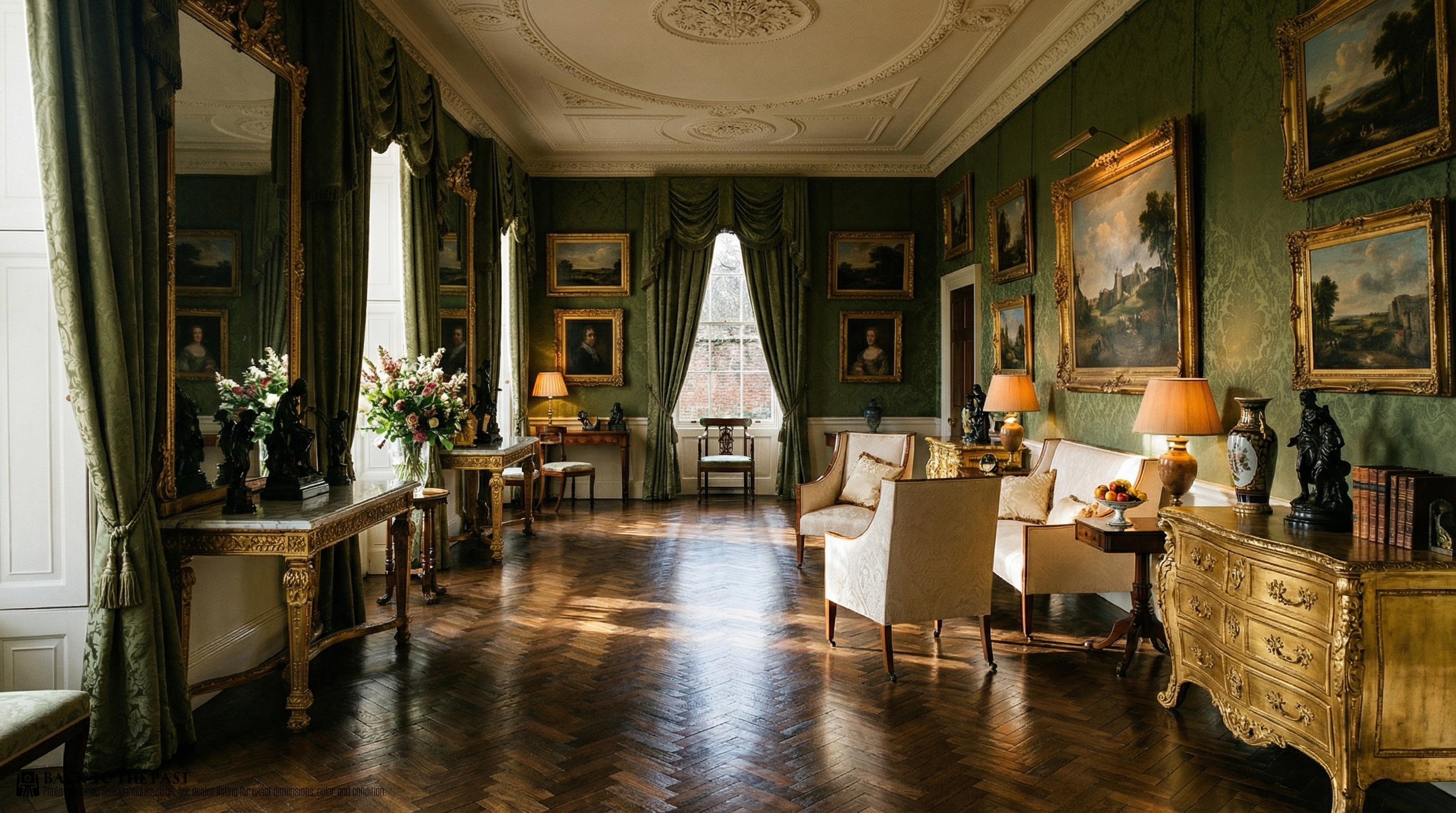
When you search for antique parlour furniture, you encounter seating suites, salon cabinets, and centre tables that once furnished formal Victorian and Edwardian drawing rooms. The selection on this page leans heavily toward mid-nineteenth-century walnut and rosewood pieces alongside lighter Edwardian mahogany items.
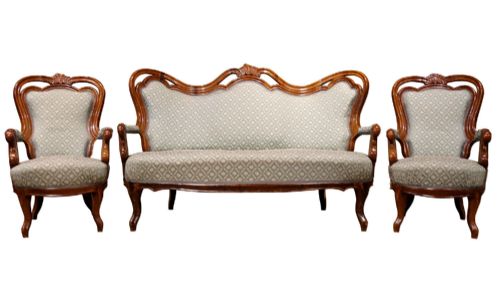
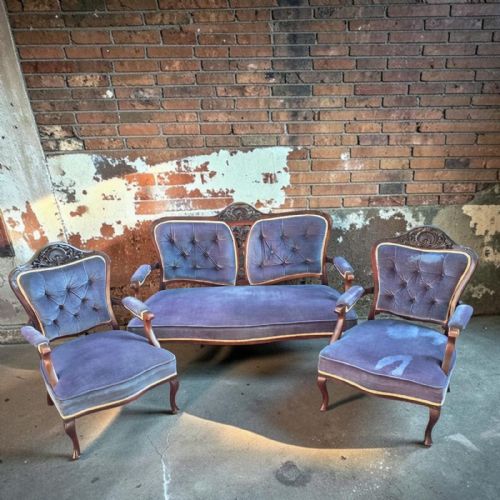
Forms range from multi-piece salon suites with deep buttoned upholstery to octagonal centre tables and inlaid display cabinets. These items reflect the domestic entertaining habits of the Victorian and Edwardian eras, where reception rooms served to display taste and status to visitors.
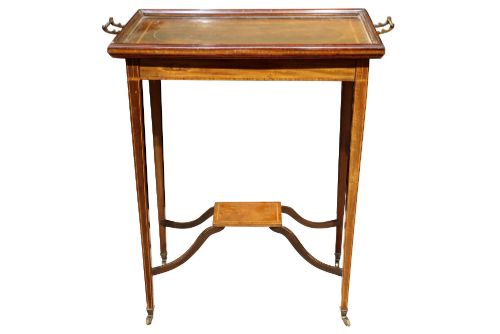
Stylistic influences span from Rococo Revival and Regency to the Aesthetic Movement and Arts and Crafts. Pieces vary from carved walnut cabinets of the 1850s to satinwood occasional tables from the dawn of the twentieth century.
Materials and construction
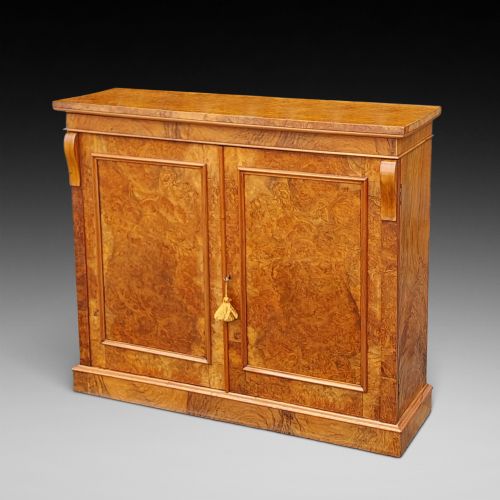
Cabinet makers utilised dense hardwoods such as mahogany, walnut, and rosewood, often enhanced with contrasting boxwood inlay or satinwood banding. Burr veneers provide rich figuring on table tops and cabinet doors, while secondary structural timbers support the heavier frames.
Seating frames rely on sturdy joinery to support deep buttoned fabric upholstery and sprung interiors. Ormolu mounts and brass hardware add metallic contrast to dark woods in French and English revival pieces from the latter half of the nineteenth century.
An upright parlour gramophone from Leeds joins the walnut cabinets and rosewood loo tables, ready to spin shellac records in the drawing room.
What separates the grades
Quality rests in the crispness of the timber carving and the precision of the marquetry inlay. Cabinets with exhibition quality credentials display finer grain selection in burr walnut or rosewood, coupled with well-balanced proportions and original mounts.
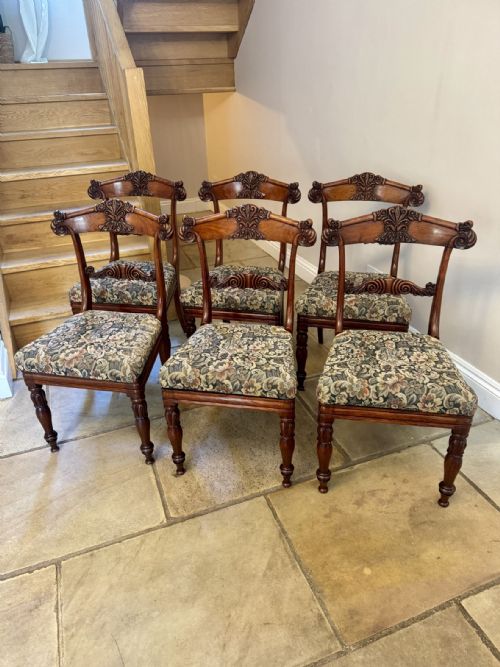
Suite uniformity dictates value in multi-piece salon sets. Matching sets where chairs, armchairs, and settees share identical timber turning, carving depth, and upholstery style command greater interest than assembled groups.
C. Hindley & Sons·Garnett & Sons·François Linke·U Phone of Leeds
The Antique Parlour Furniture Glossary
- Salon suite
- A coordinated set of seating furniture, typically comprising a settee and multiple matching armchairs or side chairs designed for a formal drawing room.
- Centre table
- A freestanding table designed to stand in the middle of a room rather than against a wall, finished with detail on all sides.
- Marquetry
- Decorative patterns formed by fitting together thin veneers of various coloured woods, often seen on Edwardian cabinet doors and table tops.
- Ormolu
- Gilded bronze mounts applied to furniture for decorative effect, prevalent in nineteenth-century pieces influenced by French design.
- Burr walnut
- Timber taken from a growth on a walnut tree that produces swirling, highly figured grain patterns favoured for cabinet fronts and table surfaces.
Antique Parlour Furniture: Frequently Asked Questions
What rooms suit these pieces?
These items fit traditional or eclectic living spaces, hallways, and studies where a freestanding centre table or inlaid cabinet creates a focal point. Their scale works well in rooms with high ceilings and period proportions.
Smaller occasional tables and single chairs offer versatile placement options without dominating a modern interior floor plan.
How do I identify Victorian pieces?
Victorian items frequently employ dark timbers such as walnut and rosewood, often featuring heavy carving, burr veneers, and deep buttoned upholstery. Construction methods from this period rely on solid timber frames and hand-cut joints.
Stylistic cues include the exuberant curves of Rococo Revival or the geometric austerity of later Arts and Crafts and Aesthetic Movement designs.
Are salon suites always matching?
Many salon suites were produced as cohesive sets comprising a settee, armchairs, and side chairs sharing identical carved motifs and timber frames. However, nineteenth-century manufacturing occasionally produced suites assembled from complementary individual seating forms.
Inspecting the framing timber and decorative carving reveals whether pieces originated from the same workshop workshop production run.
What is an occasional table?
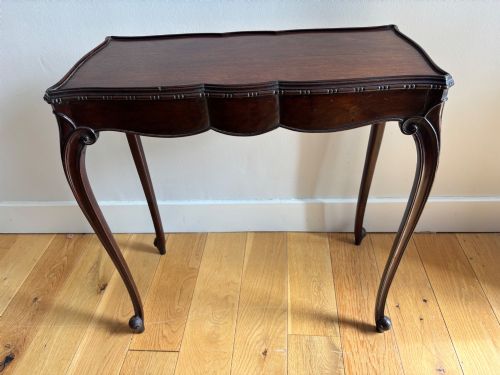
An occasional table is a small, moveable table designed for specific tasks such as holding tea, books, or decorative objects within a parlour setting. Edwardian examples often feature satinwood, tray tops, or inlaid mahogany.
These pieces were built to be easily repositioned around a room as social gatherings required.