
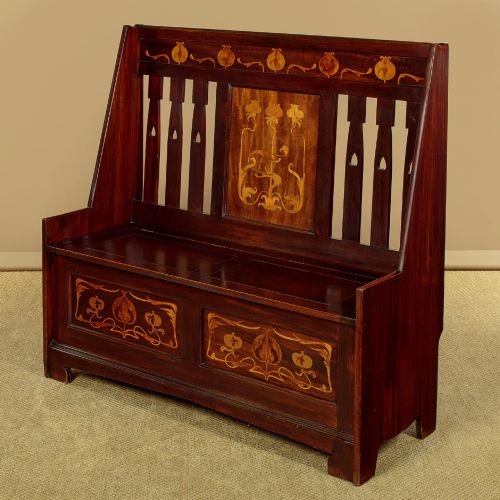


Inlaid Mahogany Bench
These inlaid mahogany bench designs combine solid cabinet timbers with delicate marquetry, offering refined seating rooted in the Edwardian era.
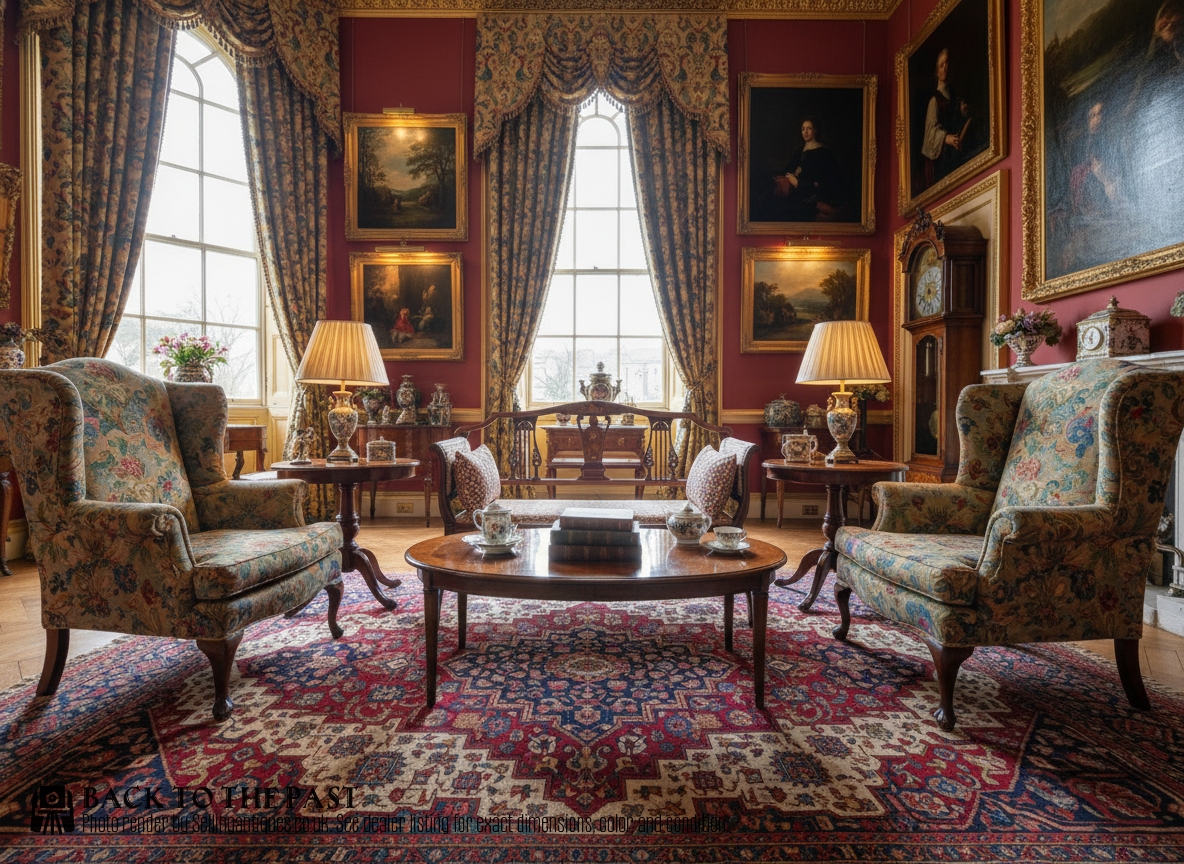
Understanding the inlaid mahogany bench
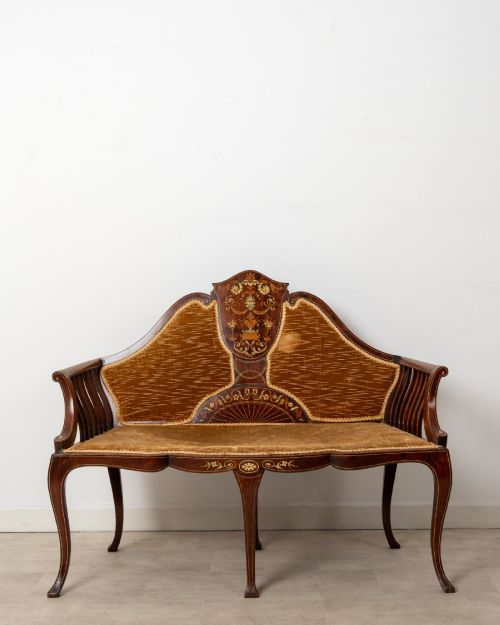
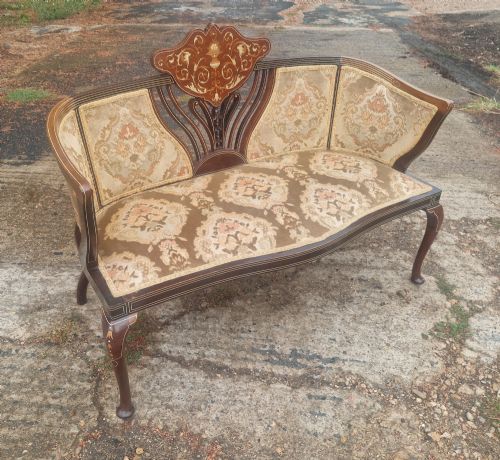
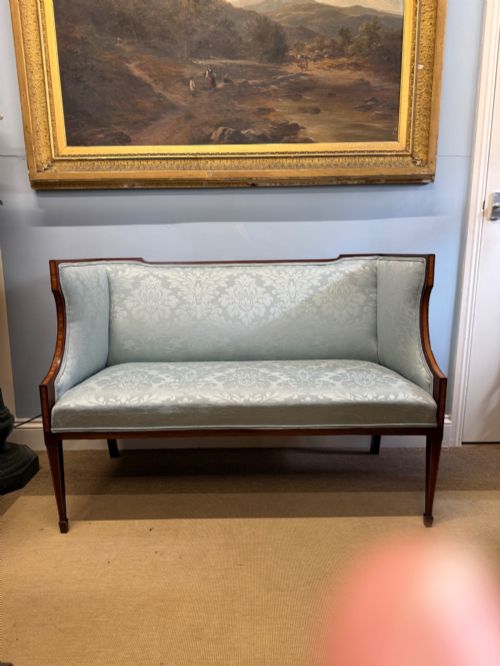
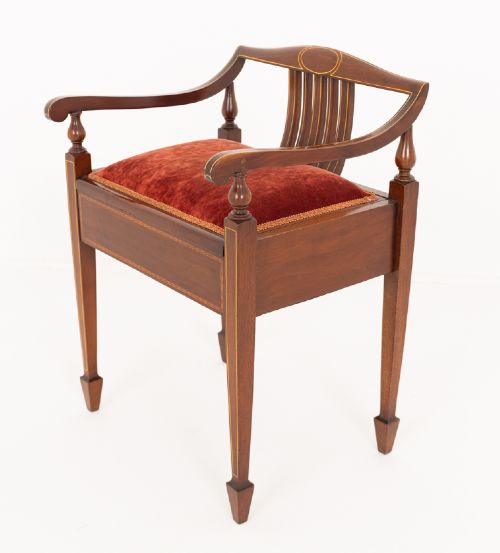
An inlaid mahogany bench encompasses piano stools, window seats, settees, and salon sofas shaped during the Edwardian period and the late nineteenth century. These forms vary from compact single seats to larger two-seater settees and freestanding parlour chairs.
Most examples found here date from the Edwardian era or around nineteen hundred, alongside occasional late nineteenth-century pieces from eighteen seventy. The inventory spans specific seating types including piano stools and window seats.
Buyers seeking an inlaid mahogany bench will encounter Sheraton Revival influences alongside Edwardian designs. These pieces serve as functional seating and decorative furnishings in domestic interiors.

Materials and construction methods
Makers built these pieces primarily using mahogany as the main structural timber, supplemented by satinwood and boxwood for contrasting detail. Marquetry inlay and marquetry inlay work embellish the surfaces.
Upholstery and fabric elements, including velvet, complete the seating portions of these chairs and stools. Cabinetmakers combined timber framing with detailed surface inlay techniques.
Retail Price Guide 2026
Typical UK retail prices for inlaid mahogany bench, calculated from the Sellingantiques database of over a million retail prices indexed since 2003. This retail price guide relies exclusively on Sellingantiques data; no external sources or auction records are used, so the figures do not describe the wider market.
Recorded periods span the Edwardian era, eighteen seventy, and nineteen hundred.
Distinctions in quality
The refinement of the marquetry inlay and the selection of cabinet woods distinguish finer examples from simpler production. Subtle variations in the crispness of the boxwood and satinwood detailing mark out superior pieces.
The integration of the upholstery with the mahogany frame reflects the original maker's skill. Finer pieces demonstrate careful attention to the balance between timber structure and textile finish.
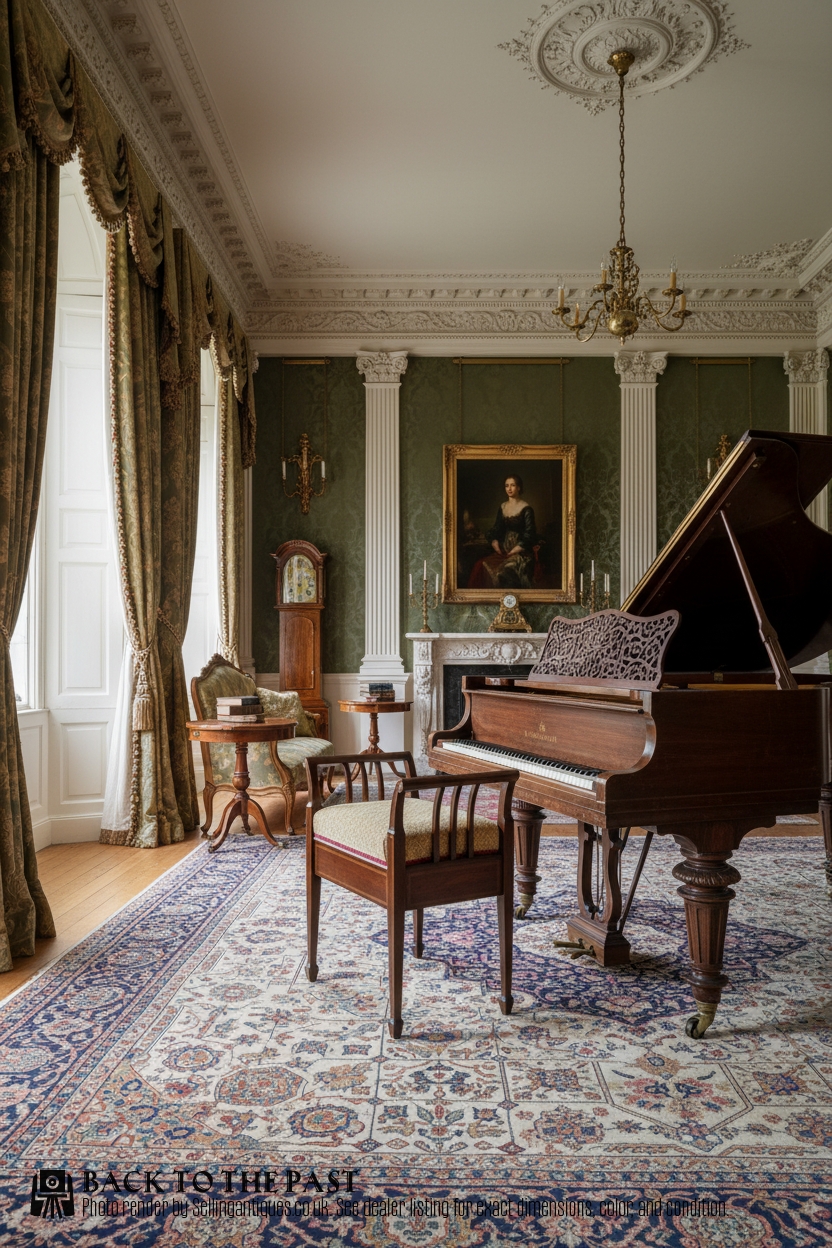
The Inlaid Mahogany Bench Glossary
- Mahogany
- A durable tropical hardwood prized for its rich reddish-brown tone and stability in cabinetmaking. It forms the primary structural material for these benches.
- Marquetry
- The art of applying decorative pieces of veneer to a structure to form ornamental patterns. This technique creates the contrasting imagery on the timber surfaces.
- Satinwood
- A pale, lustrous timber utilised for contrasting inlay work and stringing. It provides bright visual accents against darker mahogany.
- Edwardian
- A design period spanning the early twentieth century defined by lighter, refined proportions. Much of the seating recorded here originates from this era.
- Sheraton Revival
- A late nineteenth and early twentieth-century style drawing inspiration from eighteenth-century neoclassical designs. It informs the decorative vocabulary of these pieces.
Frequently Asked Questions
What is an inlaid mahogany bench?
An inlaid mahogany bench is a piece of antique seating constructed from mahogany and decorated with marquetry. The category includes window seats, piano stools, and settees.
These items date predominantly from the Edwardian period and the late nineteenth century. They combine practical seating with decorative woodwork.
How do I date an inlaid mahogany bench?
Dating relies on stylistic markers such as Edwardian proportions and Sheraton Revival motifs. Materials like satinwood inlay and velvet upholstery also point to specific periods.
Most surviving examples originate from around nineteen hundred or the late nineteenth century. Examining the construction and timber helps confirm the era.
Where were these benches used?
These seats were designed for domestic parlours, music rooms, and drawing rooms. Piano stools served specific musical functions near keyboard instruments.
Window seats and settees provided formal seating in reception rooms. Their decorative inlay suited prominent positions in the home.
What styles influence these pieces?
The primary style influence is the Edwardian aesthetic alongside Sheraton Revival design principles. These traditions favour lighter frames and delicate decorative details.
Inlay work draws on classical motifs adapted for early twentieth-century interiors. This creates a cohesive look across different seating forms.