



Marquetry Upholstered Bench
Marquetry upholstered bench examples bring together intricate wood inlay and soft seating, offering a functional and decorative seat for any room.
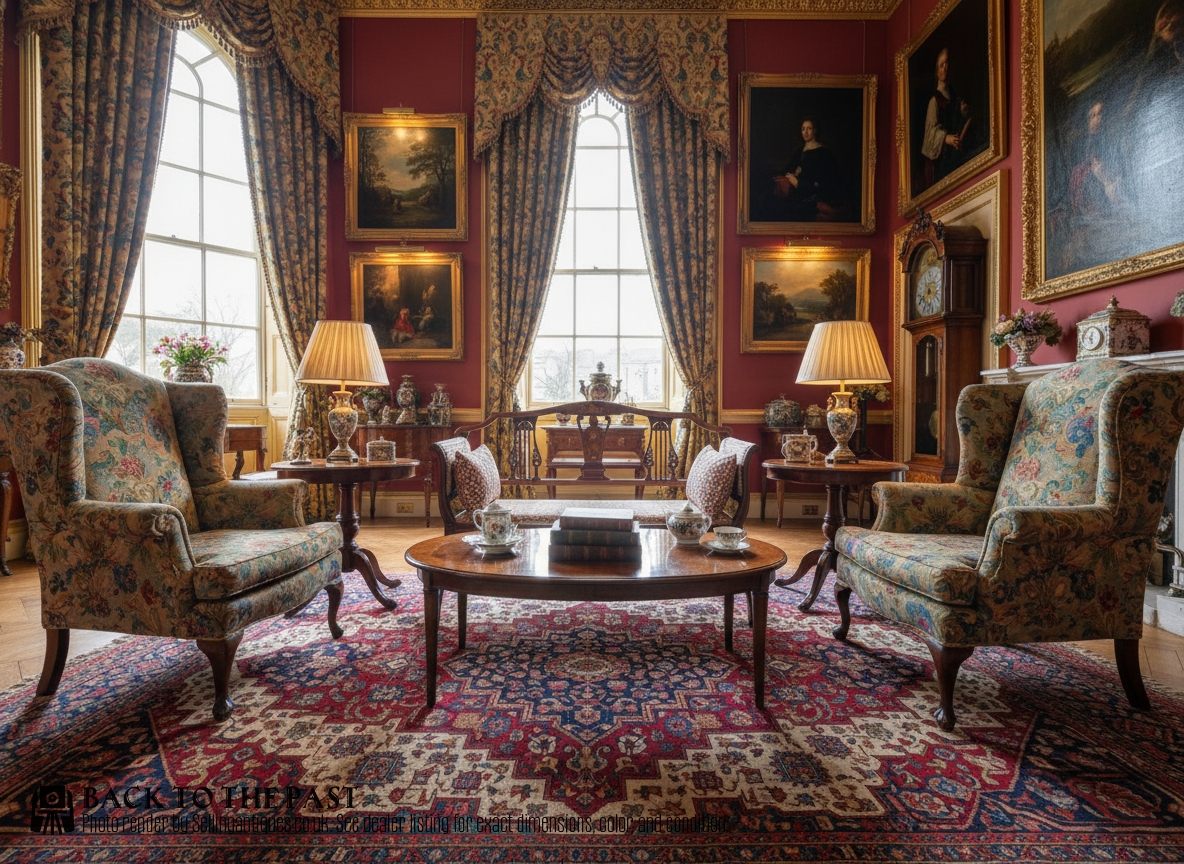
Marquetry Upholstered Bench
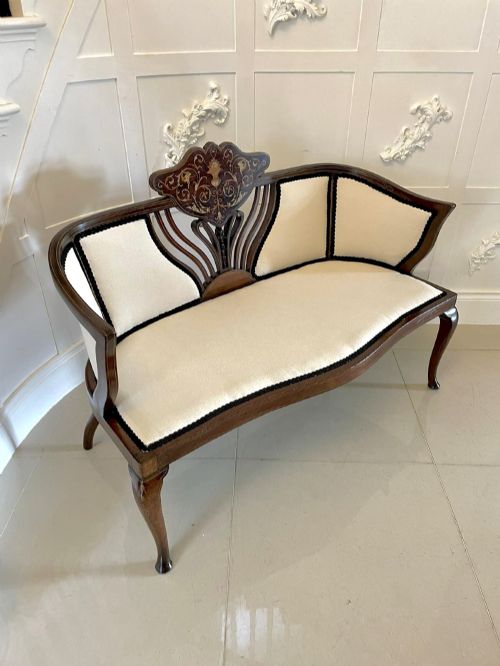
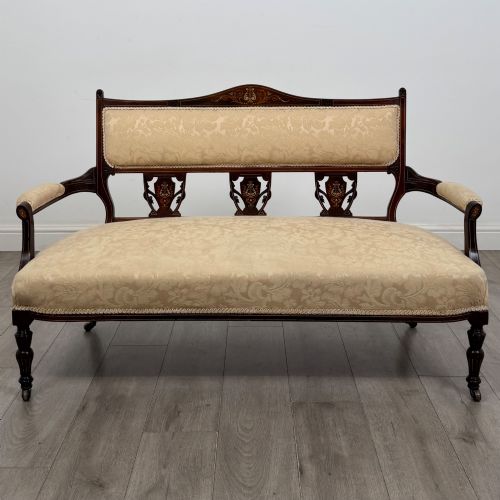
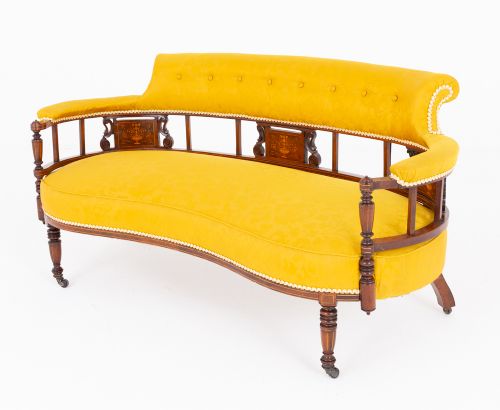
A marquetry upholstered bench combines structured timber framing with a cushioned seat surface, drawing from Victorian and Edwardian periods. You will regularly encounter settees, window seats, and piano stools among these selections.
Most examples originate from the late nineteenth and early twentieth centuries, spanning Edwardian, Victorian, and late Victorian eras. These pieces appear in forms such as salon sofas, end of bed seats, and compact benches.
Woods like mahogany and rosewood dominate the construction, often enhanced with satinwood or marquetry inlay. Such seating serves both practical household use and decorative placement in hallways or bedrooms.
Materials and construction methods
Frames are built using dense hardwoods including mahogany, rosewood, and walnut to provide a sturdy foundation for daily seating. These timbers are shaped into settees, window seats, and stools using traditional joinery.
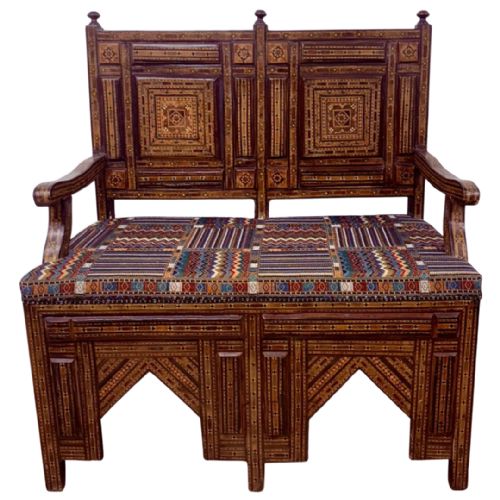
Decorative surfaces utilise marquetry and satinwood inlay, embedding contrasting wood veneers into the timber body. Some pieces incorporate bone inlay or brass details alongside damask upholstery or standard fabric coverings.
Marquetry Upholstered Bench Retail Price Guide 2026
Typical asking prices for marquetry upholstered bench among the pieces listed under this phrase on Sellingantiques today, from the lower quarter to the upper quarter. They describe what is for sale here now, not the wider market.
Several pieces include hidden bone details alongside classic satinwood, proving that Victorian makers loved a subtle surprise beneath the veneer.
Assessing quality in inlaid seating
The precision and complexity of the marquetry and satinwood inlay define the upper tier of these pieces. Crisp botanical or geometric patterns set finer examples apart from simpler, plain-timber alternatives.
The choice of primary wood also marks a distinction, with rich rosewood and figured mahogany framing carrying greater visual weight than standard hardwoods. Structural integrity in the frame and the retention of original upholstery materials further separate standard items from finer specimens.
The Marquetry Upholstered Bench Glossary
- Marquetry
- The art of applying decorative pieces of veneer to a structure to form ornamental designs. It differs from simple inlay by covering the entire surface with fitted wood patterns.
- Satinwood
- A durable, yellowish timber often used for contrasting inlay work and decorative banding on darker woods. It provides a bright sheen that highlights detailed motifs.
- Damask
- A reversible fabric traditionally used for upholstery, featuring woven patterns visible on both sides. It frequently appears on period seating.
- Settee
- A small upholstered sofa with a back and arms, designed to seat two or more people. These form the majority of larger seating options in this category.
- Window seat
- A long, narrow bench specifically built to sit beneath a window recess. They often feature open frames and decorative wood inlays.
Marquetry Upholstered Bench: Frequently Asked Questions
Where should I place a marquetry bench?
These pieces suit placement at the foot of a bed, inside a hallway, or beneath a large window. Their decorative backs and inlaid frames allow them to function as standalone accent furniture.
Compact versions like piano stools or small window seats fit easily into tighter spaces without overwhelming the room.
How do I identify a Victorian piece?
Victorian examples often employ darker woods like rosewood and walnut, paired with heavier proportions and ornate detailing. They frequently date from the mid to late nineteenth century.
Look for traditional joinery methods and rich grain patterns that distinguish these earlier items from later Edwardian productions.
What is the difference between a settee and a sofa?
In historical terms, a settee typically denotes a lighter, upholstered seat often designed for a parlour or salon. Sofas within these periods can share similar proportions but may incorporate more substantial frames.
Both categories frequently feature marquetry inlay and fabric or damask upholstery.
Can I reupholster an antique bench?
Many salon settees and window seats are suited for re-upholstery to match modern interior fabrics. Preserving the original wooden frame and inlay work ensures the historical character remains intact.
Consulting a professional restorer helps protect delicate satinwood and marquetry during the process.