


Edwardian Two Seater
When you search for an edwardian two seater, you are looking at compact upholstered parlour and drawing room settees from the early twentieth century.

Edwardian Two Seater
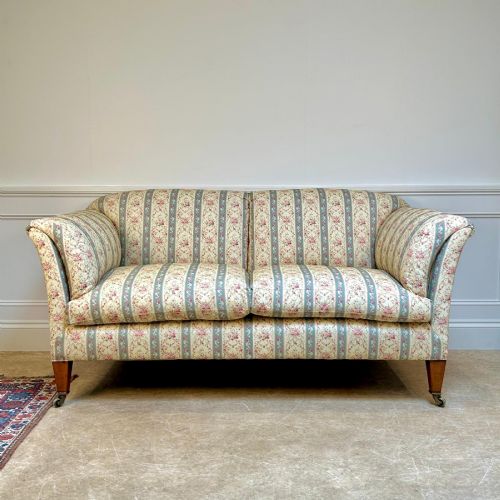
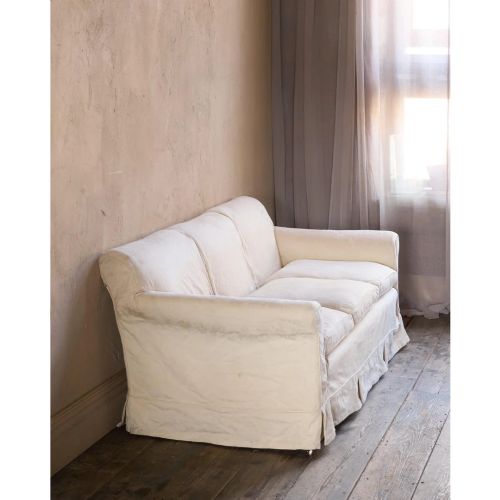
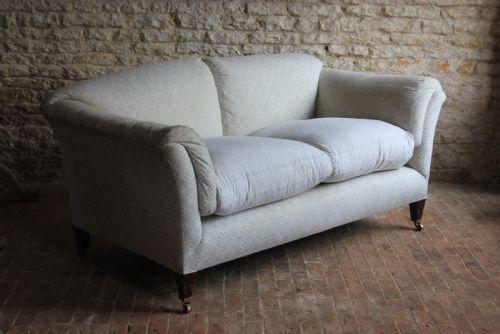
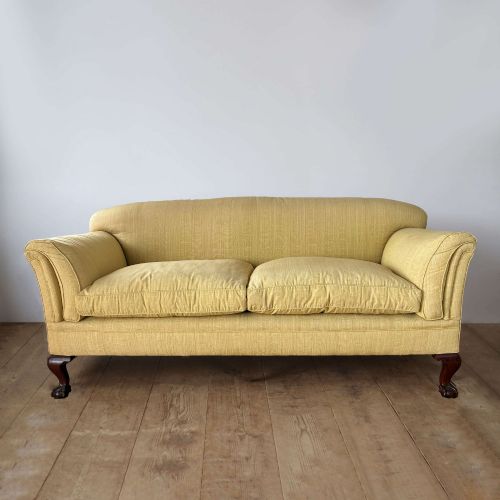
An edwardian two seater represents a compact seating form designed for the smaller drawing rooms and parlours of the early twentieth century. These pieces bridge the heavier Victorian aesthetic and the lighter Edwardian taste, frequently taking the form of settees, salon suites, and small couches.
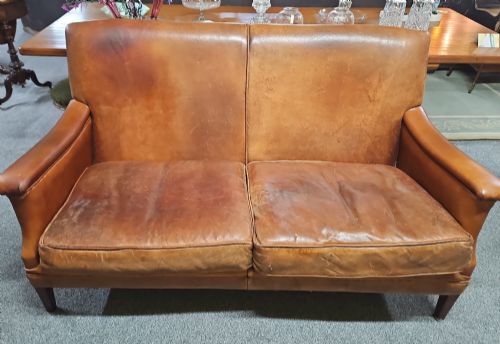
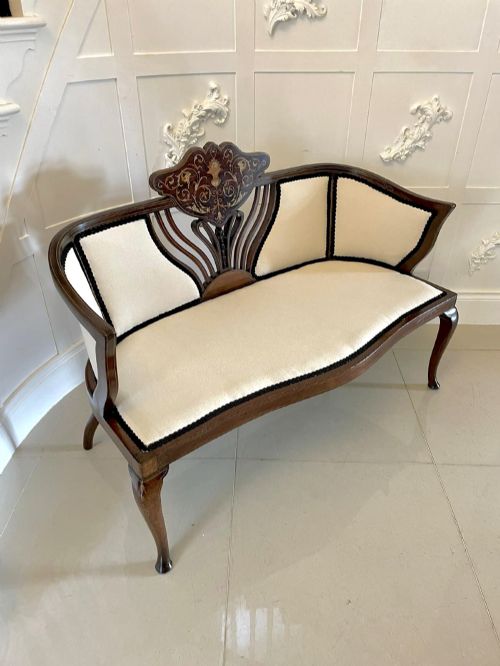
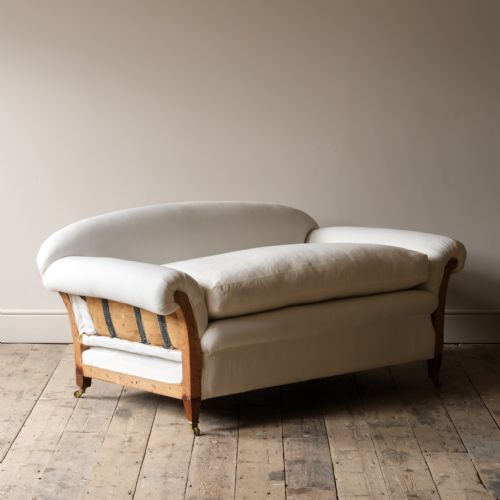
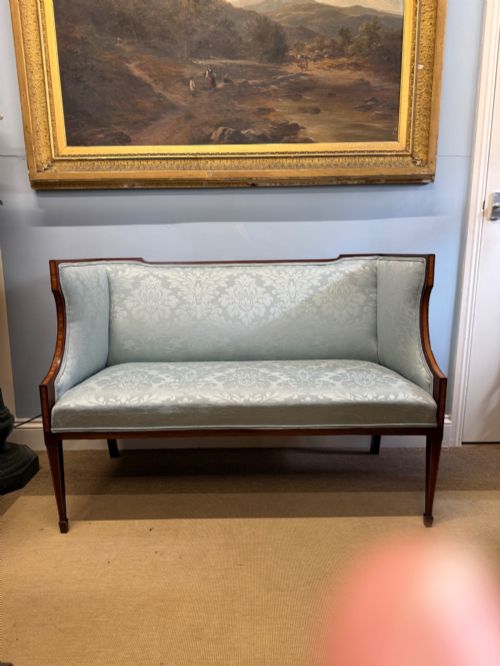
The versions most commonly met on this page are mahogany-framed settees featuring satinwood inlay, alongside deep-seated country house pieces and upholstered parlour settees. Makers also produced smaller window seats, bench loveseats, and bedroom settees during this period.
Originating predominantly from English workshops, these items reflect both formal revival styles such as Queen Anne and Louis XVI, and relaxed domestic seating arrangements. Their scale suits modern rooms while retaining the architectural proportions of the Edwardian era.
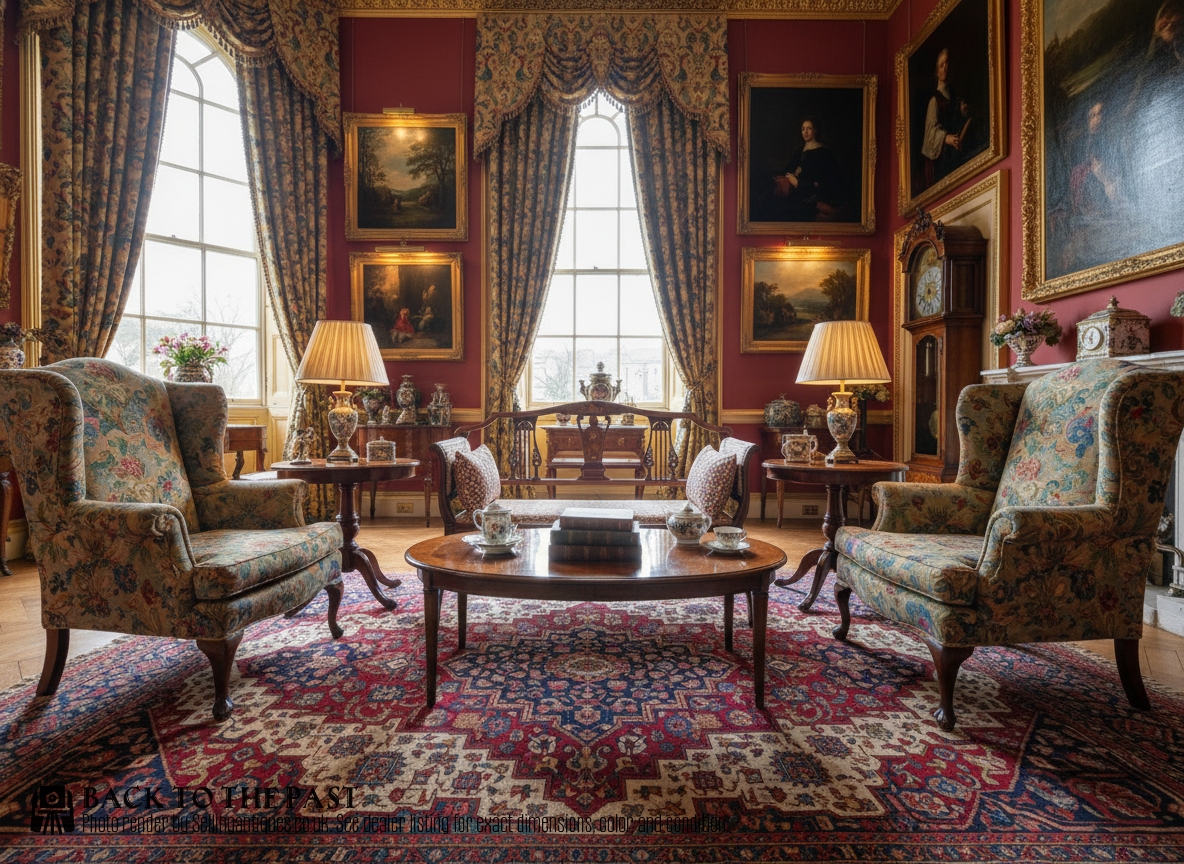
How they were made
Cabinetmakers utilised solid timbers such as mahogany, walnut, and satinwood for the structural frames, often applying delicate stringing and contrasting inlay veneers. Brass castors, carved wooden legs, and cane work frequently finished the lower framework.
Upholstery techniques relied on traditional springing and stuffing methods enclosed in fabric, leather, or specialised material such as canework and patterned textiles. Frames were joined using traditional woodworking joints to support daily domestic use.
Edwardian Two Seater Retail Price Guide 2026
Typical asking prices for edwardian two seater among the pieces listed under this phrase on Sellingantiques today, from the lower quarter to the upper quarter. They describe what is for sale here now, not the wider market.
Listings feature mahogany, walnut, satinwood, and brass alongside fabric and leather upholstery across Edwardian and Victorian periods.
What varies in quality
The standard of an edwardian two seater depends heavily on the crispness of the timber carving, the finesse of the satinwood inlay, and the structural integrity of the frame. Superior examples display carefully selected grain figures and balanced proportions that reflect meticulous workshop execution.
Upholstery foundation and material choice also separate simpler pieces from finer commissions, with original maker stamps, such as those from notable upholsterers, indicating higher workshop provenance and material grade.
Howard and Sons·Thonet·Colefax and Fowler
The Edwardian Two Seater Glossary
- Settee
- A long upholstered seat for more than one person, typically featuring a back and arms. It served as a primary seating option in formal parlours.
- Satinwood
- A durable, lustrous timber from tropical trees displaying a golden yellow hue. Cabinetmakers utilised it extensively for contrasting decorative veneers and stringing.
- Knole sofa
- A traditional English sofa style characterised by hinged or adjustable drop arms tied with cords. It originated in the seventeenth century and saw revival production.
- Canework
- Woven rattan or cane applied to chair backs and seat frames. This technique provided lightweight ventilation and decorative texture.
- Inlay
- A decorative technique where pieces of contrasting wood, bone, or shell are fitted into depressions within a solid timber surface. It formed a hallmark of Edwardian cabinetmaking.
Edwardian Two Seater: Frequently Asked Questions
How do I identify an edwardian two seater?
Look for lighter timber frames, typically mahogany or satinwood, often decorated with delicate inlay or stringing. The proportions are generally smaller and more refined than bulky Victorian equivalents.
Check for period construction methods and materials beneath the upholstery to confirm the era of manufacture.
Where were these settees placed originally?
These pieces were designed primarily for drawing rooms, parlours, and bedrooms within Edwardian homes. Their compact scale allowed them to sit comfortably in window bays or smaller reception spaces.
They also found a place in country house libraries and informal morning rooms.
Are these sofas suitable for daily use?
Most pieces are built on sturdy hardwood frames capable of handling regular sitting when properly maintained. Many survive with their original structural integrity intact after a century of domestic life.
Re-upholstery is frequently undertaken to refresh internal webbing and padding for modern comfort.
How do I distinguish Edwardian from Victorian styles?
Edwardian furniture generally exhibits lighter framing, brighter polished woods, and restrained decorative elements compared to dark, heavily carved Victorian pieces. The aesthetic shifted towards airier interior spaces and revival designs.
Inlay work and satinwood detailing became much more prevalent as the nineteenth century closed.