


Dark Mahogany Settee
A dark mahogany settee brings substantial timber and deep seating to a room, offering both period presence and everyday comfort.
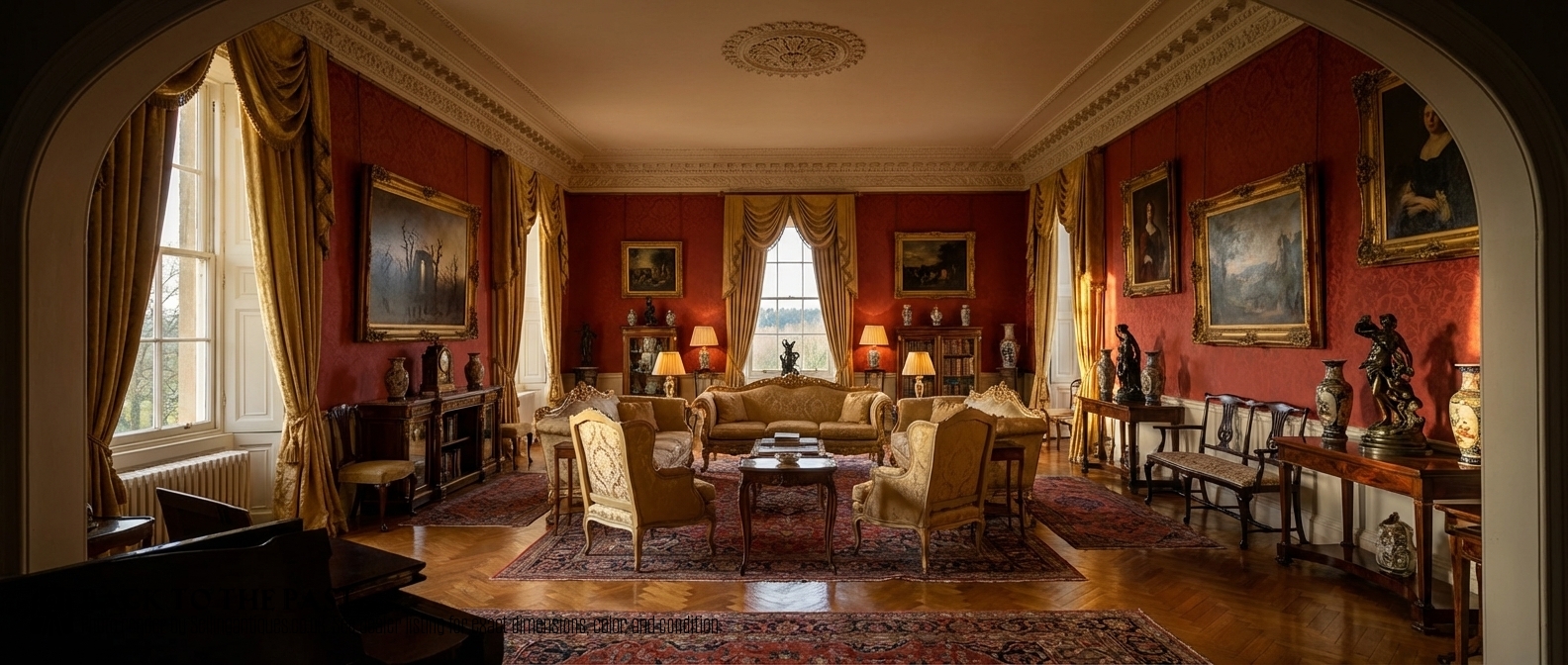
Dark Mahogany Settee
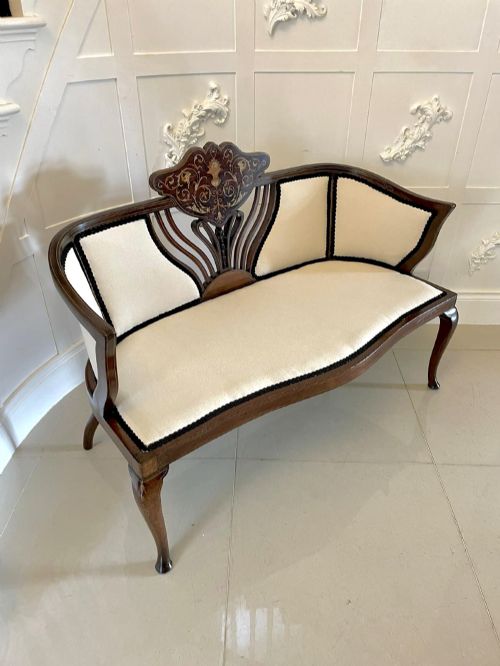
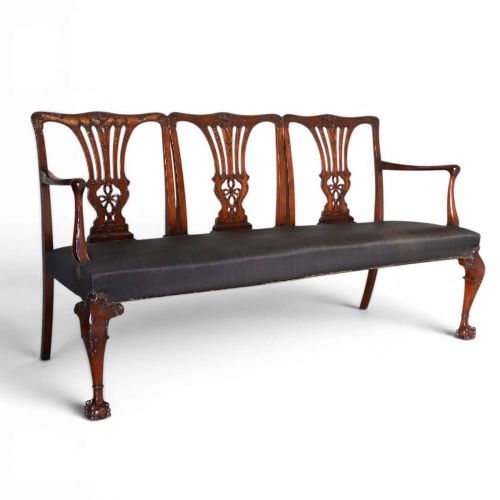
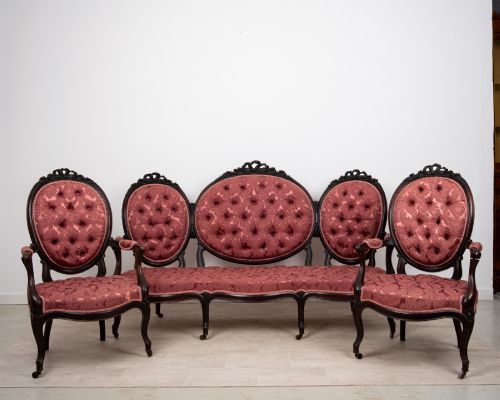
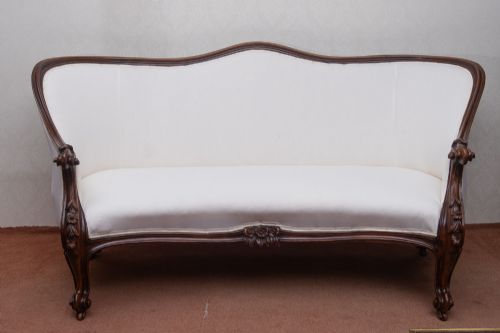
A dark mahogany settee is a seating piece built for multiple people, spanning periods from the 18th century through to the Edwardian era. You will most frequently encounter Victorian examples here, often featuring deep buttoned upholstery or carved frames.
The forms range from large country house sofas and multi-piece salon suites down to compact window seats and end of bed sofas. Styles move through George III, Regency, William IV, and Edwardian Chippendale revivals, reflecting changing domestic tastes across the centuries.
Makers utilised rich hardwoods alongside various soft woods, framing their work with serpentine fronts, camel backs, or shield backs. Each piece demonstrates the heavy timber construction characteristic of British and Irish cabinet making during these periods.
Judging the standard
Quality rests upon the crispness of the timber carving and the architectural balance of the frame, separating standard production pieces from master workshop output. The weight of the mahogany and the precision of any boxwood or satinwood inlay indicate the time invested by the cabinet maker.
Upholstery potential and the integrity of the underlying show-wood frame dictate longevity and aesthetic success. Pieces that retain their original proportions without structural timber modification command greater appreciation among collectors of period seating.
Dark Mahogany Settee Retail Price Guide 2026
Typical asking prices for dark mahogany settee among the pieces listed under this phrase on Sellingantiques today, from the lower quarter to the upper quarter. They describe what is for sale here now, not the wider market.
Periods represented span from the 18th century through Regency, William IV, and Victorian times to the Edwardian era.
The Dark Mahogany Settee Glossary
- Mahogany
- A durable tropical hardwood known for its deep reddish-brown colour and fine grain. It serves as the primary structural and visual timber for these settees.
- Satinwood
- A luminous timber utilised for contrasting inlay work and stringing on Edwardian and Victorian frames. It provides a bright golden contrast to darker mahogany surfaces.
- Shield back
- A chair or settee back shaped like a heraldic shield, popularised during the 18th century by designers such as Hepplewhite. The carved wooden frame encloses central splats.
- Buttoned upholstery
- A method of securing padding through deep tufting with twine and fabric buttons. This technique creates a distinctive diamond pattern across the backrest.
- Serpentine front
- A curved seat rail that bows outward in the centre and curves inward toward the sides. This flowing line adds visual movement to heavy wooden frames.
Dark Mahogany Settee: Frequently Asked Questions
How do I date a mahogany settee?
Dating relies on stylistic markers such as the transition from George III and Regency classical lines to heavier Victorian carving and Edwardian revival details. Examining the timber grain, construction joints, and secondary woods helps narrow the decade of manufacture.
Cabinet makers shifted their decorative vocabulary across these periods, moving from plain polished surfaces to elaborate inlay and carved show-wood frames. Comparing the silhouette against documented design books provides further clarity.
Are these settees comfortable for daily use?
Most period settees offer firm support due to traditional webbing and deep stuffing methods. Many examples on this page are suited for everyday seating in a living room or parlour.
Some pieces require upholstery updates to meet personal comfort preferences while preserving the wooden frame. Checking the internal depth and back angle ensures the proportions suit your physical space.
How do I care for dark mahogany timber?
Protect the wood by keeping the settee away from direct sunlight and sudden temperature changes, which can dry out the finish. Regular dusting with a soft, dry cloth maintains the lustre of the polish.
Avoid commercial silicone sprays that build up residue on antique surfaces. Applying a modest coat of quality beeswax periodically helps nourish the mahogany grain.
What is a salon suite?
A salon suite consists of a matching settee and accompanying chairs designed for formal reception rooms. These groupings share identical timber frames, upholstery fabrics, and decorative carving styles.
They emerged strongly during the Victorian and Edwardian periods to provide cohesive seating arrangements for entertaining guests. Surviving suites keep the complete drawing room aesthetic intact.