


Edwardian Urn Stand
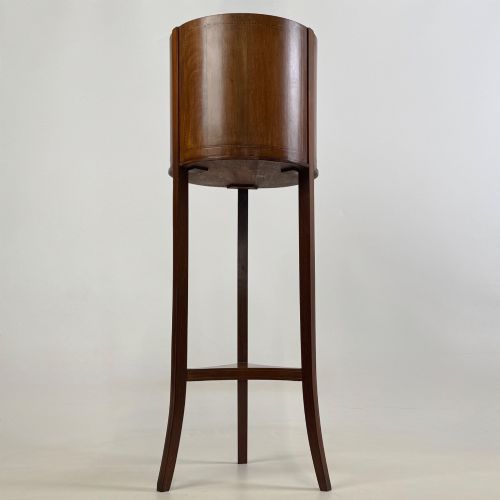
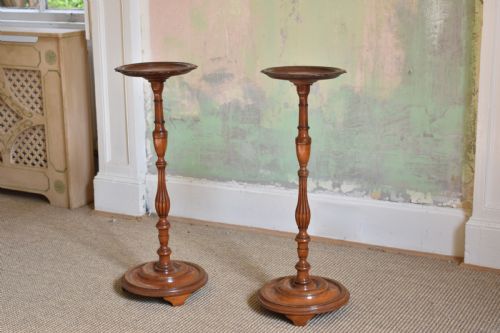
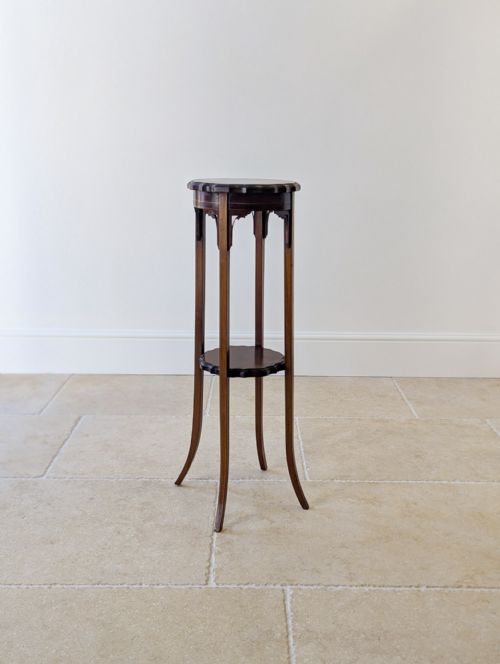
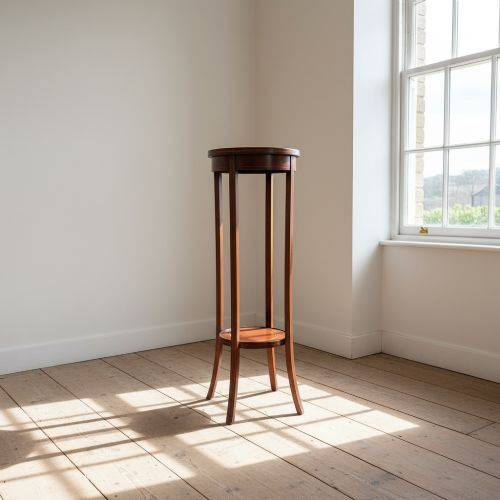
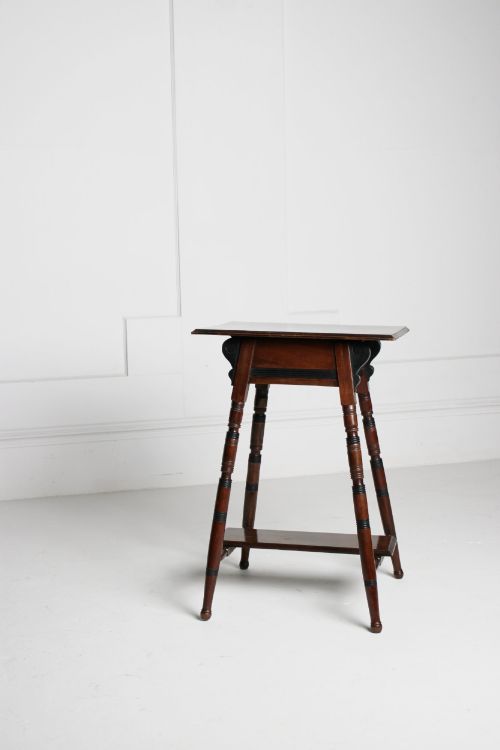
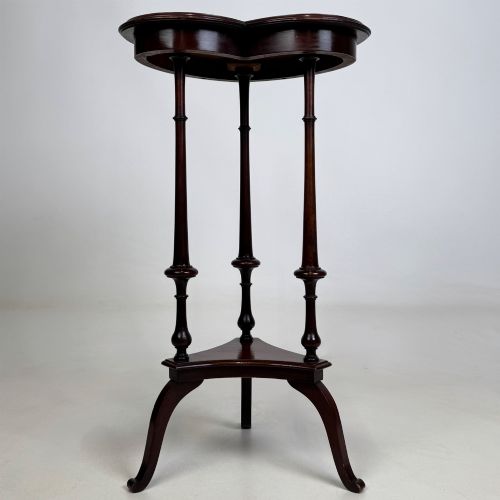
These Edwardian urn stand pieces offer slender architectural elegance to hold your favourite plant, lamp or tea urn.
What an edwardian urn stand is
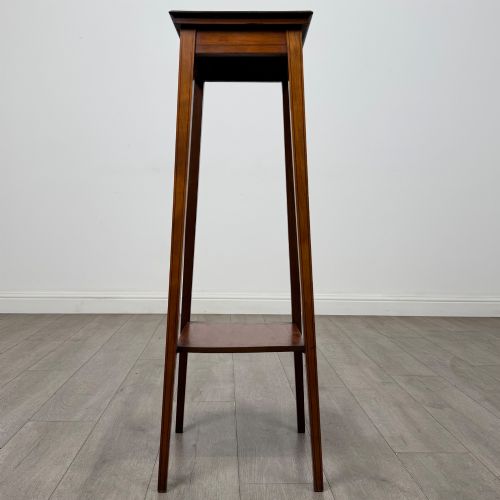
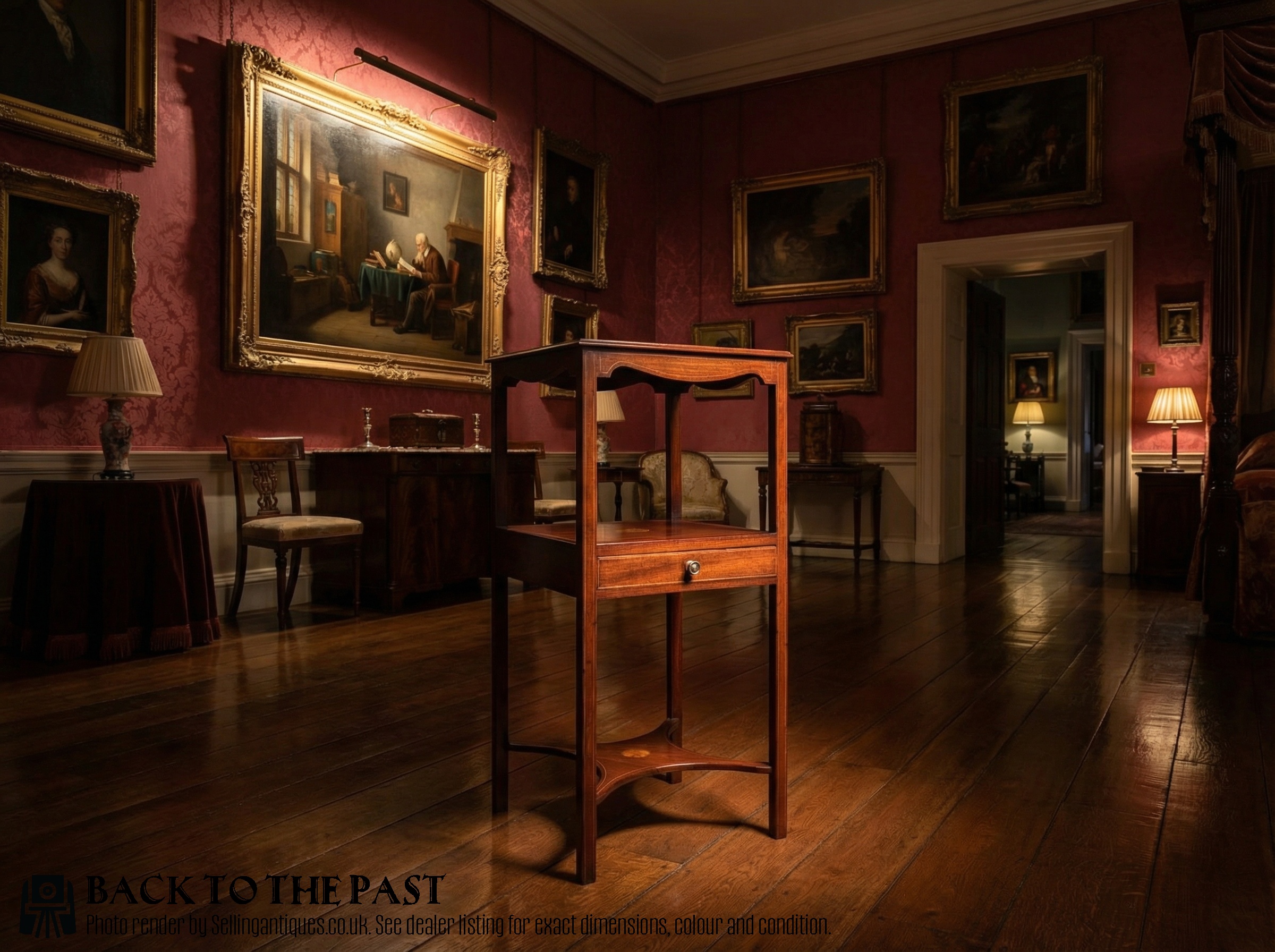
An edwardian urn stand serves as a tall, slender support designed specifically to display heavy vessels, decorative plants, or lamps at a convenient height. The pieces appearing here span the Edwardian period, the Victorian era, and the late nineteenth century.
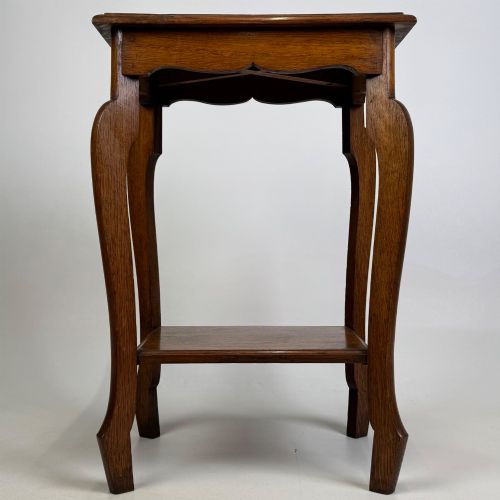
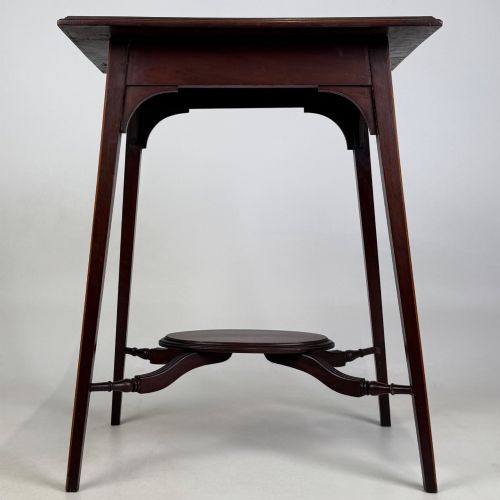
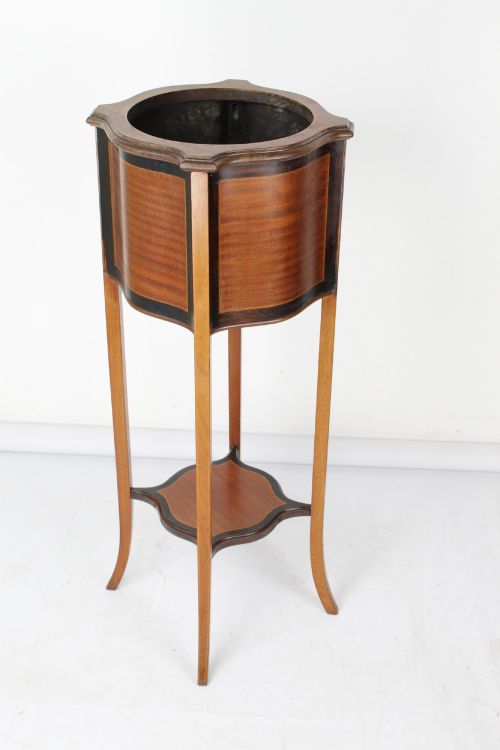
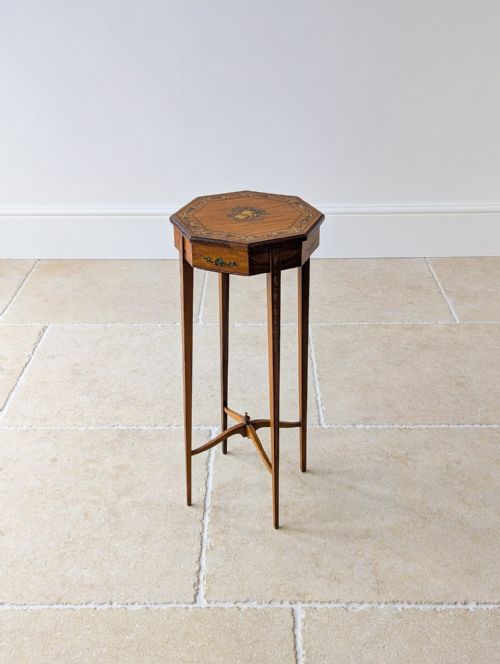
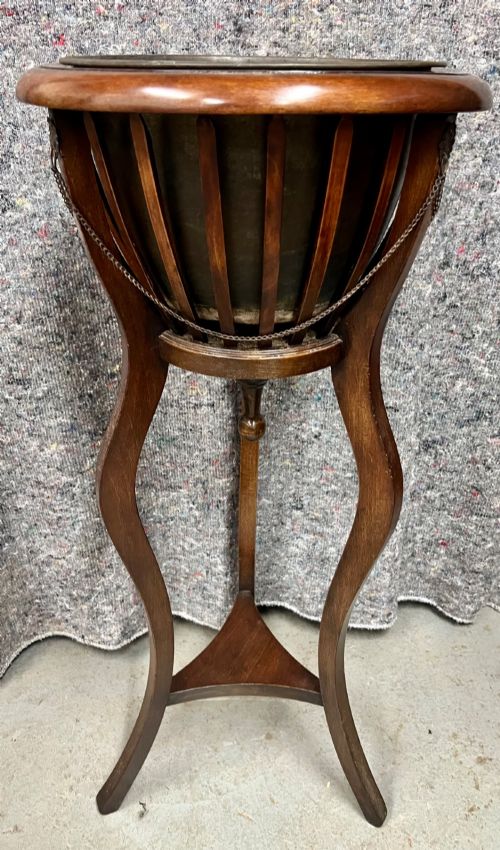
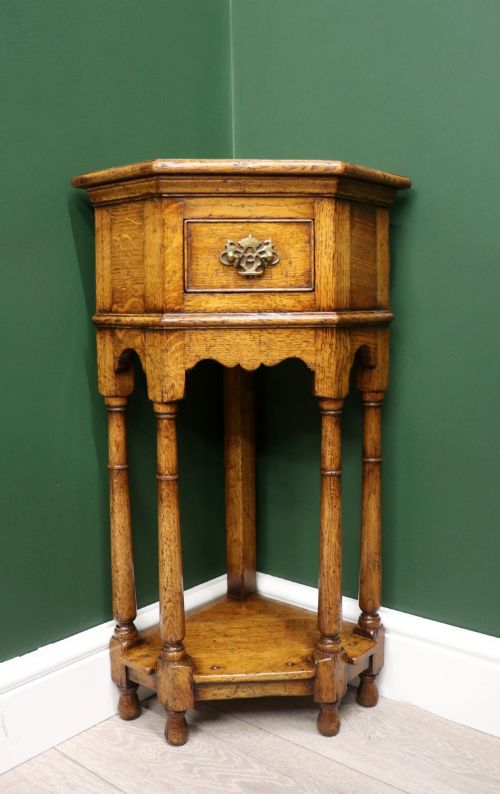
Forms vary from classic square and octagonal table tops to dedicated jardinieres and bedside tables. You will encounter these functional surfaces executed in rich timbers, often accompanied by related occasional furniture from the same years.
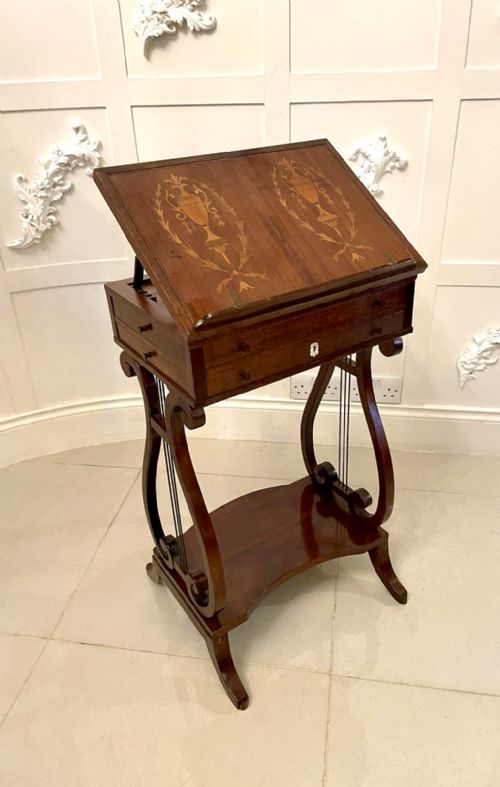
Mahogany and satinwood dominate the record, frequently enhanced with delicate inlay work. These occasional tables and plant stands bring compact vertical presence to corners and landings.
How they were made
Cabinet makers utilised dense hardwoods including mahogany, oak, and satinwood to construct these stable vertical supports. Boxwood stringing and hand-painted decorative motifs frequently embellish the timber surfaces.
Brass hardware appears in fittings and rails, providing functional contrast to the polished wood. Construction techniques rely on traditional joinery suited to slender proportions and supporting weight safely.
Retail Price Guide 2026
Typical UK retail prices for edwardian urn stand, calculated from the Sellingantiques database of over a million retail prices indexed since 2003. This retail price guide relies exclusively on Sellingantiques data; no external sources or auction records are used, so the figures do not describe the wider market.
Recorded forms include occasional tables, plant stands, bedside tables, and tea urn stands with slides.
What varies in quality
Quality rests in the crispness of the inlaid boxwood and the selection of figured mahogany or satinwood veneers. Pieces exhibiting hand-painted details and thoughtful proportions command greater visual authority.
The choice between a simple oak frame and a finely turned satinwood model with an integrated slide marks the distinction between utilitarian production and finer cabinet work.
The Edwardian Urn Stand Glossary
- Urn stand
- A tall, narrow table designed to elevate a decorative vessel, lamp, or plant. These pieces save floor space while creating a distinct focal point in a room.
- Satinwood
- A light, lustrous hardwood prized for its yellow sheen and smooth grain. It frequently serves as a veneer or a canvas for painted decoration.
- Inlay
- A technique where contrasting strips of wood such as boxwood are embedded into the primary surface. This creates geometric borders and delicate decorative patterns.
- Jardiniere
- A large ornamental pot or stand intended for holding a plant or flowers. In this context, it describes tables adapted for botanical display.
- Occasional table
- A versatile small table intended for movable, intermittent use around the sitting room or bedroom. They mirror the compact footprint of dedicated plant supports.
Frequently Asked Questions
What is an edwardian urn stand used for?
These tall stands were originally built to support heavy tea urns, large floral arrangements, or oil lamps. Today they function brilliantly as plant stands or bedside tables in compact spaces.
Their narrow footprint allows them to occupy awkward corners or hallways where a standard table would obstruct passage.
How do I date an edwardian piece?
Dating relies upon timber choices, specific construction methods, and stylistic revival cues visible in the design. Edwardian pieces often combine lighter satinwood with refined Sheraton revival motifs.
Comparing the secondary woods and finishing techniques helps separate pieces made around nineteen hundred from later reproductions.
Are satinwood and mahogany durable?
Both timbers possess excellent density and resilience when cared for properly with appropriate furniture wax. Mahogany offers deep structural stability while satinwood provides a hard, smooth wearing surface.
Avoid placing them in direct sunlight or areas of extreme humidity to protect the delicate veneer and inlay.
What is the difference between a plant stand and an urn stand?
While both share a tall and narrow silhouette, urn stands often feature pull-out slides for cups or accessories. Plant stands typically prioritise moisture resistance and structural strength for heavy pots.
In practice, the terms overlap considerably across nineteenth and twentieth century catalogue records.