
Hand Painted Furniture
Hand painted furniture brings vibrant colour and decorative detail into a room through applied pigments, lacquer, and pictorial scenes.
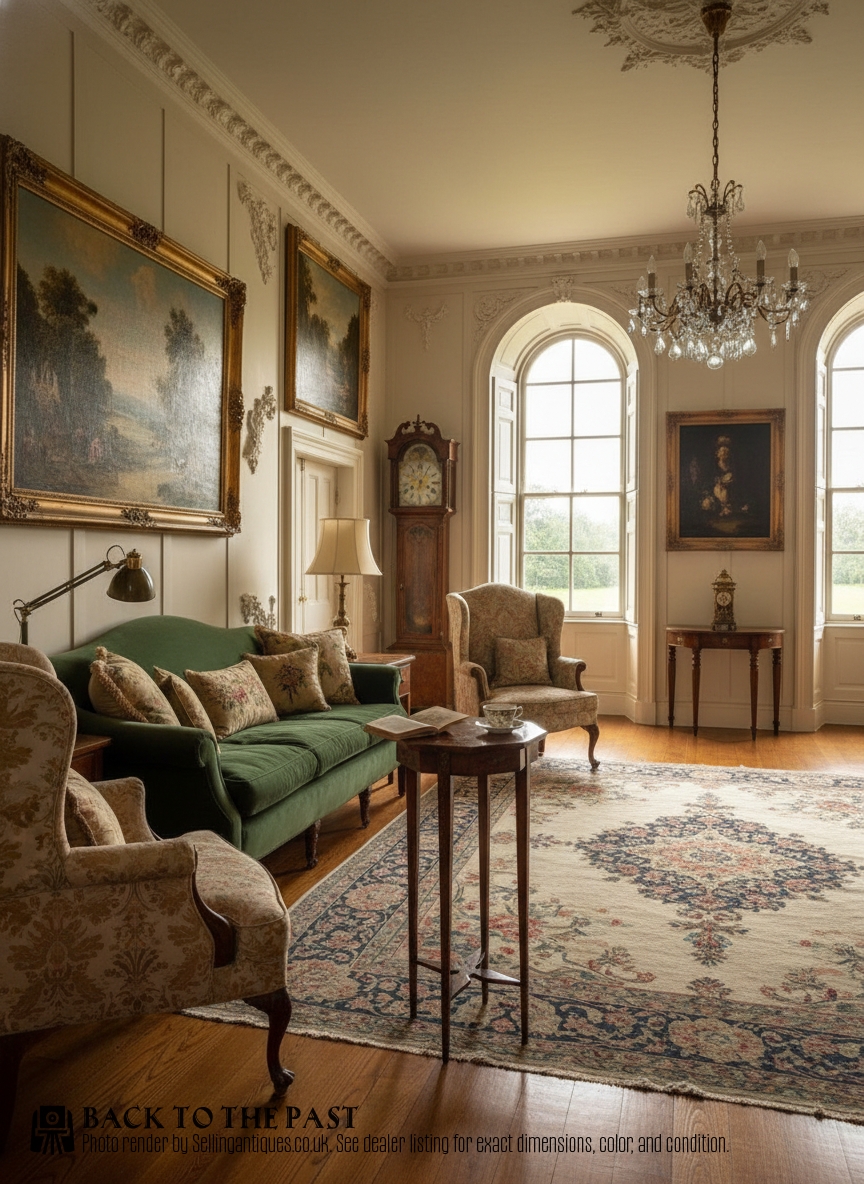
Hand Painted Furniture
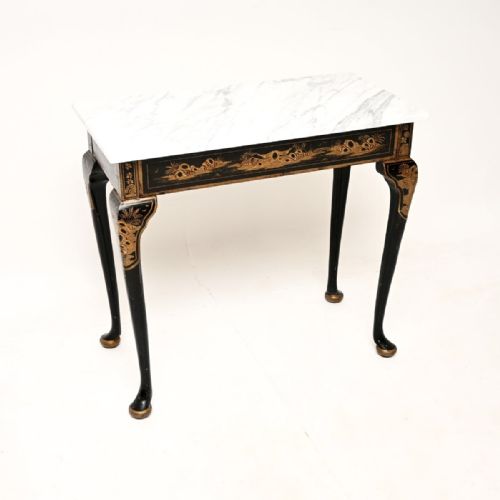
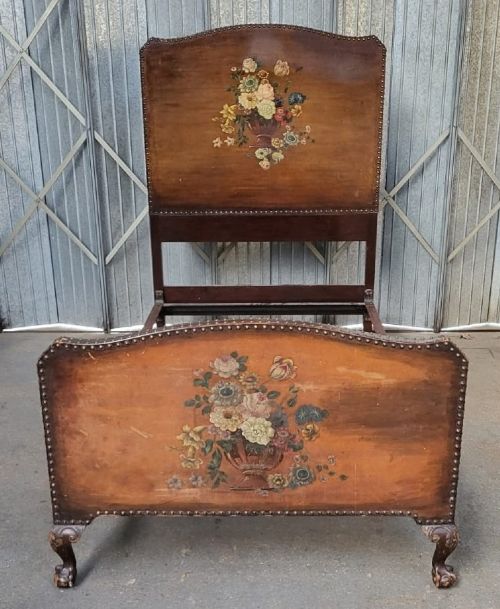
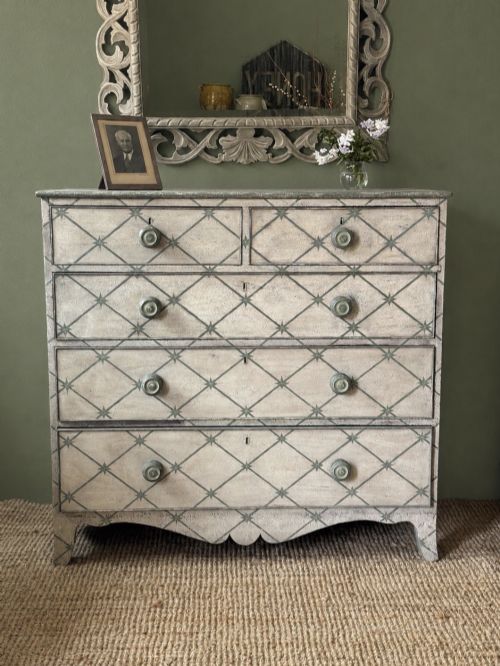
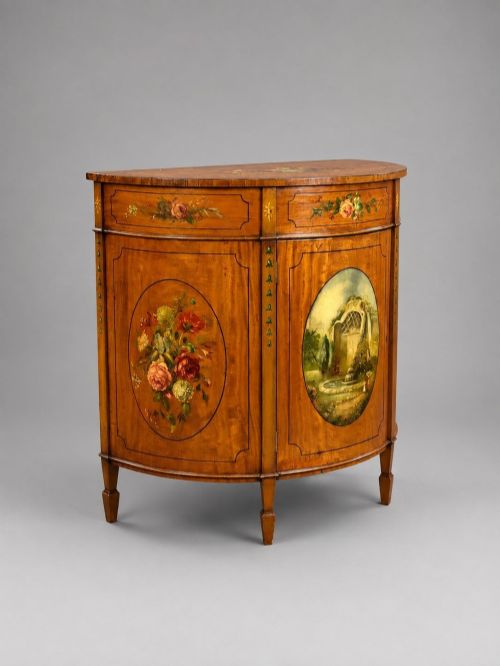
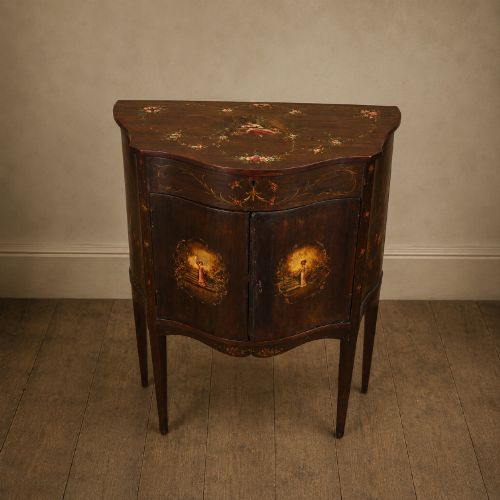
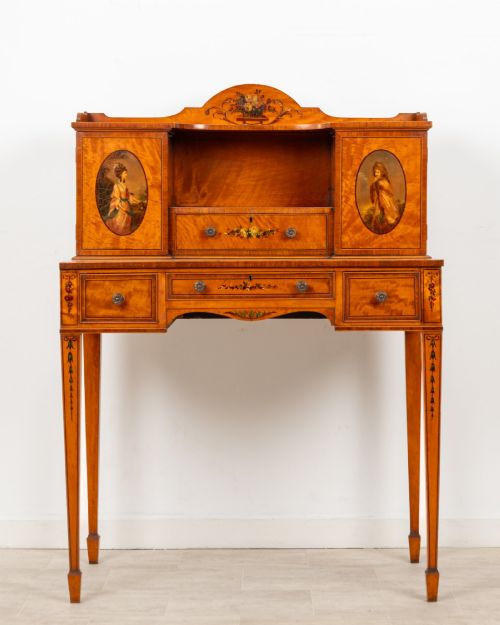
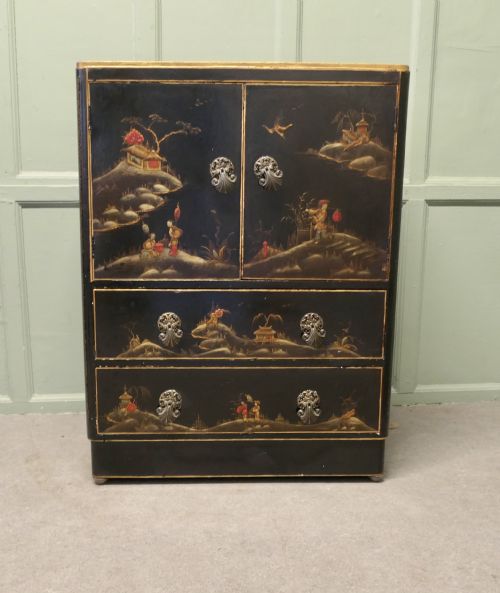
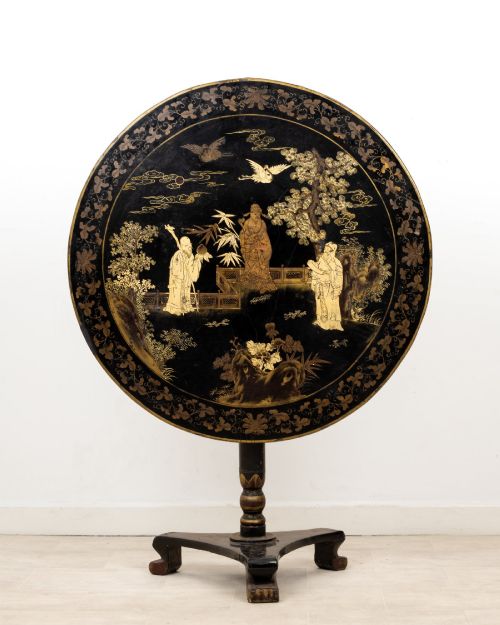
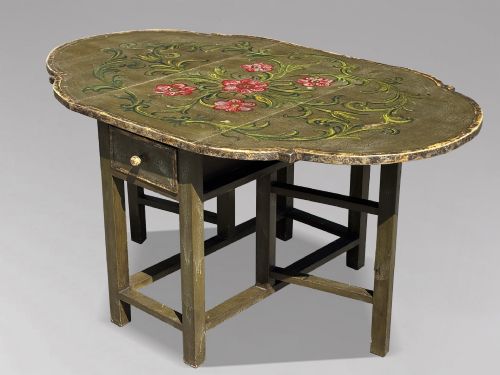
Hand painted furniture encompasses a diverse selection of decorative items designed for storage, display, and utility across domestic spaces. When exploring hand painted furniture, buyers encounter cabinets, chests of drawers, occasional tables, and desks originating from various global traditions and periods.
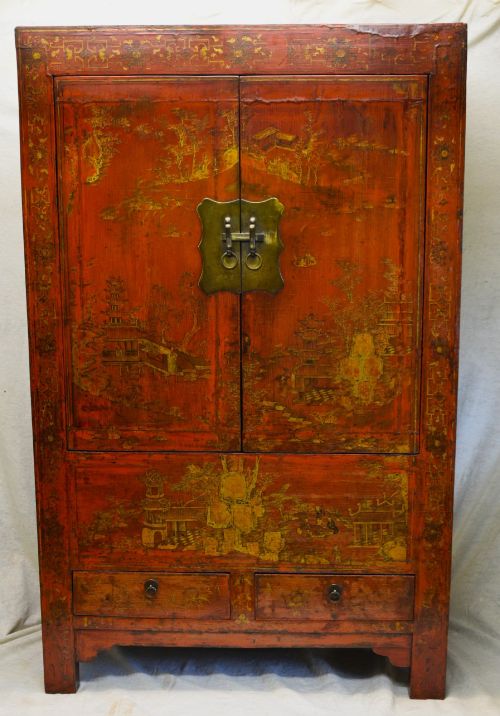
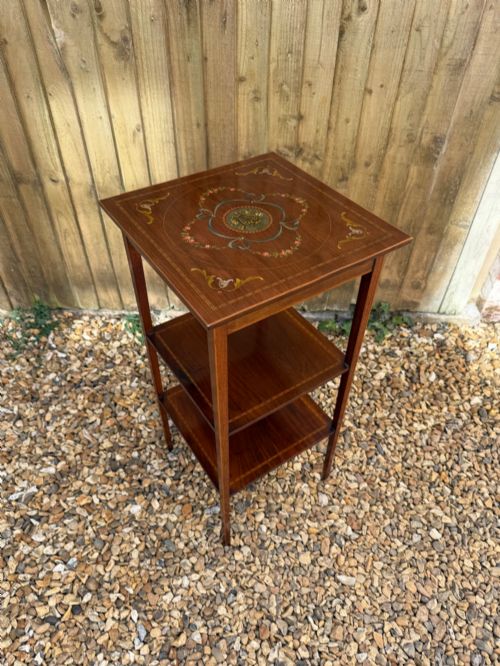
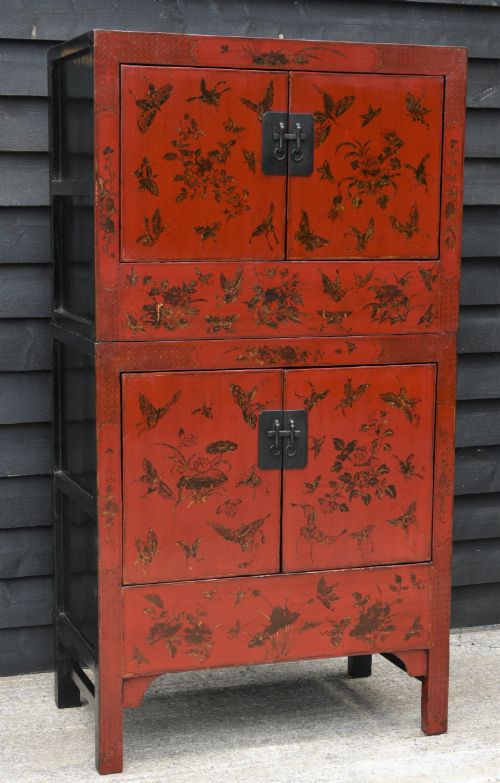
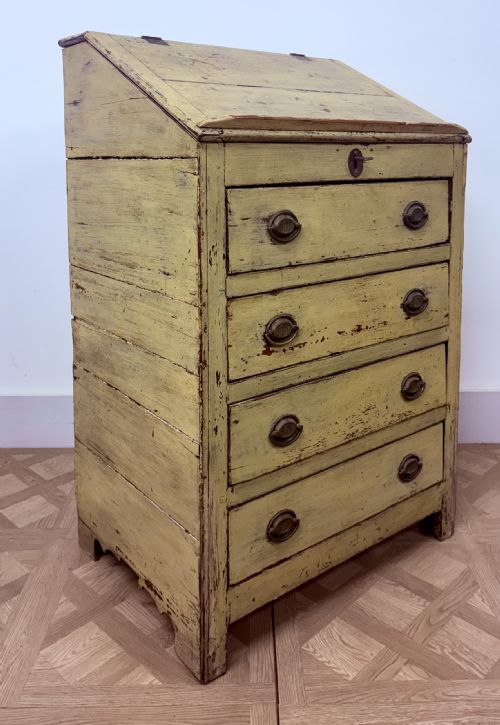
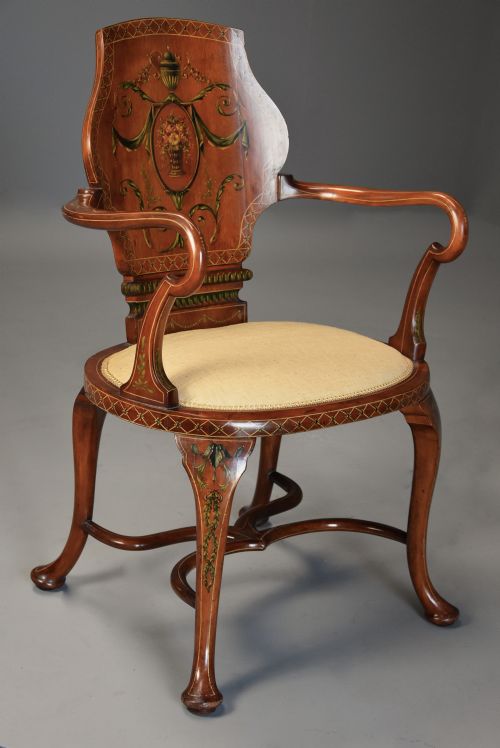
The pieces represented span the nineteenth and early twentieth centuries, including Edwardian satinwood items, Victorian country pine, Chinese wedding cabinets, and Scandinavian folk art. Side cabinets and occasional tables dominate the selection, offering functional surfaces adorned with intricate brushwork or lacquer finishes.
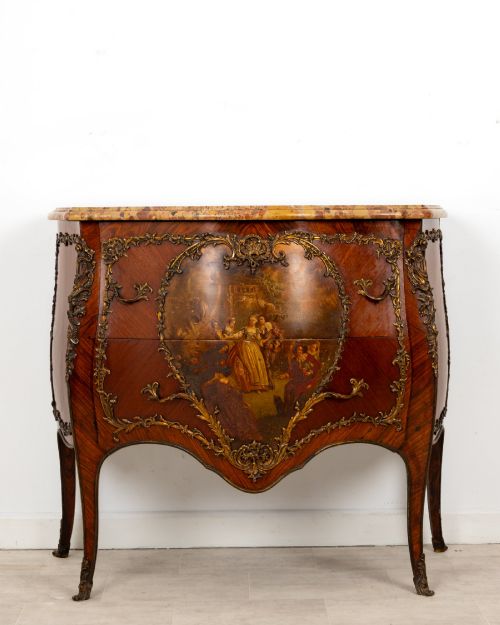
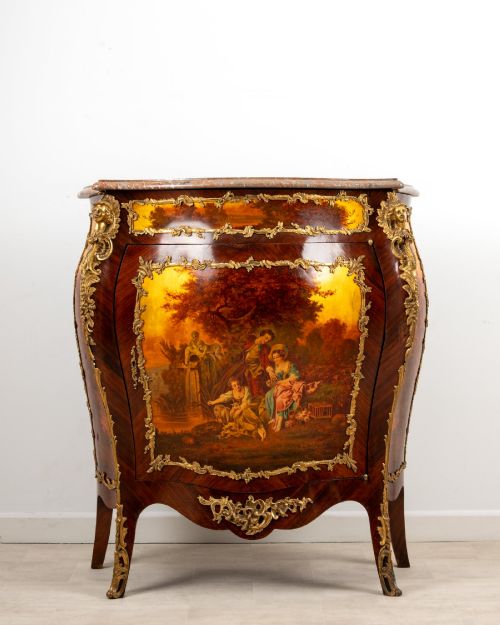
Regional variations define the character of these items, from British Sheraton Revival satinwood and French Louis XV revival commodes to traditional Chinese red lacquer work. Buyers select these works to introduce distinct artistic personality and historical depth into modern interiors.
How They Were Made
Craftsmen utilised foundational timbers such as mahogany, pine, maple, and satinwood, often applying specialised finishes like lacquer, japanning, or gesso directly onto the prepared wood. Many surfaces received multiple layers of paint or varnish, rubbed down by hand between coats to achieve a smooth ground for subsequent pictorial decoration.
Ornate detailing frequently involved hand-applied gilding, bronze mounts, and polished marble tops, particularly on French and Edwardian formal pieces. Artisans executed floral motifs, figurative scenes, and geometric borders using fine brushes, sealing the final artwork beneath protective clear coats to preserve the pigments over decades of use.
Several miniature apprentice chests and dolls house beds prove that fine cabinet-makers needed practice too.
What Varies in Quality
The refinement of the brushwork and the complexity of the pictorial composition dictate the artistic standing of any given piece. Master painters achieved depth, proportion, and delicate shading that lesser hands missed, separating standard utilitarian decoration from high-status artistic output.
The underlying construction and material selection equally determine long-term integrity, distinguishing solid cabinet-making in fine timbers like satinwood from basic pine utility pieces. Original surface preservation remains paramount, as untouched historical finishes carry significantly more integrity than later over-painting or extensive restoration.
The Hand Painted Furniture Glossary
- Chinoiserie
- European decorative style reflecting Chinese artistic influences, characterised by painted motifs of figures, pagodas, and landscapes.
- Satinwood
- A durable, lustrous timber native to India and Ceylon, frequently utilised as a pale canvas for delicate painted decoration during the Georgian and Edwardian eras.
- Vernis Martin
- A simulated Japanese lacquer developed by the Martin brothers in eighteenth-century France, prized for its translucent, polished multi-layered finish.
- Japanning
- A European form of Oriental lacquerwork involving resin varnishes and raised metallic decorations on dark grounds.
- Demi-lune
- A half-moon shape commonly found in the design of side tables and cabinets intended to sit flush against a wall.
Hand Painted Furniture: Frequently Asked Questions
How do I clean hand painted furniture safely?
Dust surfaces regularly with a soft, dry cloth to prevent particulate buildup without abrasive friction.
Avoid chemical cleaning agents, water, or solvents that can lift fragile historic paint layers and varnish.
Are these pieces suitable for daily use?
Many items, such as chests of drawers and side tables, were built for practical household storage and function reliably today.
Delicate surfaces with fine lacquer or intricate satinwood painting require careful placement away from direct sunlight and moisture.
How do I distinguish Edwardian satinwood from later copies?
Examine the wood grain depth, timber weight, and hand-applied brush details under natural light to verify period authenticity.
Genuine Edwardian pieces display natural timber ageing and subtle irregularities in the painted decoration absent in modern reproductions.
What is the difference between japanning and true lacquer?
Japanning is a European technique using resin-based varnishes to imitate Eastern Asian lacquer decorative arts.
True lacquer relies on processed tree saps native to Asian regions, resulting in a distinct chemical curing process and finish.