



Gustavian Style Chest
A gustavian style chest brings light and measured neoclassical proportion into a room, offering practical storage disguised in pale, elegant woodwork.
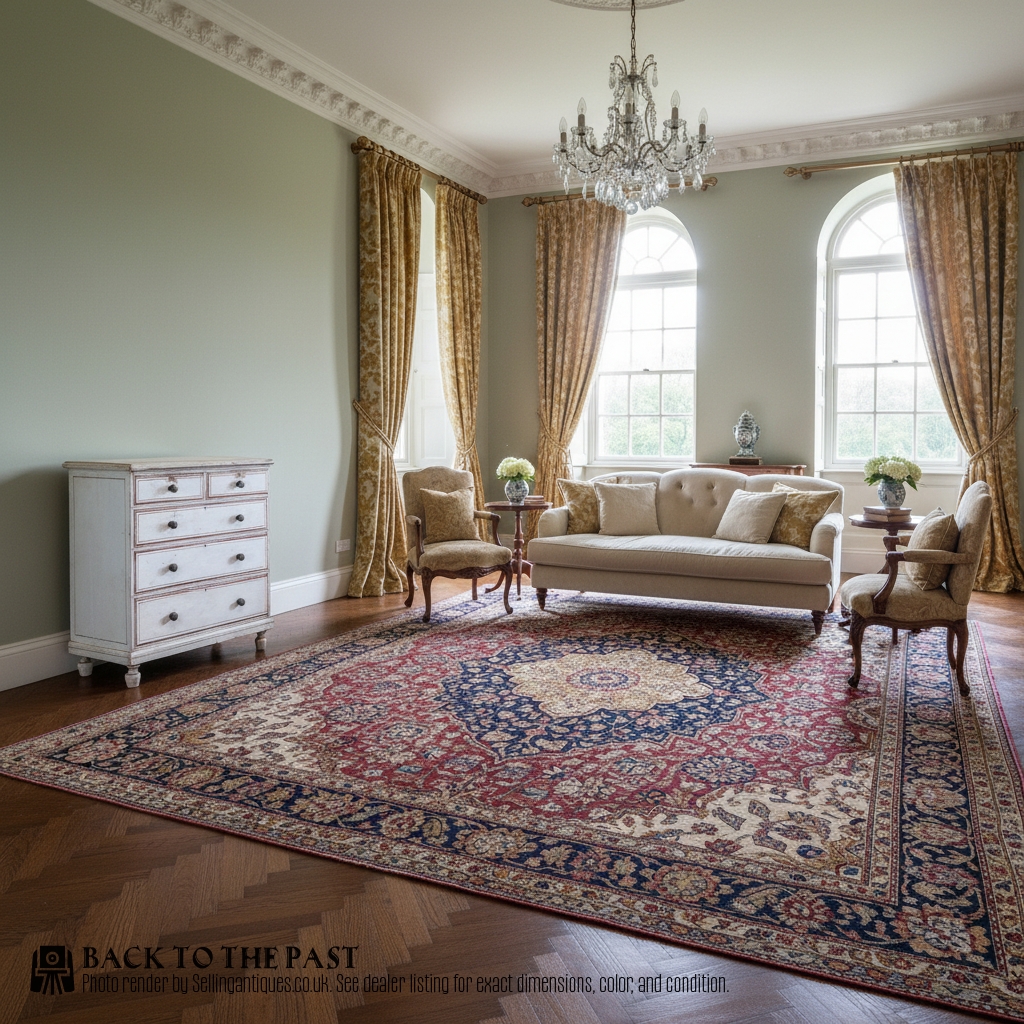
Gustavian Style Chest
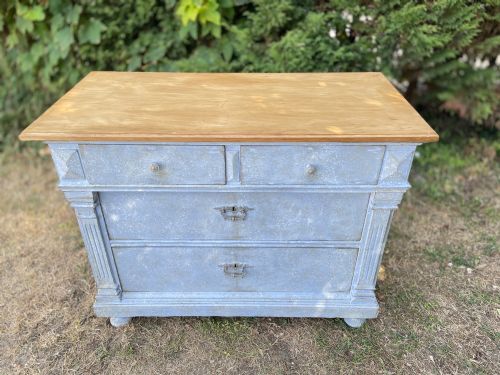
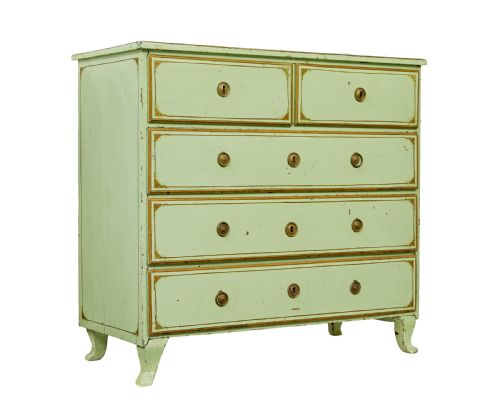
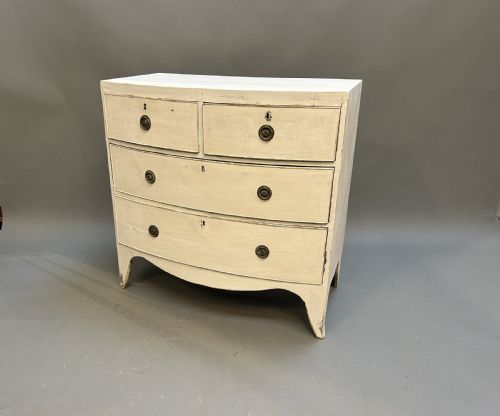
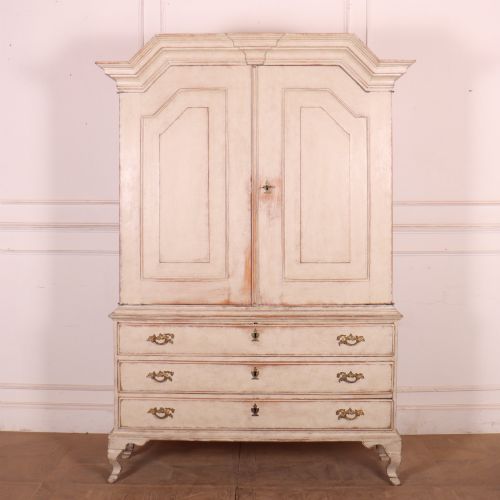
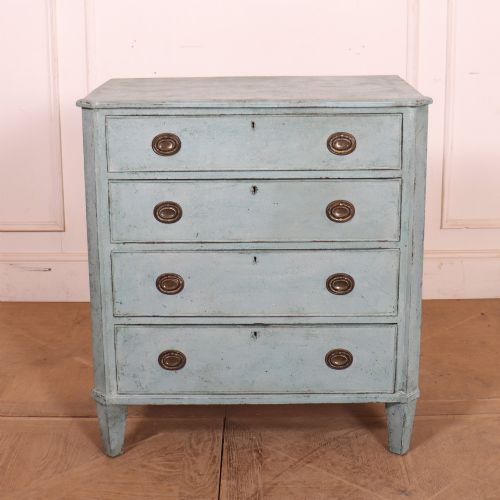
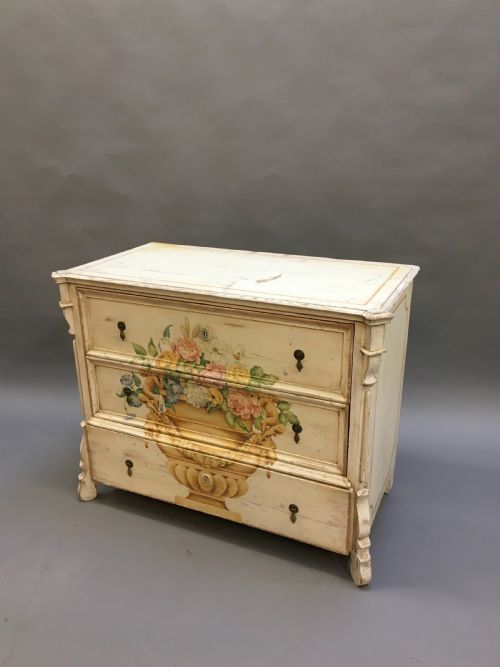
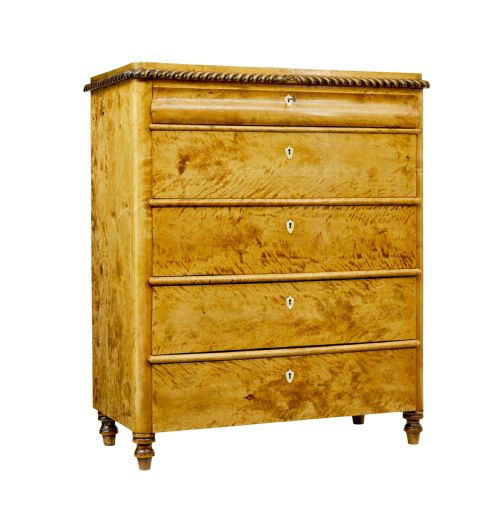
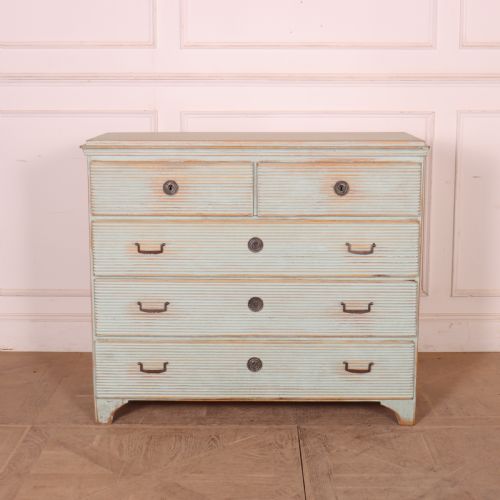
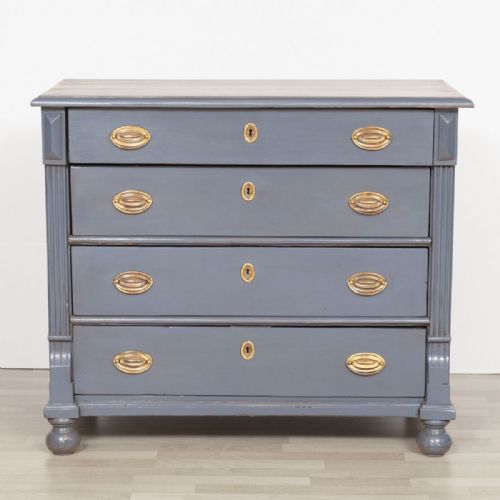
A gustavian style chest search reveals storage furniture spanning the eighteenth and nineteenth centuries, originating primarily from Sweden alongside neighbouring Scandinavian and Dutch workshops. These pieces appear most frequently as painted pine or birch chests of drawers and commodes, carrying neoclassical lines adapted for northern European interiors.
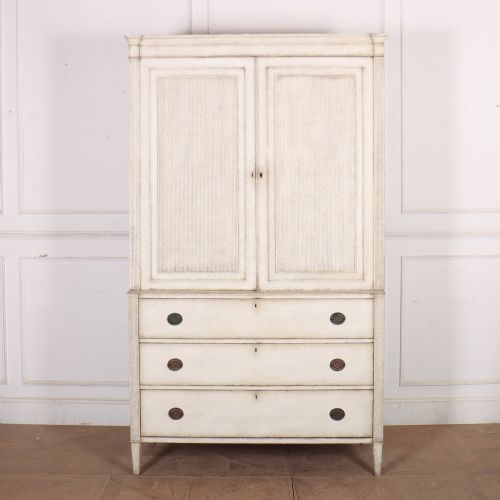
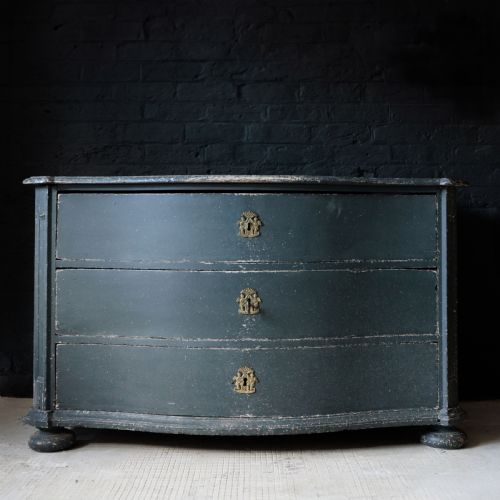
Beyond standard drawer units, the selection encompasses linen cupboards, tall boys, desks, and serpentine commodes sharing the characteristic pale palette. The forms range from strict eighteenth-century neoclassical models to later nineteenth-century revivals and hand-painted country interpretations.
Materials and Construction
Carpenters constructed these pieces using native timbers such as pine, birch, and oak, applying layered paint finishes or occasionally faux marble tops to achieve a refined surface. Structural details include hand-carved drawer fronts, fluted mouldings, and serpentine shaping.
Iron and brass hardware provides functional fastening and subtle decoration, while painted surfaces rely on traditional binders and pigments mixed to create soft grey, white, and muted continental tones.
Gustavian Style Chest Retail Price Guide 2026
Typical asking prices for gustavian style chest among the pieces listed under this phrase on Sellingantiques today, from the lower quarter to the upper quarter. They describe what is for sale here now, not the wider market.
The inventory spans the eighteenth and nineteenth centuries, incorporating styles from Sweden, Denmark, and the Netherlands.
Craftsmanship and Finish
Quality rests in the integrity of the timber preparation and the subtlety of the surface paintwork, distinguishing professional cabinet-making from simpler provincial work. Crisp execution of fluting, carved details, and serpentine curves separates finer commissions from standard items.
The preservation of original painted surfaces and traditional hardware significantly influences the character of a piece, separating well-maintained examples from heavily altered ones.
The Gustavian Style Chest Glossary
- Commode
- A low chest of drawers or cabinet, often featuring decorative shaping or painted neoclassical motifs on the front.
- Serpentine
- A curved furniture front curving outward at the centre and inward at the sides, demanding high woodworking skill.
- Caddy top
- A raised, moulded tabletop profile common on nineteenth-century storage pieces.
- Escritoire
- A writing desk fitted with drawers and a sloped or drop-front writing surface.
- Linen press
- A tall storage piece combining upper cupboard doors for textiles with lower drawers for smaller garments.
Gustavian Style Chest: Frequently Asked Questions
How do I style a gustavian chest?
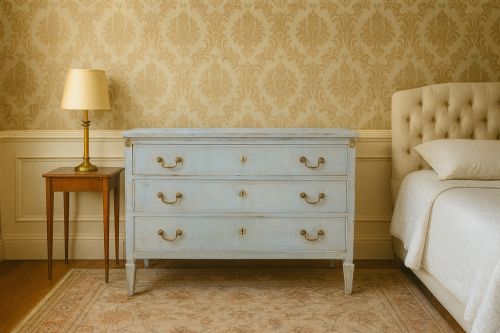
These chests work well in bedrooms, hallways, or living spaces where their pale painted finishes help brighten a room. Pair them with simple lighting and neutral surroundings to let the neoclassical proportions stand out.
Keep surface objects minimal to maintain the clean lines typical of Scandinavian design.
Are these chests eighteenth or nineteenth century?
The pieces span both centuries, with eighteenth-century examples showing early neoclassical or baroque roots, and nineteenth-century items often reflecting later revivals.
Check the timber, construction methods, and hardware style to determine the likely period of manufacture.
How do I care for painted wood?
Dust regularly with a soft, dry cloth and avoid harsh chemical cleaners that might damage traditional painted or faux marble surfaces. Keep the furniture away from direct heat sources and strong sunlight to prevent the timber and paint from drying out.
Maintain stable indoor humidity levels to protect the underlying pine or birch structure.