
19th Century Painted Drawers
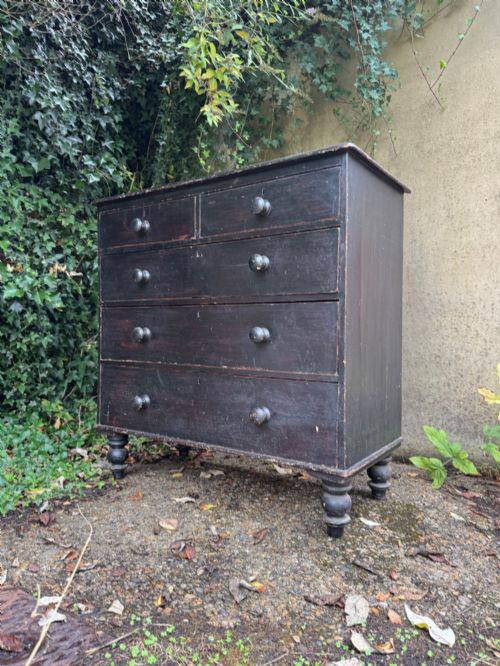
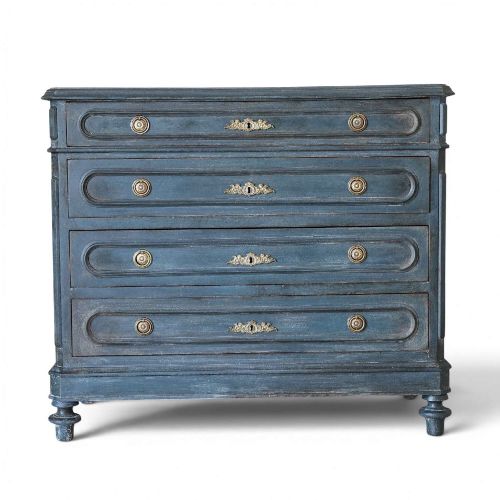
These 19th century painted drawers combine practical storage with decorative character, offering a historic surface finish that anchors a room.
19th Century Painted Drawers
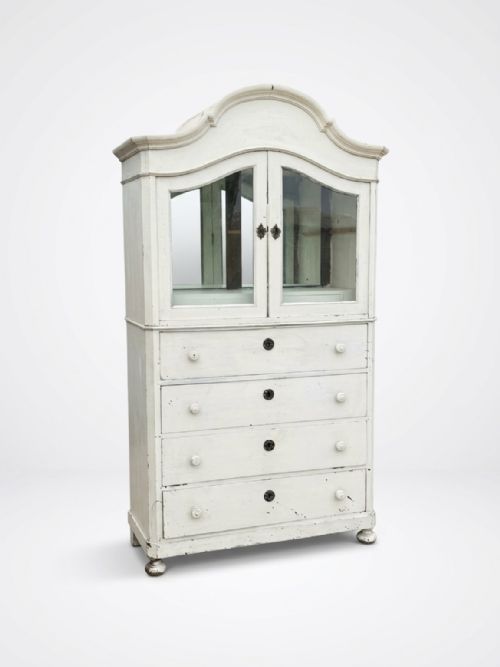
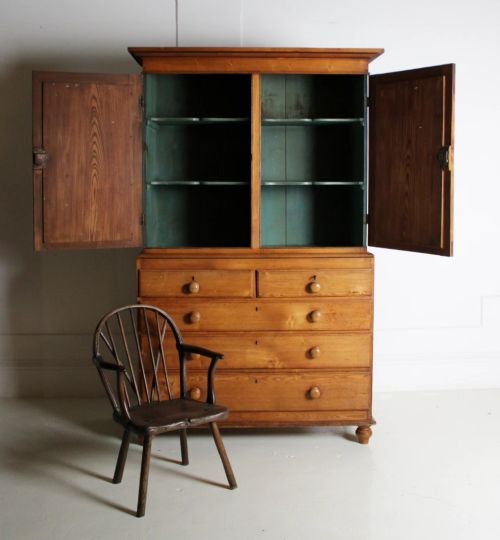
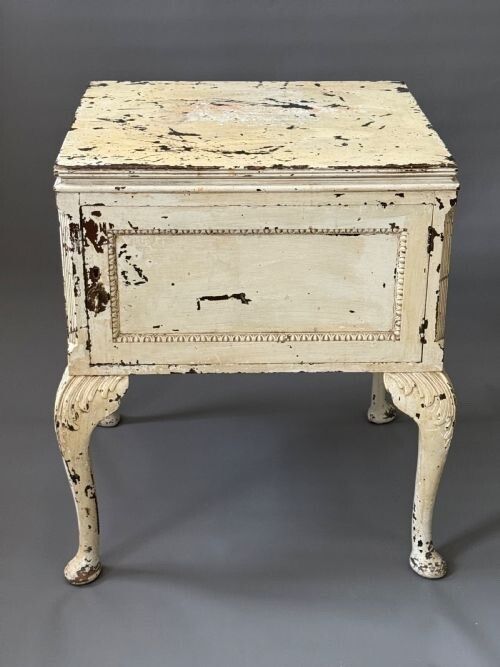
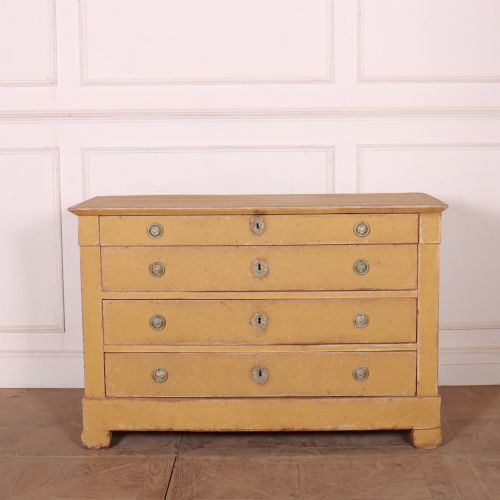
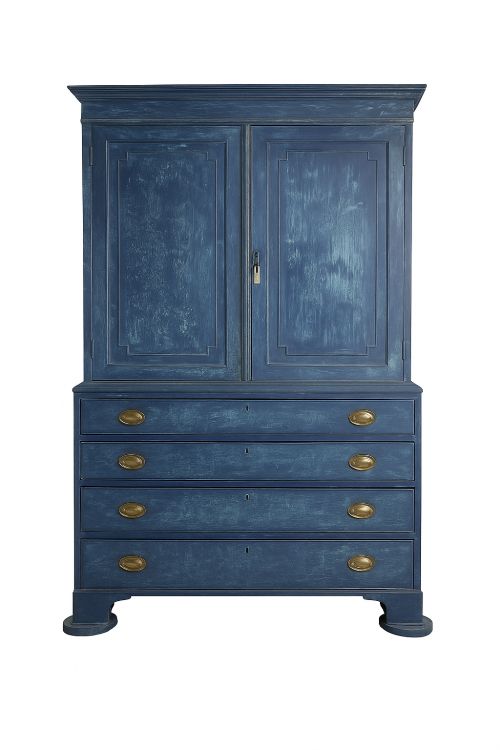
Buyers seeking 19th century painted drawers encounter a diverse selection of storage furniture, primarily chests of drawers alongside commodes, linen presses, and smaller apprentice pieces. These items originate from English, French, Swedish, and wider continental workshops, reflecting regional cabinet-making traditions from the 19th century.
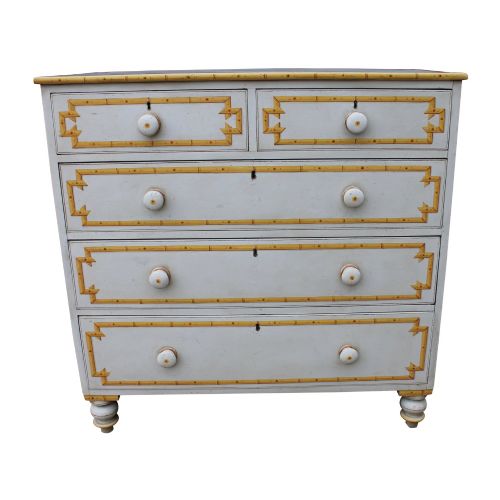
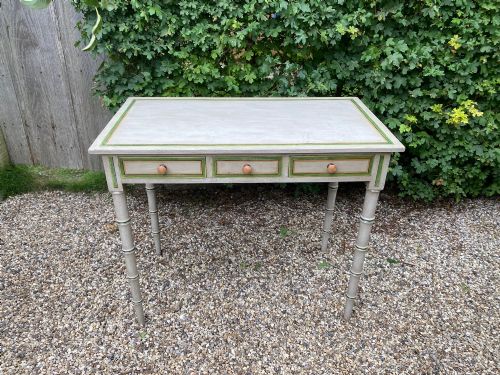
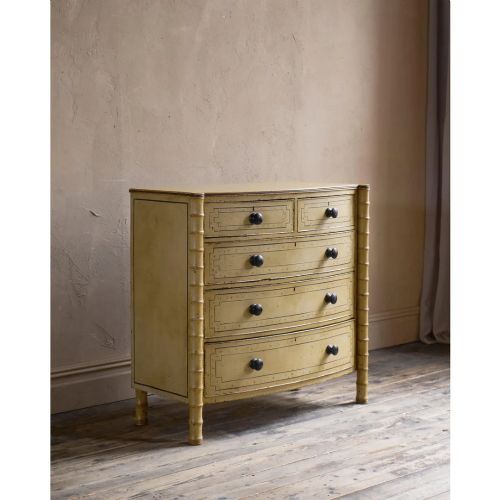
The most common variants met on this page are pine chests of drawers finished in original or later paintwork, often displaying scumbled or decorated surfaces. Alongside standard multi-drawer chests, pieces include faux bamboo finishes and geometric painted designs typical of the period.
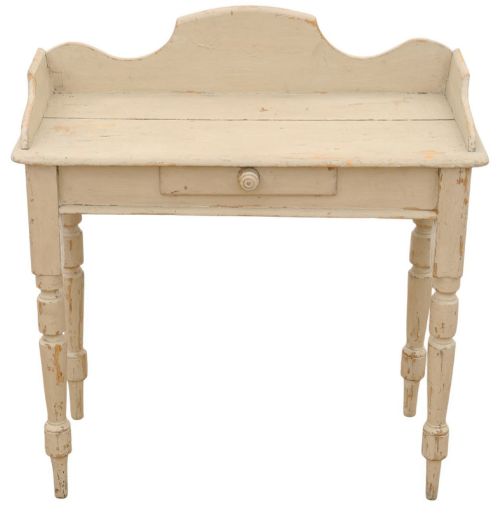
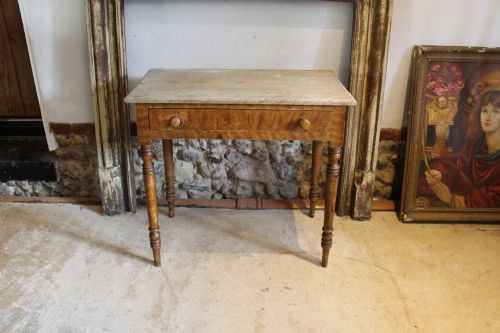
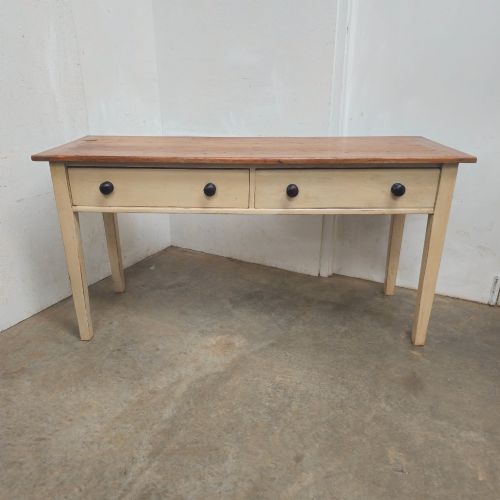
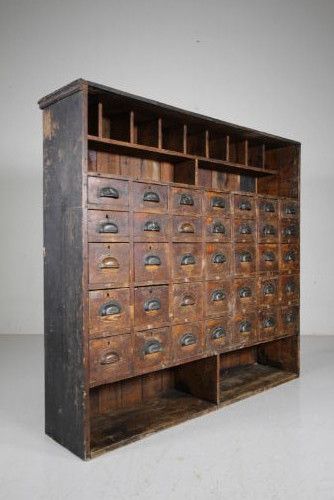
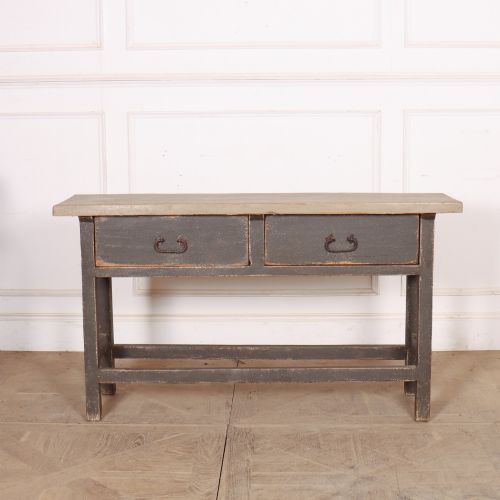
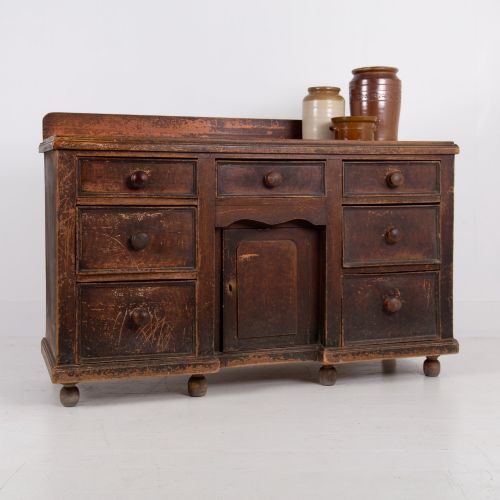
Beyond standard bedroom chests, the category encompasses related forms such as writing tables, washstands, and banks of drawers designed for domestic utility. These pieces provide functional storage while retaining the distinct aesthetic appeal of historic painted wood.
Materials and construction
Constructed predominantly from native and continental softwoods, these pieces rely heavily on solid pine alongside occasional hardwoods like mahogany, ash, birch, and oak. Carcasses feature traditional joinery methods appropriate for utility furniture, supporting multiple drawers fitted with brass or wooden pulls.
Surface finishes involve layers of pigment applied over wood, sometimes utilising scumble techniques to imitate richer grain patterns or employing flat decorative colours. Paint applications vary from early or original coats showing natural wear to later decorative layers applied across the Victorian era and beyond.
Listings feature pieces spanning the 19th century, utilising pine, mahogany, ash, and birch with original, scumbled, or later painted finishes.
Factors of quality
The integrity of the painted surface significantly dictates the standing of a piece, with surviving original coats holding greater appeal than later or heavily restored paint layers. Patina, depth of colour, and the relationship between the paint and the underlying timber define the visual success of the object.
Structural soundness and the preservation of original hardware, such as brass pulls or feet, separate standard utility items from finer examples. The precision of the drawer construction and the retention of period characteristics complete the evaluation of quality.
Edwards and Roberts
The 19th Century Painted Drawers Glossary
- Scumble
- A decorative painting technique involving a translucent top layer dragged or combed over a paler base to simulate wood grain. This method was widely used on Victorian pine furniture to imitate more expensive timbers.
- Commode
- A low cabinet or chest of drawers, typically of French or continental origin. These pieces often feature decorative painted surfaces and serpentine fronts.
- Linen Press
- A tall double-door cupboard enclosing sliding trays or shelves above a chest of drawers. They were built to store household textiles and linens.
- Faux bamboo
- A decorative style where solid wood is carved and painted to resemble bamboo stalks. It gained popularity during the Regency and Victorian periods.
- Apprentice chest
- A small-scale model of a chest of drawers produced by a tradesman to demonstrate skill or as a miniature cabinet. These items duplicate the full-size joinery on a reduced scale.
19th Century Painted Drawers: Frequently Asked Questions
How do I identify original paint?
Examine the surface under natural light to check for microscopic craquelure, uniform wear around handles, and layers that match the age of the timber underneath.
Original paint shows natural integration with the wood grain, whereas later overpaint often sits flat or masks historic bumps and dings.
Were these chests used in bedrooms?
These pieces served primarily as bedroom storage for clothing and personal items, though smaller commodes and tables functioned in hallways and parlours.
Utility rooms and dairies also utilised painted pine storage for general household goods and provisions.
How should I clean painted furniture?
Dust surfaces regularly with a soft, dry cloth and avoid harsh chemical cleaners or excessive moisture that can lift historic paint layers.
Maintain stable indoor humidity to prevent the underlying softwood from expanding and cracking the painted finish.
What is a scumbled finish?
Scumbling involves applying a translucent glaze over a lighter base coat and manipulating it with combs or rags to create faux grain patterns.
Cabinet-makers used this technique to give affordable pine furniture the appearance of costly exotic hardwoods.
How do I date a painted chest?
Look at the construction methods of the drawers, such as hand-cut dovetails, backboards, and the type of handles or key escutcheons fitted.
Stylistic cues like Regency faux bamboo or Victorian proportions help narrow down the decade of manufacture alongside any surviving paint layers.