

Vintage Gaming Table
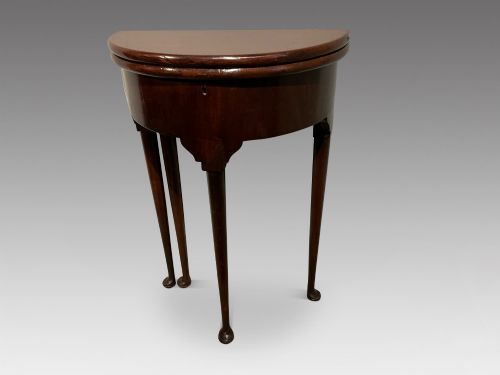
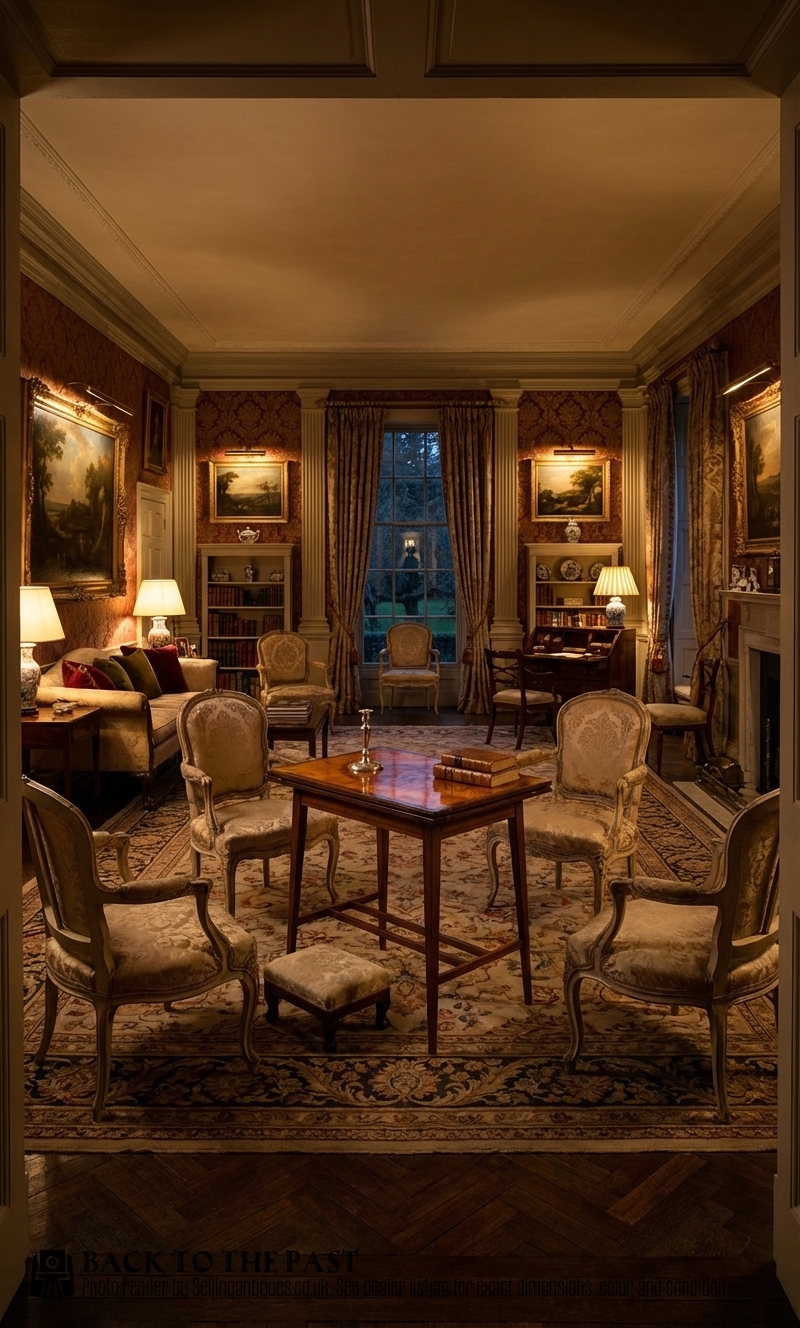
A vintage gaming table brings home the focused entertainment of past parlours, offering clever folding tops and fitted boards for chess or cards.
Vintage Gaming Table
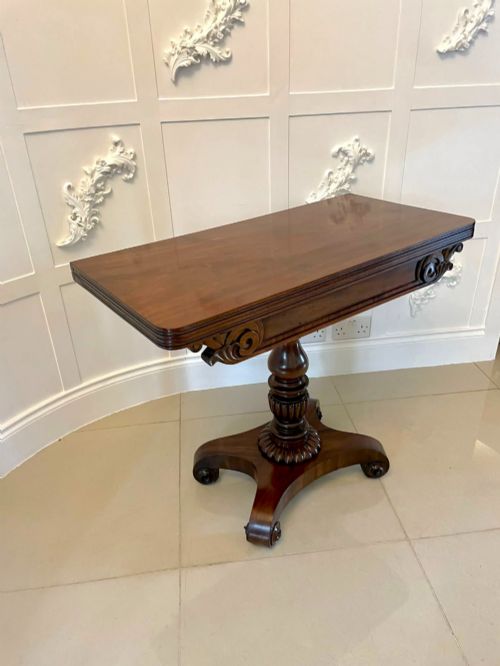
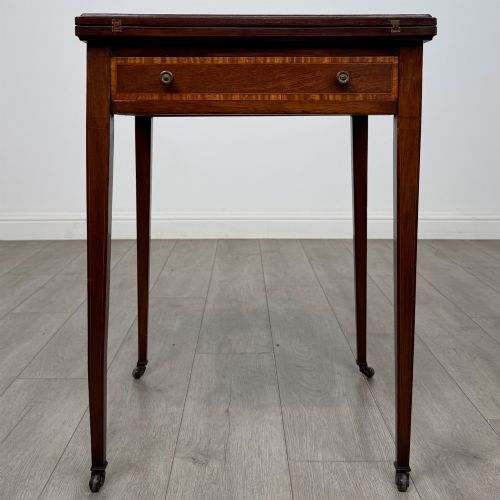
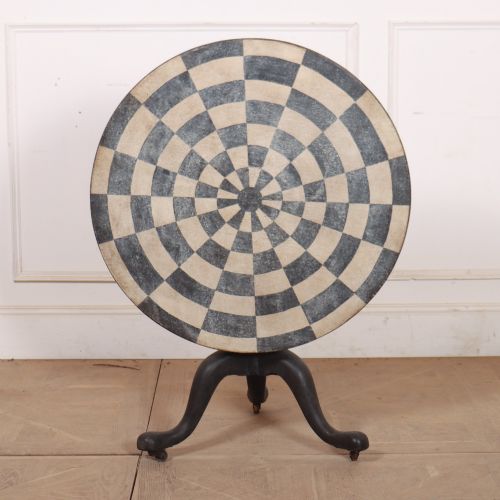
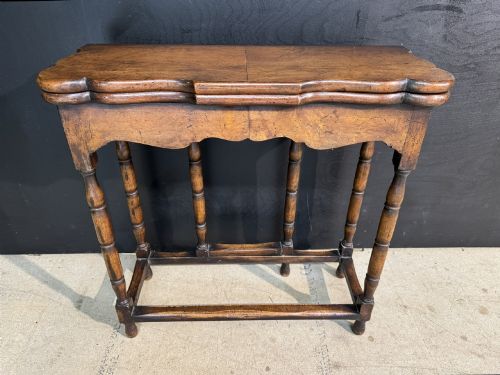
When you search for a vintage gaming table, you encounter pieces designed for leisure, from envelope card tables to chess and backgammon boards. These items serve multiple functions, often folding or pivoting to double as ordinary occasional furniture when not in use.
The versions you meet most frequently on this page date from the nineteenth century through the Edwardian era. Mahogany and walnut predominate, frequently featuring inlaid woods or baize playing surfaces.
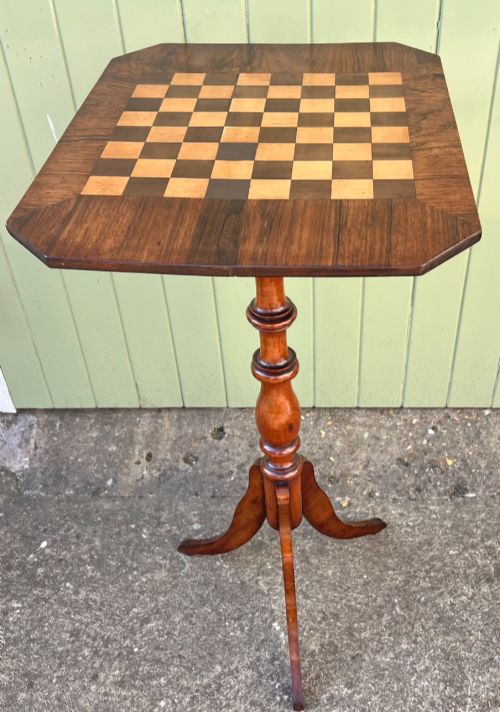
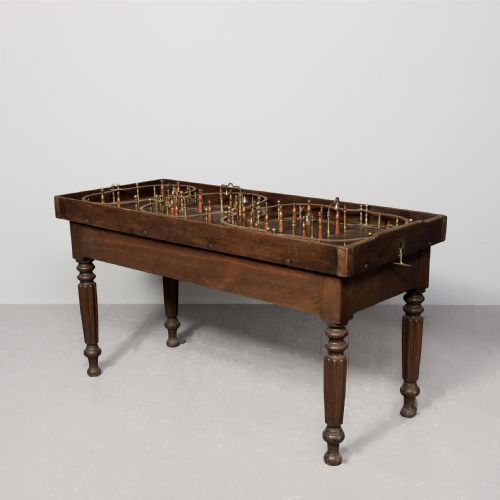
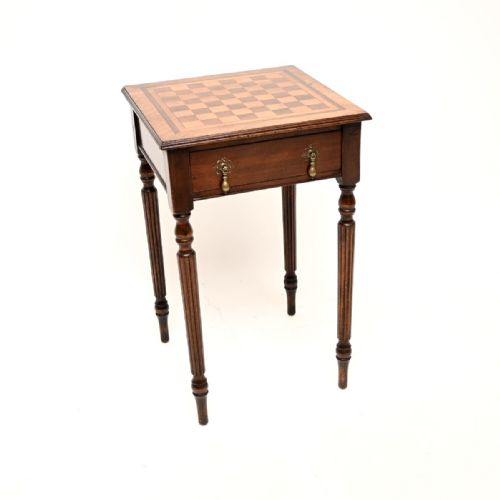
Beyond standard card tables, the selection includes occasional pieces with integrated chess boards, nesting tables, and specialised items like skittles games or bagatelle tables.
How they were made
Cabinet makers utilised dense hardwoods such as mahogany, walnut, and rosewood for structural stability and fine surfaces. Inlays of satinwood and boxwood frequently define the borders of chess and card boards.
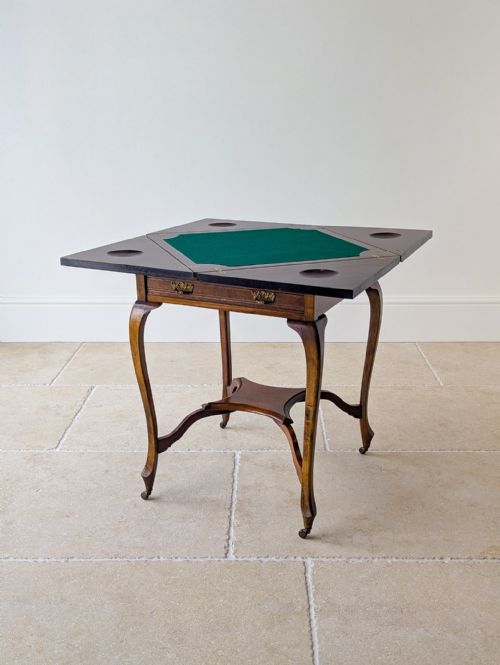
Folding mechanisms rely on clever pivoting tops, rotating leaves, and envelope folds that conceal internal compartments for counters and cards. Green or red baize lines the playing surfaces to cushion dice and cards during play.
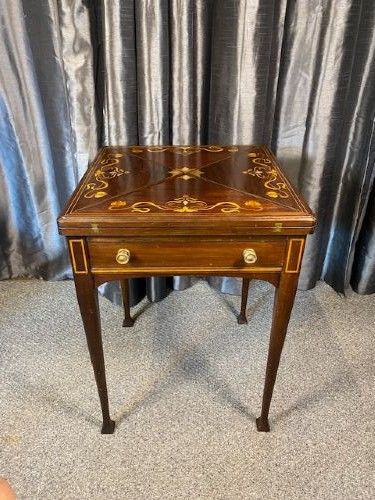
Ornate models incorporate brass mounts, ormolu, and detailed marquetry, reflecting the prevailing styles of Victorian, Edwardian, and revival periods.
Vintage Gaming Table Retail Price Guide 2026
Typical asking prices for vintage gaming table among the pieces listed under this phrase on Sellingantiques today, from the lower quarter to the upper quarter. They describe what is for sale here now, not the wider market.
Several tables come with secret compartments designed specifically for hiding losing wagers from polite company.
What varies in quality
The sophistication of the mechanism dictates much of the value, with smooth, reliable folding actions and tightly fitted internal storage marking superior craftsmanship. Cabinet work that remains square and true after decades of use shows proper timber selection and seasoning.
Surface decoration distinguishes standard pieces from exceptional ones. Precision in wood inlay, the crispness of carved details, and the depth of polished timber finishes separate utilitarian furniture from high parlour items.
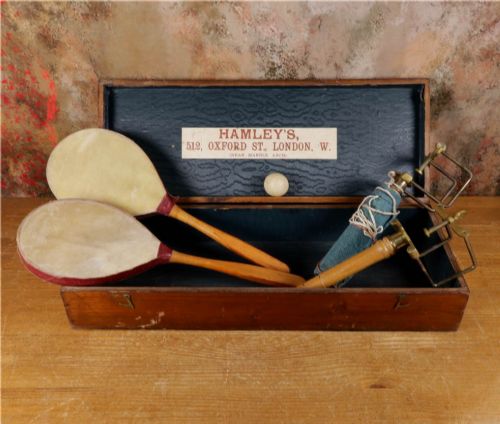
Jaques & Hamleys
The Vintage Gaming Table Glossary
- Envelope card table
- A square table with four triangular flaps that fold inward like an envelope to reveal a baize-lined playing surface. This clever design became particularly popular during the Edwardian period.
- Baize
- A coarse woollen material, traditionally green or red, used to cover the tops of card and gaming tables. It provides a soft, durable surface that prevents cards from sliding.
- Marquetry
- Decorative veneer work where pieces of various woods are assembled to form picture-like patterns or floral designs on furniture surfaces. It frequently embellishes French and English tables.
- Quartetto nest
- A set of four graduating tables that fit neatly beneath one another. Some examples integrate chess boards into the top surface of the main table.
- Bagatelle
- A nineteenth-century table game akin to billiards, where players cue balls up a wooden board into numbered cups or pins. Tables are typically constructed from mahogany.
Vintage Gaming Table: Frequently Asked Questions
How do you use a vintage gaming table daily?
Many gaming tables function as standard side or console tables when closed. You simply unfold or rotate the top when you wish to play cards or chess.
They provide practical surface space in a living room while keeping entertainment equipment neatly integrated into the furniture.
What materials are common in these tables?
Mahogany and walnut form the primary structure of most tables. Satinwood and boxwood frequently appear as contrasting stringing or inlay for chess boards.
Playing surfaces are typically lined with woollen baize in green or red shades to protect the wood and quiet the game.
How do you distinguish Victorian from Edwardian tables?
Victorian gaming tables often feature heavier proportions, dark mahogany, and rich carved details. Edwardian examples tend to be lighter, using cross-banding, satinwood inlay, and slender tapered legs.
Construction methods and prevailing aesthetic tastes of the respective decades guide these differences.