

Carved Cabriole Leg Cabinet
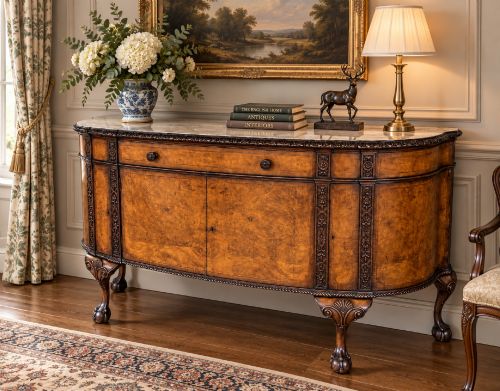
A carved cabriole leg cabinet brings fluid eighteenth-century curves into twentieth-century rooms, offering practical storage disguised in rich timber.
Carved Cabriole Leg Cabinet
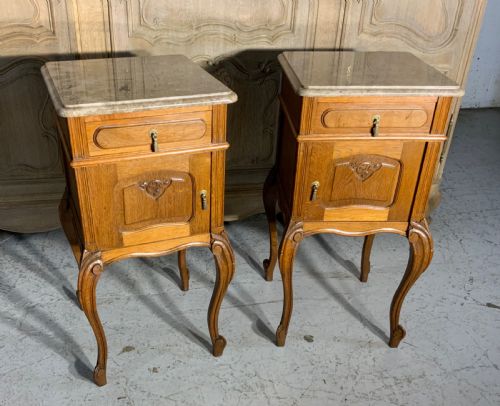
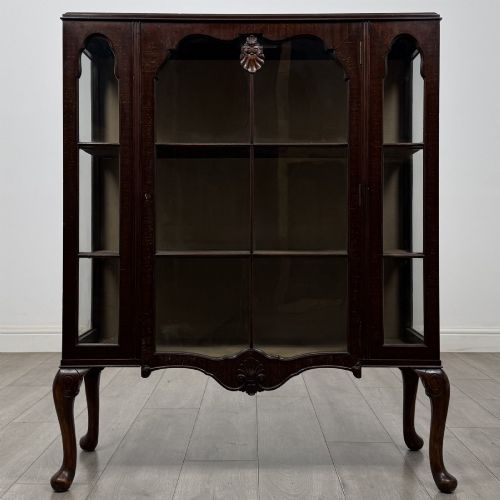
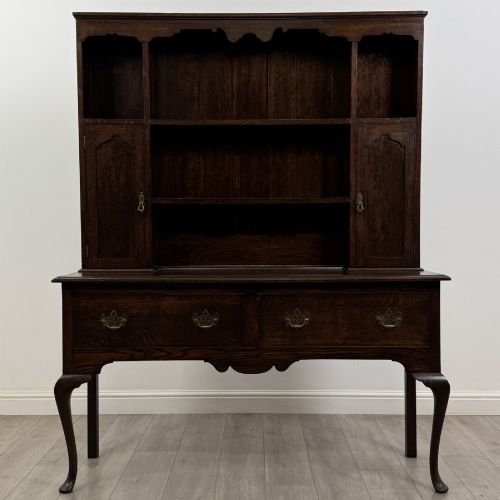
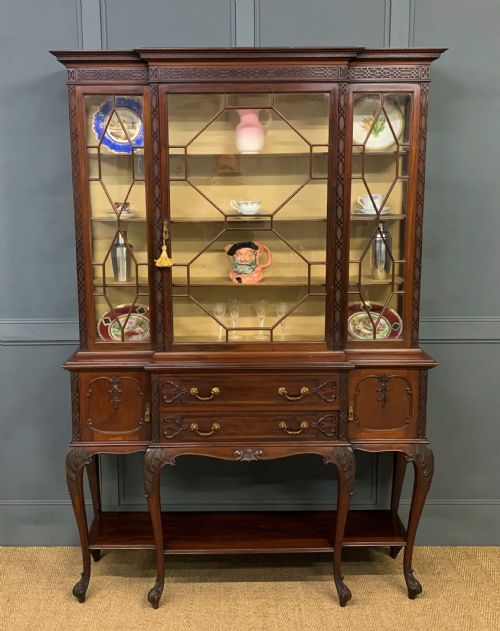
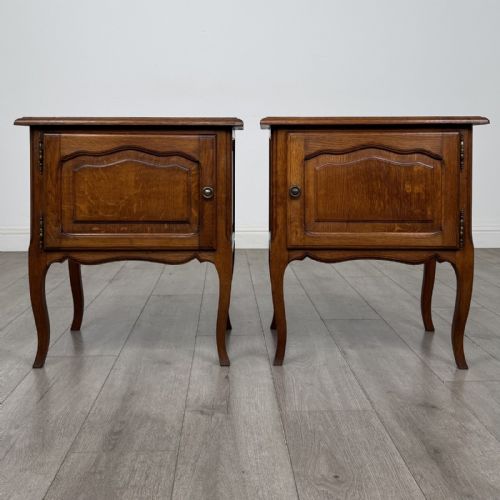
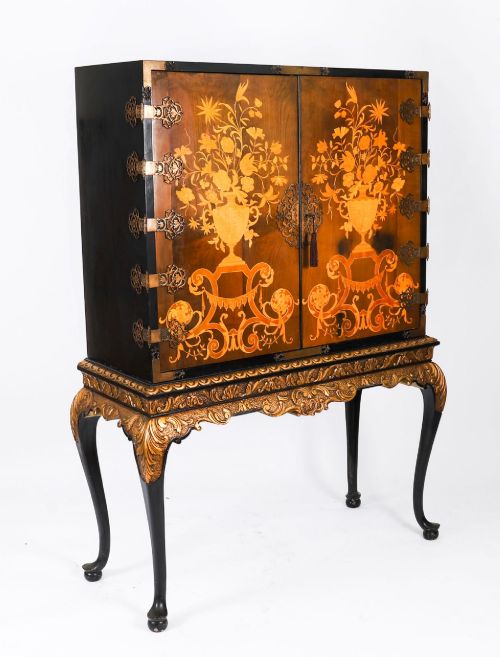
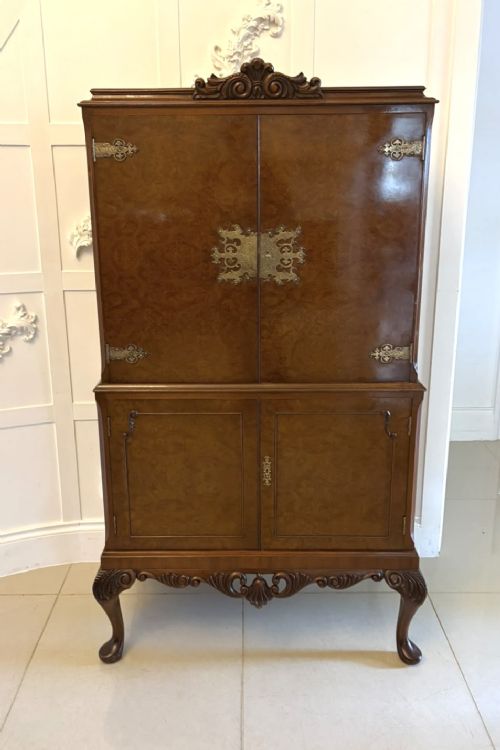
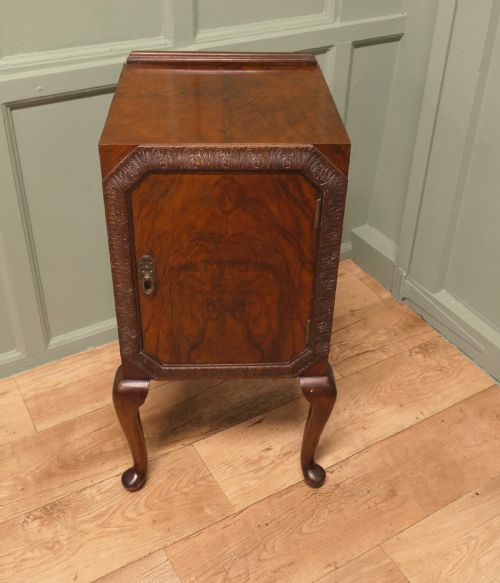
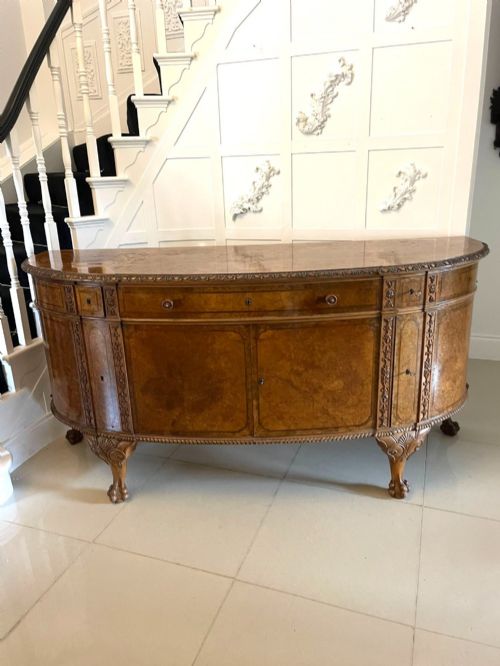
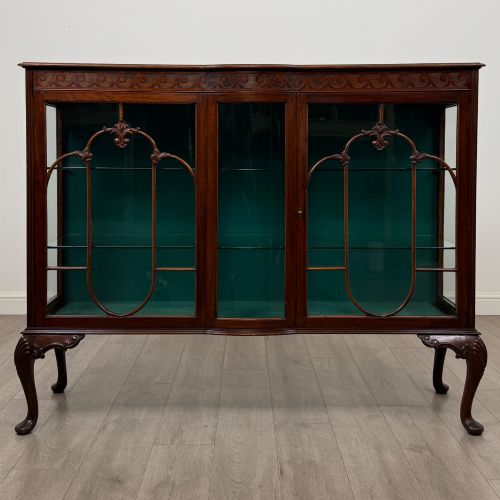
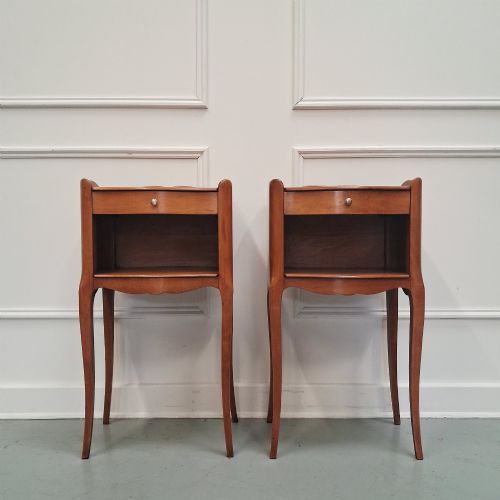
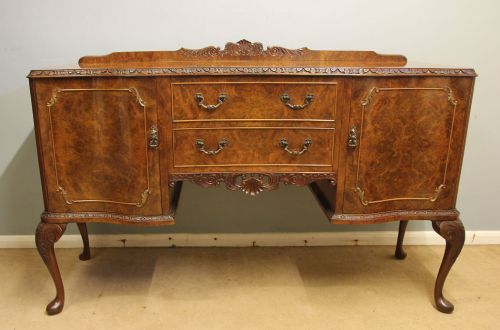
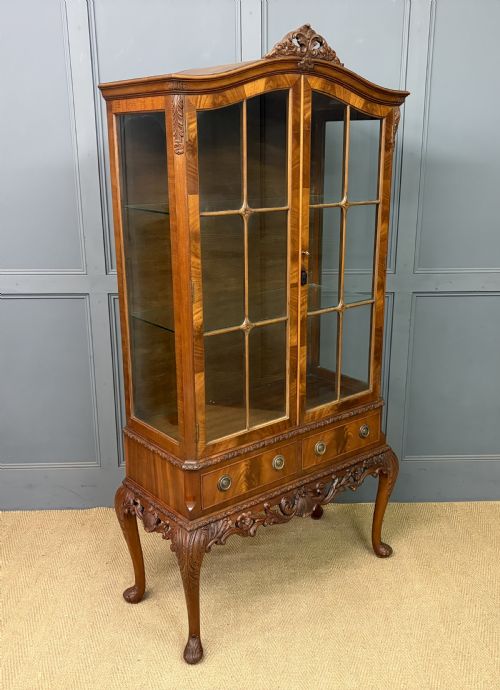
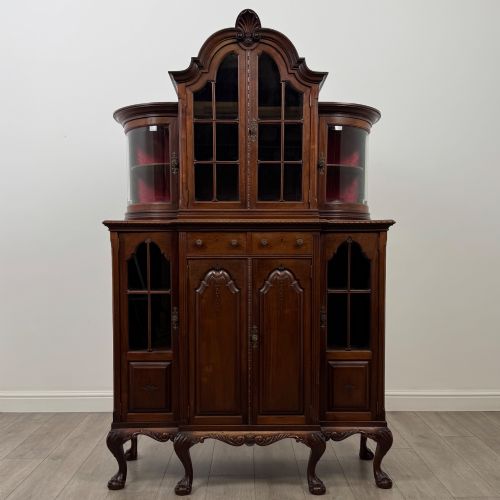
A carved cabriole leg cabinet brings together utilitarian storage and sweeping serpentine lines. Buyers hunting this phrase encounter diverse forms, from compact bedside tables and sideboards to tall display cabinets and cocktail units.
Most pieces appearing here emerge from the early twentieth century, spanning the Edwardian era through the nineteen-thirties, alongside select nineteenth-century examples. Styles lean heavily toward Queen Anne and Chippendale revivals, bringing traditional silhouettes into domestic spaces.
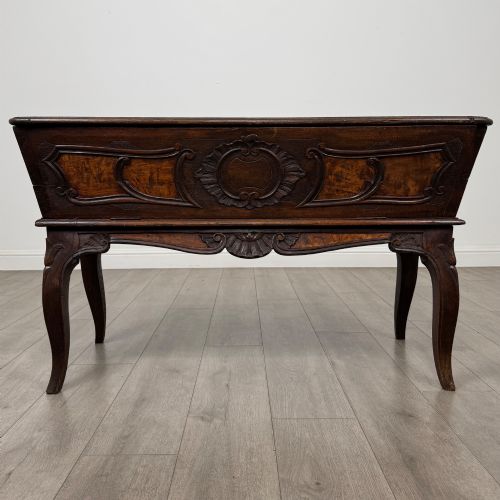
Origins stretch from English workshops to French provincial makers. The uniting factor across these diverse regional forms remains the distinctive, scroll-footed leg supporting the cabinet carcass.
Materials and Construction
Makers relied on walnut and burr walnut as primary timbers, often selecting figured veneers for striking visual impact on doors and drawer fronts. Mahogany and oak appear frequently, sometimes bleached or polished to highlight natural grain patterns.
Secondary materials such as marble insert tops, brass hardware, and glass panels add textural contrast to the timber frames. Carved details on the knees and feet of the cabriole legs require skilled hand-chifling to achieve smooth, continuous curves.
Carved Cabriole Leg Cabinet Retail Price Guide 2026
Typical asking prices for carved cabriole leg cabinet among the pieces listed under this phrase on Sellingantiques today, from the lower quarter to the upper quarter. They describe what is for sale here now, not the wider market.
Revival styles span Queen Anne and Chippendale aesthetics, manufactured primarily between nineteen-hundred and nineteen-thirty.
Evaluating Craftsmanship
Quality rests heavily on the selection of veneer and the depth of the timber figuring. Superior examples display book-matched burr walnut across wide surfaces, whereas lesser pieces utilise plain timber or simpler cuts.
The crispness of the carving on the cabriole legs distinguishes fine workshops from mass production. Hand-carving yields organic, flowing contours at the knee and ankle, whereas mechanical shaping leaves edges blunt and uniform.
Maple And Co
The Carved Cabriole Leg Cabinet Glossary
- Cabriole leg
- A furniture leg that bends outward at the knee and tapers inward to an ankle, finishing in a pad, claw, or scroll foot. This iconic shape derives from ancient Chinese furniture and gained prominence in European design during the early eighteenth century.
- Burr walnut
- A veneer sliced from the grotesque growths on walnut trees, yielding highly ornamental, swirling grain patterns. Cabinet makers prize this material for creating decorative focal points on doors and drawer fronts.
- Queen Anne revival
- A design movement spanning the late nineteenth and early twentieth centuries that reinterprets eighteenth-century domestic furniture. Pieces typically feature cabriole legs, pad feet, and shaped walnut panels.
- Demi-lune
- A half-moon shape applied to side cabinets and console tables designed to sit flush against a wall. This profile saves floor space while maintaining a decorative presence in a hallway or drawing room.
Carved Cabriole Leg Cabinet: Frequently Asked Questions
What rooms suit a cabriole leg cabinet best?
These cabinets find natural homes in living rooms, bedrooms, and dining spaces where their decorative legs can remain visible. Compact bedside versions suit smaller sleeping quarters.
Larger sideboards and display cabinets work well against open walls, providing surface area for lamps or collections while storing tableware or books below.
How do I identify a revival piece?
Revival pieces from the Edwardian period or the nineteen-thirties often combine eighteenth-century stylistic cues with modern internal fittings like cutlery trays or electrical compartments. Examining the drawer construction, timber secondary woods, and hardware reveals the true manufacturing era.
Makers working in the early twentieth century frequently utilised machine-cut dovetails while hand-finishing the decorative exterior elements and cabriole legs.
Are marble top cabinets practical?
Marble tops provide a durable, heat-resistant surface that historically suited bedside use for water jugs or washing equipment. Today, that stone surface offers easy cleaning and a cool contrast to warm walnut or mahogany frames.
Buyers should note the added weight of the stone when positioning the cabinet, as marble inserts rest upon the wooden carcass without permanent fixings.
How do I care for burr walnut veneer?
Burr walnut requires protection from direct sunlight and excessive humidity to prevent the delicate veneer from fading or lifting at the edges. Regular dusting with a soft, dry cloth preserves the polished finish.
Applying a traditional beeswax periodically nourishes the timber and maintains the natural lustre of the grain without building up heavy chemical residues.