


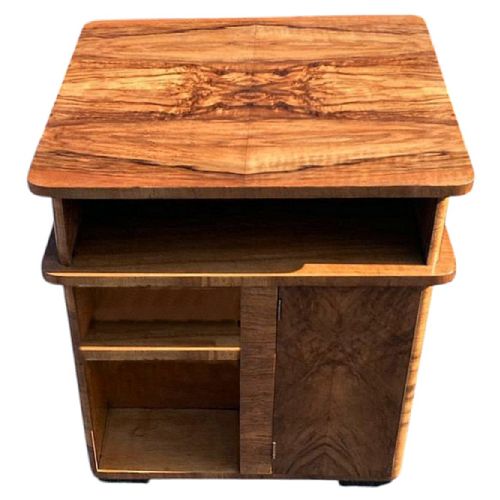


Vintage Home Bar Cabinet
A vintage home bar cabinet brings period character to hosting, offering specialised storage for bottles, glassware and mixing tools.

Vintage Home Bar Cabinet
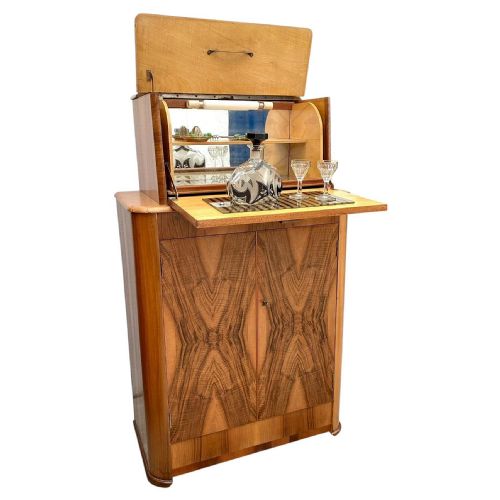
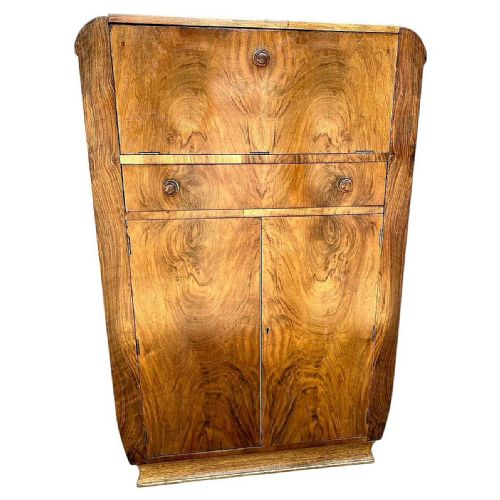
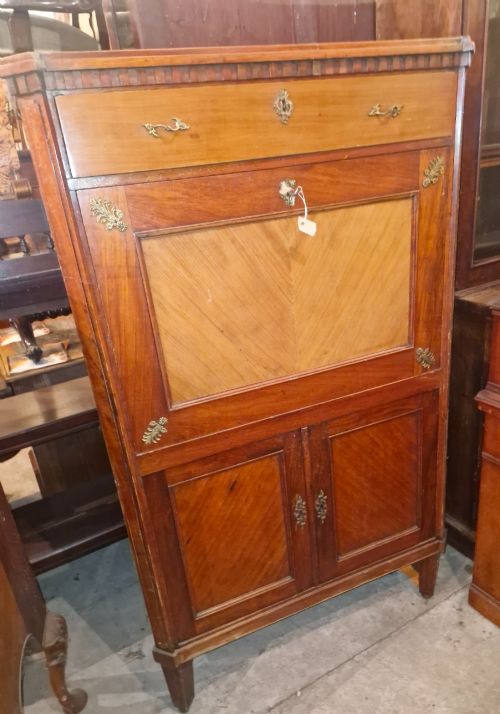
A vintage home bar cabinet spans several distinct historical revivals and modernist movements, with pieces appearing from the Victorian era, the 1920s and the 1930s. Buyers encountering this phrase will most frequently find walnut and burr walnut drinks cabinets alongside streamlined Art Deco designs.
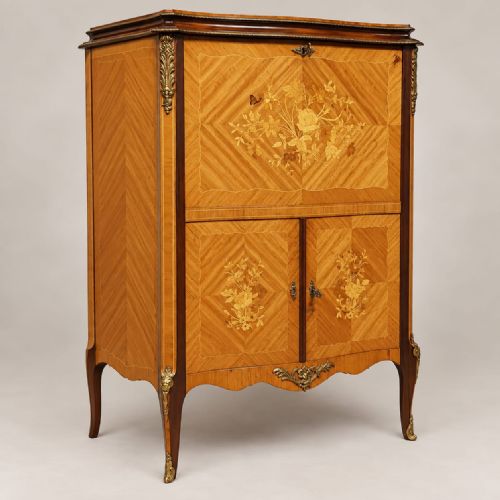
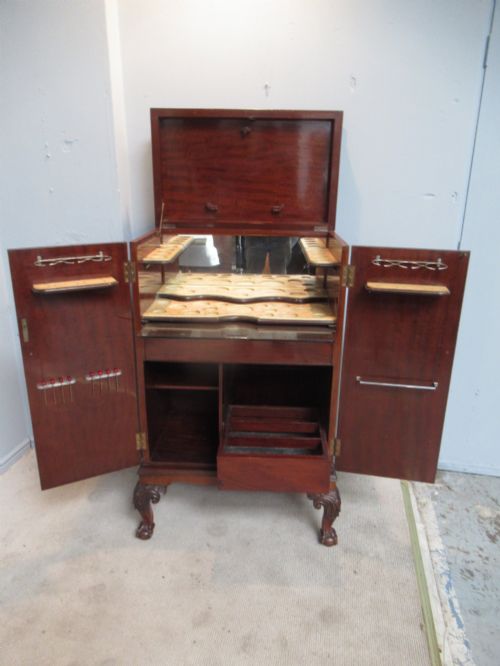
The objects take various functional shapes, ranging from dedicated cocktail cabinets and dry bar tables to double bow front units and large front and back bars. Some examples utilise Queen Anne style or Chippendale revival motifs, while others follow a mid-century Danish aesthetic.
Origins stretch from English workshops to Scandinavian makers, incorporating display cabinets and metamorphic designs that transform for serving. Each piece addresses the ritual of home entertaining through fitted interior compartments for bottles and glassware.
Materials and construction methods
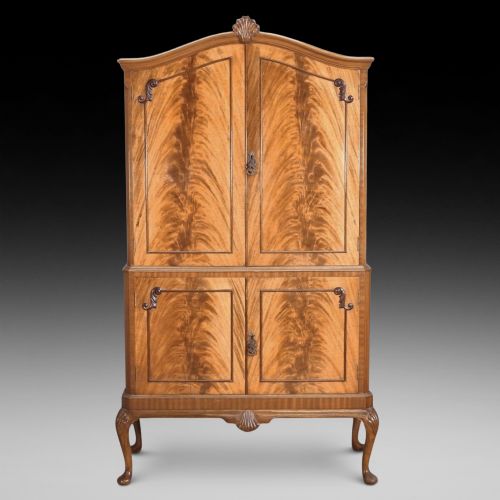
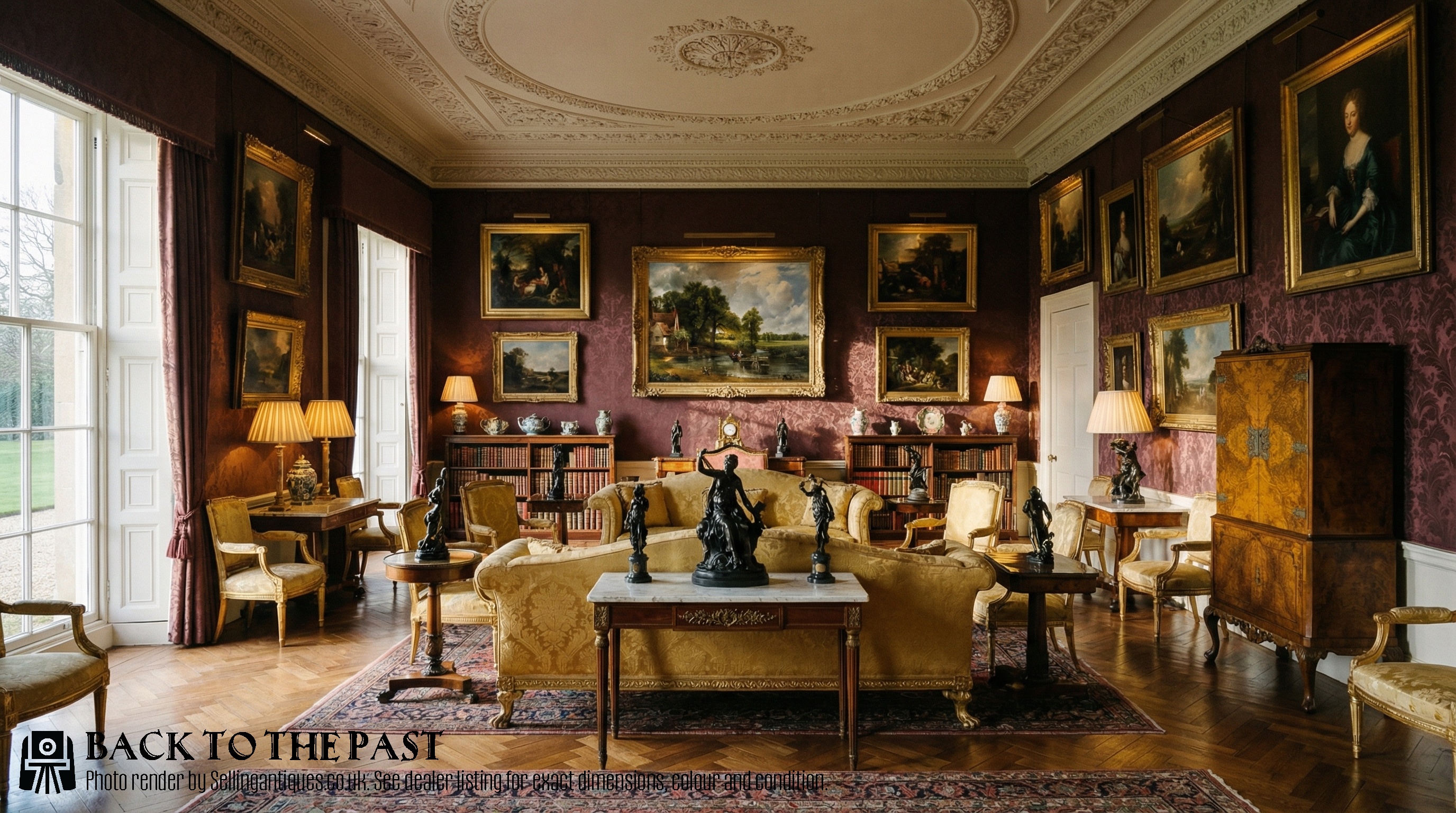
Cabinet makers utilised choice hardwoods such as mahogany, oak, and figured walnut, frequently applying burr walnut or bird's-eye maple veneers to prominent exterior surfaces. These timber frames are often paired with contrasting materials including glass shelves, mirrored backs, and chromium or brass hardware.
Construction techniques combine traditional cabinet making with specialised interior fittings designed to hold drinks securely. Surfaces frequently feature polished finishes or black lacquer accents, while specific examples incorporate original glass tops and intricate carved details.
Vintage Home Bar Cabinet Retail Price Guide 2026
Typical asking prices for vintage home bar cabinet among the pieces listed under this phrase on Sellingantiques today, from the lower quarter to the upper quarter. They describe what is for sale here now, not the wider market.
The listings on this page span the Victorian era, the 1920s and 1930s, and the mid-twentieth century, constructed in walnut, oak, mahogany, and chrome.
Distinguishing exceptional quality in construction
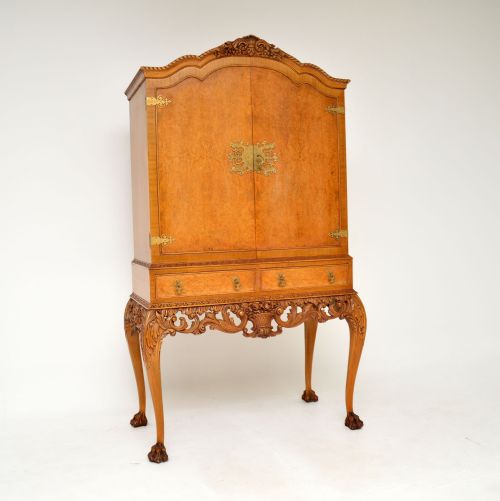
The distinction between standard examples and superior pieces rests on the choice of timber veneer and the precision of the interior joinery. Finely figured burr walnut and book-matched grain patterns elevate the presence of a cabinet considerably.
H&L Epstein·Harry and Lou Epstein·Reno Wahl Iversen·Dyrlund·Waring & Gillows
The Vintage Home Bar Cabinet Glossary
- Burr walnut
- A prized timber veneer showing swirling, knotty grain patterns harvested from tree growths. It provides a highly decorative surface on Art Deco and period revival drinks cabinets.
- Metamorphic
- Describing furniture that changes shape or function through clever mechanical design. These pieces transform from closed cabinets into active serving bars.
- Figured walnut
- Timber cut to accentuate natural grain variations and striations. It creates striking visual patterns across cabinet doors and drop-front surfaces.
- Dry bar
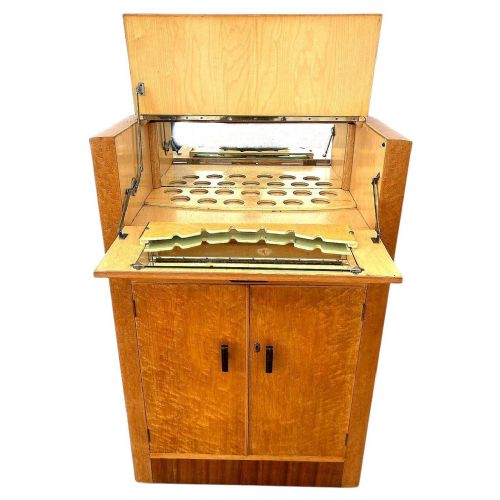
- A hospitality unit designed specifically for serving bottled beverages and glassware without a built-in plumbed sink. They often feature mirrored interiors and glass preparation shelves.
Vintage Home Bar Cabinet: Frequently Asked Questions
How do I use a vintage cocktail cabinet?
These cabinets function as dedicated drinks stations for entertaining guests at home. You can store bottles on lower shelves, glassware above, and use the pull-down flap as a mixing surface.
Many examples feature mirrored backs and glass surfaces that reflect light and hold spills during drink preparation. They keep your entertaining gear neatly organised behind closed doors when not in use.
What periods do these cabinets come from?
The selection spans several decades, with a heavy concentration of pieces originating from the 1920s and 1930s. You will also encounter Victorian examples alongside mid-century designs.
Earlier pieces often draw on Queen Anne or Chippendale revival styles, whilst the interwar years favoured sleek Art Deco lines and figured veneers.
How do I tell Art Deco from revival styles?
Art Deco cabinets favour geometric symmetry, streamlined silhouettes, and exotic woods like bird's-eye maple or blonde maple. They often feature contrasting black lacquer and chromium hardware.
Revival styles look backward, incorporating traditional flourishes such as cabriole legs, carved oak details, or classic mahogany paneling reminiscent of earlier centuries.