


Advertising Display Cabinet
An advertising display cabinet brings commercial history into a room, holding small collections behind glass with period lettering.
Advertising Display Cabinet
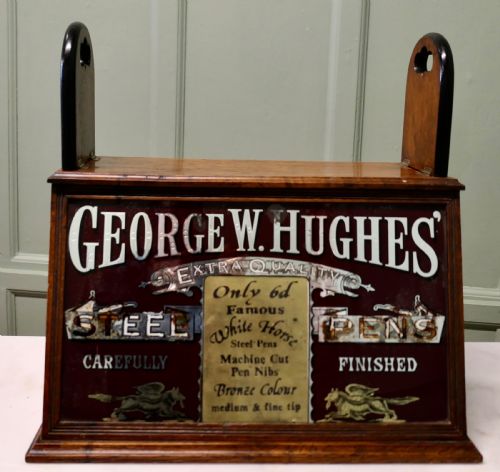
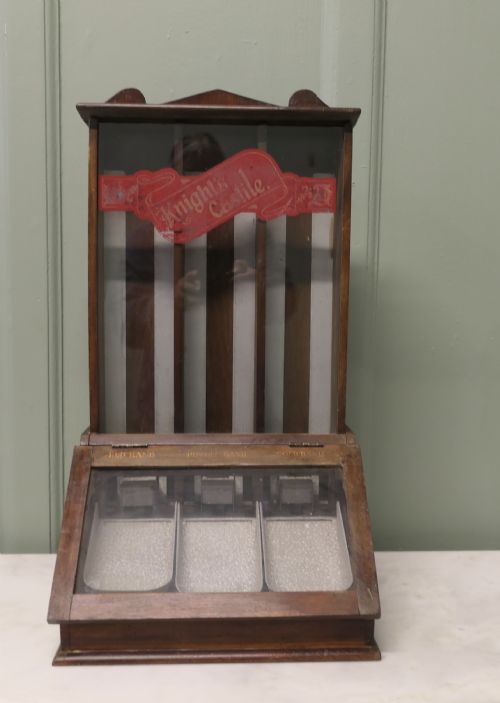
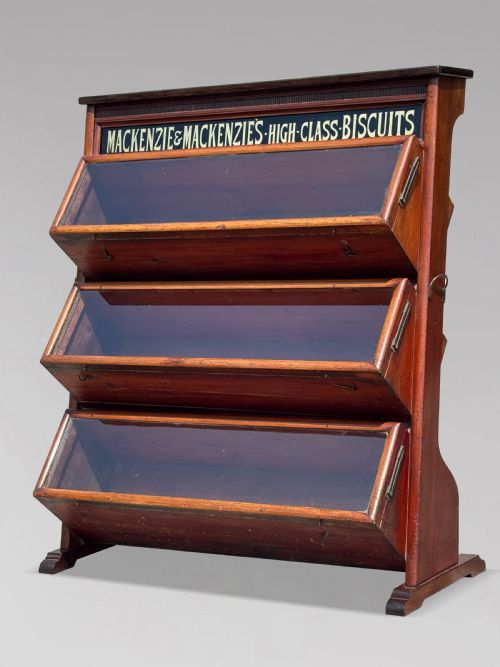
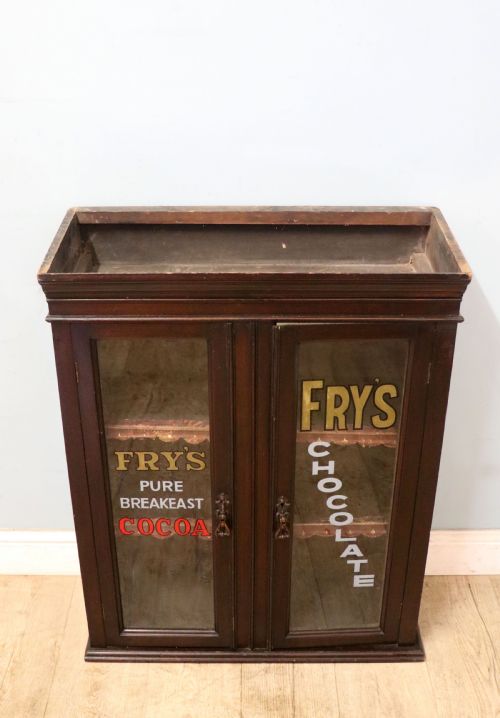
An advertising display cabinet is a specialised showcase originally designed for retail counters, walls, or floors to promote brand names. When browsing this selection, buyers frequently encounter countertop units, wall cabinets, and glazed floor-standing cases originating from the Victorian era through the 1930s. These pieces often feature hand sign-written lettering or painted branding associated with confectionery, tobacco, and household goods.
The physical formats vary from compact desktop boxes and corner cupboards to large haberdashery cabinets and glazed bookcases adapted for commercial promotion. Many examples combine traditional joinery with distinct trade markings, merging practical storage with historical marketing. The structural forms reflect the needs of late nineteenth and early twentieth-century shopkeepers who required clear visibility for small wares.
Origins span standard domestic furniture later adapted with trade lettering alongside purpose-built shopfittings from the Victorian and Edwardian periods. Pieces from the 1930s interwar commercial era introduce distinct art deco influences and streamlined timber frames. Buyers evaluate these forms based on how clearly the original retail function remains visible in the timber and glass structure.
Materials and construction
Cabinet makers utilised dense hardwoods including mahogany, American walnut, oak, cedar, and pine to construct durable frames capable of enduring daily retail handling. Glazed panels, brass hardware, and paper labels completed the construction, ensuring merchandise remained visible while protected from dust and handling. Wood selection dictated the weight and finish of each counter or wall unit.
Surface decoration frequently combined polished timber finishes with hand sign-written lettering applied directly to the glass or wood panels. Some pieces incorporated satinwood inlay, painted floral details, or specialised veneer work reflecting contemporary cabinet making standards. The integration of structural glass with solid timber frames defined the primary fabrication method.
Giant sparkling wine bottles and giant pencils once stood ready to remind shoppers of their writing and drinking needs.
Assessing quality in construction and finish
Quality rests upon the integrity of the original timber framing, the clarity of the glazed panels, and the execution of the joinery. Superior examples maintain uncompromised structural stability in the doors and cornices, with original brass hinges and catches functioning smoothly.
The authenticity and preservation of the sign-written lettering or brand graphics significantly influence the character of the piece. Crisp, well-preserved hand-painted details or intact manufacturer badges demonstrate a higher standard of period commercial craftsmanship than generic or later alterations.
Mackenzie's·Fry's Chocolate·Robert West·Ermen and Roby·H Upmann·Cadbury's·Hovis Bread·Aitchison·Zambrene·Wills Capstan·Venus Pencil·Moet and Chandon·Munyon's
The Advertising Display Cabinet Glossary
- Countertop unit
- A compact display case designed to sit upon a shop counter for direct customer viewing. These small cabinets place merchandise at eye level beside the till.
- Hand sign-written
- Lettering applied manually to glass or timber surfaces using traditional signwriting brushes and paint. This method created the brand advertising seen on period shopfittings.
- Vitrine
- A glass-fronted cabinet or display case utilised for showing delicate objects. The term often describes refined wall or floor-standing cases with extensive glazing.
- Haberdashery cabinet
- A multi-drawer or glazed storage unit originally built for drapery and small clothing accessories. They offer numerous compartments behind glass fronts.
- Apothecary box
- A specialised storage container designed for medicines, chemicals, or dispensing items. These boxes often feature internal partitions and secure locking mechanisms.
Advertising Display Cabinet: Frequently Asked Questions
What were advertising display cabinets used for?
Shopkeepers utilised these glazed cabinets on counters and walls to showcase retail goods while protecting them from dust and handling. The prominent brand lettering encouraged impulse purchases by highlighting specific products to passing customers.
Over time, merchants adapted standard furniture or commissioned specialised cabinetry to display confectionery, tobacco, writing instruments, and pharmaceutical items.
How do I date an advertising cabinet?
Dating relies on examining the timber species, joinery techniques, hardware styles, and the specific branding or typography used on the piece. Victorian and Edwardian examples typically feature heavier solid hardwood construction, whereas 1930s pieces often display interwar commercial styles.
Comparing the construction methods of the cabinet shell with known periods helps establish whether the trade lettering is contemporary to the woodwork or a later addition.
Are the advertising signs original?
Some cabinets left the workshop with purpose-built branding, while many period pieces received hand sign-written advertising later in their working lives to promote specific goods. Both factory-original branding and later commercial adaptations represent authentic retail history.
Examining the relationship between the paint surface and the timber grain helps determine how the lettering was applied to the display case.
How should I clean a vintage display cabinet?
Maintain the timber surfaces using a gentle microfibre cloth and appropriate wax formulated for antique wood to preserve the natural finish. Avoid harsh chemical cleaners that might damage delicate hand sign-written lettering on the glass or wood.
Clean the glass panels carefully with a mild solution, ensuring moisture does not seep behind painted brand markings or vintage paper labels.