


Edwardian Glazed Case
When you look for an edwardian glazed case, you are searching for timber cabinets and display pieces defined by glass panels and early twentieth-century proportions.
Edwardian Glazed Case
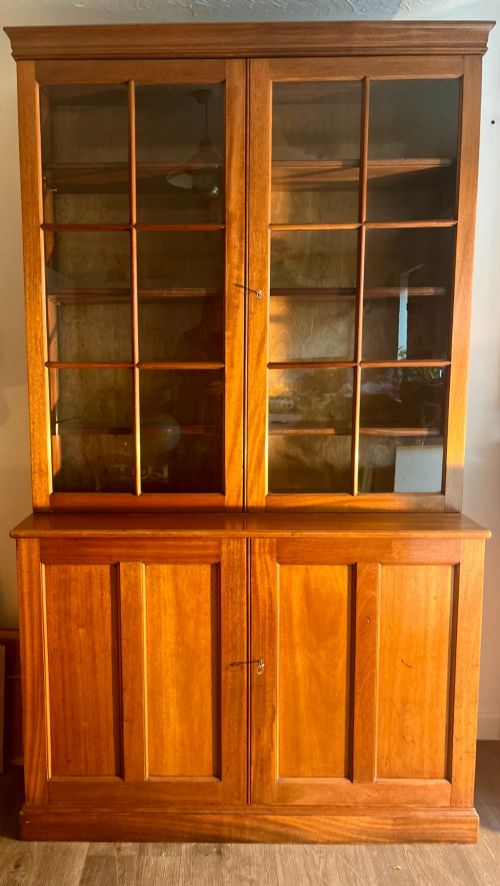
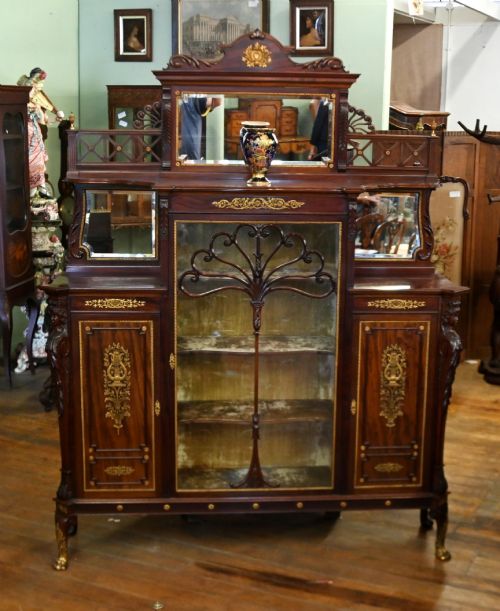
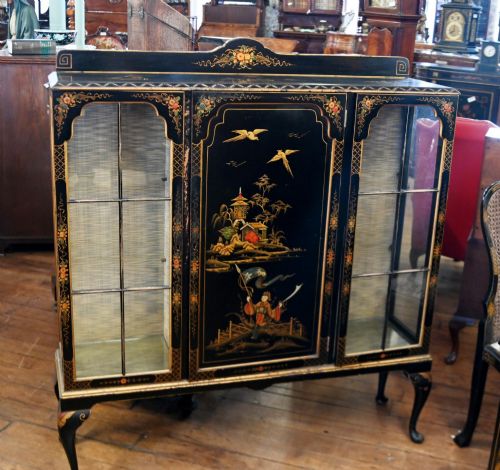
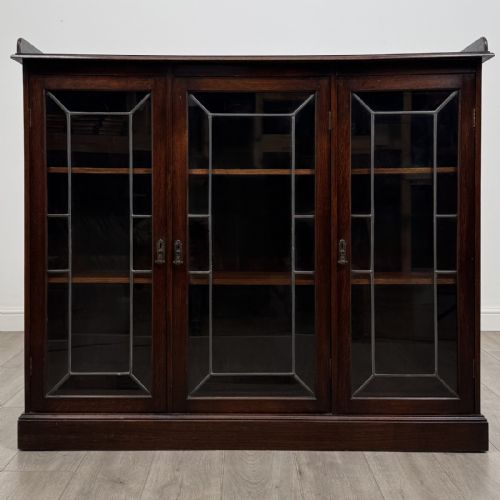
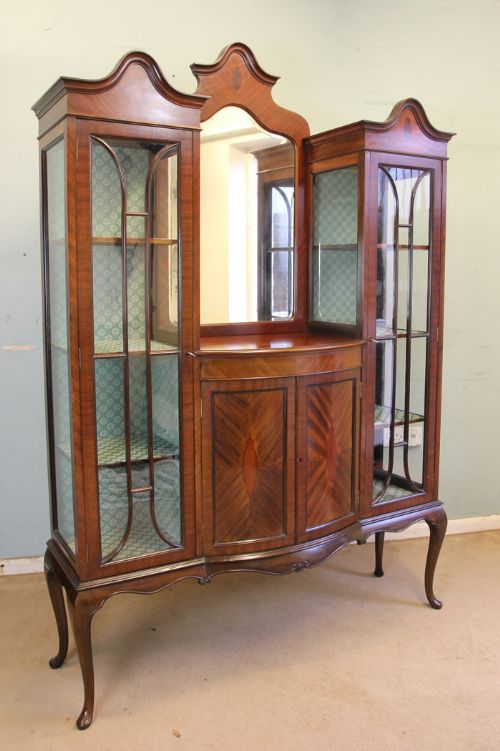
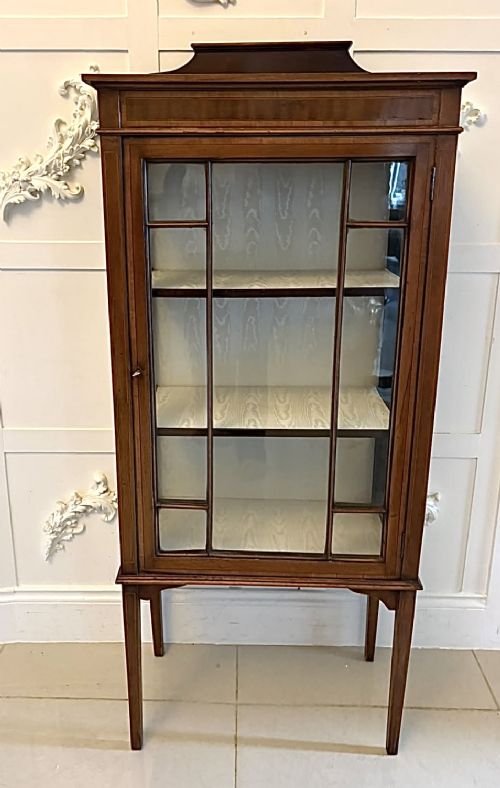
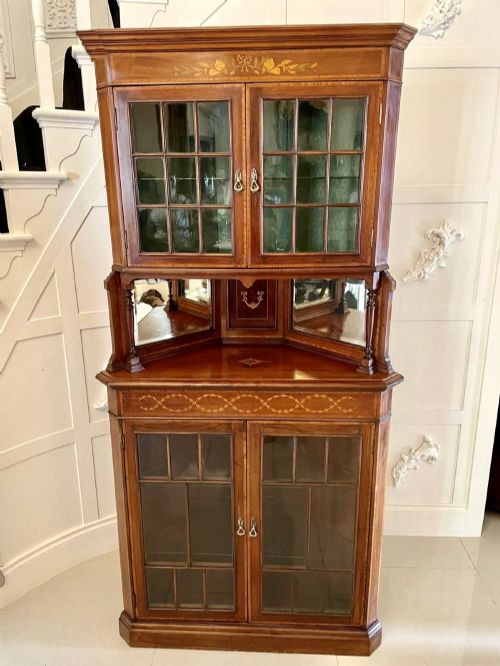
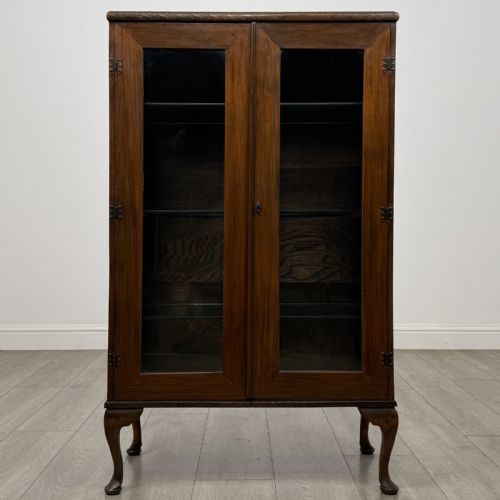
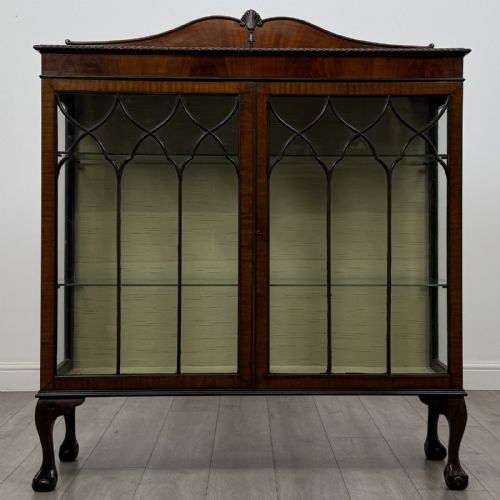
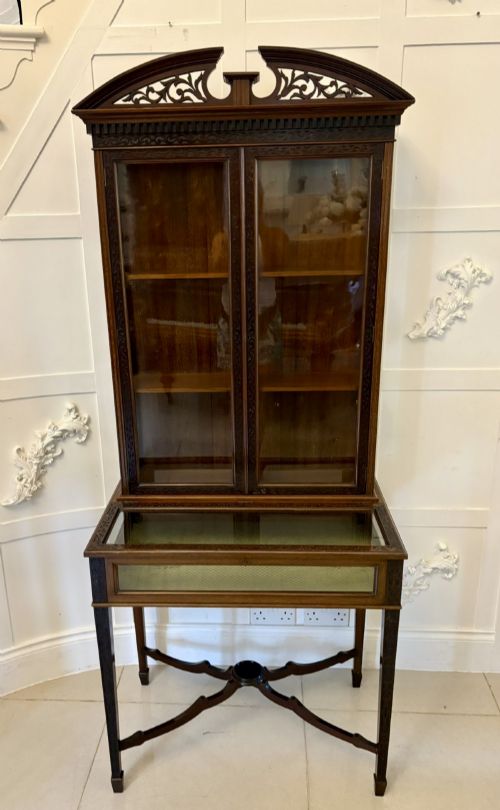
An edwardian glazed case most commonly appears as a freestanding display cabinet, a bookcase with glass doors, or a specialised bijouterie table designed to showcase objects under glass. The surviving pieces bridge the late nineteenth century and the early twentieth century, drawing heavily on earlier Georgian and Sheraton revivals alongside occasional Arts and Crafts influences.
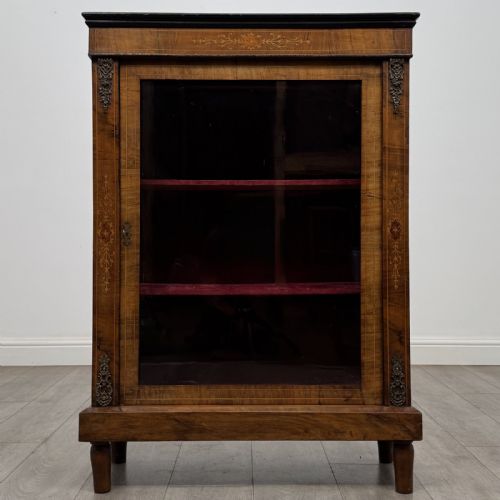
The physical form spans tall breakfront libraries, low corner cupboards, and slender pier cabinets intended for specific domestic corners. Walnut, oak, and particularly mahogany form the structural backbone of these domestic enclosures, frequently detailed with lighter wood inlays or painted decorations.
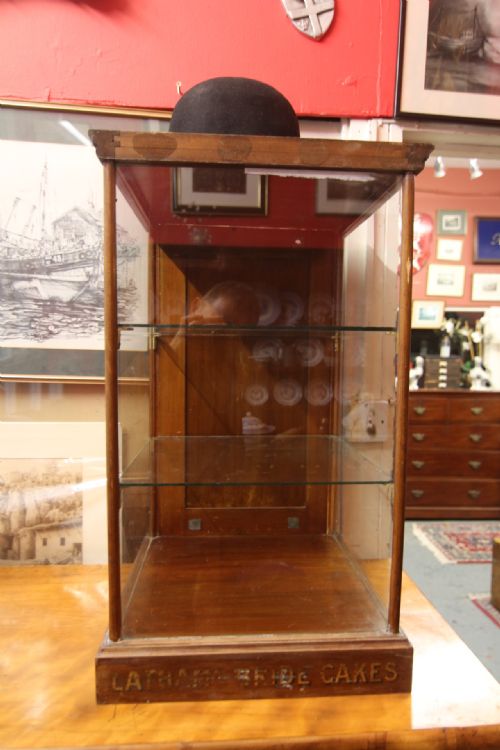
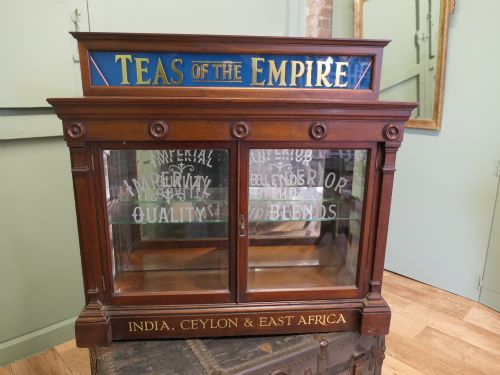
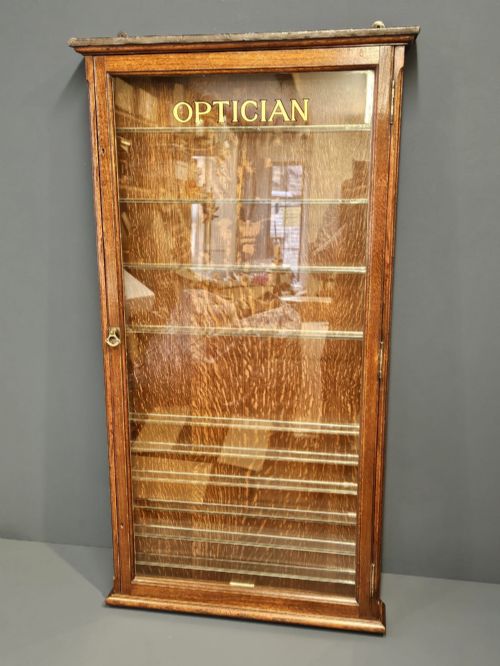
Shop display fixtures also emerge within this category, utilising adjustable glass shelves and tall freestanding frames to exhibit merchandise. Whether built for a domestic parlour or a commercial interior, the primary function remains the protection and visibility of treasured possessions.
How they were made
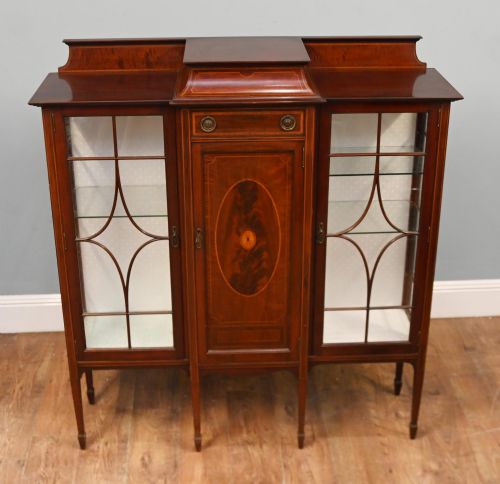
Makers constructed the primary carcasses of these cases using solid timbers and carefully selected veneers, predominantly employing mahogany, walnut, and oak. Satinwood inlay and intricate stringing provided decorative contrast against the darker body woods, executed with precise hand joinery.
Glazing techniques relied on individual timber or brass bars dividing the glass panes, with astragal glazed doors remaining a dominant aesthetic choice. Bevelled glass panels appeared frequently in high-end display cases and scientific instrument housings, secured alongside brass mounts and functional lock hardware.
Edwardian Glazed Case Retail Price Guide 2026
Typical asking prices for edwardian glazed case among the pieces listed under this phrase on Sellingantiques today, from the lower quarter to the upper quarter. They describe what is for sale here now, not the wider market.
The inventory combines domestic display cabinets and bookcases with commercial shop fixtures and specialised bijouterie tables.
What varies in quality
The distinction between standard commercial output and superior craftsmanship rests in the selection of timbers and the finesse of the inlay work. Finer examples utilise figured walnut or densely grained mahogany paired with delicate satinwood banding, whereas simpler utility pieces rely on plain oak or standard mahogany without embellishment.
Structural refinement also dictates worth, visible in the slenderness of the glazing bars, the integration of serpentine or bow-ended fronts, and the quality of applied gilt metal mounts. Original glass, working locks with matching keys, and intact fabric linings elevate the integrity of a surviving piece.
The Edwardian Glazed Case Glossary
- Astragal
- A moulding profile used to hold glass panes within a frame. In Edwardian furniture, fine timber astragals create geometric glazing patterns across bookcase doors.
- Bijouterie table
- A glass-topped display table specifically designed for small ornaments and jewellery. These tables typically feature hinged lids and fabric-lined interiors.
- Pier cabinet
- A narrow cabinet designed to stand against a wall pier between windows. They frequently incorporate glazed doors and internal shelving.
- Breakfront
- A piece of furniture where the central section projects forward from the flanking wings. This architectural arrangement adds depth and presence to large display bookcases.
- Satinwood inlay
- Decorative wood contrasting work inserted into a primary timber surface. It defines the Sheraton Revival aesthetic prevalent in this period.
Edwardian Glazed Case: Frequently Asked Questions
Where should I place an edwardian glazed case at home?
These cabinets suit living rooms, studies, or hallways where their glass panels can reflect natural light and display collections safely. Tall breakfront and freestanding versions require sufficient wall space and ceiling clearance.
Position them away from direct sunlight to protect internal contents and prevent timber warping. Corner cabinets offer a practical solution for utilising tighter domestic spaces without crowding a room.
How do I care for the timber and glass?
Maintain the wood surfaces using traditional paste wax rather than modern silicone sprays, buffing gently with a soft cloth. Keep the glass clean with standard glass cleaner applied sparingly to a cloth to avoid dampening surrounding timber.
Check door hinges and brass locks periodically to ensure smooth operation without forcing the mechanism. Maintaining stable indoor humidity levels protects both the structural joints and the antique glass.
Were these cases made for homes or shops?
The majority of surviving examples were built for domestic use as bookcases, china cabinets, or drawing room display furniture. These domestic pieces often feature decorative inlays and refined wood finishes.
Commercial variants also exist, built larger and taller with adjustable glass shelves specifically for retail display. Both types utilise glazed panels, but commercial items prioritize maximum visibility over domestic ornament.
How do I distinguish Edwardian pieces from Victorian ones?
Edwardian cases generally exhibit lighter proportions, brighter mahogany or satinwood tones, and a revival of refined eighteenth-century Sheraton and Chippendale styles. Victorian pieces tend to be heavier, darker in overall appearance, and constructed with denser walnut or dense mahogany.
Stylistic crossover remains common because the Edwardian era directly followed the Victorian period. Examining the subtlety of the inlay work and the slimness of the glazing bars often helps clarify the manufacturing decade.