




Victorian Shop Cabinet
When you want a victorian shop cabinet, you are looking for commercial display furniture built to showcase retail goods.
Victorian Shop Cabinet
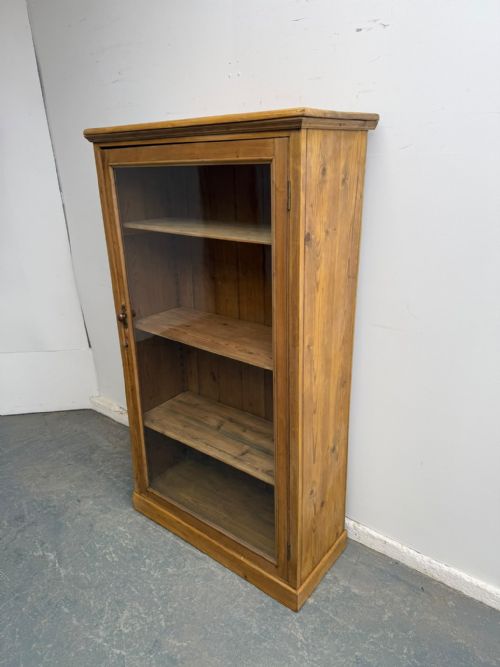
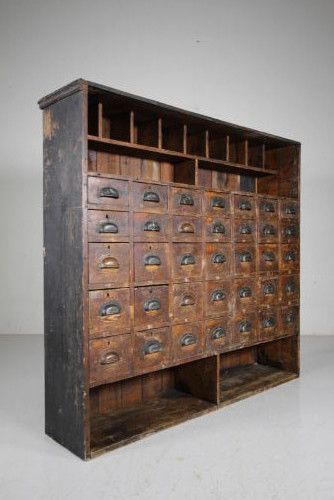
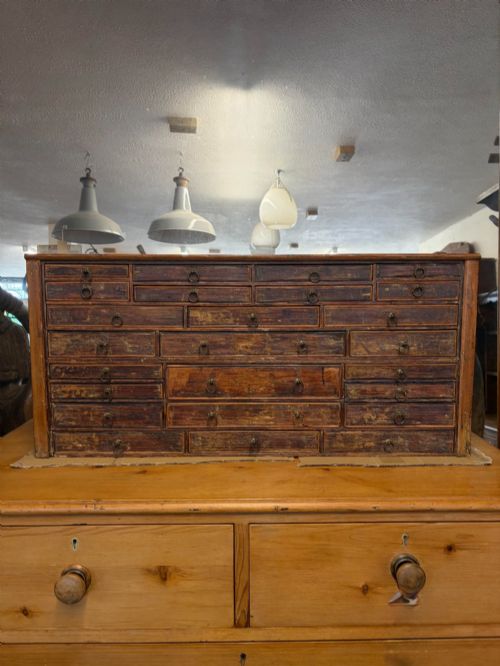
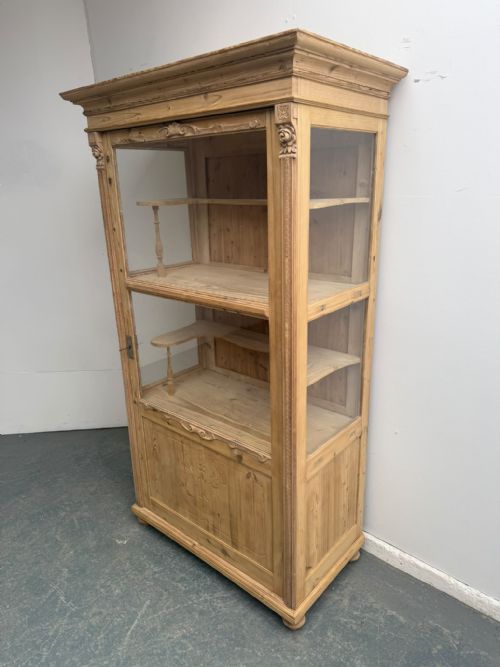
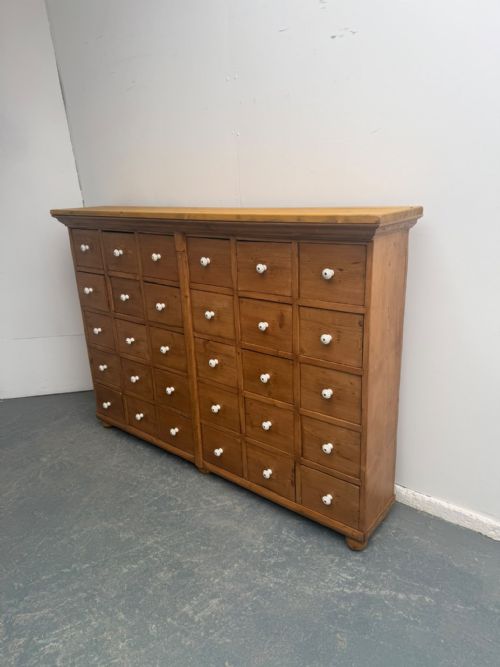
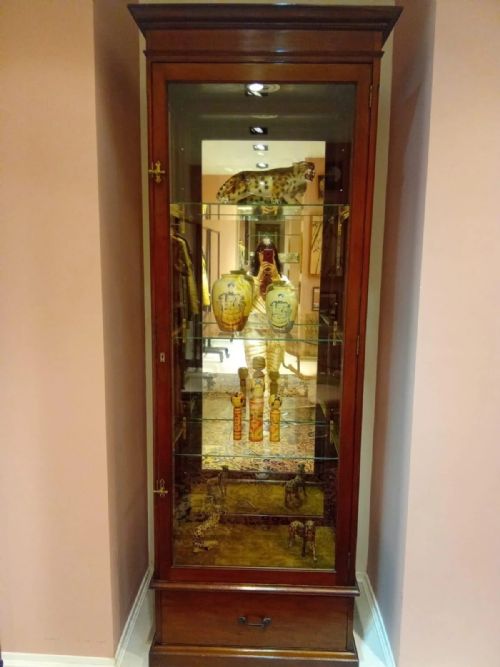
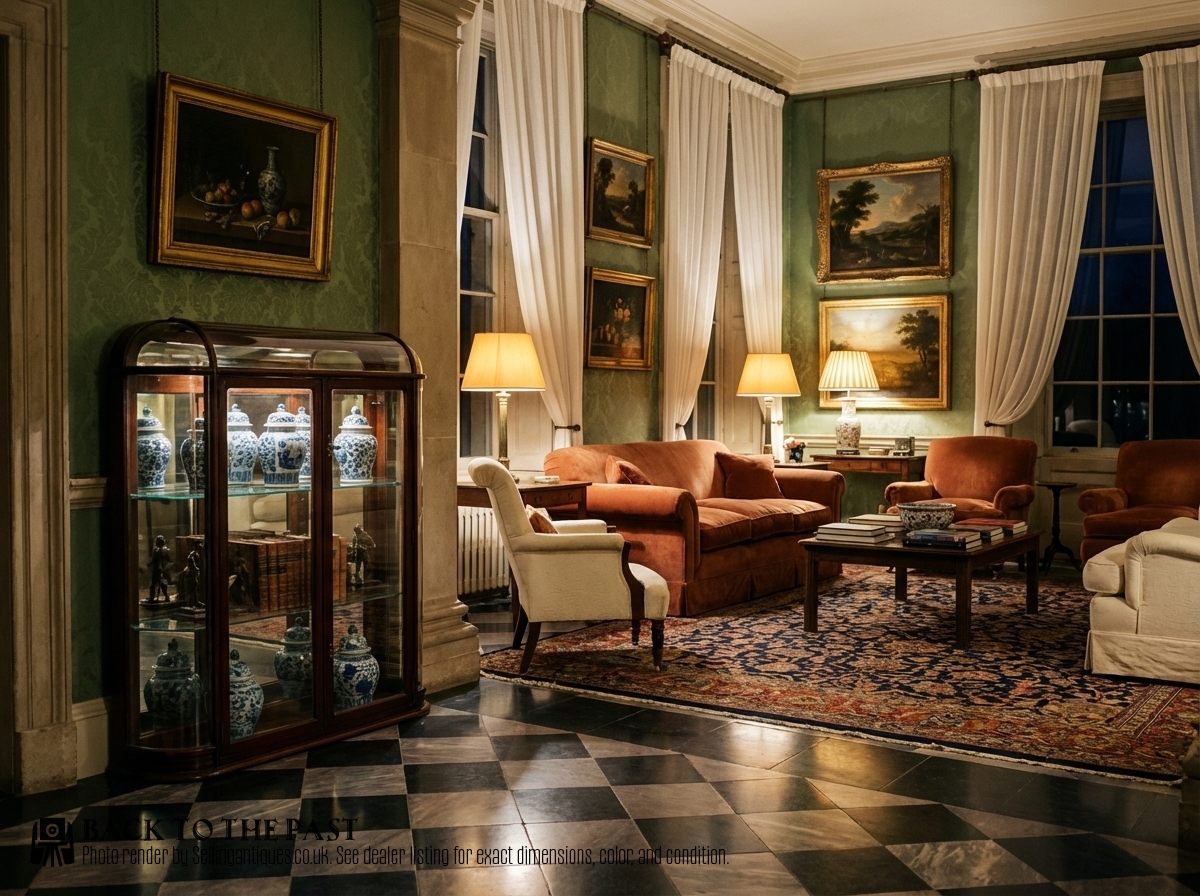
A victorian shop cabinet encompasses commercial storage units, multi-drawer apothecary chests, and glass-fronted display cases originally utilised in nineteenth and early twentieth century retail premises. The selections span compact countertop vitrines designed for jewellery and small wares up to large floor-standing haberdashery units with numerous drawers.
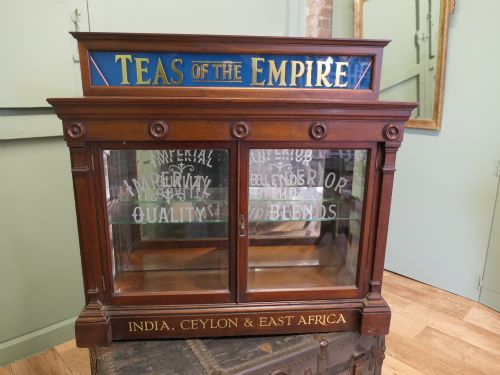
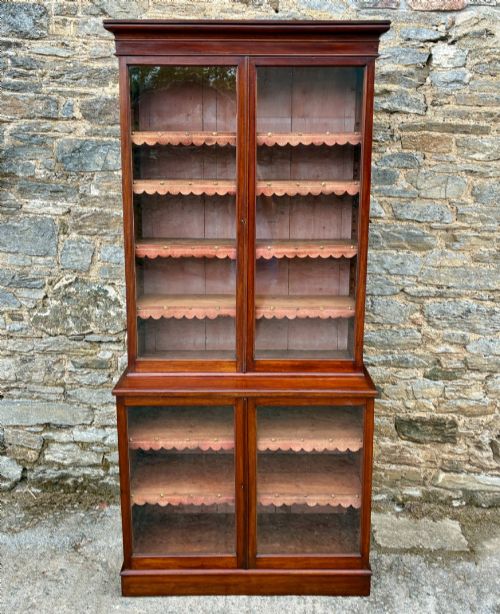
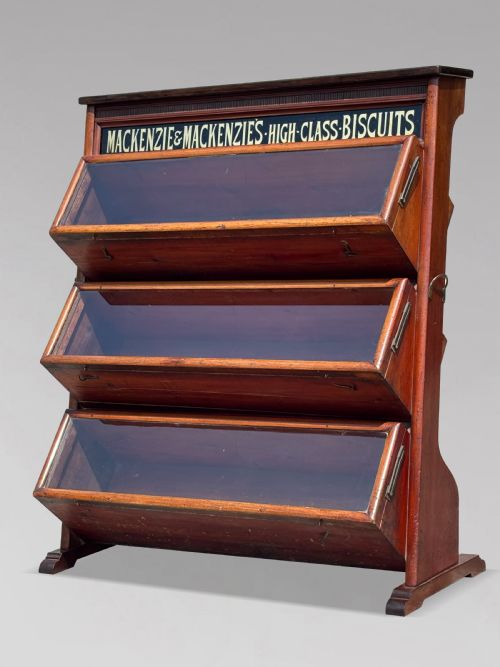
Buyers frequently encounter mahogany and pine display counters, alongside specialised chemist shop fittings and glazed cabinets bearing traditional sign-written advertising for confectionery and household goods. These functional furnishings reflect the diverse trades of the era, including drapery, pharmacy, and watchmaking.
Originating primarily from the Victorian and Edwardian periods, the surviving examples include rustic country pine pieces as well as polished walnut commercial fittings. They serve modern domestic interiors as practical storage solutions with distinct historical character.
How they were made
Construction relies heavily on dense hardwoods like mahogany and walnut, paired with softer timbers such as pine and fruitwood for drawer carcases and internal framing. Glazed panels and adjustable glass shelving allowed maximum light penetration for merchandise display.
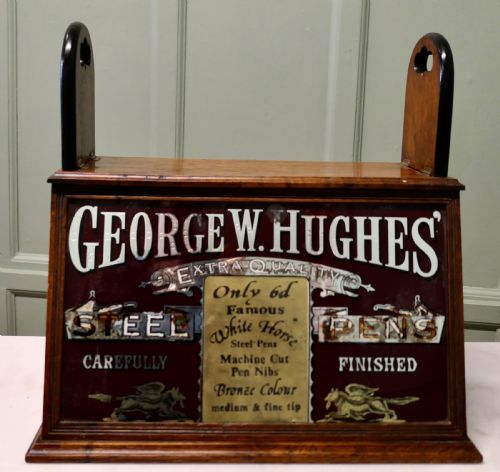
Metal components typically involve brass and iron for handles, hinges, and display stands, while mirrors frequently provide depth to internal cabinet backs. Hand-painted sign-writing and gold leaf detailing were frequently applied to exterior surfaces for retail branding.
Victorian Shop Cabinet Retail Price Guide 2026
Typical asking prices for victorian shop cabinet among the pieces listed under this phrase on Sellingantiques today, from the lower quarter to the upper quarter. They describe what is for sale here now, not the wider market.
Cabinets frequently bear surviving hand-painted advertisements for chocolate and cocoa, reminding us that early retailers sold confectionery alongside hardware.
What varies in quality
The standard of a victorian shop cabinet is determined by the selection of timber and the sophistication of its joinery, distinguishing utilitarian storage from bespoke retail showpieces. Fine examples feature solid mahogany frames, graduated drawer construction, and original glazed doors with functioning brass hardware.
Surviving original paint finishes, authentic hand-applied sign-writing, and untouched maker plates elevate the historical significance of a piece. Later alterations or extensive surface stripping alter the integrity of the original commercial design.
Luxmore's of Ilfracombe·John Stow Ltd of Bradford·Manoah Rhodes & Sons Ltd·Philip Joseph & Sons London·John Sharpe Leicester
The Victorian Shop Cabinet Glossary
- Vitrine
- A glass display case designed specifically for showing delicate merchandise or collector items. These cabinets often feature glazed sides and adjustable shelving.
- Haberdashery cabinet
- A multi-drawer storage unit originally utilised in drapery shops for organising ribbons, cottons, and small textiles. They typically feature numerous shallow drawers with glass fronts or brass pulls.
- Apothecary chest
- A specialised bank of drawers or cabinet created for pharmacies to store dried herbs, powders, and medical preparations. They frequently include numerous small labeled compartments.
- Sign-written
- Hand-painted commercial lettering applied to glass or timber surfaces for retail advertising. This traditional technique names the original merchant or product associated with the fitting.
Victorian Shop Cabinet: Frequently Asked Questions
What trades used these cabinets?
These commercial fittings served numerous Victorian merchants, including chemists, drapers, watchmakers, and grocers who required specialised storage and display.
Pharmacists utilised multi-drawer apothecary chests for medications, while haberdashers employed large banks of drawers for textiles and sewing cottons.
How do I clean mahogany?
Maintenance requires gentle dusting with a soft cloth to preserve the polished wood surfaces and prevent accumulation of grit.
Harsh chemical cleaners should be avoided in favour of traditional beeswax applied sparingly to maintain the natural lustre of the timber.
Are the glass shelves original?
Many surviving display cabinets retain their adjustable glass shelving, though replacements do occur due to the fragile nature of vintage glass.
Inspect the edges of the glass for signs of historical manufacturing traits, such as minor thickness variations or surface waviness.
How do I identify a chemist cabinet?
Chemist shop fittings typically feature numerous small drawers or specialised shelving designed to hold apothecary jars and medical supplies.
Many examples include original hand-painted labeling or specialised interior layouts intended for pharmacy use.