
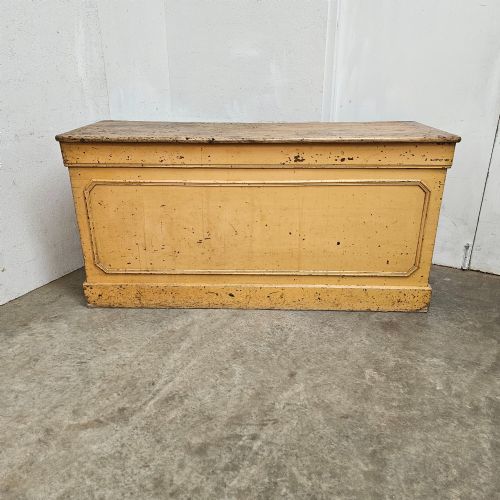
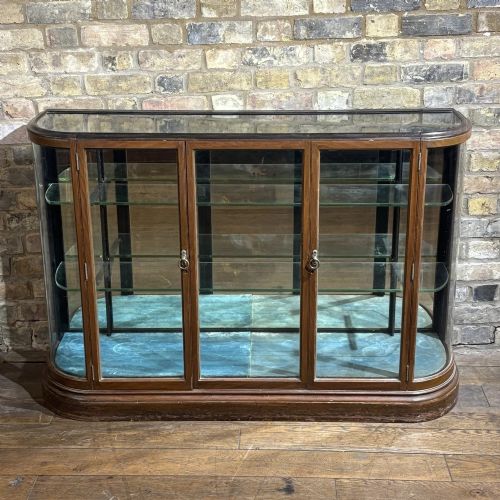


Antique Retail Cabinet
An antique retail cabinet brings commercial heritage home, offering glazed display space designed to showcase objects with period shop floor charm.
Antique Retail Cabinet
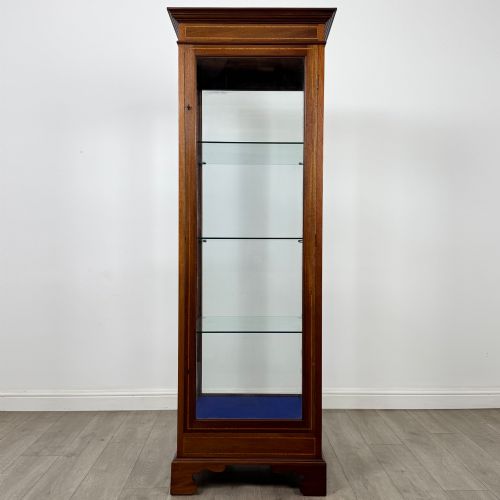
An antique retail cabinet encompasses shop display counters, tall freestanding showcases, and countertop units built for commercial premises during the nineteenth and early twentieth centuries. These fittings served pharmacists, grocers, and jewellers, housing goods behind glass for customer inspection.
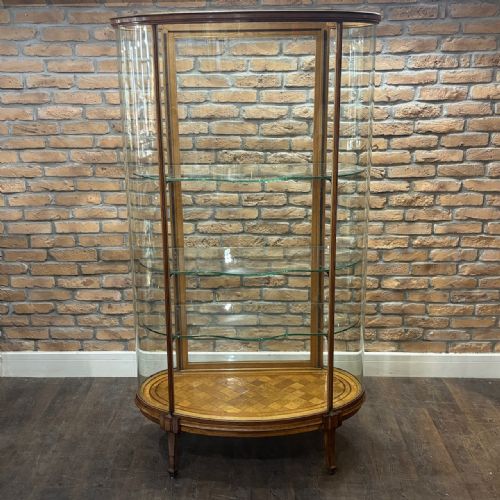
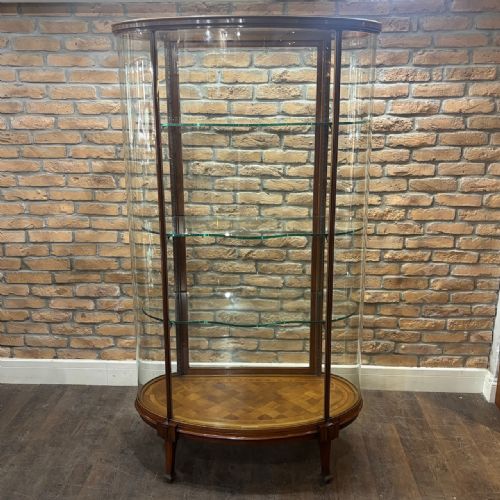
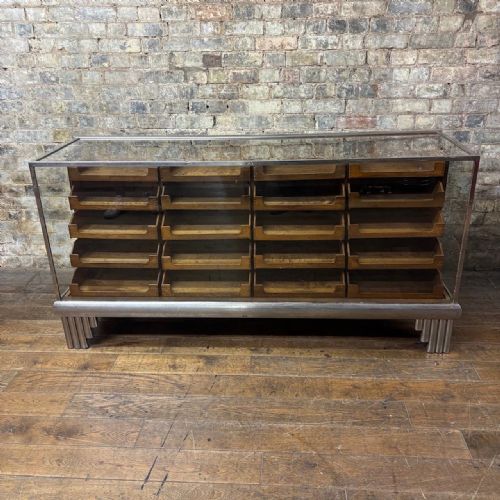
The pieces seen here range from Edwardian oak shop counters and Victorian apothecary cases to 1930s aluminium and chrome display units. Buyers encounter everything from haberdashery fittings with numerous drawers to tall mahogany wall cabinets and bow-end display cases.
Originating largely from commercial environments, an antique retail cabinet brings authentic mercantile proportions and utilitarian design into domestic spaces. Their primary function remains unchanged: framing objects clearly while protecting them behind glass panels.
Materials and construction
Construction relies heavily on timber frames of mahogany, oak, and pine, paired with extensive glass panels to maximise visibility from all angles. Cabinetmakers incorporated adjustable glass shelves, mirrored interiors, and brass or iron hardware to support heavy commercial use.
Specialised retail pieces often integrated metal framing in bronze, aluminium, or chrome by the 1920s and 1930s, reflecting industrial shifts in shopfitting. Original painted surfaces, brass ventilation grilles, and manufacturer plaques remain visible markers of their commercial origins.
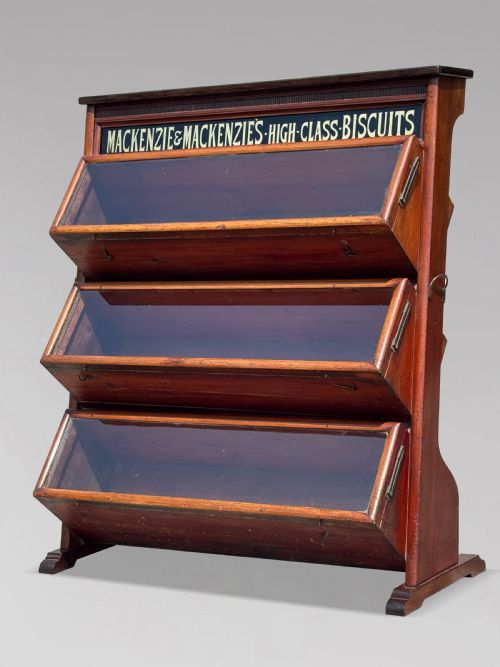
Some cabinets still bear the painted ghosts of chocolates, biscuits, and paint brands sold to Victorian and Edwardian shoppers.
Evaluating distinction
Quality rests upon the integrity of the original framing, the clarity of the glass, and the sophistication of the cabinetry joinery. Pieces produced by established shopfitters display finer timber selection, superior locking mechanisms, and refined hardware compared to utilitarian workshop alternatives.
The presence of maker signatures, original mirrored backs, and unaltered commercial lettering elevates a piece's historical significance. Subtle details such as bow-end glass curving, finely turned timber columns, and robust brass framework distinguish exceptional retail furniture from standard trade fixtures.
F. Sage & Co·Dudley & Co·John Stow Ltd·Saml. Elliott & Sons
The Antique Retail Cabinet Glossary
- Haberdashery counter
- A long retail cabinet featuring numerous shallow drawers, often with glass fronts, originally used for storing and displaying textiles and small mercery goods.
- Countertop display cabinet
- A compact glazed showcase designed to sit atop a main shop counter to encourage impulse purchases of small items like confectionery or tobacco.
- Bow end
- A curved glass or timber end to a cabinet or counter, designed to soften sharp corners and improve viewing angles for customers.
- Bijouterie table
- A glass-topped display table originally utilised by jewellers and merchants for presenting small precious items, specimens, or accessories.
Antique Retail Cabinet: Frequently Asked Questions
What is an antique retail cabinet?
An antique retail cabinet is a glazed display case or counter originally built for nineteenth and early twentieth-century shops, pharmacies, and department stores.
These pieces were engineered to merchandise goods securely while giving customers clear visibility from the shop floor.
How were retail cabinets used originally?
Merchants utilised these furnishings to protect delicate stock such as silk, confectionery, apothecary items, and jewellery while keeping merchandise visible.
Countertop models encouraged impulse buys near the till, while tall freestanding cases and long counters organised entire shop interiors.
How do I style a retail cabinet at home?
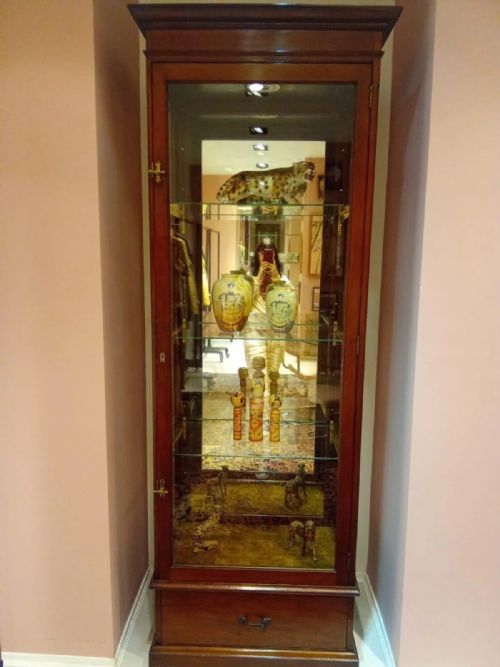
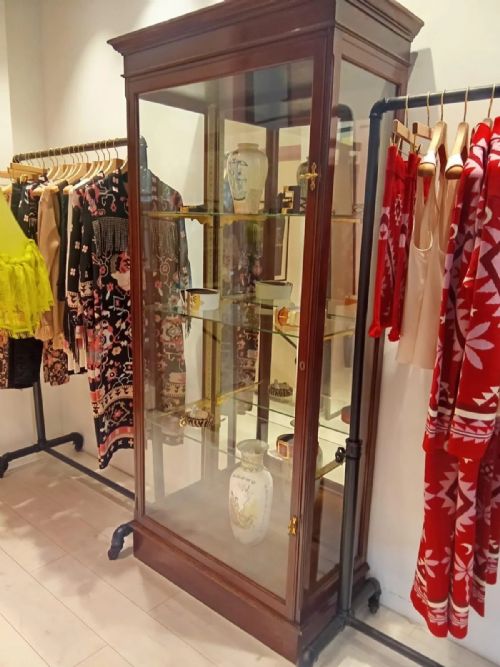
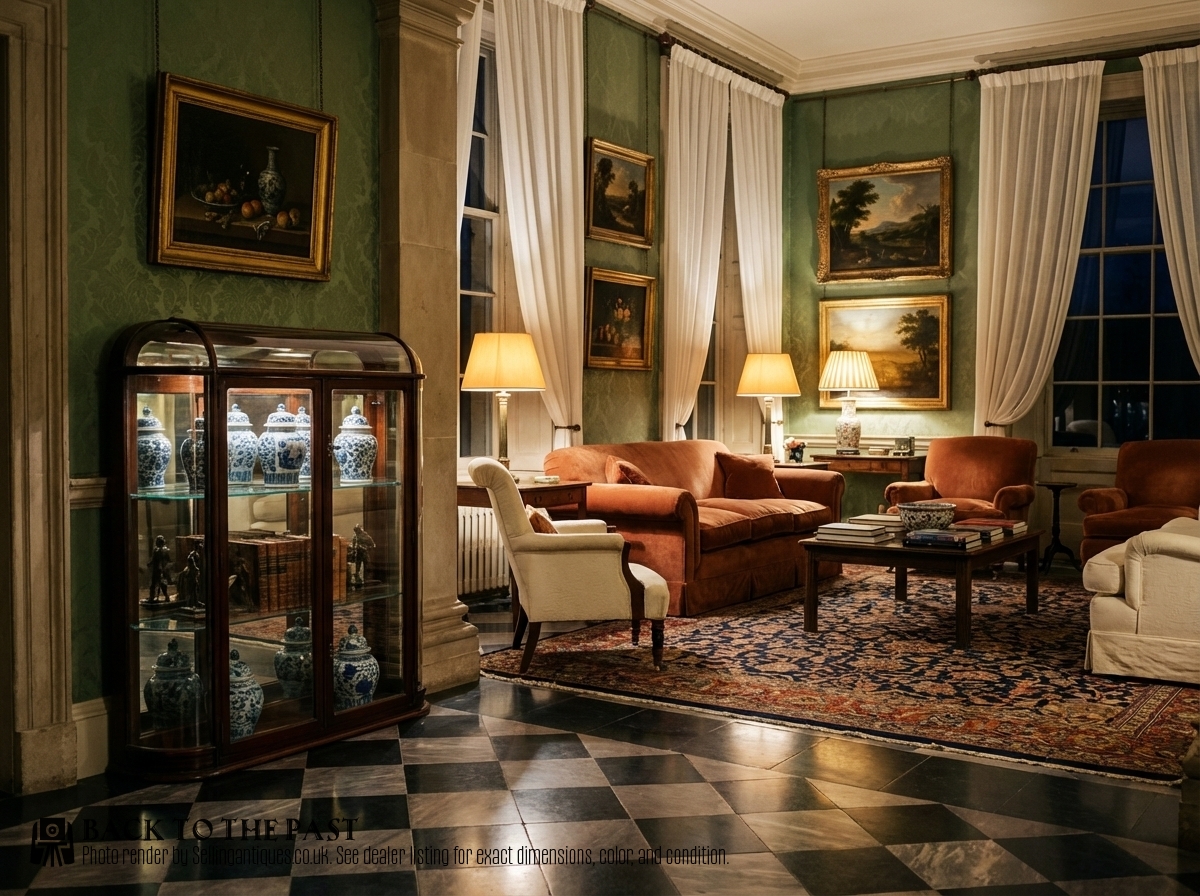
These cabinets work effectively in living spaces, kitchens, or studies as focal points for displaying collections of ceramics, glassware, or books.
The internal glass shelving and mirrored backs naturally amplify light, making them practical for showcasing items without cluttering a room.
How do I identify the period of a display cabinet?
Dating relies on observing timber choices, hardware materials, and construction styles, moving from heavy Victorian mahogany and brass to 1930s chrome and aluminium frames.
Manufacturer plaques, painted advertising lettering, and structural proportions offer further clues to whether a piece originates from the Edwardian era or the interwar decades.