










Glass Shop Display
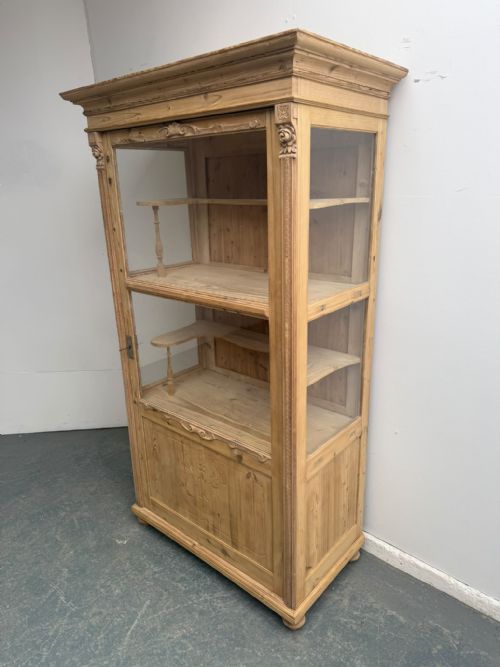
These robust glass shop display pieces span sturdy Victorian counters to sleek Art Deco floor units, built to showcase wares with absolute clarity.
How they were made
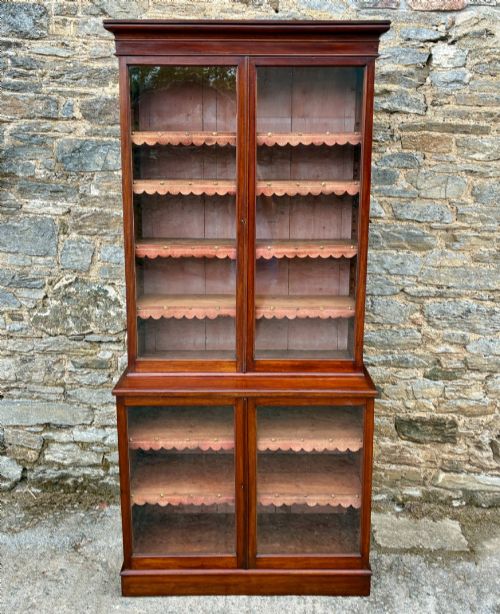
Cabinet makers utilised dense hardwoods like mahogany and oak to construct load-bearing frames capable of supporting heavy glass panels and shelves. Brass and bronze hardware, including brackets and locks, reinforced corners and added functional detail to counters and cabinets.
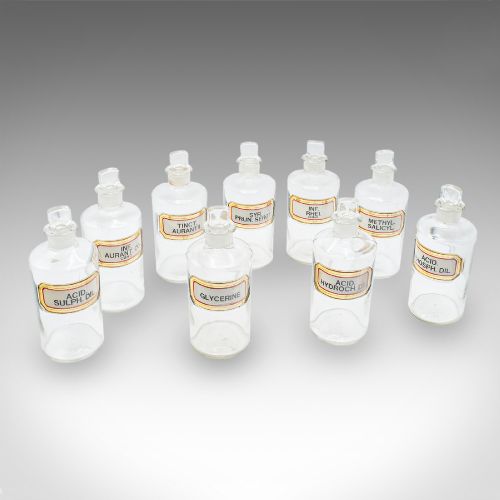
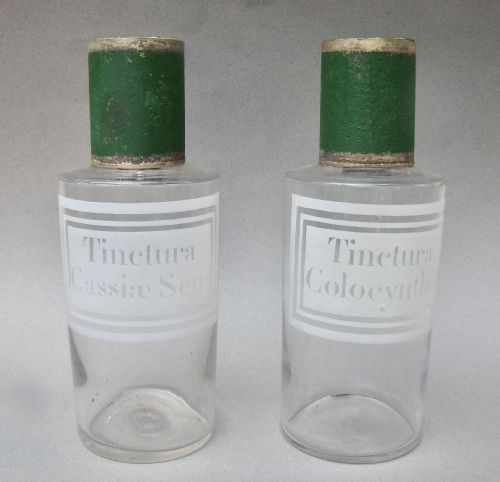
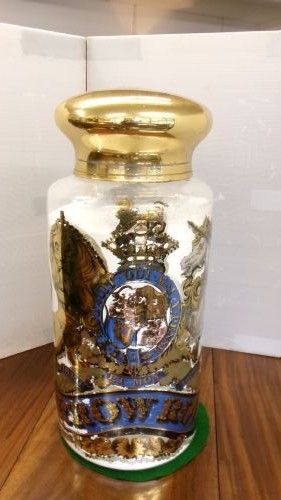
Glass production yielded thick plate panes for structural walls and curved bow glass for specialised frontages, often paired with mirrored interiors to amplify light. Apothecary jars and chemist containers utilised heavy-walled blown glass with fitted glass covers.
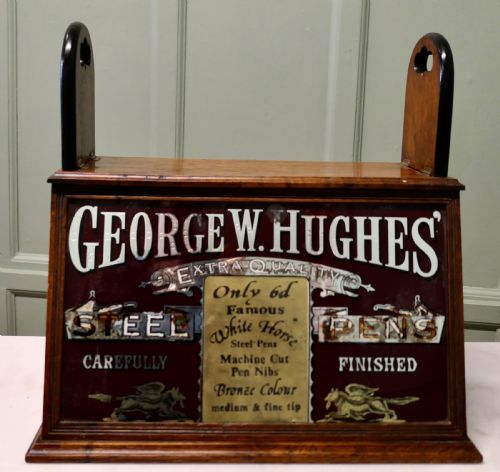
Surface treatments included ebonising, hand sign-writing, and polishing, whilst later 1930s examples incorporated chrome and aluminium frameworks. Joinery methods relied on sturdy tongue-and-groove and dovetail construction to withstand heavy daily commercial use.
What varies in quality
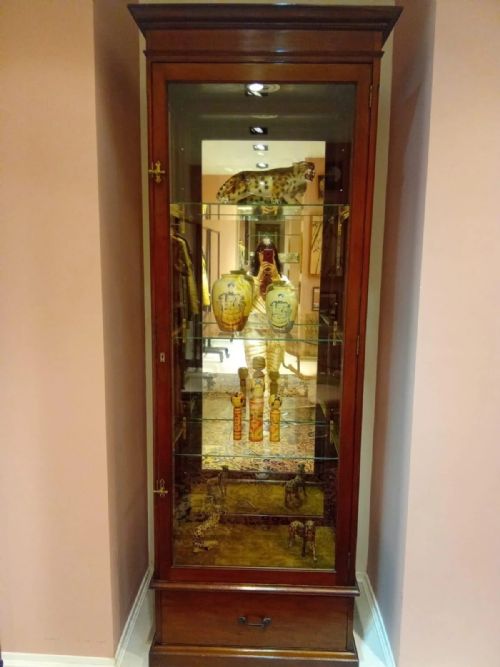
The caliber of a piece rests upon the integrity of its timber frame and the purity of its original glass panels. Cabinets retaining their adjustable glass shelves, functioning locks, and intact mirrored backs represent superior manufacturing standards.
Commercial provenance elevates certain examples, particularly those bearing the maker marks of established shopfitters or branded confectionery and pharmaceutical inscriptions. Subtle detailing, such as bow glass fronts, brass mounts, and inlaid mahogany, distinguishes bespoke retail furniture from standard utilitarian production.
Glass Shop Display Retail Price Guide 2026
Typical asking prices for glass shop display among the pieces listed under this phrase on Sellingantiques today, from the lower quarter to the upper quarter. They describe what is for sale here now, not the wider market.
Arrowroot and chocolate once filled the heavy glass jars that now sit quietly on modern sideboards.
F. Sage & Co.·Dudley & Co·John Stow Ltd
The Glass Shop Display Glossary
- Bow glass
- Curved glass panels utilised in shop counters and cabinet fronts to provide panoramic viewing angles. This technique required skilled glass-bending methods during the manufacturing process.
- Apothecary jar
- Large glass containers featuring fitted covers, originally utilised in pharmacies to store drugs or display medicinal herbs. They frequently bear etched lettering denoting specific contents.
- Haberdashery cabinet
- Multi-drawer retail furniture featuring glass panels designed to display small sewing goods and accessories. These units allowed customers to view contents without opening every drawer.
- Ebonised
- Timber treated with a dark stain or chemical finish to imitate ebony wood. This dark finish was popular in late nineteenth and early twentieth-century shop fittings.
- Countertop display case
- Portable glazed units placed on top of retail counters to protect small valuable items. They typically feature hinged rear doors for staff access.
Glass Shop Display: Frequently Asked Questions
What were glass shop display cabinets used for originally?
Merchants utilised these glazed cabinets and counters to protect high-value goods while keeping them entirely visible to browsing customers. Retailers of biscuits, chocolate, and pharmaceuticals relied on branded jars and specialised cases to market their products.
As retail displays evolved towards open shelving, these heavy timber and glass units were retired from high streets. Their robust construction made them ideal for safeguarding delicate wares from dust and handling.
How do I style a shop display cabinet at home?
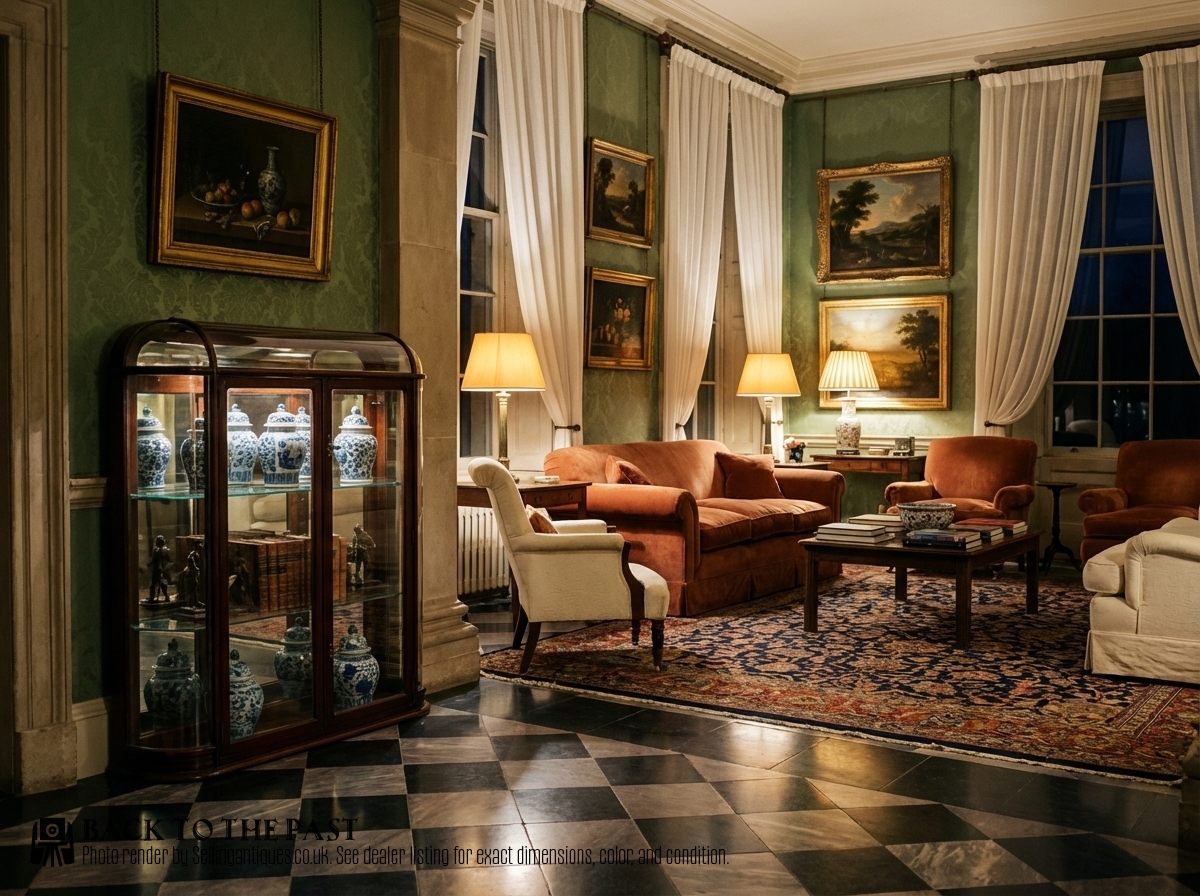
These tall cabinets and countertop cases suit living rooms or studies as dedicated display units for collections of ceramics, books, or curiosities. The internal glass shelving and mirrored backs distribute natural light effectively across stored items.
Positioning a freestanding cabinet away from direct sunlight protects vulnerable contents while maintaining clear sightlines. Smaller countertop models sit well upon sideboards or tables to anchor smaller collections.
How can I tell the difference between Victorian and 1930s display pieces?
Victorian and Edwardian examples typically feature solid mahogany or oak frames, often with ornate detailing, inlaid woodwork, and heavy brass hardware. The proportions tend to be substantial, favouring deep timber mouldings and traditional joinery.
Pieces from the 1930s introduce industrial materials such as chromium, aluminium, and ebonised finishes alongside cleaner, geometric lines. These later units reflect a shift towards streamlined commercial environments with less decorative carving.
Are apothecary jars difficult to maintain?
Heavy-walled apothecary jars require gentle cleaning with warm water and soft cloths to preserve etched or painted lettering. The fitted glass covers lift off easily for internal dusting.
Placement should avoid areas susceptible to vibration or accidental knocks due to the heavy nature of the antique glass. Stable surfaces ensure these large containers remain secure.