




1920s Glass Showcase
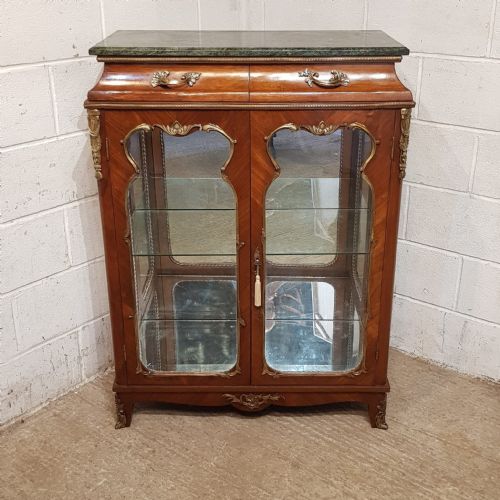
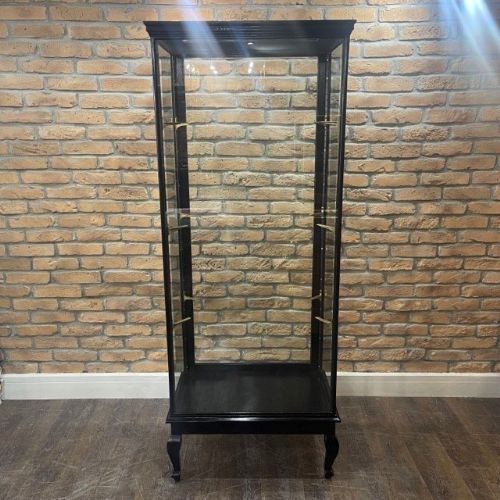
A 1920s glass showcase brings period shopcraft directly into a room, offering clear display space built with brass and mahogany.
1920s Glass Showcase
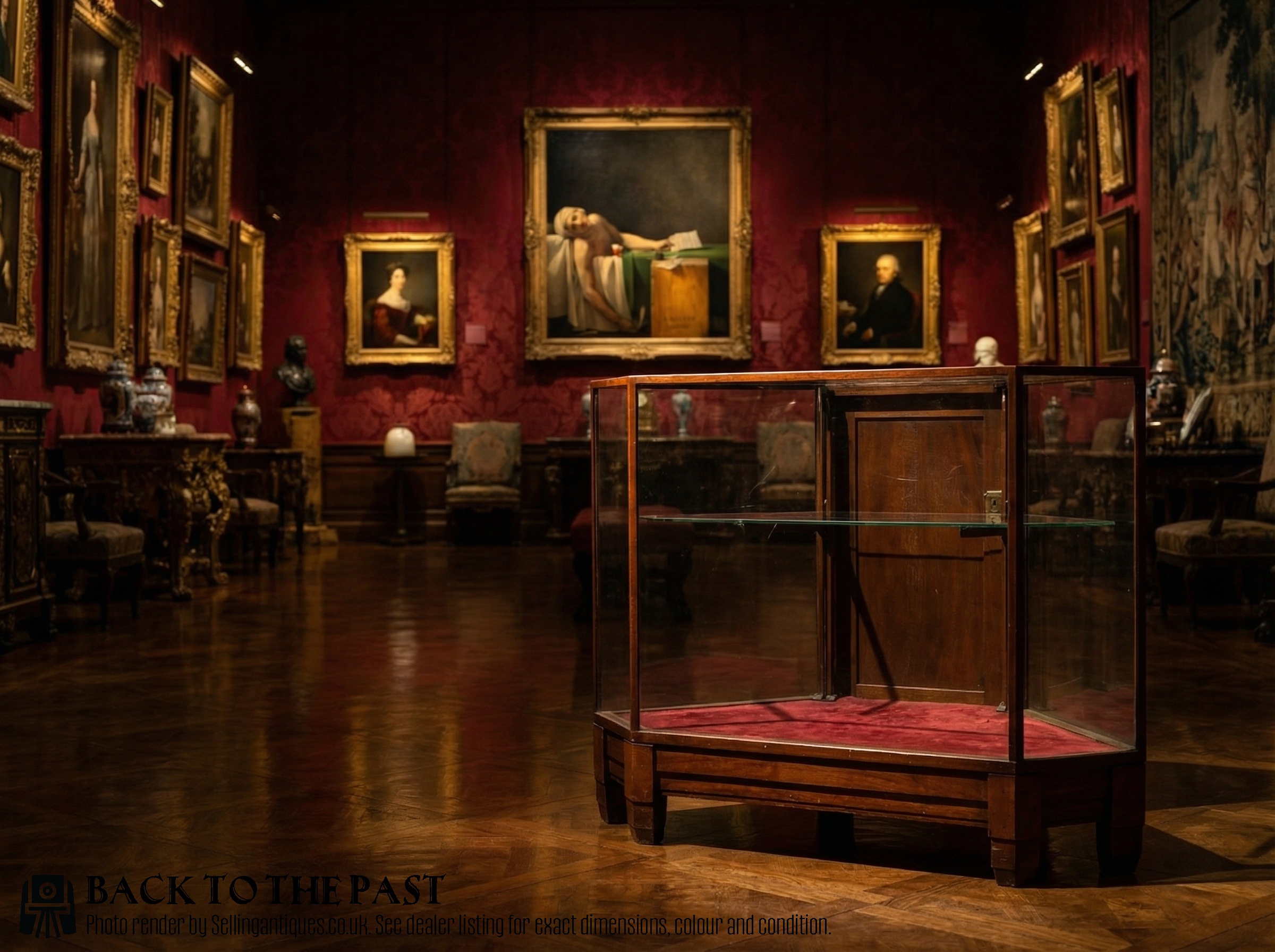
A 1920s glass showcase covers a range of commercial display furniture designed for retail trade and domestic use. When searching for a 1920s glass showcase, buyers encounter freestanding tower cabinets, pentagonal display counters, and compact tabletop cases intended to protect and exhibit objects.
The pieces on this page span the 1920 period, Edwardian era, and 1930. Stylistic influences include Art Deco and Louis XV Revival, alongside standard commercial shop fittings from the early twentieth century.
Most examples function as display cabinets, display counters, or display cases. These items originate from commercial shop interiors and specialised retail environments.
What varies in quality
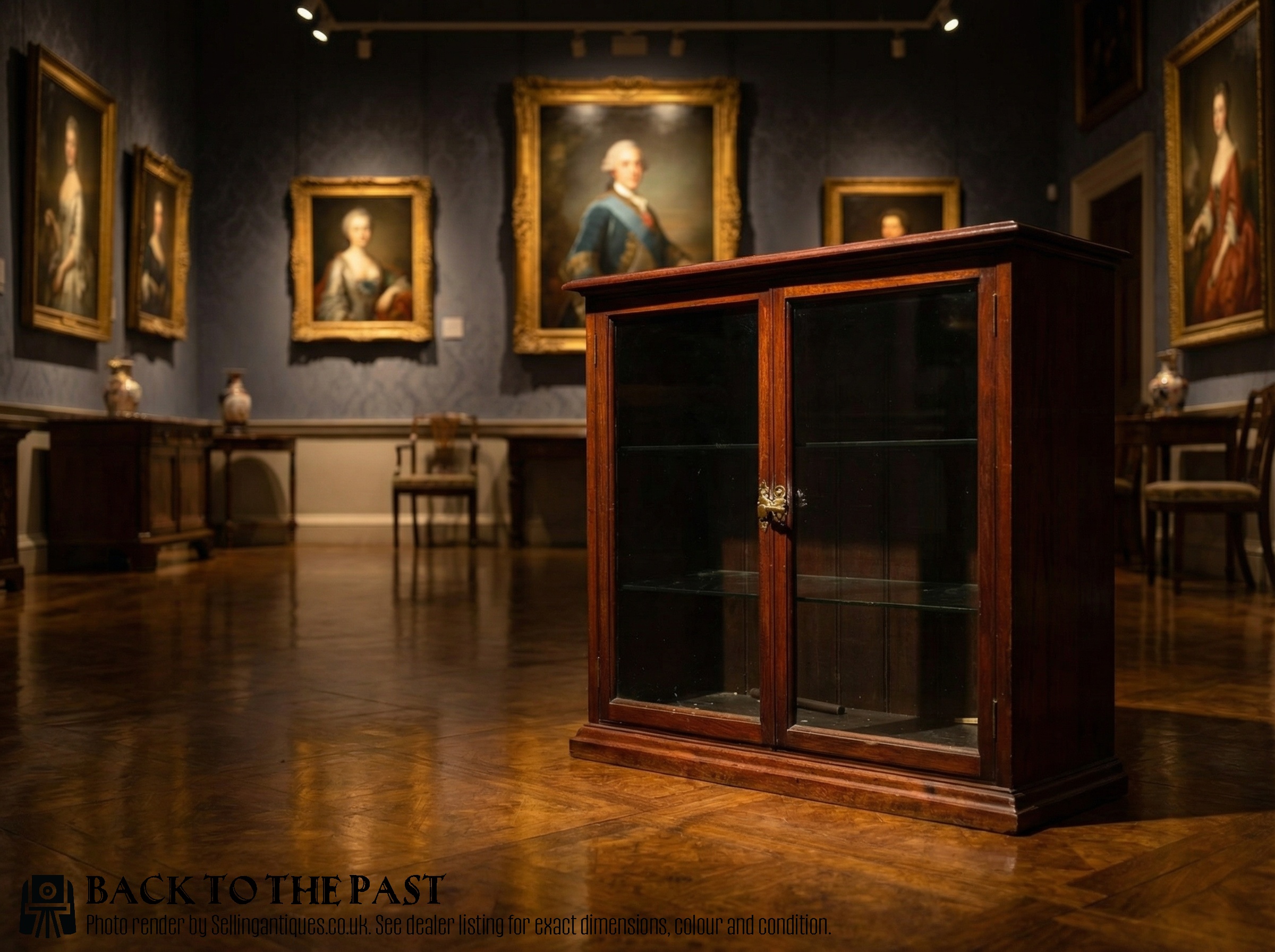
Quality in a 1920s glass showcase is visible in the selection of timber and the precision of the metal mounts. Finer cabinets employ solid walnut or mahogany with crisp gilt metal or brass detailing rather than simpler stained woods.
The integration of specialised shopfitting hardware, such as branded maker badges and well-engineered sliding or hinged glass doors, distinguishes standard commercial pieces from bespoke retail furniture.
Listings feature materials including glass, brass, mahogany, ebonised wood, velvet, walnut, marble, and gilt metal across the 1920, Edwardian, and 1930 periods.
F. Sage & Co.·Pollards·Siegel
The 1920s Glass Showcase Glossary
- Vitrine
- A glass display cabinet used primarily for showing porcelain, curiosities, or decorative objects. These often feature glazed sides and doors to allow light to enter from multiple angles.
- Countertop display cabinet
- A smaller glazed case designed to sit upon a shop counter or table. These units placed small goods at eye level for customers.
- Tower cabinet
- A tall, vertical display case with glass panels on several sides. This form makes efficient use of floor space while providing high-visibility storage.
- Ebonised wood
- Timber treated with a dark finish to imitate ebony. This technique creates a dense, black surface popular in period cabinetmaking.
- Gilt metal
- Metal coated with a thin layer of gold-coloured finish or paint. It provides decorative trim around glass panels and structural joints.
1920s Glass Showcase: Frequently Asked Questions
Where were these display cabinets used?
These cabinets served primarily in early twentieth-century shops, pharmacies, and commercial showrooms to display merchandise securely. Retailers utilised countertop cases and serving counters to present small goods to customers.
Over time, many of these commercial fittings transitioned into domestic interiors for collecting and displaying personal items.
How do I clean the glass and wood?
Maintenance requires mild glass cleaner applied to a cloth rather than directly onto the glass, preventing liquid from seeping into timber frames. Wood surfaces benefit from occasional dusting and suitable wax polish to preserve the finish.
Harsh chemical abrasives should be avoided to protect both the original timber patina and any brass or gilt metal mounts.
Are the shelves adjustable?
Many freestanding tower cabinets and larger vitrines feature removable or adjustable glass shelving supported by internal brackets. Tabletop cases and smaller countertop units often have fixed internal layouts due to their compact dimensions.
Checking the internal construction confirms whether the shelf heights can be altered for specific display needs.
How do I distinguish Art Deco from earlier styles here?
Art Deco examples feature geometric lines, stylised motifs, and occasional influences from 1930 design trends. Earlier pieces from the Edwardian period or 1920 lean towards traditional revival styles such as Louis XV Revival or standard commercial utility.
Leg design often signals the transition, with some cabinets standing on distinct Art Deco style supports.