
Standing Glass Vitrine
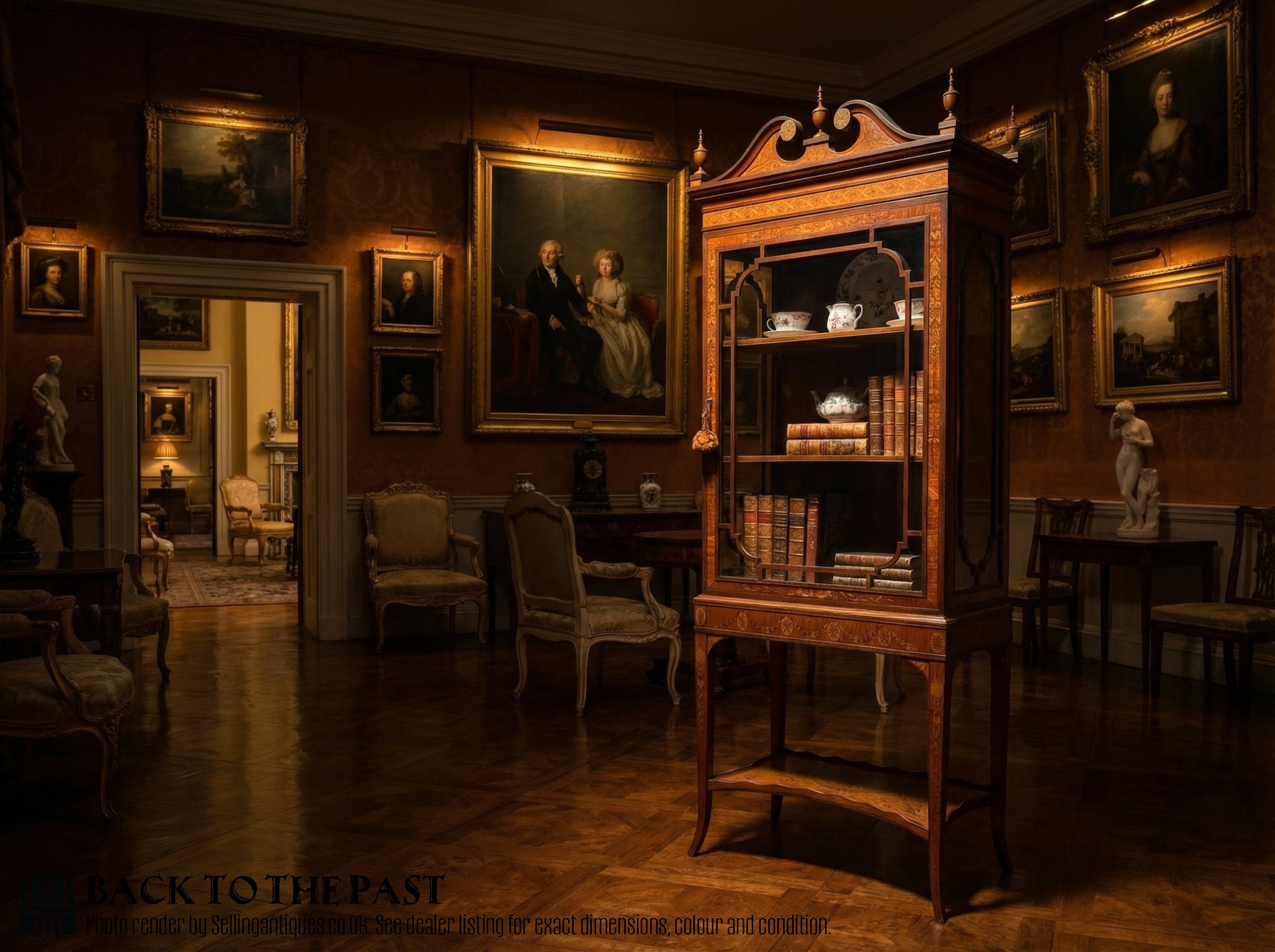
A standing glass vitrine protects your collection behind clear panes while drawing light through the room.
Standing Glass Vitrine
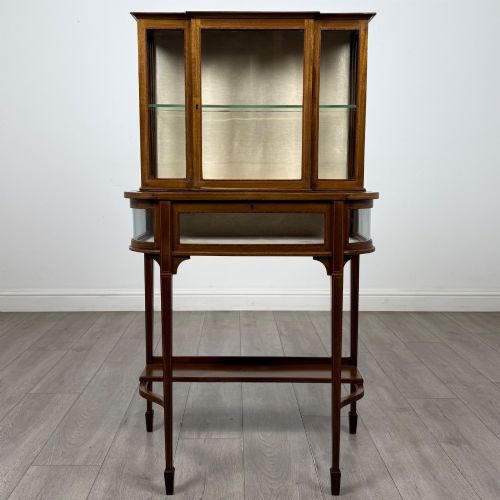
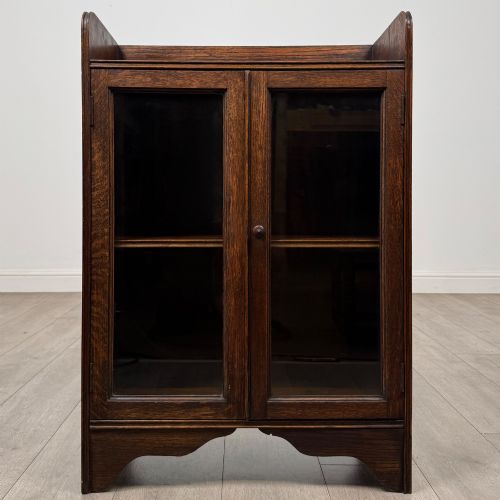
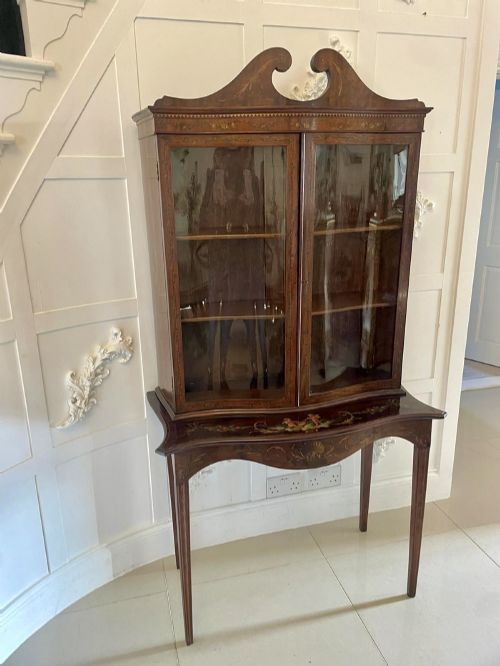
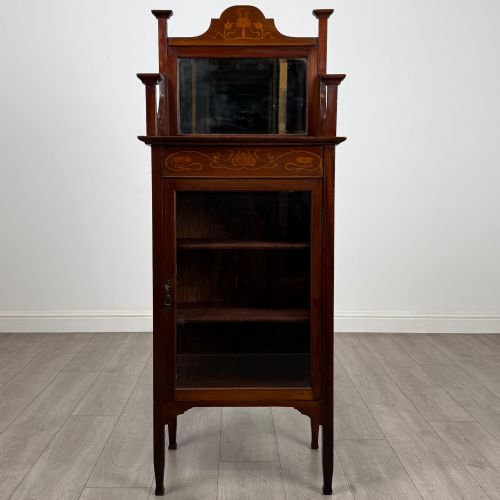
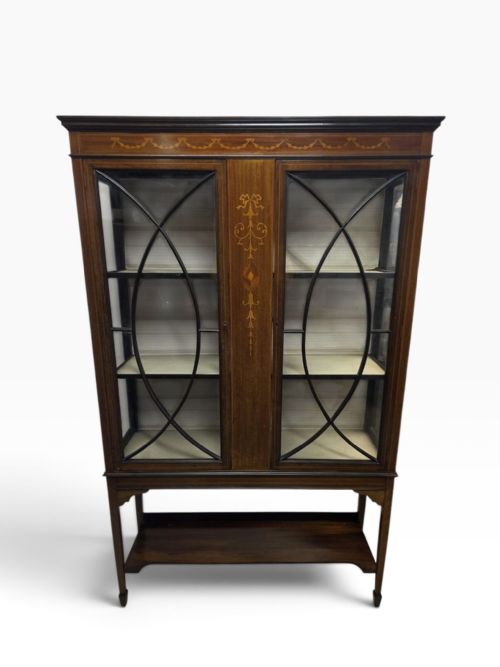
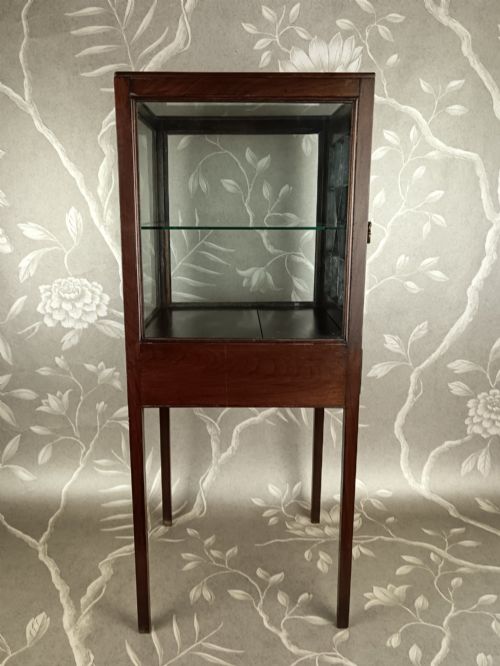
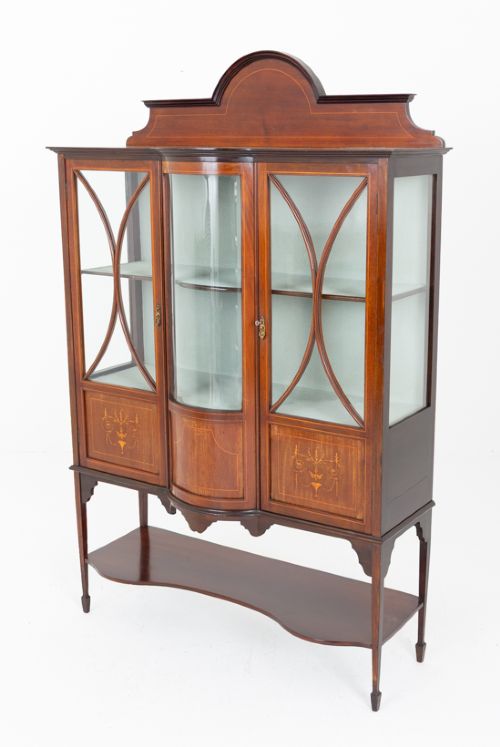
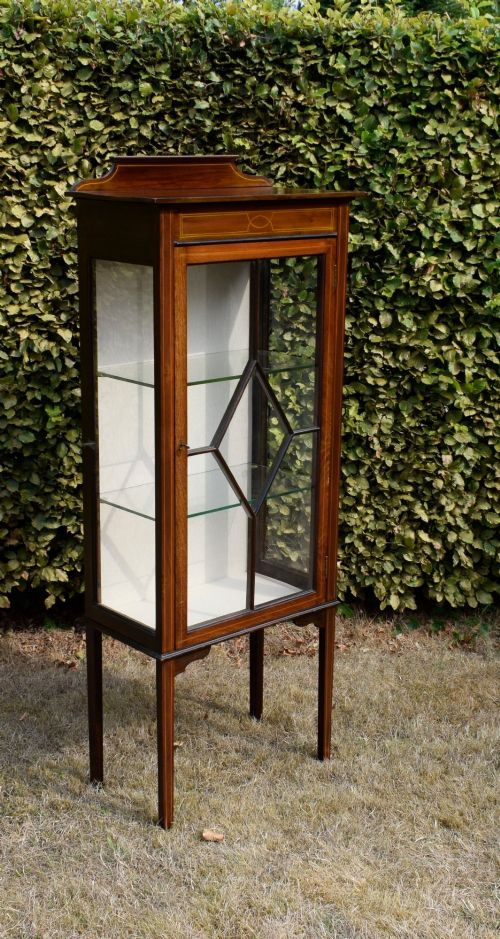
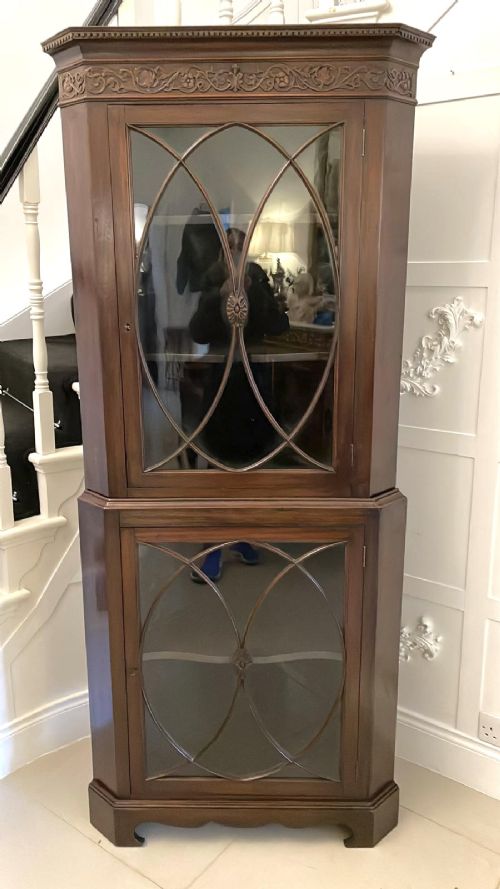
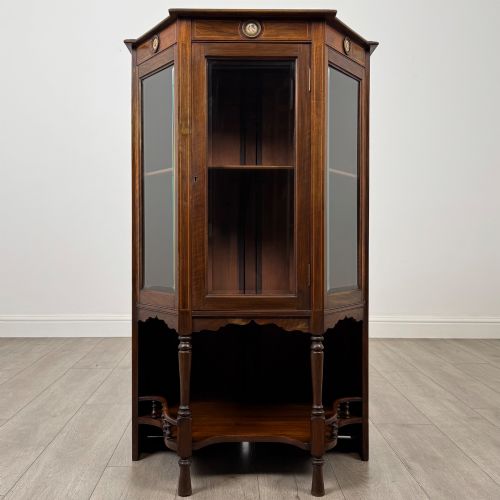
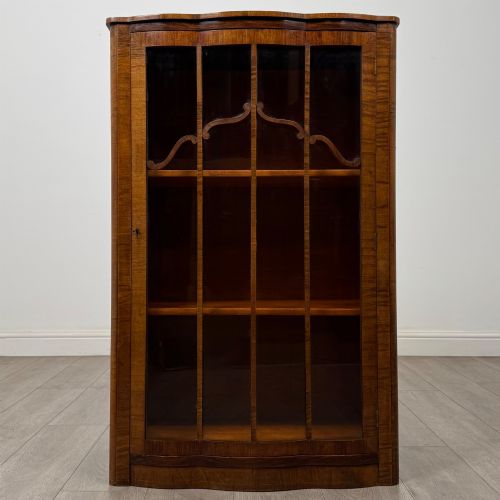
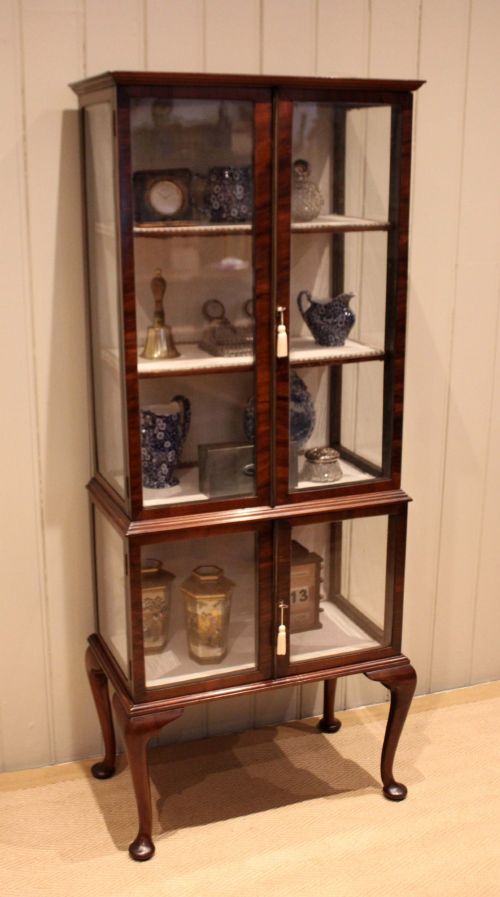
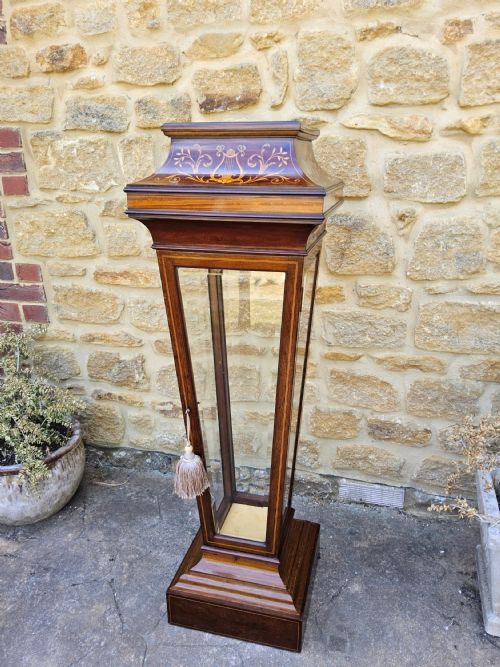
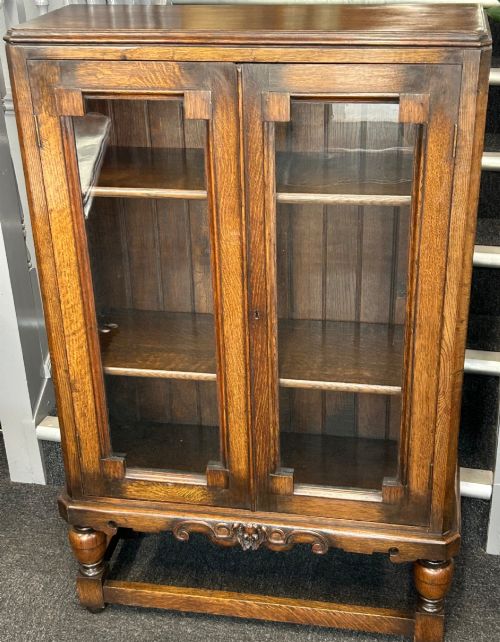
A standing glass vitrine is a piece of furniture built to display objects, appearing most frequently on this page in Edwardian and nineteenth-century forms. These cabinets range from tall mahogany uprights to corner cupboards and pedestal variants designed to occupy floor space efficiently.
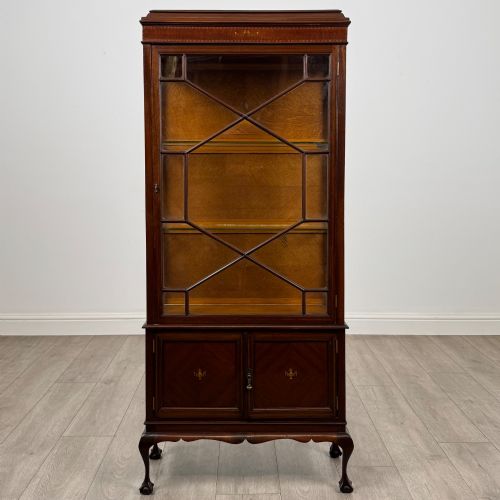
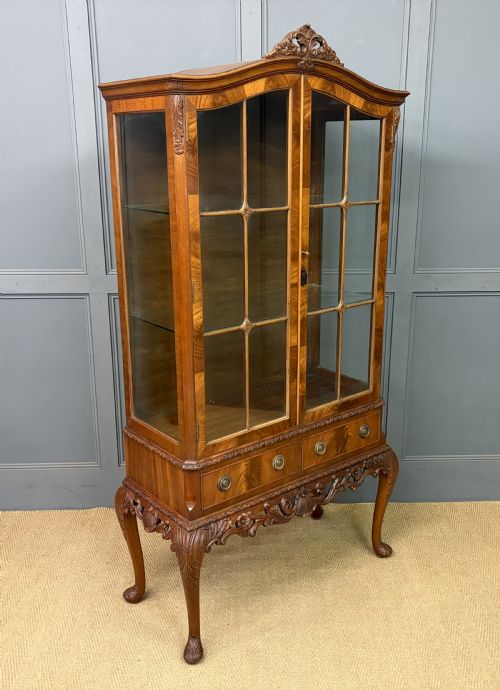
Makers drew on Georgian, Sheraton Revival, and Chinoiserie styles, incorporating glass doors and side panels to showcase contents from multiple angles. You will encounter straightforward timber glazed cases alongside elaborate inlaid examples.
The primary function remains the exhibition of porcelain, glassware, or small treasures, elevating domestic display into a formal decorative art.
Materials and Construction
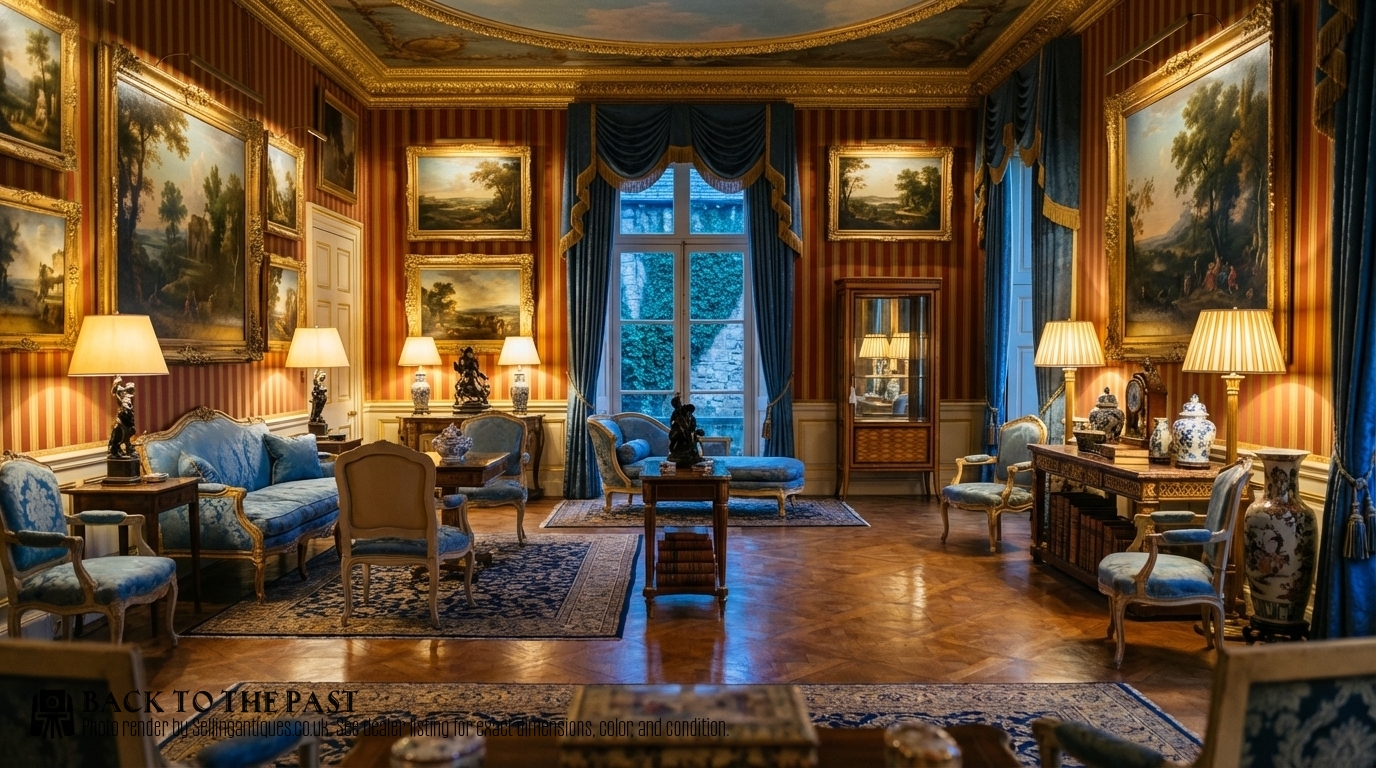
Makers relied heavily on mahogany, oak, and walnut, often applying satinwood inlay or brass mounts to accentuate the structural lines of the cabinet. Glazing bars hold the glass panes securely within timber frames, while fabric linings sometimes provide a contrasting backdrop behind the shelves.
Pine and giltwood also appear among the listed pieces, showing a range of workshop traditions from simple country pine to ornate French styles with painted panels.
Standing Glass Vitrine Retail Price Guide 2026
Typical asking prices for standing glass vitrine among the pieces listed under this phrase on Sellingantiques today, from the lower quarter to the upper quarter. They describe what is for sale here now, not the wider market.
Mahogany and oak dominate the timber selections across these listings, accompanied by satinwood inlay and brass.
Quality and Execution
The standard of a standing glass vitrine rests on the crispness of its carving, the precision of its satinwood inlay, and the retention of original painted decoration or glass. Superior pieces demonstrate careful timber selection, such as figured walnut or richly grained mahogany, matched across the doors and panels.
Construction details like tight joints in the glazing framework and sound structural integrity separate standard utility cabinets from finer workshop productions.

Maple & Co.·Edwards & Roberts
The Standing Glass Vitrine Glossary
- Vitrine
- A glass-fronted cabinet designed specifically for displaying fine objects or curiosities. These pieces often feature glazed sides to maximise light exposure on the shelves within.
- Astragal glazed
- A method of framing window or cabinet glass using slender wooden mouldings called astragals. This technique creates a geometric grid pattern across the door.
- Bijouterie cabinet
- A specialised display case with a glass top and shallow interior designed for holding jewellery, medals, or small ornaments. They frequently stand on slender legs.
- Satinwood inlay
- Ornamental woodwork created by fitting contrasting light-colored satinwood veneers into recesses cut into a darker primary timber like mahogany.
- Chinoiserie
- A decorative style reflecting European interpretations of Chinese artistic traditions, often featuring painted motifs, lacquering, or intricate carved wood details.
Standing Glass Vitrine: Frequently Asked Questions
How do I clean the inside of a standing glass vitrine?
Use a soft lint-free cloth and a mild glass cleaner sprayed onto the cloth rather than directly onto the glass. This prevents moisture from seeping into the wooden frames or damaging fabric linings.
Take care around delicate inlay or painted decorations, keeping abrasive chemicals away from all antique timber surfaces.
Can these cabinets support heavy porcelain collections?
Most standard standing glass vitrines handle normal quantities of glassware and ceramics safely on their fitted wooden or glass shelves. Heavy items should be distributed evenly to avoid placing excessive strain on shelf supports.
Heavier storage needs are better met by robust bookcases rather than delicate display pieces.
Where should I place a vitrine in my room?
Position the cabinet away from direct sunlight to protect interior fabrics and stored objects from fading over time. Placing the vitrine near a natural light source helps illuminate the glass panels and contents effectively.
Ensure the floor surface is level so the doors hang true and open without binding against the frame.
What is the difference between a vitrine and a bookcase?
A vitrine prioritises display through glass panels on both the front and sides, whereas bookcases traditionally feature solid wooden sides with front-facing glass doors. Vitrines are engineered to let light pass through the entire cabinet.
Bookcases generally offer deeper shelving suited for heavy volumes rather than decorative objects.