


Velvet Lined Display Case
These velvet lined display case examples combine glass and rich wood to hold treasures securely.
Velvet Lined Display Case
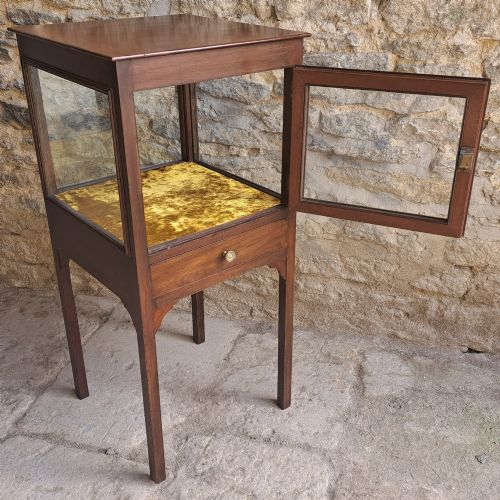
When you search for a velvet lined display case, you are looking at furniture designed to protect and exhibit valuables behind glass. These pieces range from upright pier cabinets to low display tables and specialised key cupboards.
The versions you are most likely to meet on this page hail from the Victorian and Georgian eras, often rendered in walnut, mahogany, or cedar. Their interiors use fabric lining to cushion delicate objects while the exterior showcases period woodwork.
Form follows function across these items, with glazed doors providing clear views into enclosed spaces. Makers from the eighteenth century onward adapted these cabinets for everything from books to bijouterie.
How they were made
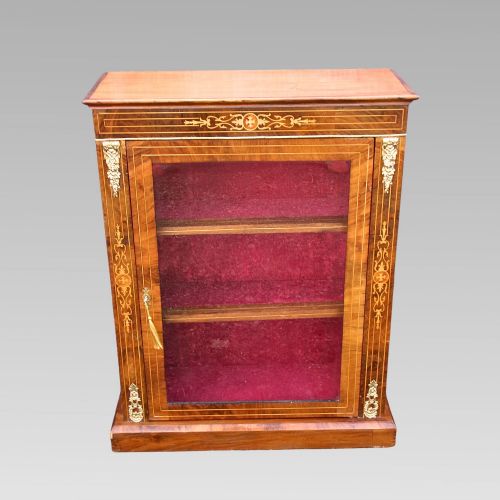
Cabinet makers constructed these pieces using dense hardwoods like mahogany and walnut, frequently applying fine veneers over secondary timbers. Selected examples feature intricate marquetry inlay and contrasting wood banding to frame the glazed doors.
Metal components played a structural and decorative role, with brass hinges and cast ormolu mounts securing the doors and accentuating the timber. Interiors received a soft fabric or velvet lining applied directly to the display surfaces.
The current selection spans the eighteenth and nineteenth centuries, featuring periods such as the Georgian and Regency alongside the Victorian era.
What varies in quality
The distinction between standard examples and superior pieces rests on the choice of timber and the precision of the cabinet work. Figured walnut veneer and tulipwood banding indicate a higher grade of manufacture than plain surfaces.
Decorative hardware further separates the tiers of quality, where chased ormolu mounts and careful inlay elevate the visual weight of the cabinet. The integration of the glazed panels into the timber frame demands high joinery skills.
The Velvet Lined Display Case Glossary
- Pier Cabinet
- A low upright cabinet designed to sit against the wall space between windows. These pieces often feature glazed doors and decorative mounts suitable for displaying collectibles.
- Bijouterie Cabinet
- A glazed tabletop or cabinet intended for small trinkets and jewellery. The interior velvet lining cushions these delicate items.
- Ormolu
- Gilded bronze used for decorative mounts on furniture. It adds metallic contrast to the dark timber surfaces.
- Veneer
- A thin layer of choice wood applied to a base timber. This technique creates patterned grain effects across the furniture face.
- Inlay
- Contrasting materials set into the surface of the wood to form decorative patterns. Craftsmen utilised this method to embellish cabinet doors.
Velvet Lined Display Case: Frequently Asked Questions
What is a pier cabinet?
A pier cabinet is a narrow, upright piece of furniture made to fit the wall space between windows. These cabinets typically feature glass doors and internal shelving to exhibit decorative objects.
Craftsmen during the Victorian period produced many variations of this form using walnut and exotic timber veneers. They serve well in modern rooms for displaying small collections without taking up excessive floor space.
How do I care for the fabric lining?
The interior fabric requires gentle vacuuming with a soft brush attachment to remove dust. Keep the timber out of direct sunlight to prevent fading on both the wood and the lining.
Applying appropriate furniture wax to the exterior frame preserves the finish while leaving the interior materials untouched. Regular air circulation inside the cabinet prevents dampness from affecting the fabric.
Are these cabinets suitable for books?
Certain variations function as glazed bookcases alongside their primary display purpose. The adjustable shelving found in many period examples accommodates volumes of varying heights.
Enclosed glass doors protect paper and bindings from dust and environmental wear. Ensure the shelf depth matches your book sizes before placing them inside.
How do I date a Victorian piece?
Dating relies on observing construction methods, timber choices, and prevailing stylistic markers. Mid-century examples often display figured walnut veneers combined with marquetry and ormolu mounts.
Later Victorian items may incorporate ebonised details or different revival styles. Examining the interior construction and timber joints provides further clues to the manufacturing decade.