
Small Display Cabinet
A small antique display cabinet brings refined glass-fronted storage into domestic rooms, holding treasured collections while occupying minimal floor space.
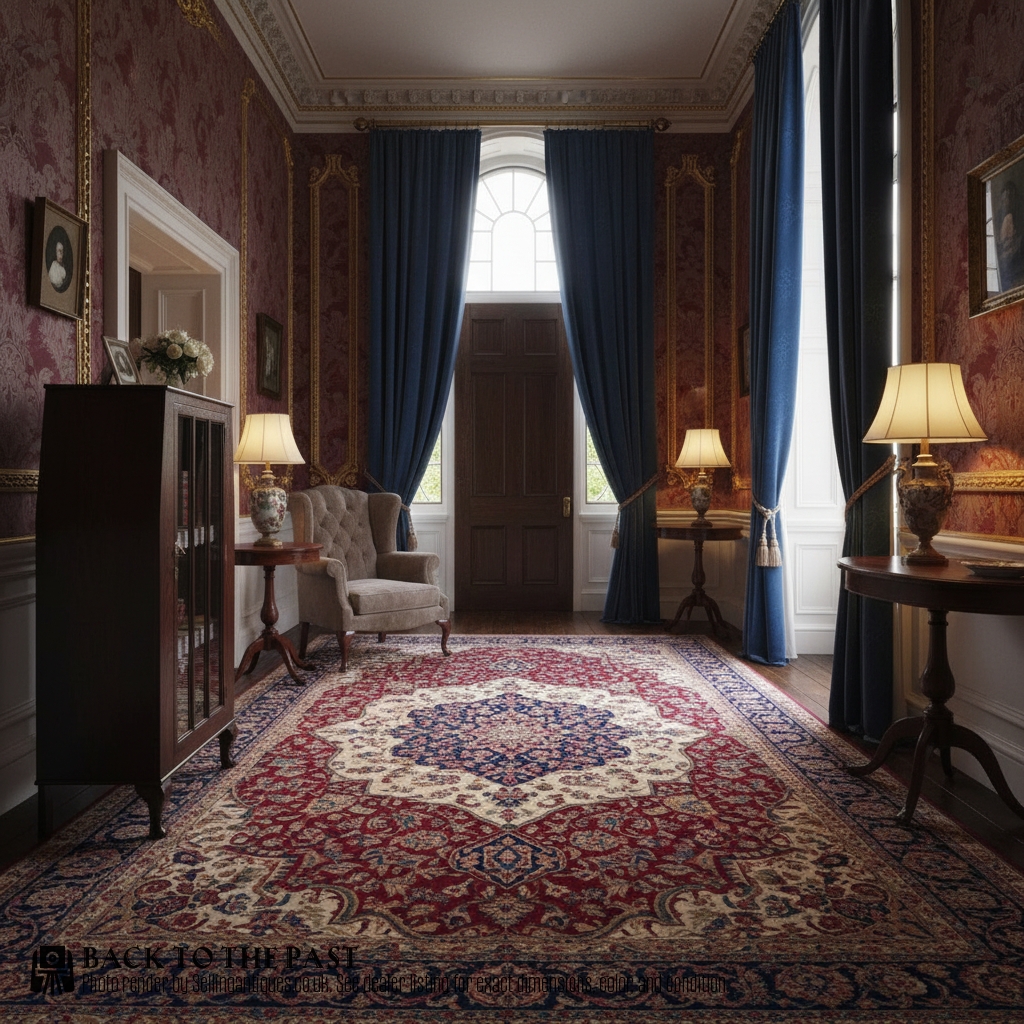
Small Antique Display Cabinets
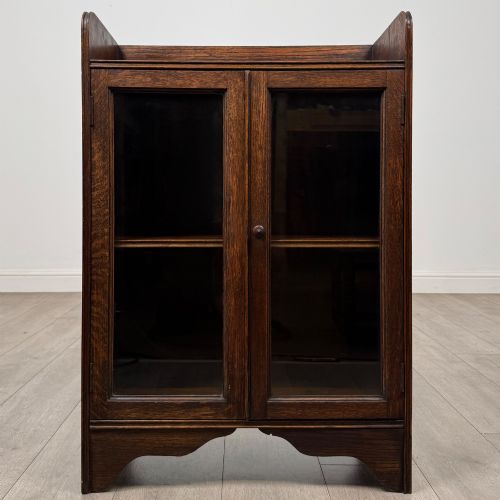
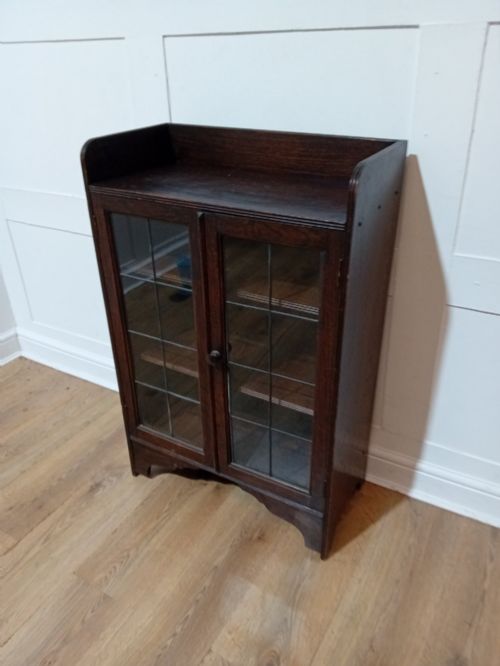
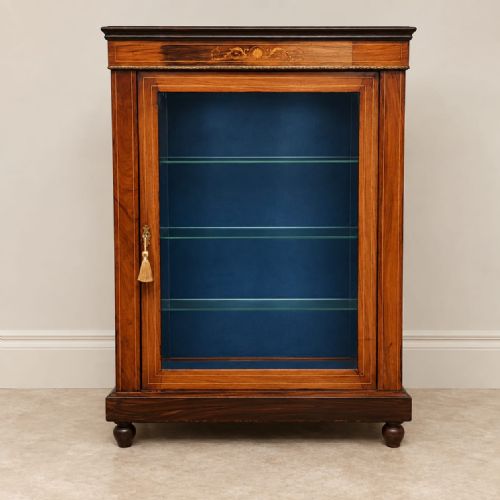
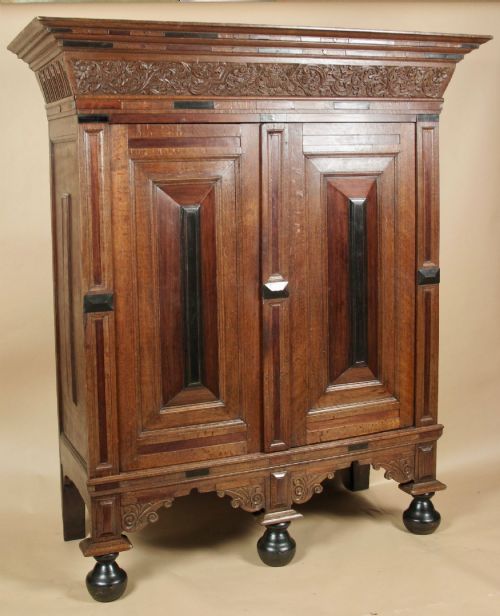
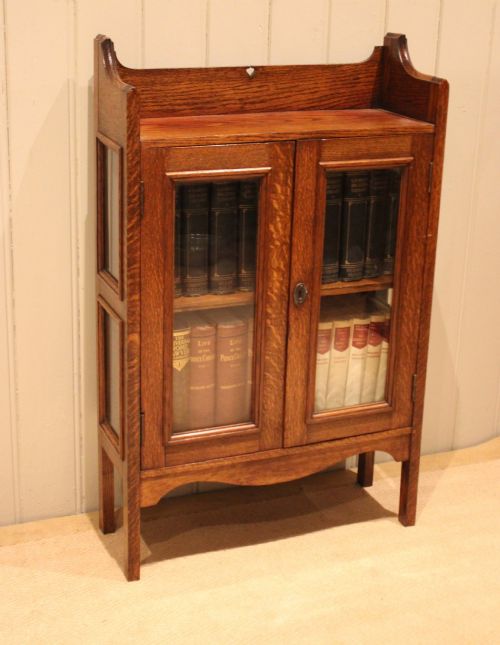
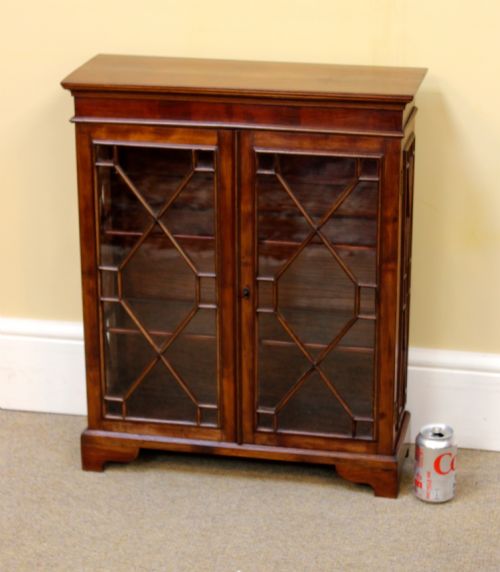
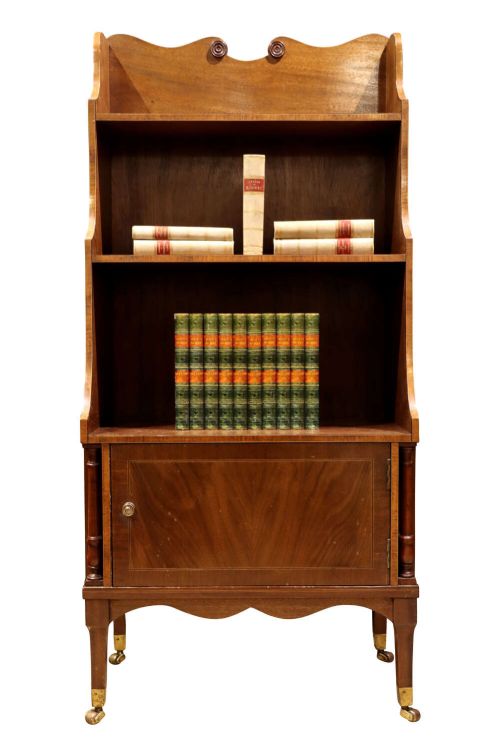
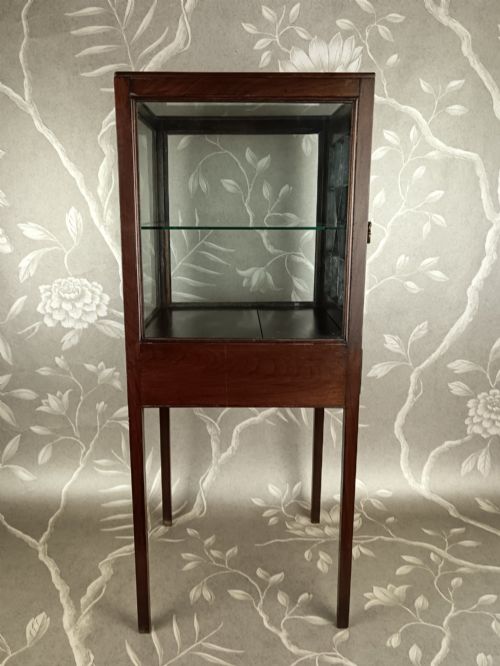
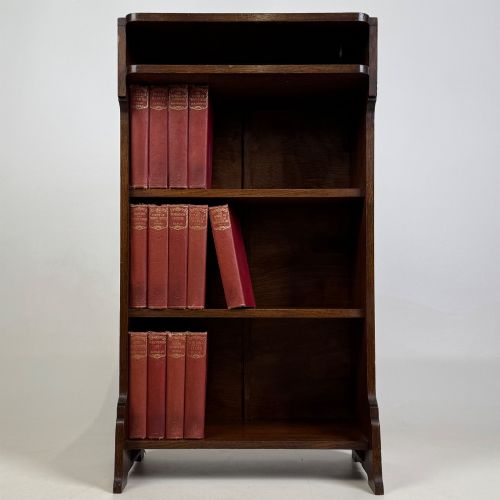
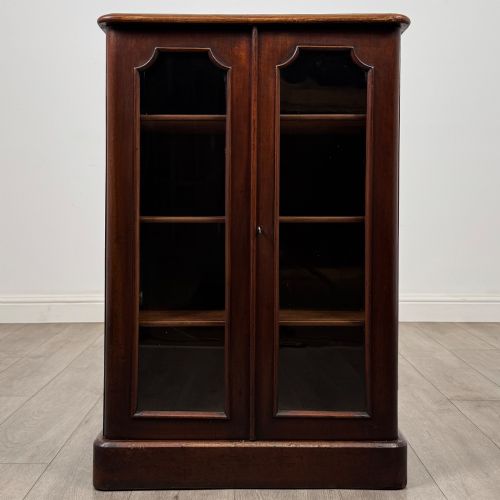
A small antique display cabinet is designed to showcase porcelain, books or curiosities within a compact footprint. Pieces carrying this description appear across the nineteenth and twentieth centuries, spanning Edwardian, Victorian, Regency and Arts and Crafts styles.
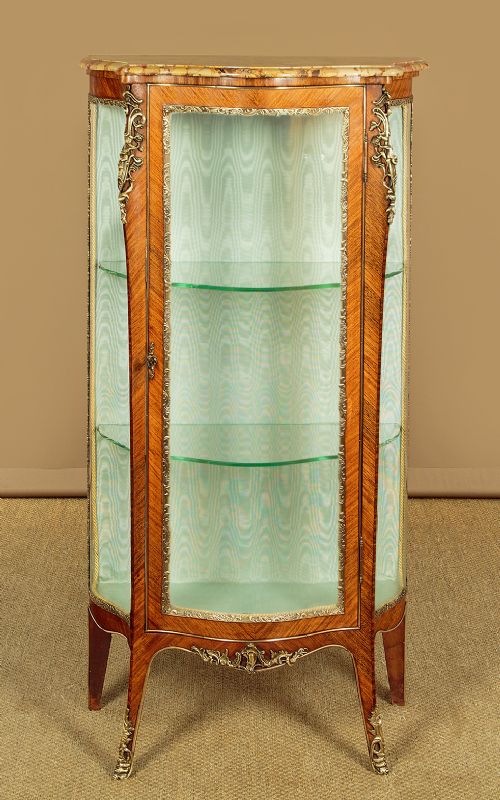
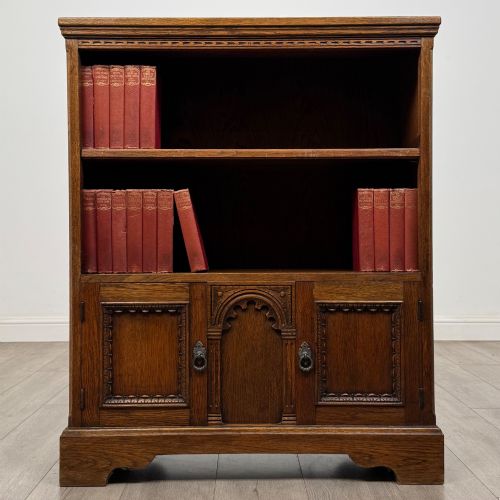
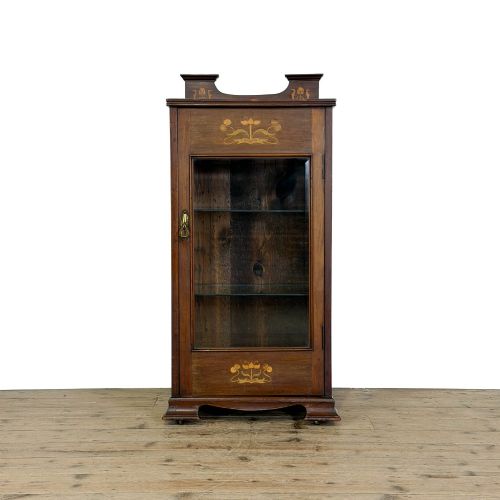
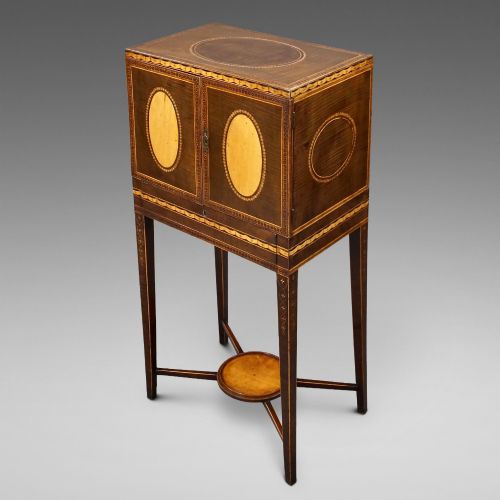
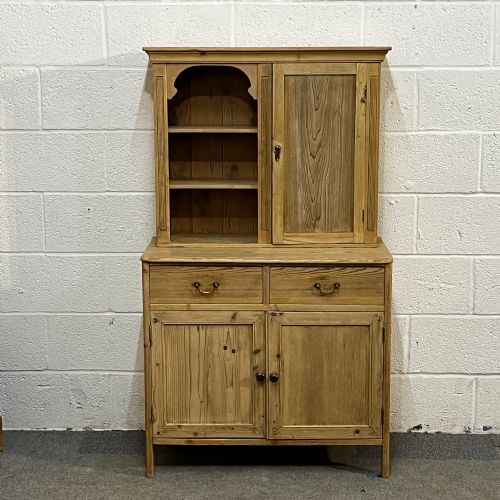
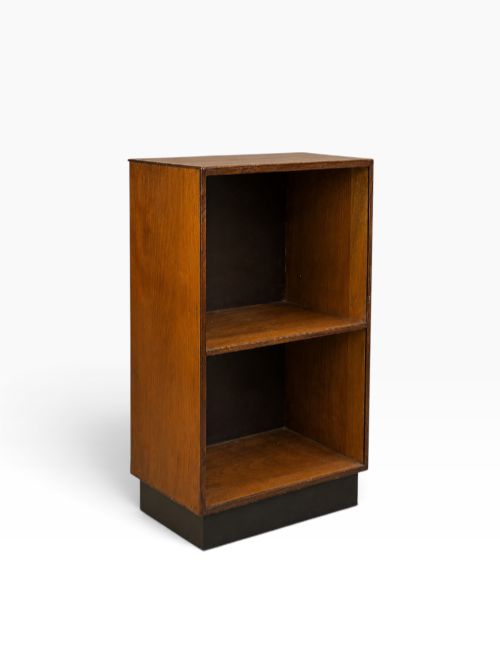
The selection typically includes pier cabinets, cabinets on stand, upright bookcases and music cupboards. Walnut, mahogany and oak dominate the forms, frequently embellished with glazing and deliberate inlay.
Makers adapted these cabinets for varied domestic interiors, ranging from tall narrow pedestals to low side cupboards. This variety ensures buyers find suitable proportions for both drawing rooms and studies.
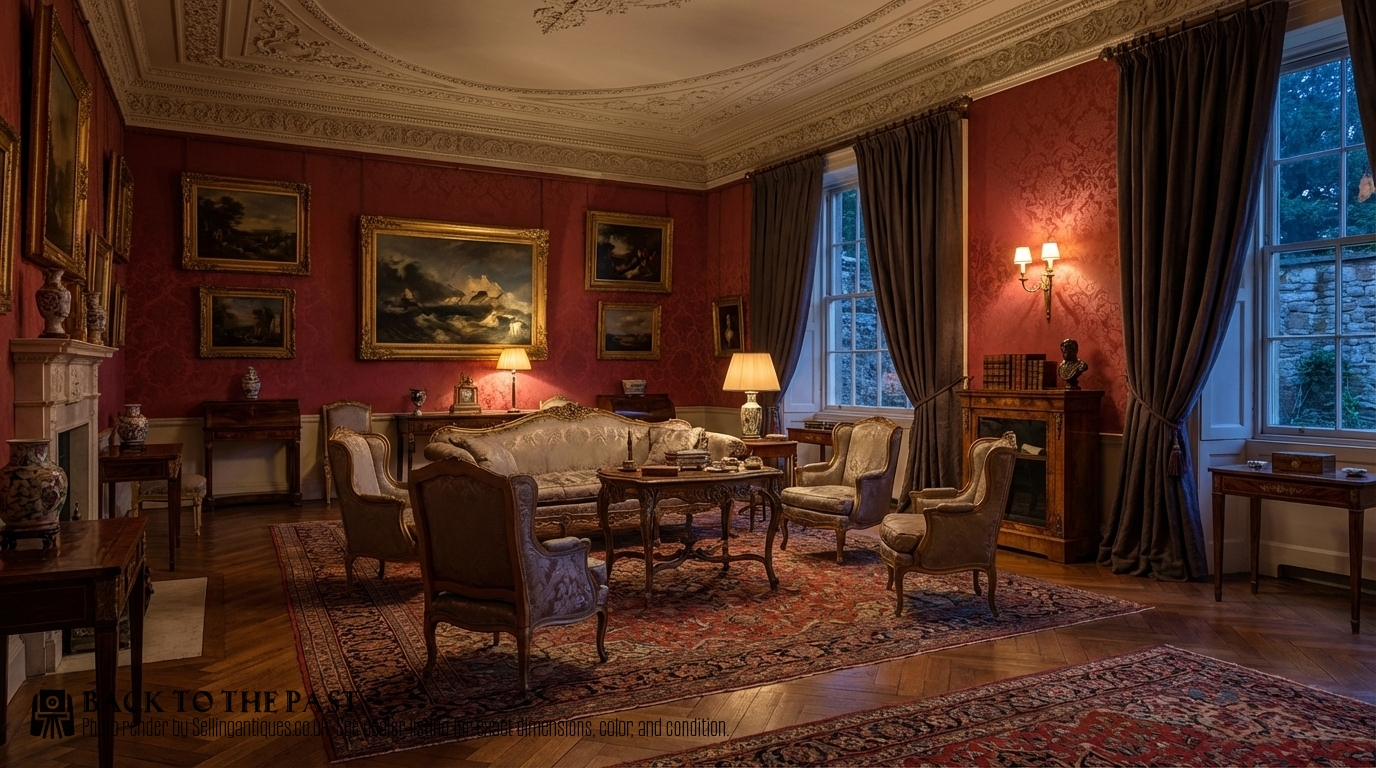
Materials and Construction
Cabinet makers utilised dense timber carcases of mahogany, walnut, oak and satinwood, often selecting burr walnut veneers for rich surface figuring. Brass mounts, boxwood lines and delicate marquetry inlay decorate the exterior panels.
Glazing forms the primary visual element, requiring slender timber or metal framing to hold panes of glass securely. Shelving inside these cabinets is frequently adjustable to accommodate varied collections.
Retail Price Guide 2026
Typical UK retail prices for small display cabinet, calculated from the Sellingantiques database of over a million retail prices indexed since 2003. This retail price guide relies exclusively on Sellingantiques data; no external sources or auction records are used, so the figures do not describe the wider market.
Some Victorian collectors stored sheet music or smoking pipes inside these neat glass-fronted compartments.
Quality Variations
Superior examples distinguish themselves through the precision of their marquetry work and the careful matching of wood veneers across doors and panels. High-grade cabinet making shows in tight joinery, original brass hardware and refined proportions.
Edwards and Roberts
The Small Display Cabinet Glossary
- Pier cabinet
- A low cabinet designed to stand against the narrow wall space between windows. These pieces often feature glass doors and elaborate marquetry.
- Marquetry
- Decorative veneer work arranged in pictorial or geometric patterns using various coloured woods. It requires skilled cutting and fitting.
- Ormolu
- Gilt bronze mounts applied to furniture for decorative accent. This technique adds metallic highlights to the timber carcase.
- Bijouterie
- A glass-topped table or cabinet designed specifically for displaying small valuable items or jewellery. These items lift contents to eye level.
- Serpentine
- A curved shape that undulates outward then inward, typical of high-status eighteenth and nineteenth-century case furniture. This contour demands advanced woodworking skill.
Frequently Asked Questions
What were small antique display cabinets used for?
These cabinets served to display prized possessions such as ceramics, glassware and books while protecting them from household dust. Their compact sizes allowed them to fit into tighter spaces where larger bookcases could not go.
Over time, specific forms evolved for music sheets, smoking pipes or jewellery collections. Today they continue this traditional role of visible storage.
Where should I place a display cabinet at home?
These cabinets suit reception rooms, studies or hallways where floor space is limited. Their glass doors allow natural light to reflect across interiors, brightening darker corners.
Placing them away from direct sunlight protects vulnerable timber veneers and sensitive interior objects from fading. Position them securely against flat walls to ensure stability.
Are shelves in antique display cabinets adjustable?
Many better-quality cabinets feature adjustable shelving systems to accommodate objects of varying heights. These mechanisms often utilise wooden support racks or brass track fittings.
Simpler or older cupboards may have fixed shelves pinned directly into the carcase sides. Checking the interior configuration confirms what size items the cabinet can hold.