
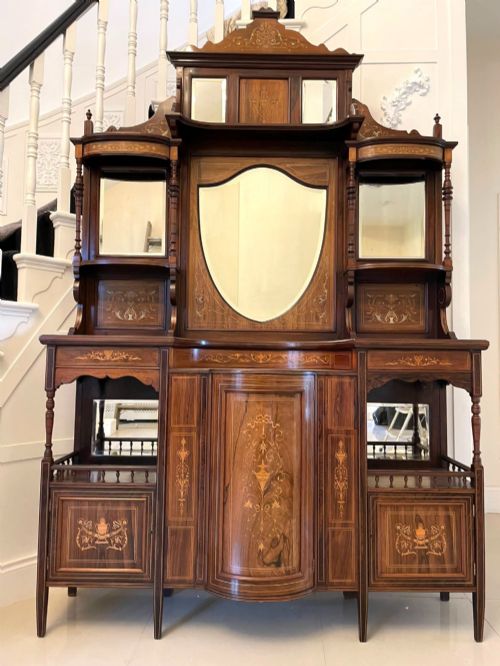
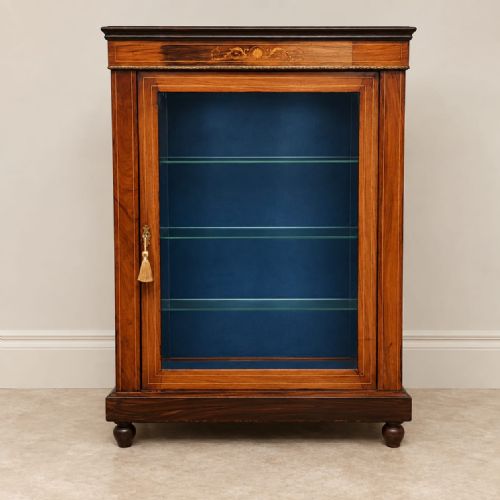
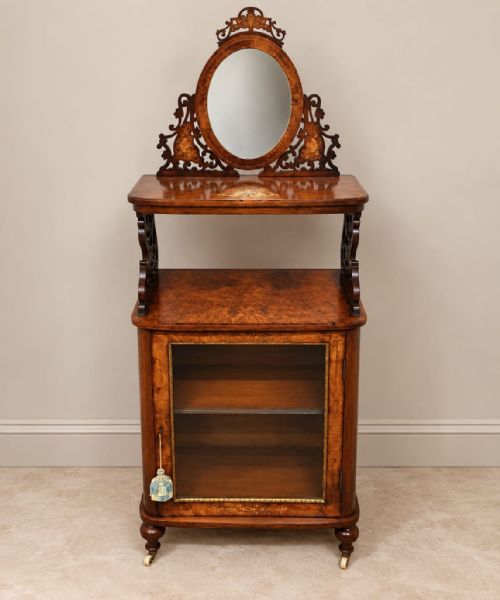
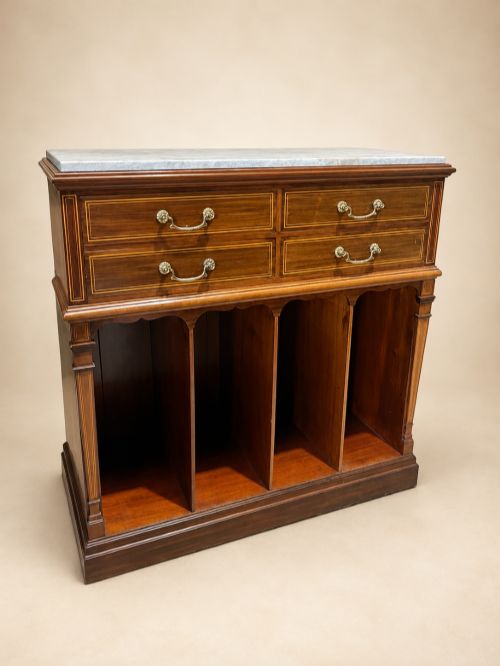
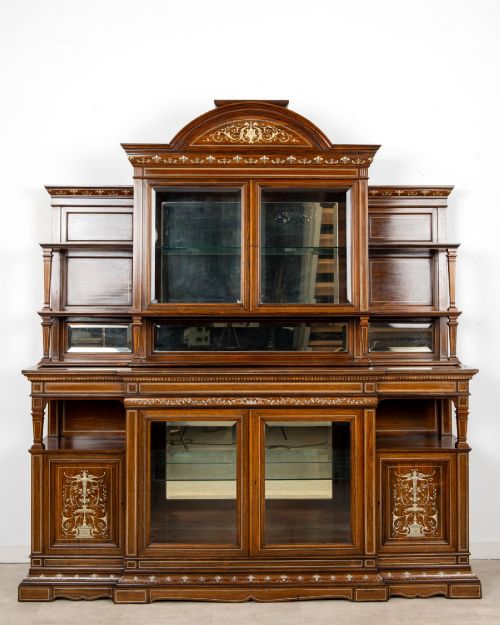
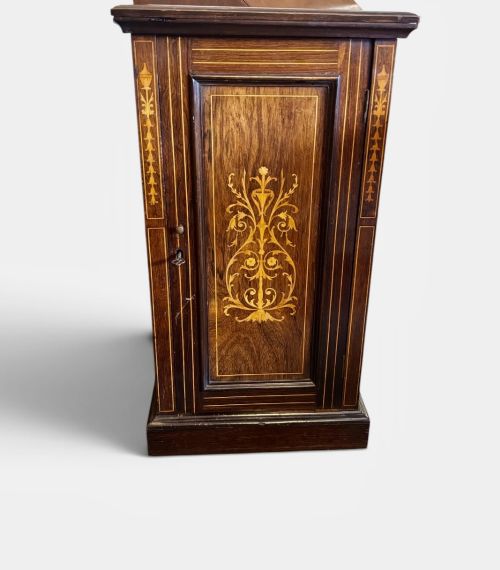
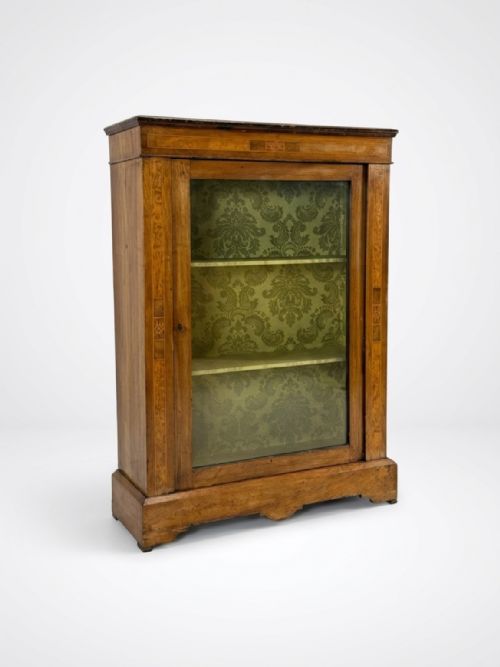
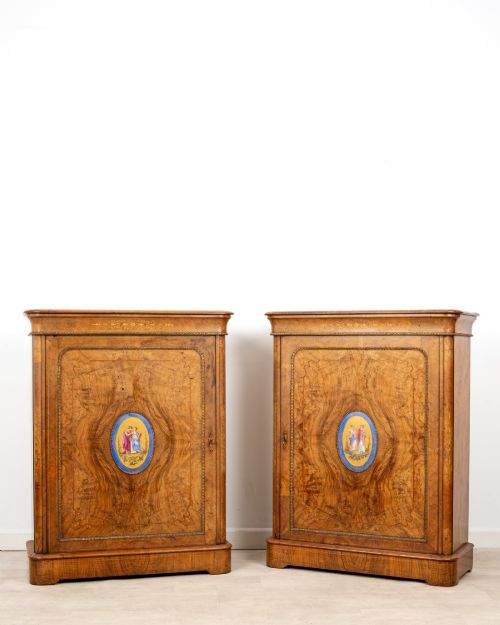
Victorian Inlaid Side Cabinet
These Victorian inlaid side cabinets bring together figured timbers and precise decorative craft to anchor a formal interior.
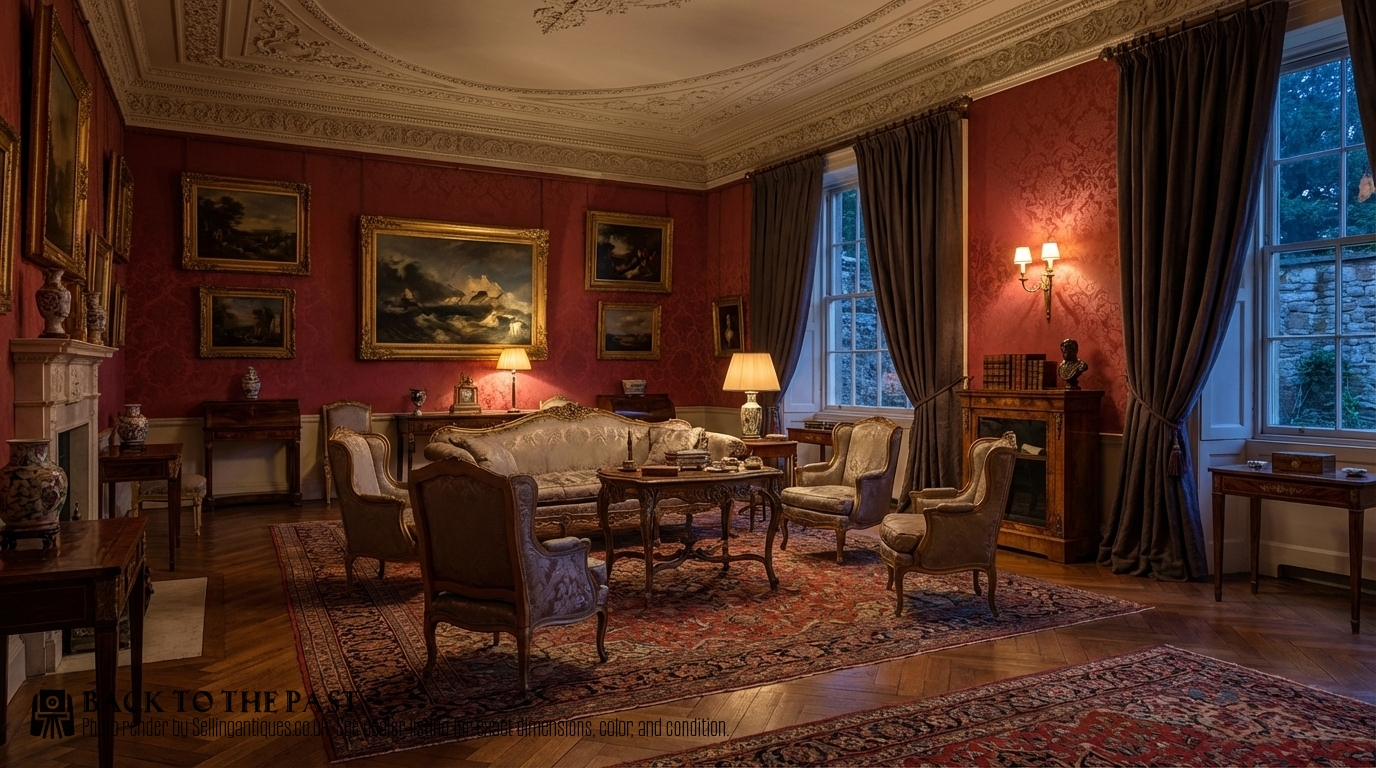
Identifying a Victorian inlaid side cabinet
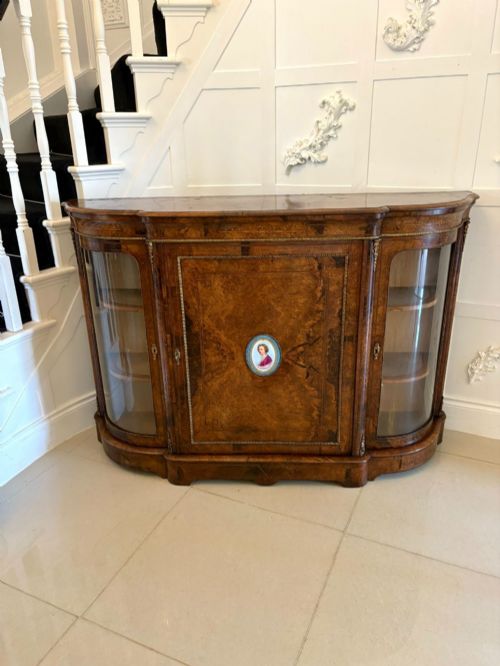
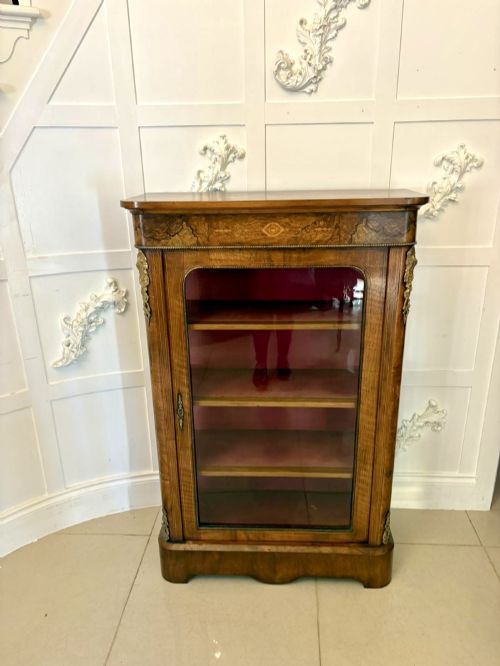
A Victorian inlaid side cabinet serves as a formal storage and display piece, frequently taking the form of a pier cabinet, a credenza, or a narrow side cupboard. These pieces emerge from the nineteenth century, including specific dates such as eighteen sixty and eighteen eighty, embodying the domestic ambitions of the era.
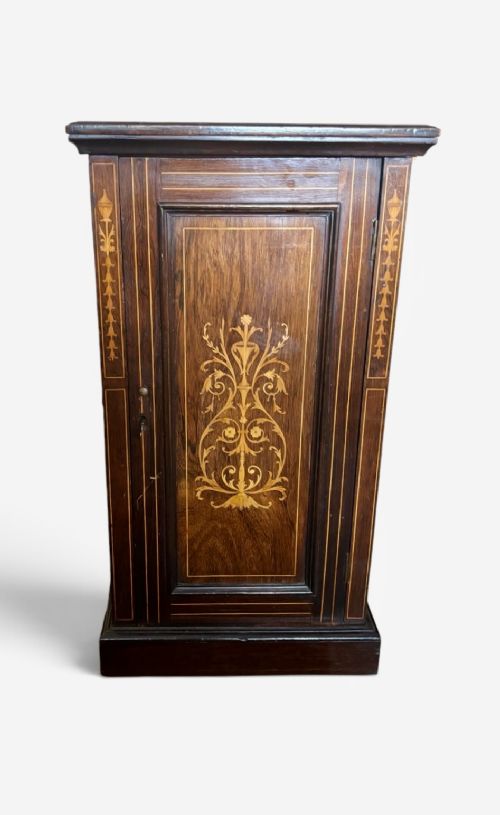
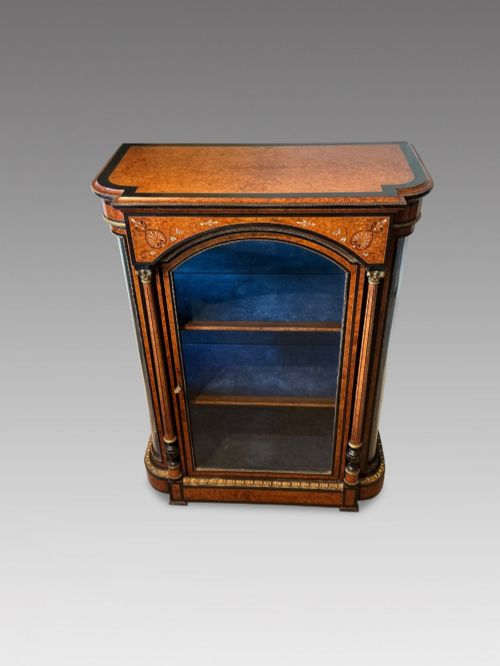
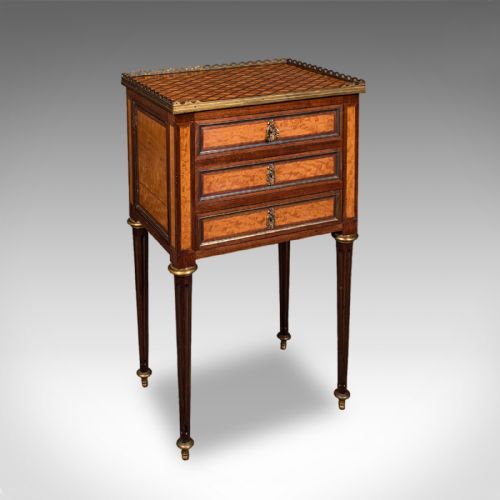
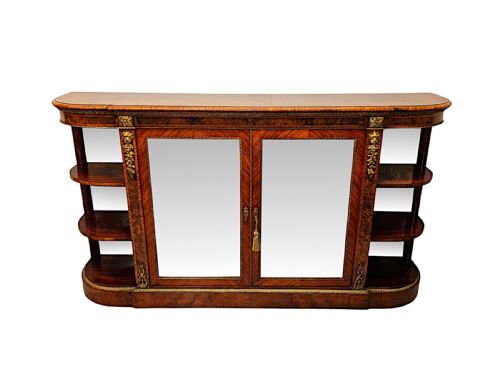
The primary forms found here include single-door display units, serpentine-fronted credenzas, and compact bedside cupboards. Makers constructed these items to stand against parlour walls or within drawing rooms, combining glazed display spaces with enclosed lower cupboards.
Buyers encounter variations in silhouette, ranging from narrow upright proportions to low, broad credenzas fitted with removable backs. Walnut, rosewood, and mahogany form the structural carcass of these cabinets, each paired with contrasting decorative timbers.
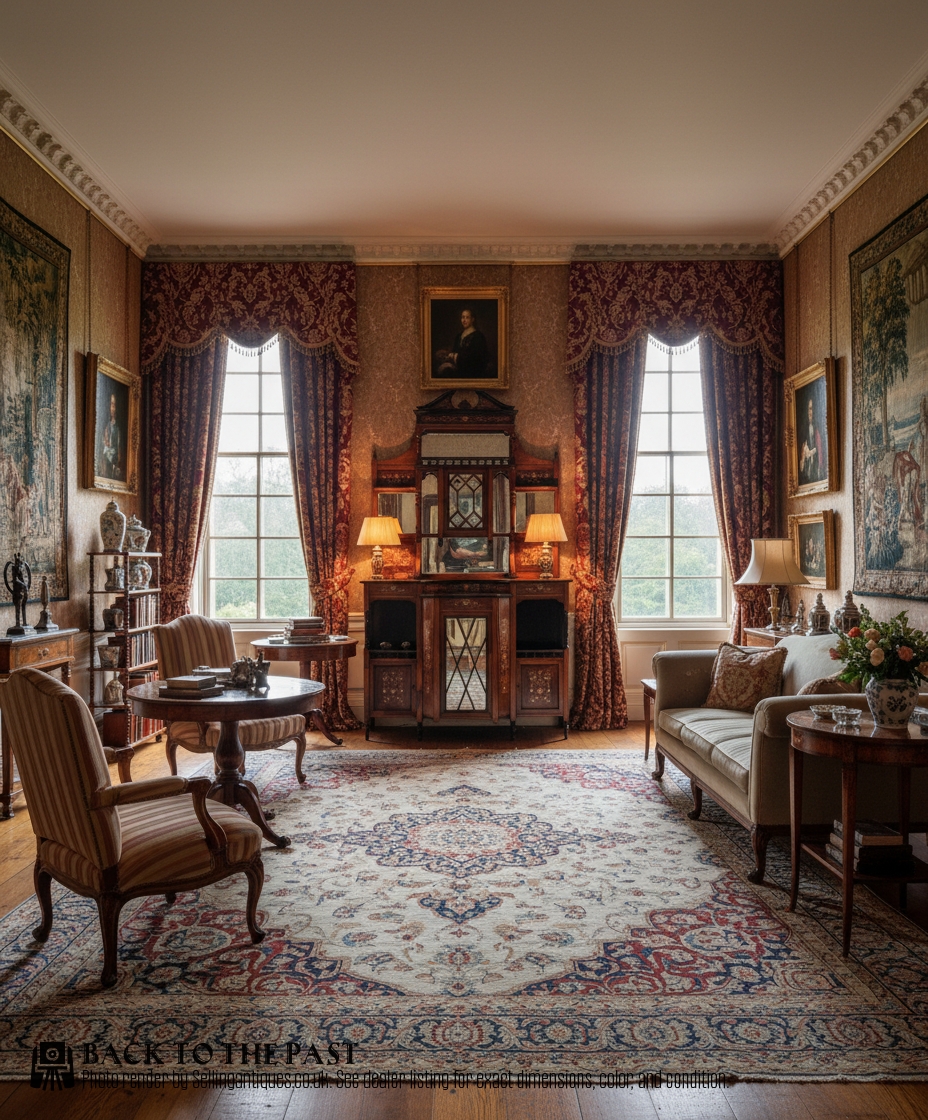
Construction and materials
Cabinet makers utilised dense primary hardwoods like burr walnut, rosewood, and mahogany, selecting timber stocks for deep grain movement and rich natural colour. They applied veneers of satinwood and exotic woods across flat surfaces to create contrasting geometric borders and pictorial motifs.
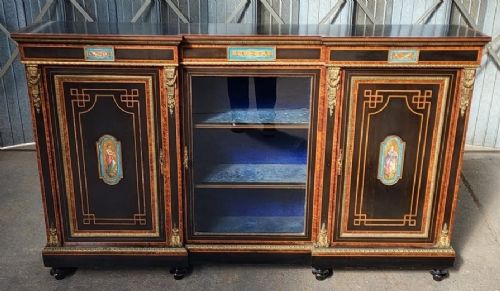
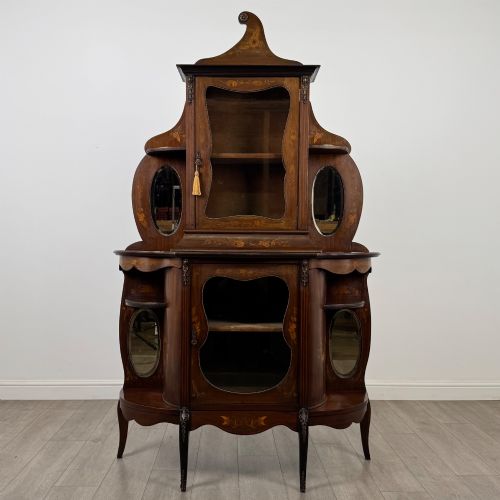
Marquetry inlay forms intricate floral and linear patterns across the doors and friezes, often supplemented by satinwood stringing and cross-banding. Workshops integrated cast or chased ormolu mounts, gilt metal frames, and glass panels to punctuate the dark timber surfaces.
Retail Price Guide 2026
Typical UK retail prices for victorian inlaid side cabinet, calculated from the Sellingantiques database of over a million retail prices indexed since 2003. This retail price guide relies exclusively on Sellingantiques data; no external sources or auction records are used, so the figures do not describe the wider market.
The listings on this site record Victorian side cabinets executed in burr walnut, rosewood, and mahogany, frequently enhanced by marquetry inlay and ormolu mounts.
Distinctions in craftsmanship
The division between standard production and exceptional work rests on the precision of the marquetry and the choice of timber figure. Cabinets featuring highly figured burr walnut or dense rosewood paired with crisp, tight floral marquetry sit at the top of the range.
Structural refinement also defines the grade of a piece, observable in the snug fit of doors, the quality of internal velvet linings, and the integration of cast gilt metal mounts. Workshops that employed specialist inlayers produced tighter joints and more convincing pictorial shading than routine commercial makers.
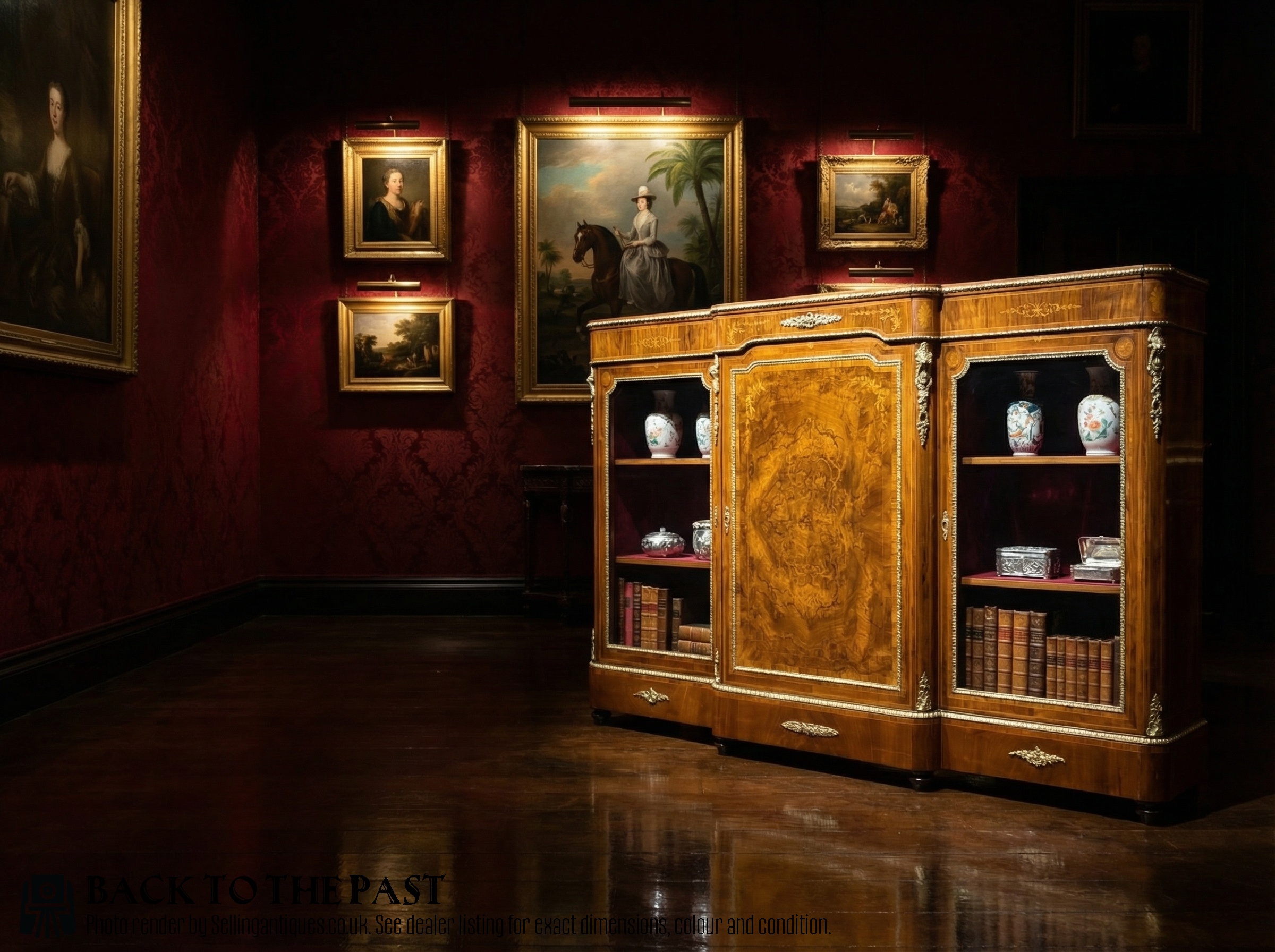
Lamb of Manchester·Shoolbred and Co
The Victorian Inlaid Side Cabinet Glossary
- Marquetry inlay
- Decorative veneer work forming pictures or patterns by fitting together small pieces of various woods. This technique requires precise cutting and careful shading with hot sand.
- Pier cabinet
- A tall, narrow display cabinet designed to fit the wall space between windows. These pieces often feature a single glass door and velvet-lined interior shelves.
- Credenza
- A low cabinet, frequently with curved ends or glazed side compartments, used for storage and display. Victorian examples often incorporate gilt metal mounts and central cupboards.
- Ormolu
- Gilded bronze used for decorative mounts, handles, and framing on nineteenth-century furniture. The technique involves applying a gold amalgam to a bronze base.
- Cross-banding
- A border of veneer laid with the grain running perpendicular to the central panel. This frames the primary timber and adds a crisp linear edge to the design.
Frequently Asked Questions
What is a pier cabinet?
A pier cabinet is a narrow, upright display piece designed to occupy the brick pier between nineteenth-century drawing room windows. They typically feature a single glazed door and enclosed shelving.
These pieces allowed homeowners to display ceramics and decorative objects without blocking natural light sources. Their slender proportions made them suitable for smaller wall spaces within formal rooms.
How do I care for burr walnut?
Burr walnut requires stable indoor humidity and protection from direct sunlight to prevent veneer lifting and fading. Regular dusting with a soft, dry cloth maintains the surface.
Avoid placing these cabinets near direct heat sources or damp exterior walls. Occasional application of appropriate furniture wax preserves the depth of the timber grain.
Where were these cabinets used?
Victorian households placed these side cabinets in formal drawing rooms, parlours, and dining spaces. They held glassware, books, and collections of decorative ceramics.
Lower credenza forms often functioned as serving surfaces or focal points against primary reception room walls. Bedside variants provided enclosed storage within private chambers.
What defines Aesthetic Movement pieces?
Aesthetic Movement pieces often utilise ebonised timber finishes alongside contrasting amboyna or satinwood details. The design philosophy favoured simplicity and artistic line over heavy historical revivalism.
Cabinets from this movement display restrained geometric inlay and refined metal mounts. They reflect a late nineteenth-century shift towards lighter, more harmonious domestic interiors.