

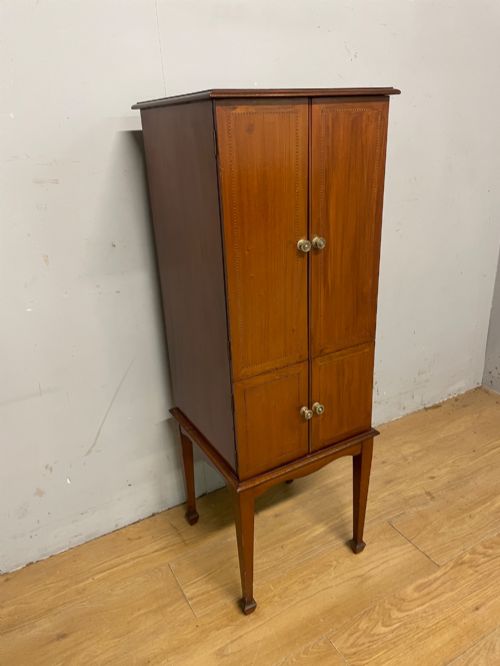
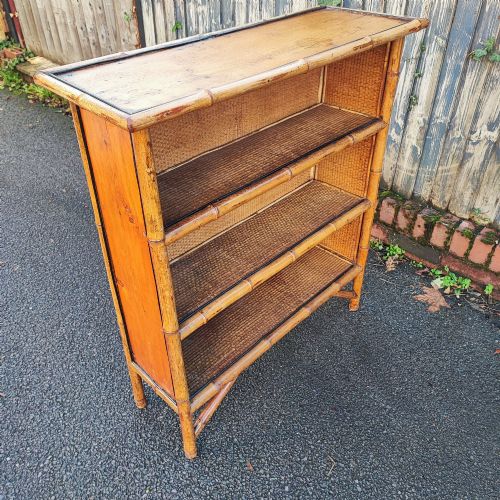
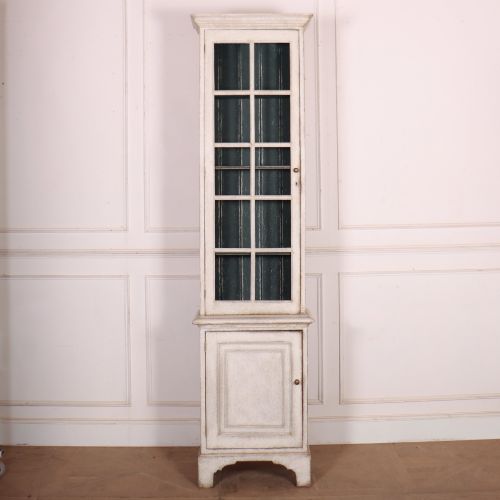
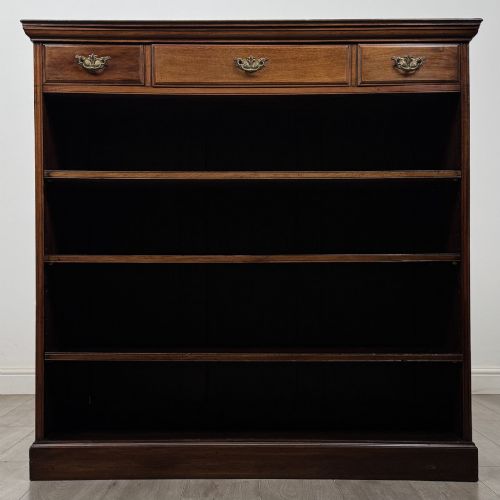
Antique Standing Bookcase
An antique standing bookcase provides sturdy, upright shelving for volumes and display, combining practical storage with period joinery.
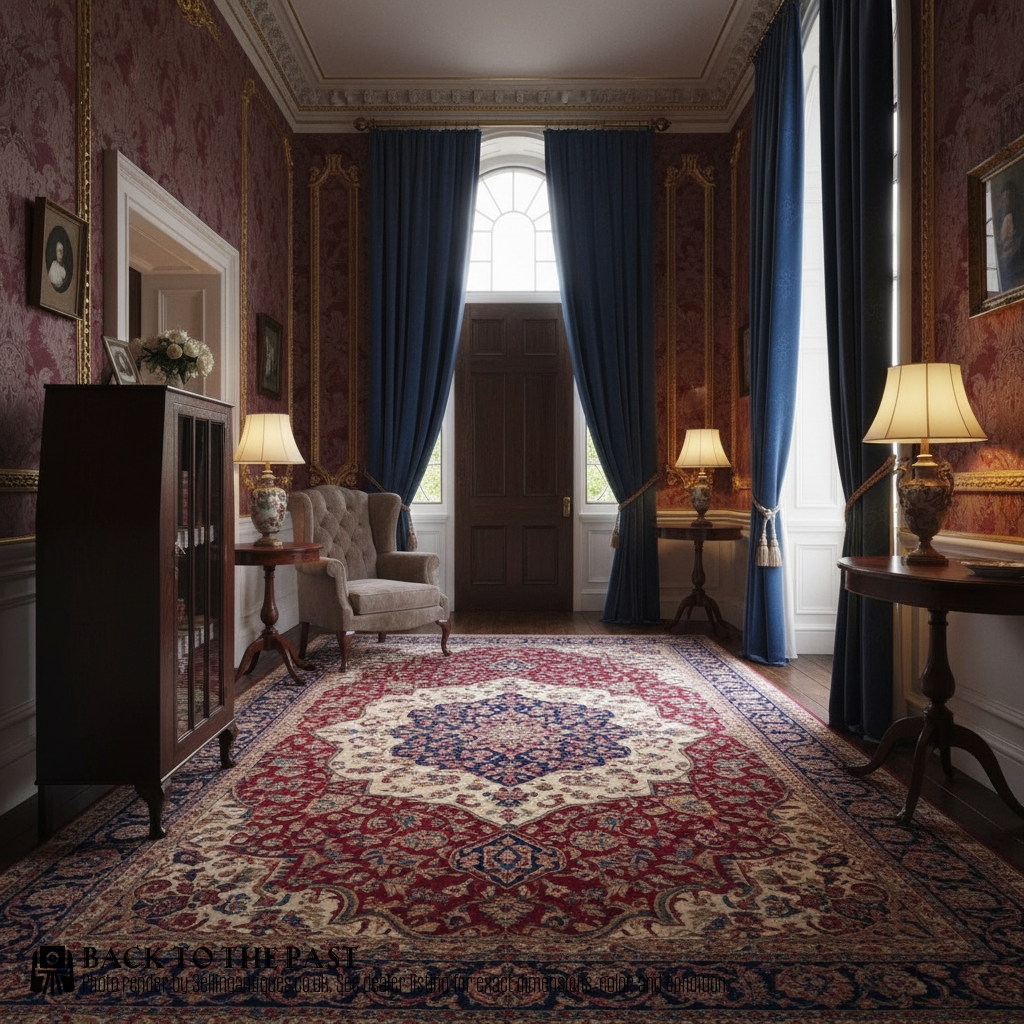
Antique Standing Bookcase
The antique standing bookcase category encompasses vertical furniture built to hold books, from open shelf units to glazed display cabinets and bureau bookcases dating from the Georgian, Victorian, and Edwardian eras.
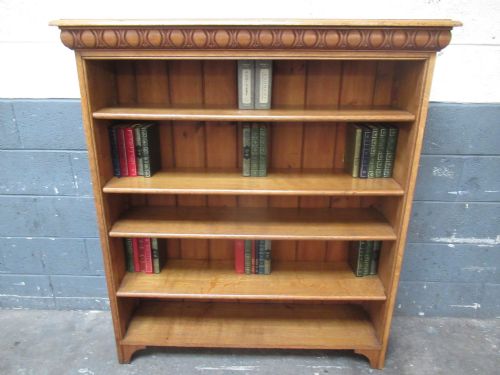
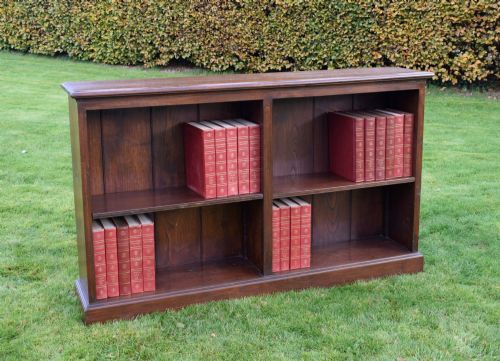
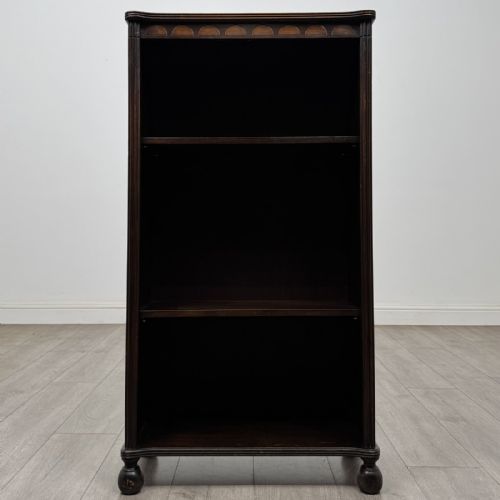
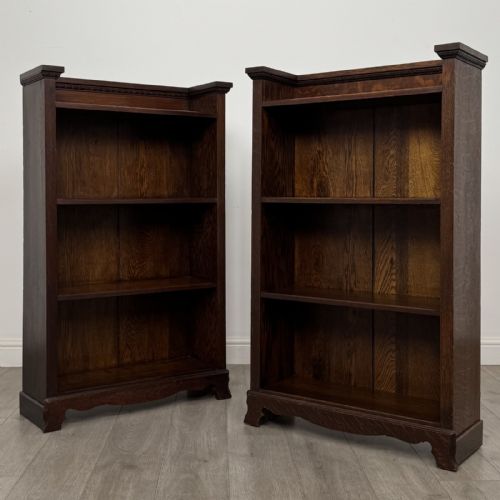
Buyers frequently encounter open mahogany or oak iterations from the late nineteenth and early twentieth centuries alongside walnut bureau designs and corner cupboards suited for domestic libraries and studies.
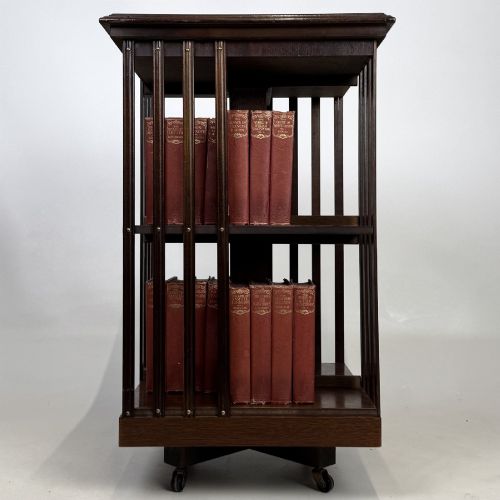
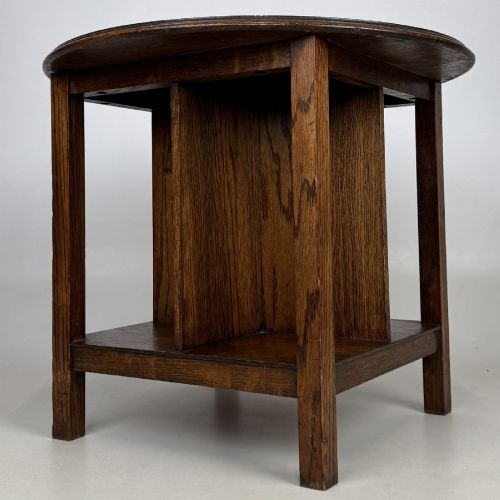
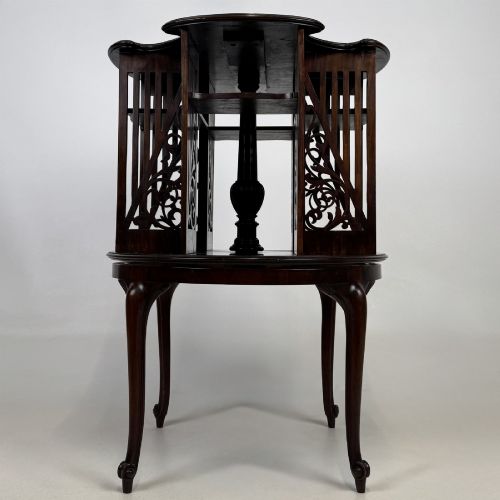
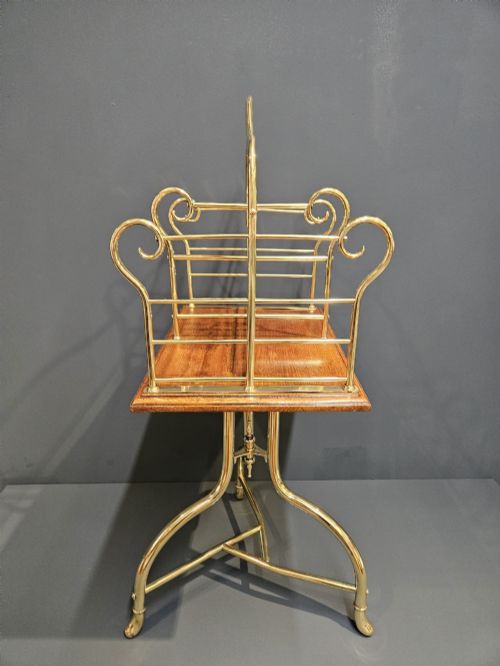
Cabinetmakers also produced specialised revolving formats, etageres, and waterfall tiers that accommodated smaller volumes and decorative objects in limited floor spaces.

Materials and Construction
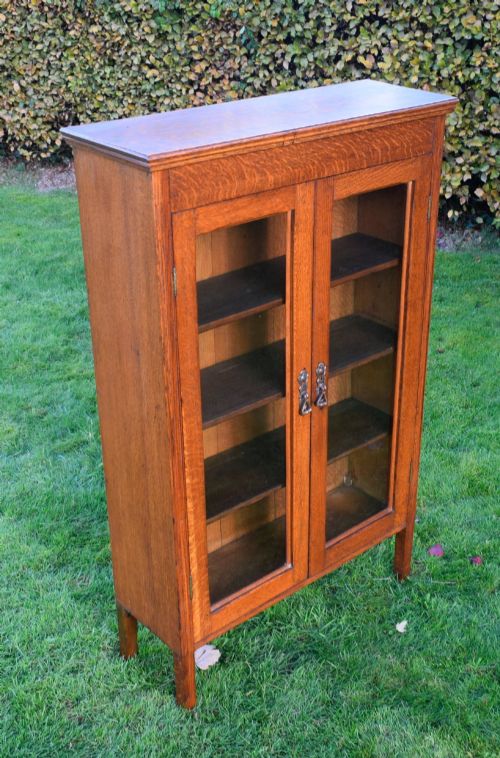
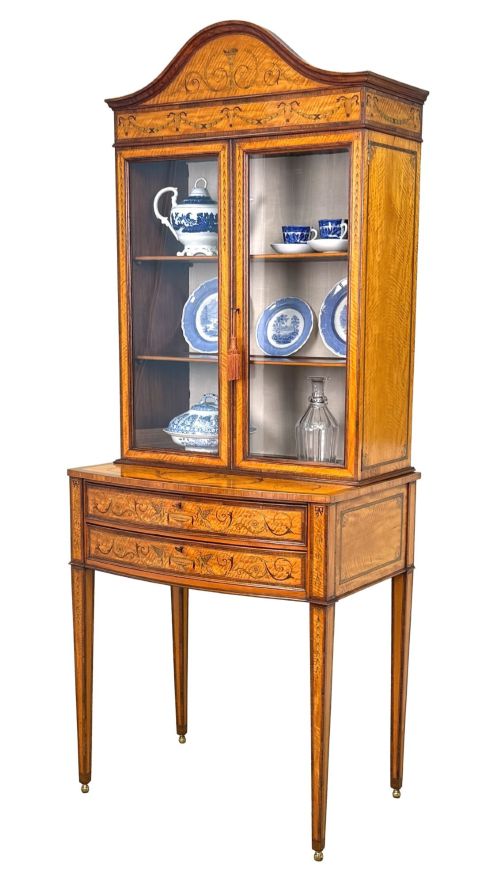
Cabinetmakers relied heavily on hardwoods such as mahogany and oak, often incorporating satinwood or rosewood veneers, brass hardware, and glass panels for display doors.
Construction techniques included dovetailed joints for drawers, adjustable timber shelving, and occasionally carved ornamentation, or contrasting marquetry inlays across bureau and display variants.
Antique Standing Bookcase Retail Price Guide 2026
Typical asking prices for standing bookcase among the pieces listed under this phrase on Sellingantiques today, from the lower quarter to the upper quarter. They describe what is for sale here now, not the wider market.
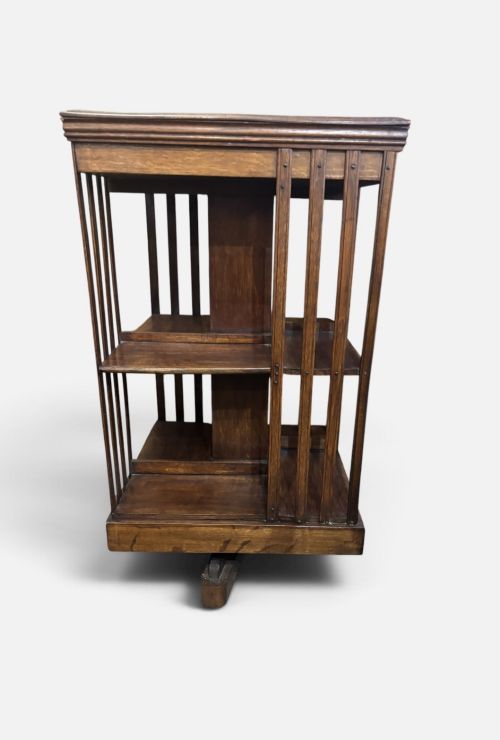
Some Victorian readers clearly enjoyed spinning their literature, as evidenced by heavy oak and mahogany revolving bookcases.
Assessing Quality
Quality rests upon the selection of timber figures like burr walnut or figured mahogany, alongside the crispness of hand-carved details and inlaid decorations.
Superior examples exhibit refined proportions, robust joinery that keeps upright frames true, and original glass or brass fittings rather than later replacements.

Gabriel Viardot·Collinson & Lock
The Antique Standing Bookcase Glossary
- Waterfall bookcase
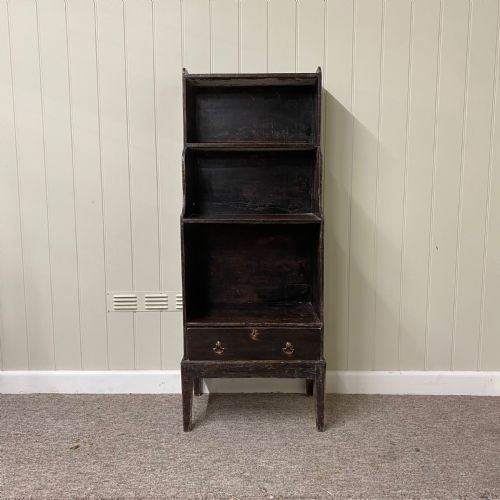
- A standing bookcase featuring graduated open shelves that step back progressively from bottom to top.
- Bureau bookcase
- A dual-purpose piece combining a slant-front writing desk compartment with enclosed shelving above.
- Astral glazed
- Cabinet doors fitted with wooden glazing bars that divide the glass panes into geometric patterns.
- Revolving bookcase
- A low standing bookcase mounted on a turntable mechanism allowing access from multiple angles.
- Whatnot
- An open set of standing shelves designed for displaying ornaments, books, and small collectables.
Antique Standing Bookcase: Frequently Asked Questions
What is an antique standing bookcase?
An antique standing bookcase is a vertical piece of furniture designed to rest upon the floor while holding books or displaying objects. These items range from simple open shelving units to complex glazed cabinets.
They emerged across Georgian, Victorian, and Edwardian periods in response to growing private libraries and domestic reading habits. Their upright footprint allows them to store substantial collections without occupying excessive floor space.
How do I choose between open and glazed bookcases?
Open bookcases offer immediate, unhindered access to volumes and work well for everyday reading collections. Glazed cabinets protect delicate bindings from dust and light while showcasing fine decorative bindings.
Choosing depends largely on the fragility of the books and whether the room requires open utility or formal display. Many period examples provide lower cupboards for enclosed storage beneath upper display shelves.
Where should I place a standing bookcase?
Standing bookcases require stable, level flooring away from direct sunlight and strong heat sources that might warp timber. Placed against interior walls, they anchor room layouts and protect bindings.
Corner cupboards and angled units utilise awkward spaces efficiently, whereas revolving models suit placement beside armchairs or centre-room locations.
How do I date an antique bookcase?
Dating relies on observing wood species, construction methods, and prevailing historical styles such as Regency, Arts and Crafts, or Edwardian revivalism. Secondary timbers, hardware types, and glass characteristics offer further chronological clues.
Earlier Georgian pieces often feature figured mahogany and bureau configurations, whereas Edwardian iterations frequently utilise lighter inlays and simpler oak framing.