




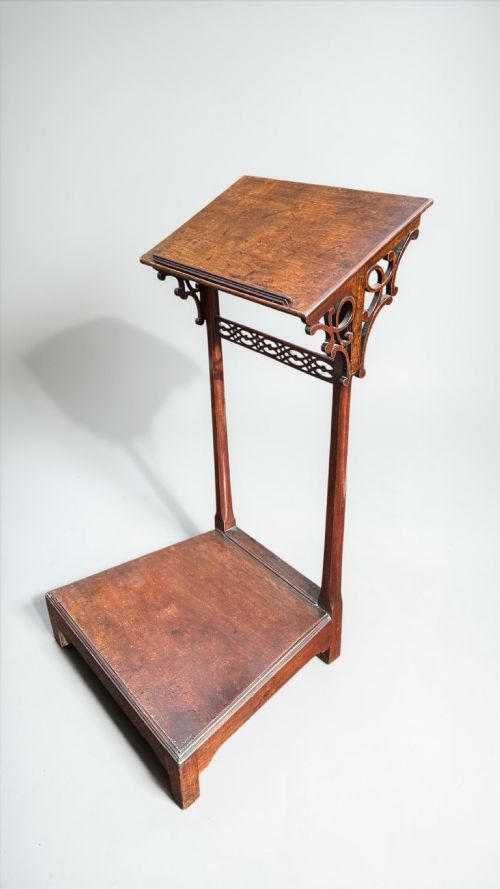


Chippendale Revival Furniture
Chippendale revival furniture brings neoclassical elegance and robust mahogany framing into period homes, offering timeless proportion without the century-old price tag.
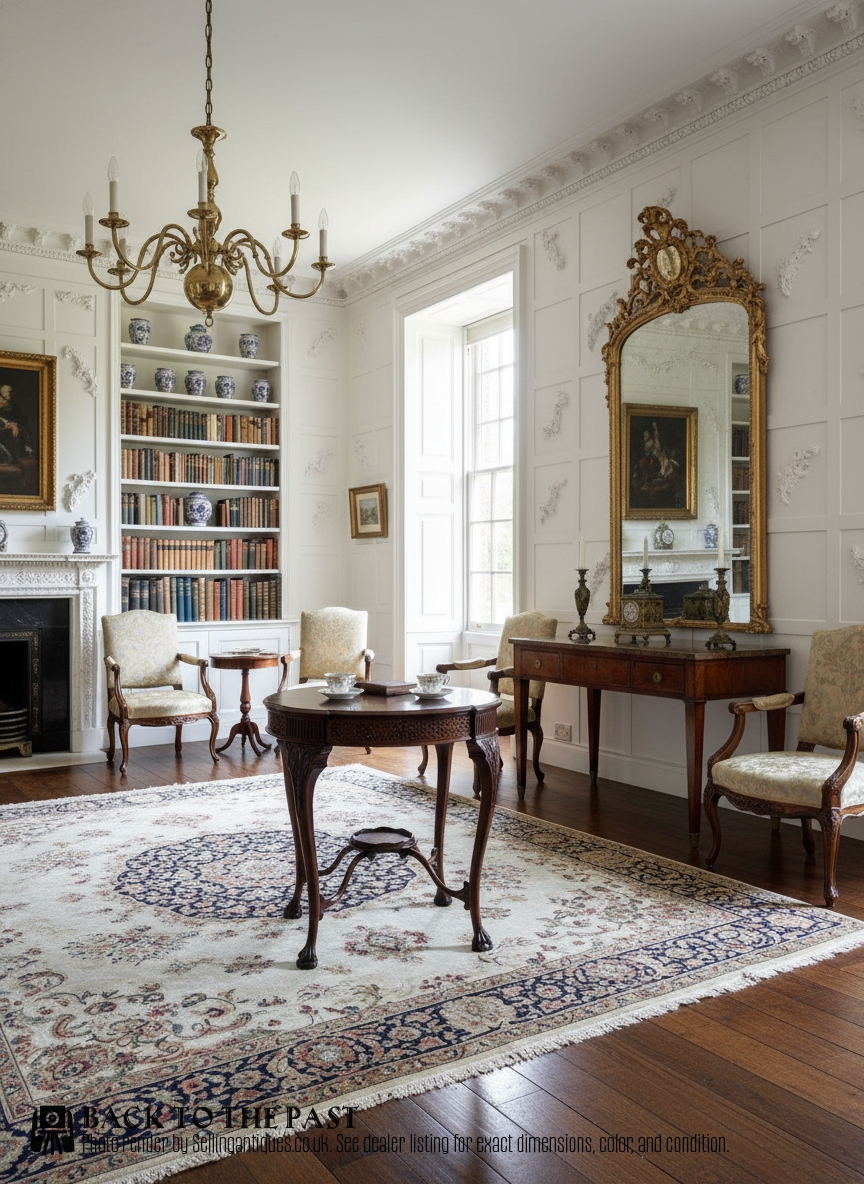
Chippendale Revival Furniture
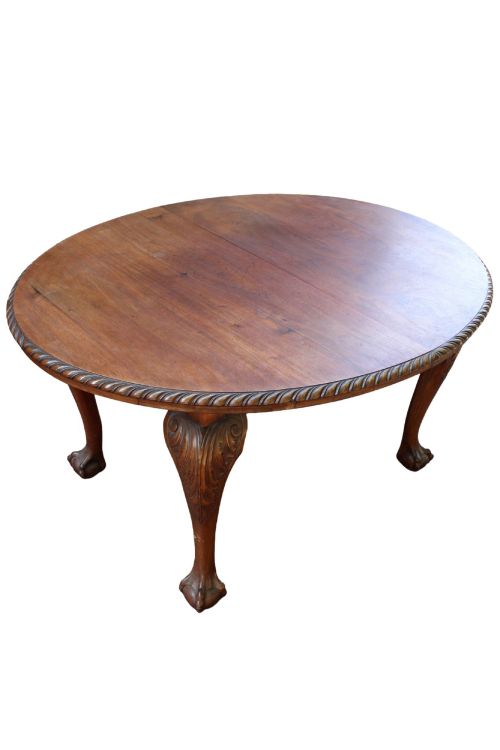
Chippendale revival furniture encompasses seating, dining tables, display cabinets, and writing desks produced from the late nineteenth century through the Edwardian era. You will frequently encounter dining chairs, display cabinets, and centre tables that echo the eighteenth-century motifs popularised by Thomas Chippendale.
Makers of the period adapted classic George III proportions for contemporary drawing rooms and libraries, resulting in practical side tables, envelope card tables, and music cabinets. The overarching aesthetic marries elaborate fretwork and carved mahogany with functional nineteenth-century utility.
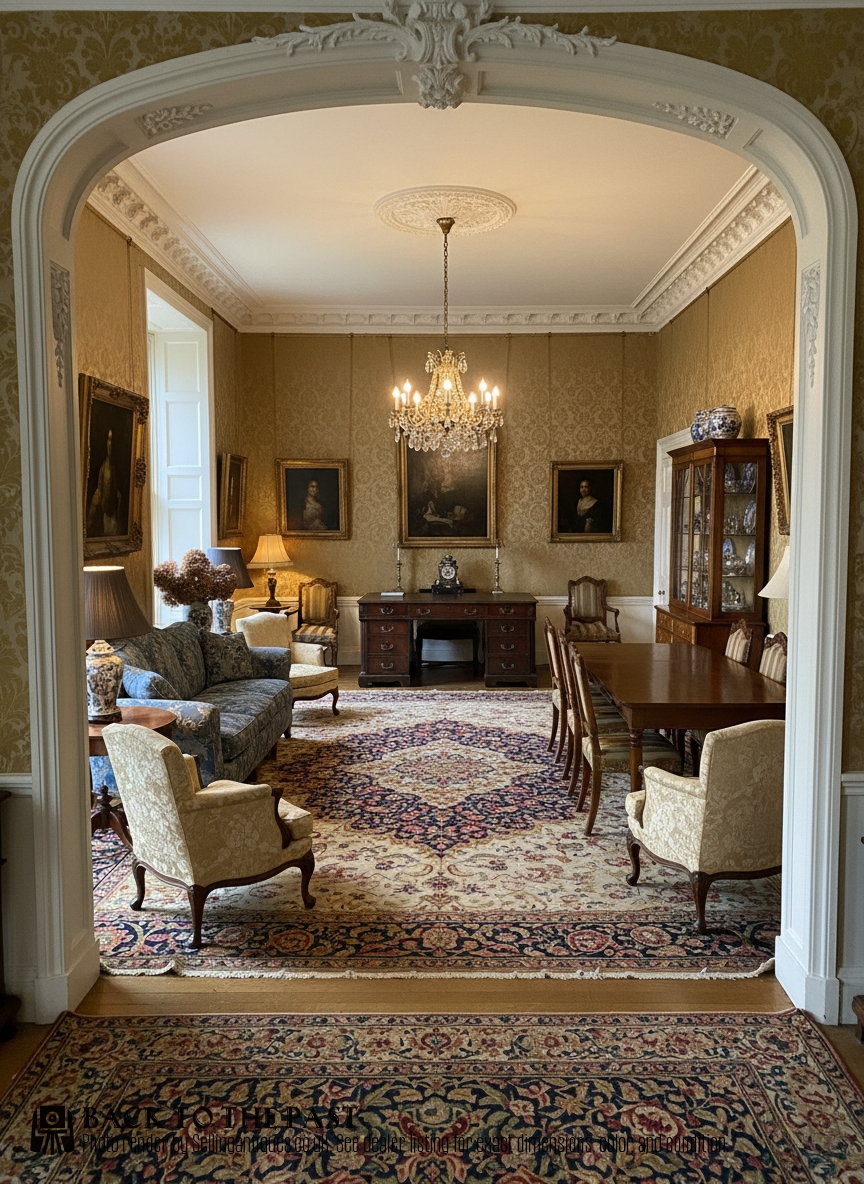
Assessing Quality and Execution
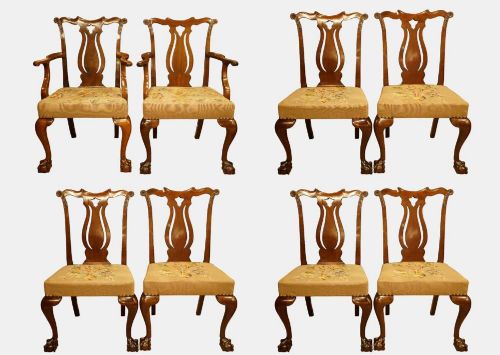
Quality rests principally in the crispness of the timber carving and the weight of the mahogany used throughout the carcase. Superior examples display deeply undercut pierced splats and refined claw-and-ball feet rather than flat, machine-stamped ornamentation.
The integrity of secondary woods, drawer linings, and original elements such as tapestry seats or brass castors further separates standard production from finer cabinet work. Proportion and balance dictate the success of the revival design, distinguishing master workshops from generic factory output.
Chippendale Revival Furniture Retail Price Guide 2026
Typical asking prices for chippendale revival furniture among the pieces listed under this phrase on Sellingantiques today, from the lower quarter to the upper quarter. They describe what is for sale here now, not the wider market.
Listings span Victorian, Edwardian, and eighteenth-century origins, predominantly executed in solid mahogany with occasional glass and tapestry additions.

Jas Shoolbred
The Chippendale Revival Furniture Glossary
- Fretwork
- Openwork ornamentation carved or pierced into thin panels of wood, often seen in Chinese Chippendale style shelves and table friezes. This technique creates geometric or interlaced patterns reminiscent of Chinese lattice work.
- Torchère
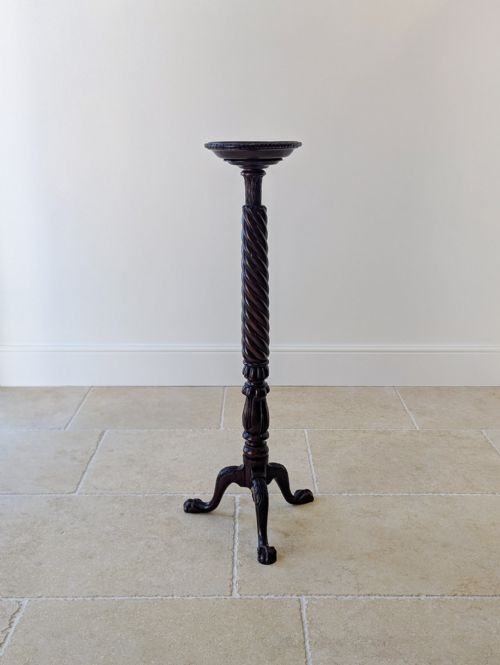
- A tall, slender stand or pedestal designed to hold a candle or lamp. In revival pieces, these feature carved pillars and tripod bases.
- Prie Dieu
- A small devotional desk or prayer kneeling chair. These uncommon forms include upholstered rests for prayer.
- Splat
- The vertical central strip of wood in the back of a chair, frequently pierced and carved in revival dining chairs. It provides both structural support and decorative focus.
- Bijouterie cabinet
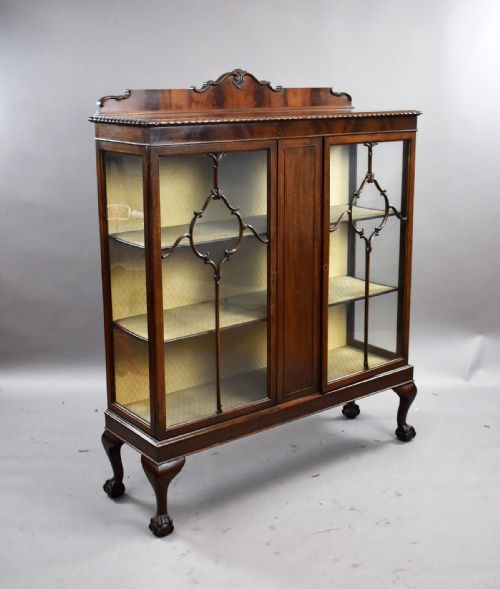
- A glazed display case specifically designed to showcase small decorative objects, jewellery, and curiosities. These tables and cabinets feature glass tops and sides to maximise visibility.
Chippendale Revival Furniture: Frequently Asked Questions
How do I date chippendale revival furniture?
Dating relies on examining construction marks, timber characteristics, and secondary woods alongside style cues from the Victorian and Edwardian periods. Revival pieces typically date from 1880 to 1910, showing mechanical saw marks or modern brass fittings hidden beneath historic styling.
Comparing the carving depth and joinery to known period pieces helps separate nineteenth-century interpretations from genuine eighteenth-century work. Look closely at drawer linings and screw types for further chronological clues.
Are these pieces suitable for daily use?
Mahogany revival furniture is exceptionally sturdy and built to withstand regular domestic routines, whether used as dining chairs or centre tables. Solid timber construction ensures longevity under normal household conditions.
Protect polished surfaces from excessive moisture and direct sunlight to preserve the rich mahogany tone and original tapestry or fabric upholstery.
What is chinese chippendale style?
Chinese Chippendale is a distinct sub-genre featuring pagoda motifs, lattice fretwork, and angular structural lines inspired by Asian design aesthetics. It became immensely popular during Victorian revival revivals for cabinets, seating, and occasional tables.
The style brings an exotic lightness to heavy mahogany frames through pierced galleries and intricate geometric wooden grilles.
How do I care for antique mahogany?
Maintain mahogany surfaces by dusting regularly with a soft, dry cloth and applying quality beeswax sparingly twice a year. Avoid silicone-based sprays that can penetrate the grain and degrade the finish over time.
Keep wooden items away from direct heat sources and drastic humidity shifts to prevent timber shrinkage and veneer lifting.