




Chippendale Library Desk
These pieces for a chippendale library desk span the elegant forms of the Georgian era through to later revivals.
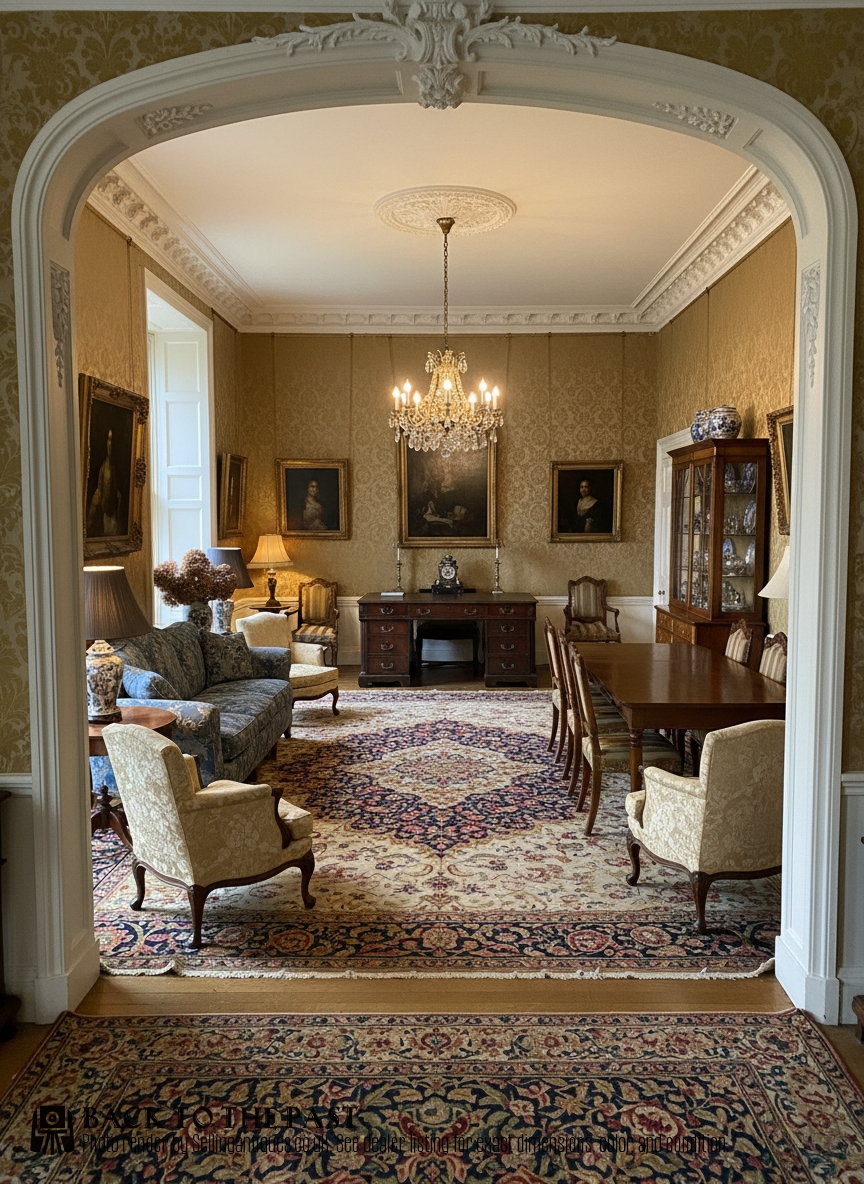
Chippendale Library Desk
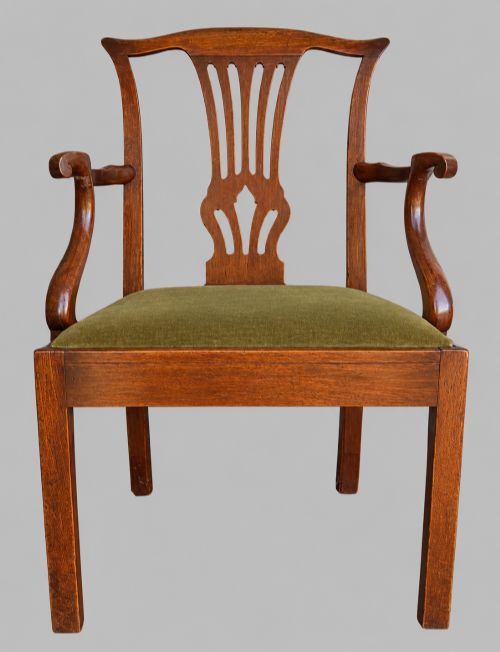
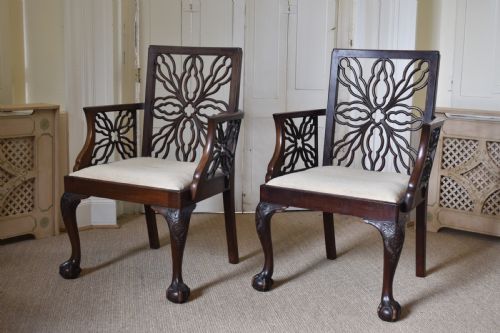
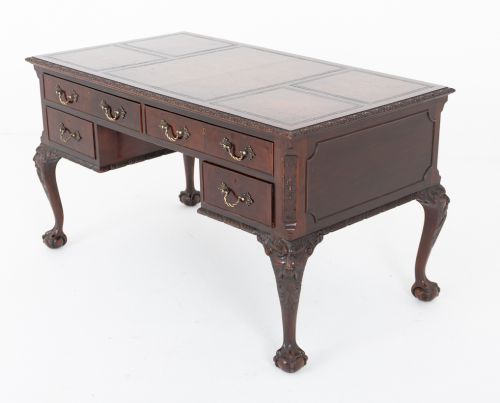
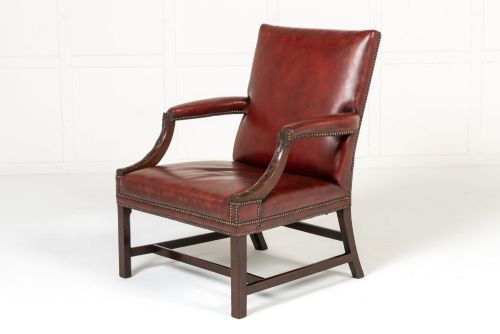
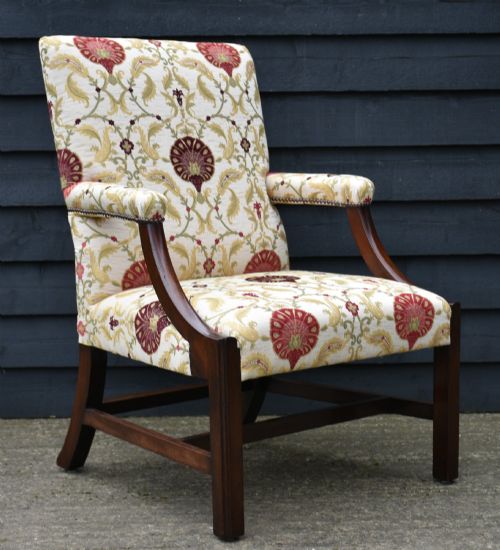
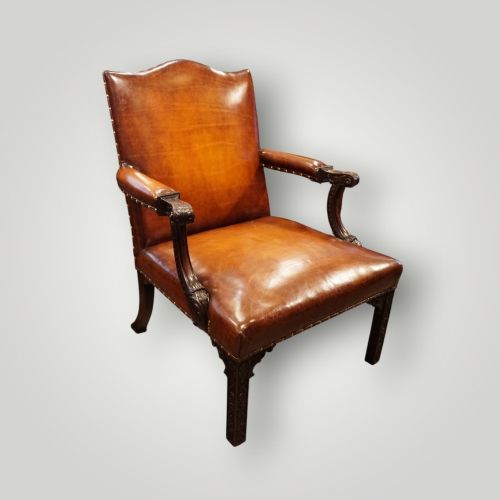
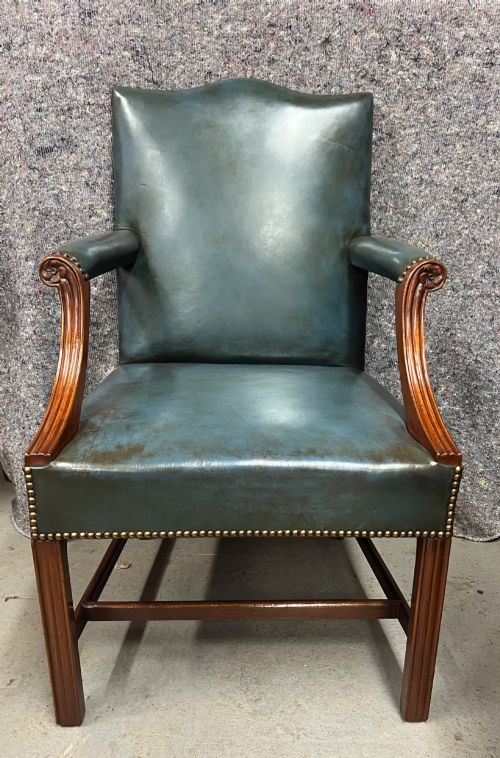
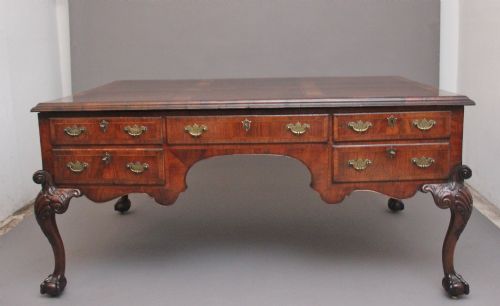
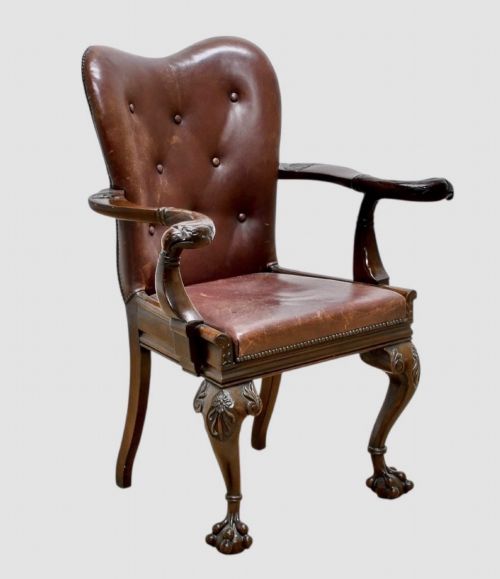
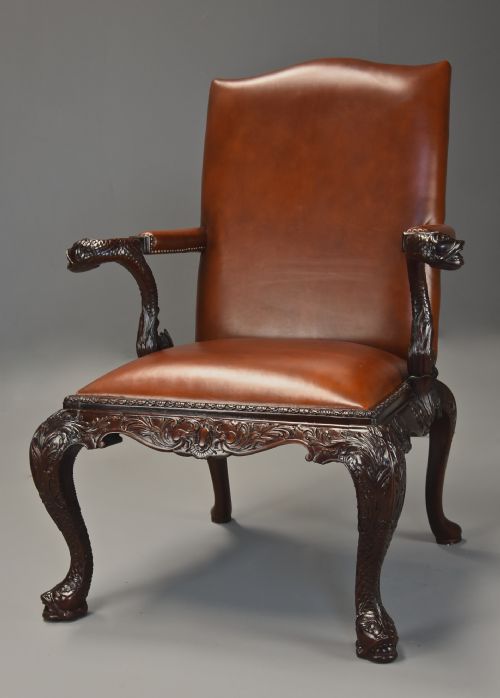
The selection leans heavily toward seating designed for desks, including open armchairs and elbow chairs featuring mahogany frames and leather or fabric upholstery. Alongside these seats sit writing tables, drum tables, and partners desks constructed for large studies. The revival pieces from the late 19th and early 20th centuries capture the classic proportions and carving details of the earlier George II and George III eras, giving buyers access to traditional aesthetics across different centuries.
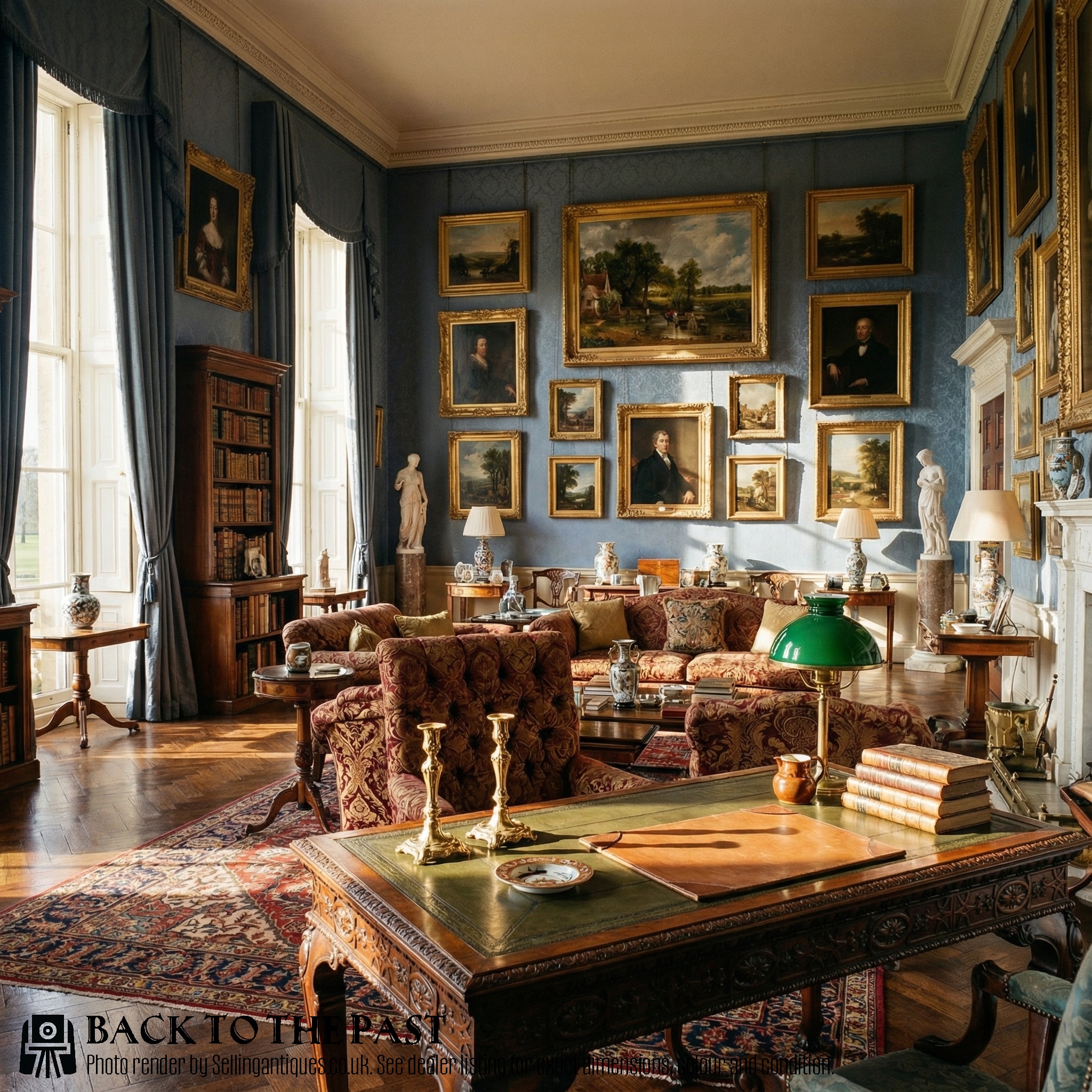
How they were made
Cabinet makers relied predominantly on solid and veneered mahogany, alongside walnut, to build the heavy frames and writing surfaces of these desks and chairs. Timber selection focused on grain pattern and durability, providing a sturdy substrate for detailed carving work. Brass fittings frequently adorned drawer pulls and handles, adding functional metalwork to the wooden structures.
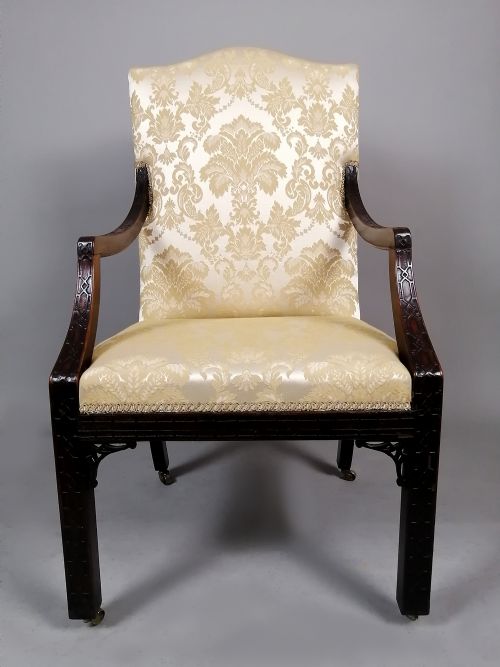
Upholstery formed a vital part of the construction for library armchairs and desk chairs, incorporating hand-dyed English hide leather, velvet, damask, and specialised upholstery fabric. Craftsmen applied blind carving and Gothic revival motifs directly into the mahogany frames, uniting structural carpentry with decorative artistry.
What varies in quality
The distinction between tiers of quality rests upon the depth and crispness of the hand carving on the mahogany frames. Superior examples display sharply defined blind carving and well-proportioned architectural lines that reflect rigorous adherence to period design. Lesser pieces may feature softer decorative details and simpler joinery that lacks the precise execution of the finest workshops.
Materials also drive the variance, particularly the grade of mahogany selected for the primary surfaces and the authenticity of the leather hide used for desk inserts and chair upholstery. Hand-dyed English leather and finely figured timber distinguish the upper echelon of desks and armchairs from standard utility pieces.
Gillows
The Chippendale Library Desk Glossary
- Partners desk
- A large freestanding desk built with drawers on both sides, allowing two people to work opposite one another. These pieces often incorporate leather writing surfaces.
- Kneehole desk
- A compact or large pedestal desk featuring a central recessed space for the legs. They provide substantial storage via side drawers while maintaining a finished rear for placement in the middle of a room.
- Blind carving
- Low-relief ornamentation carved directly onto a flat wooden surface without piercing it. This technique appears frequently on the mahogany frames of Chippendale style furniture.
- Gothic revival
- A design style drawing inspiration from medieval architecture, characterised by pointed arches and tracery. On these desks and chairs, it manifests in specific carved wooden motifs.
Chippendale Library Desk: Frequently Asked Questions
What is a Gainsborough chair?
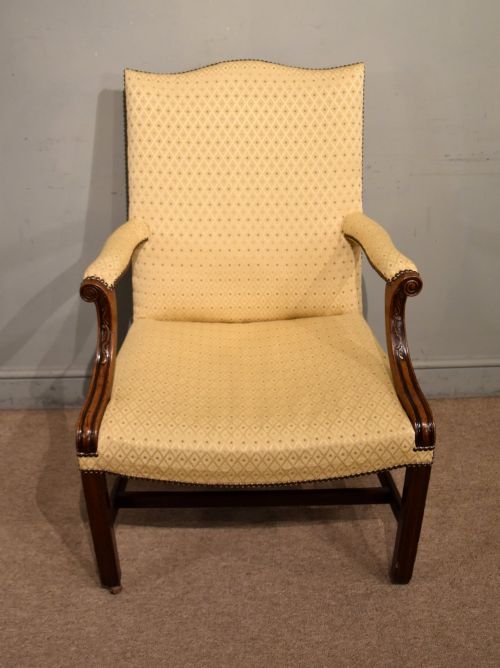
A Gainsborough chair is a wide, open-armed desk chair typically upholstered in leather or fabric. It was created in the mid-18th century to provide comfortable seating for reading and writing.
These chairs feature sturdy mahogany frames and low-relief carving, making them suitable for pairing with library desks and writing tables.
What is Chippendale style?
Chippendale style refers to furniture designs originating from the mid-18th century work of Thomas Chippendale and his contemporaries. It emphasises solid mahogany construction, classical proportions, and intricate carved details.
Revival pieces from the 19th and 20th centuries replicated these aesthetic signatures, applying them to desks, writing tables, and armchairs.
How do I tell an 18th century desk from a revival?
Distinguishing an 18th-century piece from a later revival involves examining the construction methods, timber ageing, and tool marks on the underside of the wood. Original Georgian pieces show hand-cut joinery and period-specific wear patterns.
Revival pieces, manufactured during the Victorian, Edwardian, or early 20th-century eras, exhibit machine assistance or different secondary woods while faithfully copying the earlier forms.